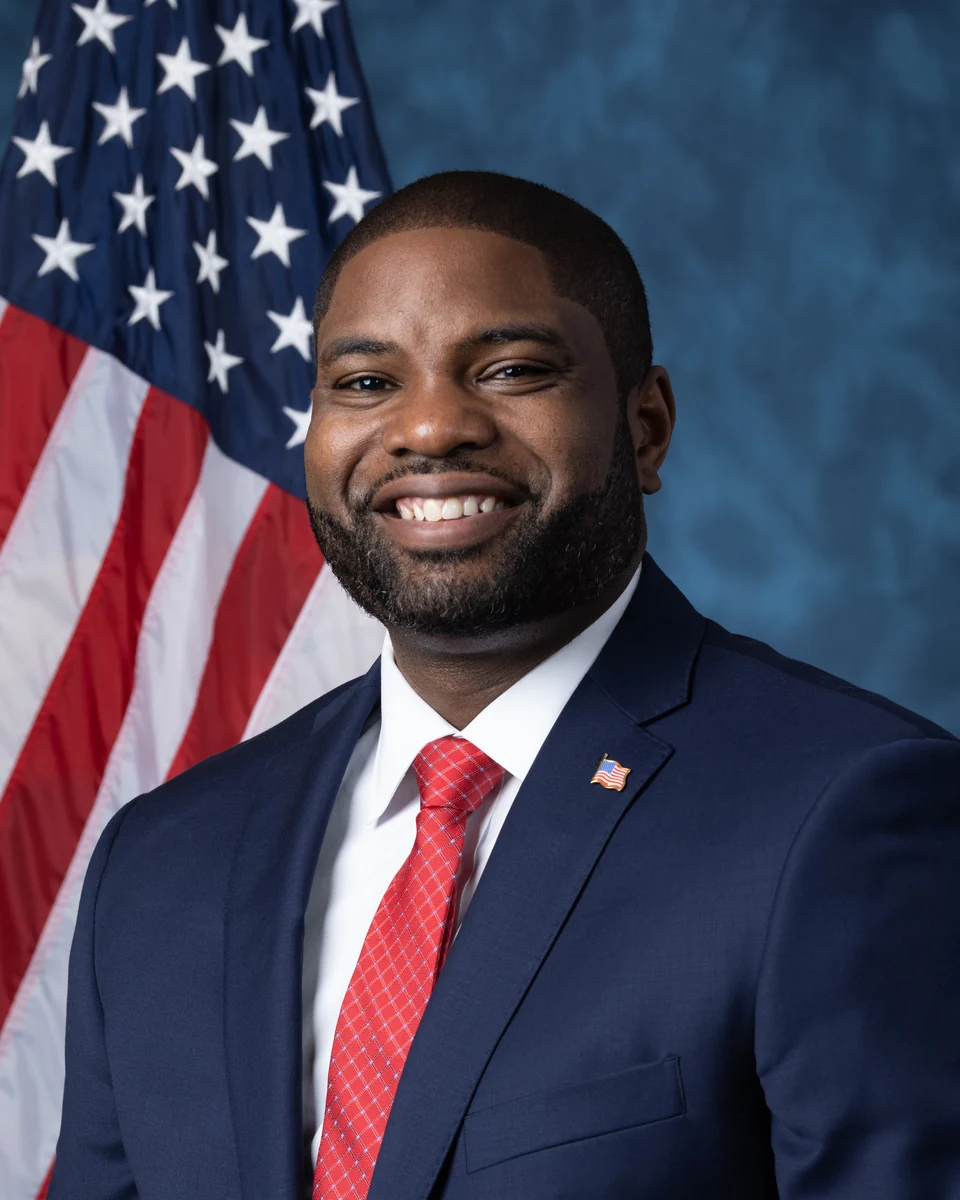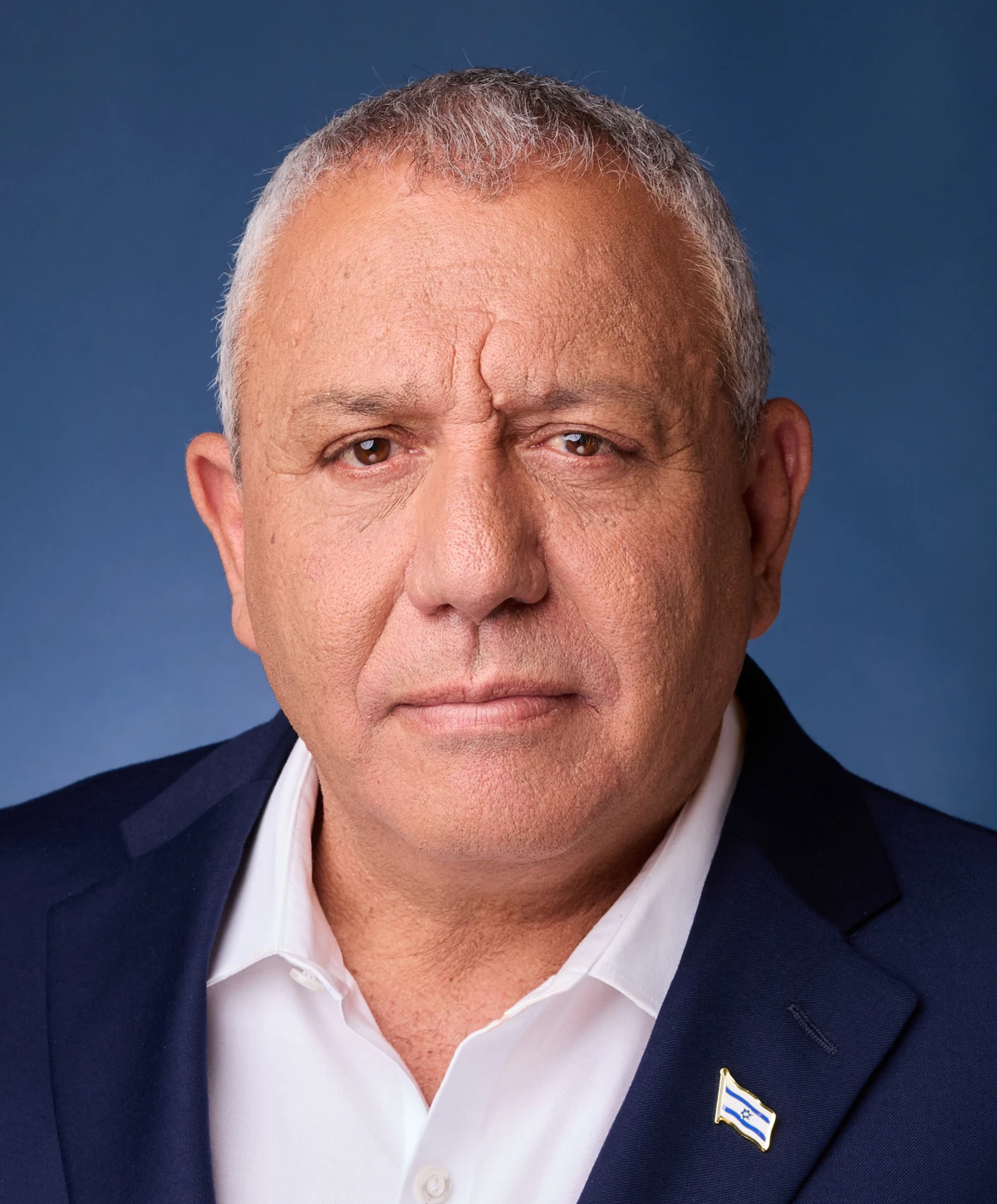
Why Trump and Obama are campaigning in Michigan
Donald Trump is scheduled to campaign in Port Huron on October 25, a day after Barack Obama appeared in Detroit to support Democrat Abdul El-Sayed. Their consecutive Michigan stops put national figures behind a state contest between El-Sayed and Republican Mike Rogers. Voters will choose who succeeds retiring Democratic Senator Gary Peters on November 3. This is an open-seat election, rather than a challenge to an incumbent seeking another term.
Reuters describes the race as one of the contests that could determine Senate control. Republicans hold a 53–47 majority, leaving Democrats needing a net gain of four seats to take an outright majority. Holding Peters’s seat would preserve a Democratic position in that calculation. Winning it would give Republicans a pickup and make the opposition’s task elsewhere harder. The competing visits therefore concern both a Michigan representative and the balance of power in Washington.
Obama’s appearance supports El-Sayed, while Trump backs Rogers. The Associated Press identifies Rogers as a former congressman and El-Sayed as a former public-health official. Their backgrounds offer different arguments about experience. A candidate’s connection to a president can help explain party alignment, but it cannot substitute for examining the person who would actually cast votes in the Senate. That distinction matters when the best-known names on a rally stage are absent from the Senate ballot.
The Michigan Advance voter guide supplies the career chronology. El-Sayed previously led Detroit’s Health Department and served as the city’s health officer. He left that position in 2017 before his unsuccessful campaign for governor. Rogers represented a Michigan district in Congress from 2001 to 2015 and chaired the House Intelligence Committee. His earlier work included service in the state Senate and the FBI. These records help readers understand why health policy and national security recur in the candidates’ public arguments.
Rogers’s website highlights Trump’s endorsement and his own promise to support the president’s agenda. El-Sayed’s website presents an opposing case about corporate influence and government priorities. That is the substantive connection between the national appearances and the local choice. The visits can draw attention to those positions. Whether they change any voter’s decision remains an unanswered question. Attendance, applause and the prominence of a speaker do not themselves count as evidence of who will win.
Google’s America Votes dashboard provides a separate way to follow the election: search interest. Its charts compare interest across time and states on a relative scale from 0 to 100. The dashboard covers the 2026 midterm cycle and includes congressional races, political issues and voter-registration questions. These measures describe what people search for. They do not identify how those people intend to vote, and Google explicitly cautions against interpreting candidate search interest as voter intent.
For readers following Michigan, that distinction matters. A candidate can attract searches after an endorsement, criticism or a campaign appearance. The search itself does not reveal whether the person supports that candidate. A higher relative score is also not a vote share. VIRVIB treats this dashboard as context for public attention, alongside reporting and official voting information, rather than an election forecast. The linked Google dashboard is the place to check its current date ranges and comparisons because these can change as the campaign continues.
Sources: Reuters — Trump’s planned Michigan visit after Obama’s Detroit rally ↗ · Associated Press — the open-seat contest and candidates ↗ · Michigan Advance — Senate voter guide and career records ↗ · Abdul for Senate — candidate’s stated priorities ↗ · Mike Rogers for Senate — candidate’s stated priorities ↗ · Google Trends — America Votes, Midterm Elections 2026 ↗
The policy arguments behind the campaign attacks

The campaign has also produced accusations about religion and loyalty. Reuters reported on October 23 that Rogers and his allies were escalating claims about El-Sayed and the Muslim Brotherhood. El-Sayed denies any connection to the organization. The report describes the race as competitive and says it was unclear whether the Republican strategy was changing voter support. A campaign allegation should therefore be presented with the denial and the limits of the evidence, rather than converted into an established biographical fact.
At the Detroit appearance, Obama criticized efforts to portray El-Sayed as less American because of his background or faith. The former president connected the attacks to the false birthplace claims he faced himself. Trump subsequently attacked El-Sayed again, Reuters reported. That exchange explains the dispute over identity, but it does not resolve the practical questions a senator would confront about spending, legislation, appointments or oversight. Readers can examine those responsibilities without repeating the attacks as facts.
El-Sayed’s campaign lists three central priorities on its website: reducing the role of money in politics, improving household finances and passing Medicare for All. It also identifies housing, education, water and the environment among its issues. These are the campaign’s stated objectives, not enacted laws or independently demonstrated results. A proposal for national health coverage would require a legislative process. A Senate candidate cannot guarantee its passage simply by announcing support for it.
Rogers’s website emphasizes manufacturing jobs, the prices of fuel, groceries and prescription medicines, and the protection of Social Security and Medicare. It ties those goals to his support for Trump. These are also campaign commitments. Evaluating them requires asking what measures the candidate would support, how they would be funded and what tradeoffs they would create. Similar language about affordability can conceal disagreements about the means, so a comparison should focus on the proposed action as well as the promised outcome.
The contrast between Medicare for All and protecting the existing Medicare programme is one example. Those phrases describe different policy questions, even though both invoke healthcare. Likewise, bringing manufacturing jobs home is a goal rather than a description of a particular law. Voters can use the linked candidate websites to examine each side’s own presentation, then compare it with their records and independent reporting. The websites establish what candidates say they want. They do not, by themselves, verify the effects of future policies.
Sources: Reuters — Trump’s planned Michigan visit after Obama’s Detroit rally ↗ · Reuters — contested claims and El-Sayed’s response ↗ · Abdul for Senate — candidate’s stated priorities ↗ · Mike Rogers for Senate — candidate’s stated priorities ↗
Michigan early voting dates and how to check your options

Voting is already underway. Michigan’s Department of State says the statewide early in-person voting period runs from October 24 through November 1 for the November 3 general election. Sites must open for at least eight hours each day during that period, while some communities offer additional days. The statewide window does not mean every resident can use any building displaying an election sign. The department directs voters to its official lookup service for the location and hours assigned to their community.
Early in-person voting lets an eligible registered voter receive a ballot, mark it and place it directly in a tabulator. The state distinguishes this process from simply mailing an absentee ballot. Its official guidance also says voters who still hold a mail ballot can return it at their early-voting site before Election Day. The practical task is to check the state’s instructions for the method you intend to use, rather than assume that all ballot-return options share the same location and schedule.
Registration deadlines require a separate check. The state’s election calendar lists October 19 as the deadline for registration online or by mail for this election. From October 20 through November 3, new registrations must take place in person. The October 23 state announcement says eligible residents who need to register should visit their city or township clerk with proof of residency, up to 8 p.m. on Election Day. They can register and vote on the same day. Most early-voting sites serve people who are already registered.
Those distinctions can change a voter’s plan. Someone checking a registration record needs the state information service. Someone registering after the online deadline needs the clerk’s process. Someone choosing an early-voting session needs the assigned site and its opening hours. Michigan’s official voting page links the relevant services, including absentee voting, drop boxes and Election Day voting. The statewide announcement and calendar are linked below so readers can check the current instructions rather than rely on a campaign post or an image shared without a date.
The next test for the candidates is the election itself. Presidential endorsements establish support, campaign platforms establish intentions, and reporting documents the arguments made during the contest. None establishes a result before ballots are counted. For readers following Michigan, the useful distinction is between the national fight over Senate control and the state process that will decide this particular seat. The campaign appearances explain the attention. The candidates’ records, their proposals and the votes cast will determine the contest’s substance and outcome.
Sources: Michigan Department of State — October 23 early-voting announcement ↗ · Michigan Department of State — election dates and voting services ↗
Why this story is in the editionGoogle Trends dashboard reviewed October 25, 2026. Search interest is relative and is not a measure of voting intention. No absolute volume or current ranking is claimed.
Prepared with AI assistance. Source-based reporting checked on 2026-10-25. This article does not update automatically. Read our editorial standards.