What happened at the Obama–El-Sayed Detroit rally
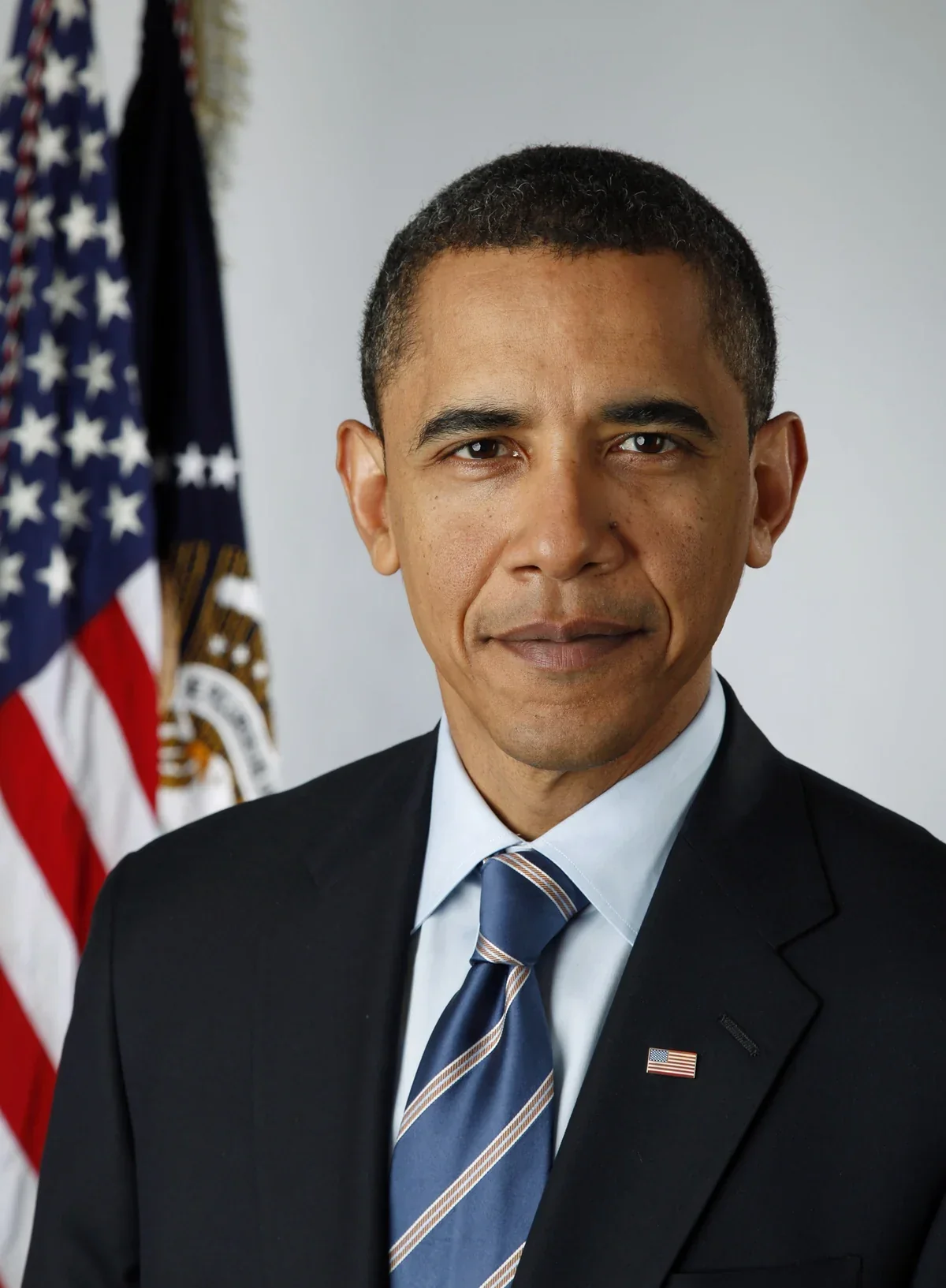
Former President Barack Obama joined Democratic Senate nominee Abdul El-Sayed in Detroit on October 24, appearing at Cass Technical High School as Michigan began its required statewide early in-person voting period. Jocelyn Benson, the Democratic nominee for governor, also participated. The gathering placed a former president alongside candidates asking voters to act before Election Day, rather than wait for the campaign’s final hours. Detroit Free Press coverage identified the event as a get-out-the-vote rally ahead of the November 3 election.
Obama’s appearance was announced earlier in October. The Associated Press described it as support for El-Sayed after a Democratic primary that had exposed divisions within the party. The difference between that advance announcement and Saturday’s event matters. An endorsement establishes a politician’s preference. A rally turns that preference into a public appeal directed at people who can now cast a ballot.
Michigan Public reported that Obama used the speech to criticize President Donald Trump’s administration over economic pressures and to encourage Democratic participation. He connected his argument about governing with the candidates appearing beside him. These were campaign arguments, and readers should distinguish the fact that Obama made them from an independent finding that every allegation was established.
The event’s immediate result is documented attention for El-Sayed and Michigan Democrats. It does not establish an election outcome. Obama is not a candidate in this contest. The Senate choice facing voters is between El-Sayed and Republican former congressman Mike Rogers. Their records, proposals and ability to persuade voters remain separate questions from the reception given to a former president. That distinction is central to understanding what happened in Detroit without turning a campaign appearance into a prediction.
Sources: Detroit Free Press — Detroit rally, October 24 ↗ · Associated Press — Obama’s planned appearance with El-Sayed ↗ · Michigan Public — reporting on the Detroit speech ↗ · MLive — crowd and polling context ↗
Why Obama’s support matters, and what polling can tell us
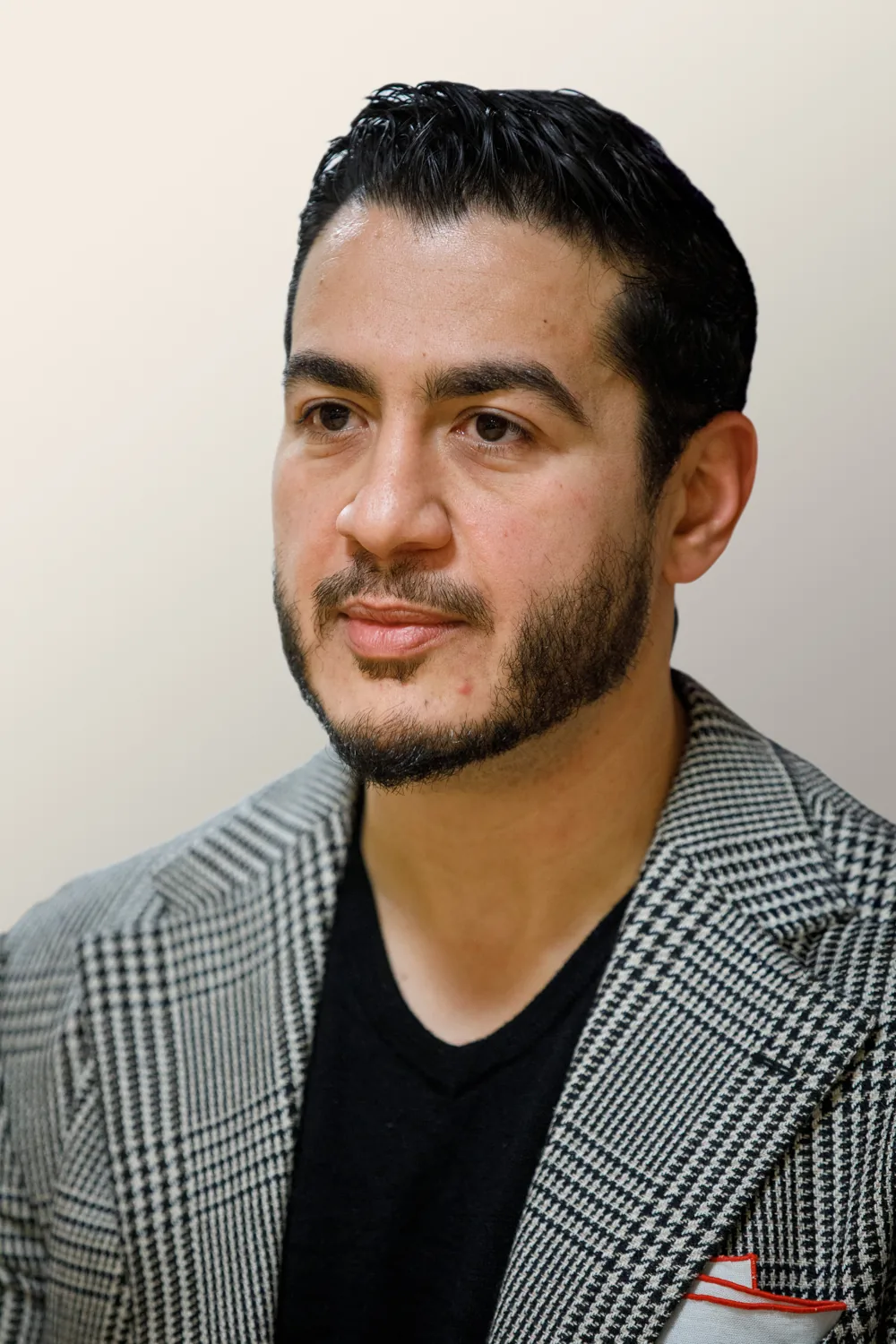
Obama’s involvement gives El-Sayed a connection to a former Democratic president at a moment when the party is seeking to bring its voters together. That is a political advantage in visibility, but visibility and voter choice are different measurements. A photograph of candidates sharing a stage can demonstrate cooperation. It cannot show that every voter in either politician’s coalition supports the other, or that disagreements from the primary have disappeared.
MLive reported before the event that hundreds of supporters lined up outside Cass Technical High School. It also reported that at least nine recent polls gave El-Sayed a slight advantage over Rogers, with all those findings inside their respective margins of error. The proper reading is a competitive race. The report does not justify presenting a small polling edge as a settled statewide lead, much less as a guaranteed victory.
VIRVIB analysis: there are two ways an appearance like this could matter. It could encourage people who already prefer the Democratic nominee to participate. It could also cause undecided voters to take another look at him. Those are different effects, and the rally alone supplies no measurement of either. Establishing persuasion would require evidence of changing voter preferences. Establishing mobilization would require evidence about participation, not just attendance at an event.
The same distinction applies to online attention. A speech clip may reach people outside Michigan, including people who oppose its message or cannot vote in the state. Sharing, viewing and voting are separate actions. This report therefore makes no claim that the Detroit rally was America’s most searched topic or that its audience represents the electorate. The evidence supports a narrower conclusion: Obama publicly supported El-Sayed during the closing stage of a competitive Senate campaign.
Sources: Associated Press — Obama’s planned appearance with El-Sayed ↗ · MLive — crowd and polling context ↗
Why this Senate contest has consequences beyond the rally
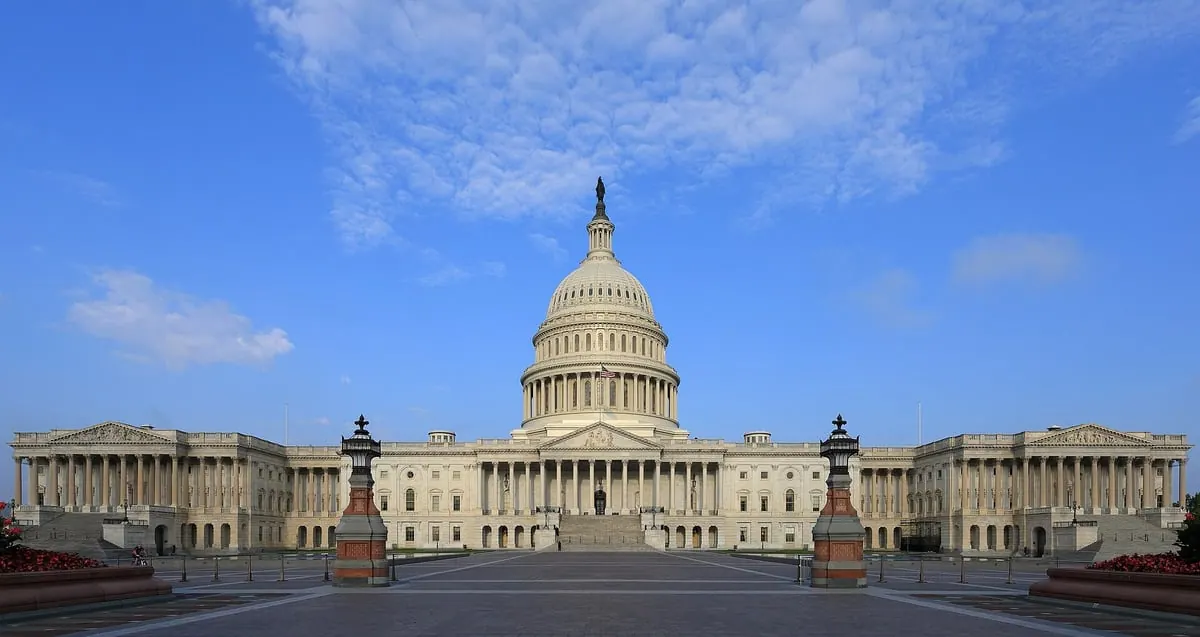
A Senate election determines who exercises powers that extend beyond campaign speeches. The U.S. Senate’s official account of its constitutional responsibilities explains that senators review presidential nominees for executive and judicial offices. The chamber also conducts investigations and considers legislation. That institutional role helps explain why a former president would invest time in a state contest even though the presidency itself is not being decided in the midterms.
The Senate also has a role in treaty approval, and its procedures can affect whether legislation advances. Its official explanation of the filibuster notes the three-fifths threshold for ending debate under the ordinary cloture rule. Those powers and procedures make the composition of the chamber consequential. They also show why winning a seat cannot, by itself, deliver every policy promise made from a campaign stage.
VIRVIB analysis: the distinction is between gaining influence and obtaining unlimited authority. A senator joins a collective body. Whether a proposal becomes law depends on votes, applicable procedures and other constitutional steps. An endorsement can help communicate the stakes, but it does not change those institutional requirements. Readers evaluating claims about what a candidate will accomplish should ask which specific action is proposed and what support would be needed to carry it out.
This is also why a national figure’s participation should not eclipse the candidates. Obama can make an argument about the direction of government, while voters still have to assess the people seeking office. El-Sayed’s campaign receives attention from his support, and Rogers remains the Republican alternative on the ballot. Neither a former president’s popularity nor a rally’s atmosphere substitutes for that choice. The significance of the Detroit event lies in the connection it attempted to make between national political debate and a decision Michigan voters themselves will make.
Michigan early voting dates and what happens next
Michigan’s Department of State lists November 3, 2026, as Election Day and October 24 through November 1 as the constitutionally mandated early voting period. That schedule gives the rally a practical context. The event coincided with the opening of the required statewide window, rather than simply arriving at an arbitrary point on the campaign calendar. The department also explains that communities may offer additional early voting days, so the statewide opening should not be described as the first opportunity any Michigan voter had to vote.
The state’s early voting guidance says voters must use an assigned early voting site. A location used on Election Day should not automatically be assumed to serve the same purpose during early voting. Voters can check their assigned location through Michigan.gov/Vote or contact their local clerk. Site availability and hours are administrative facts to verify with election officials, rather than infer from a campaign invitation or a social media post.
The Department of State also lists October 19 as the deadline to register by mail or online for this election. From October 20 through November 3, new registrations for the November election must take place in person. Anyone seeking to register during that period should consult the state’s instructions and local clerk about the applicable requirements. Those official resources are relevant regardless of which candidate a voter supports.
VIRVIB analysis: the next test is whether the candidates convert attention into participation and support. That cannot be answered from the rally’s attendance or from polling figures inside the margin of error. The verified development is Obama’s public appearance for El-Sayed as the statewide voting window opened. The result will be decided through ballots, not the reaction inside the gymnasium. Until election results establish the outcome, the Detroit rally is a documented campaign development with an unresolved electoral effect.
Sources: Michigan Department of State — 2026 election dates ↗ · Michigan Department of State — early voting instructions ↗
Prepared with AI assistance. Source-based reporting checked on 2026-10-25. This article does not update automatically. Read our editorial standards.