The final count leaves three groups, with no governing agreement
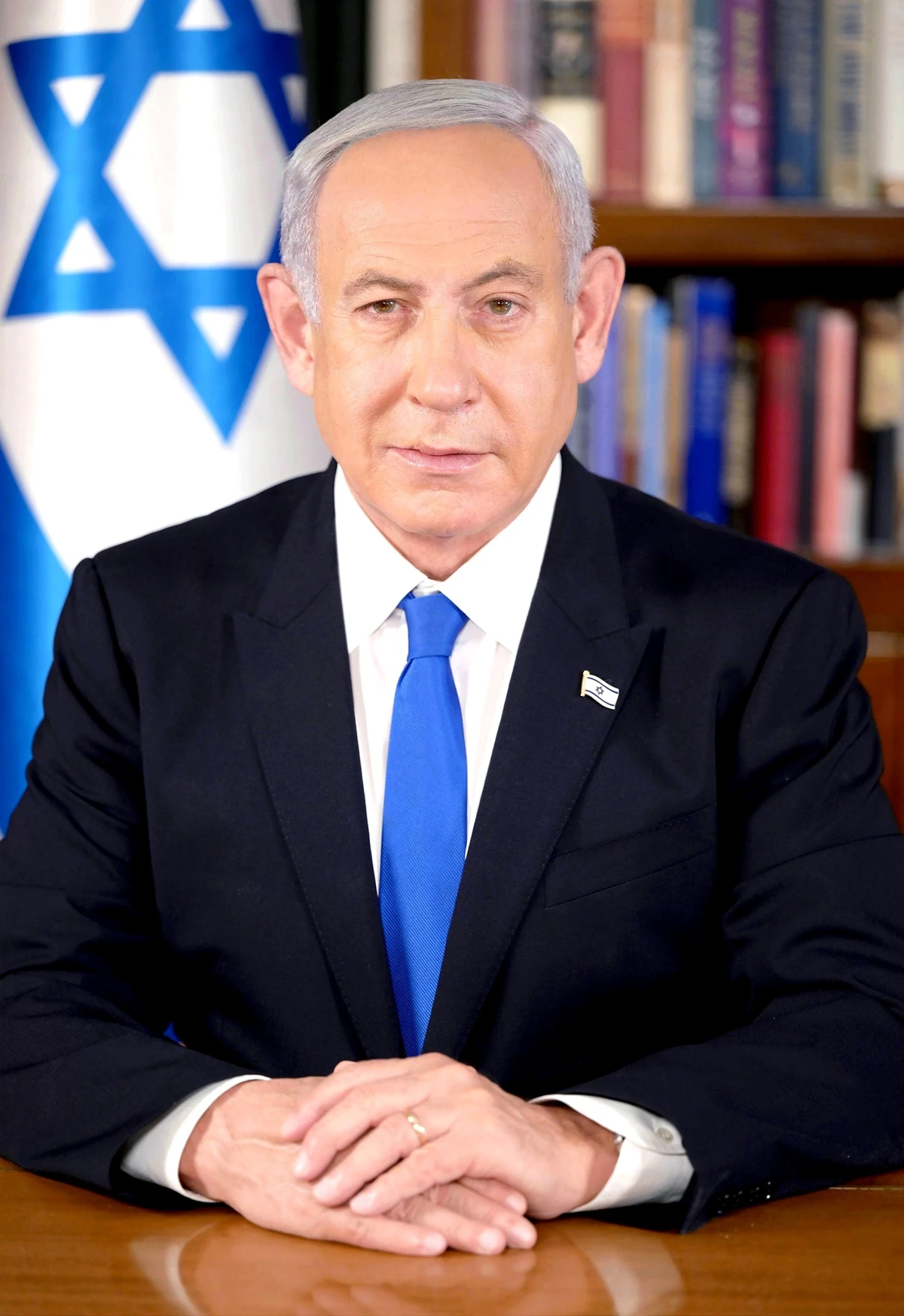
Israel’s October 27, 2026 election has produced a clear parliamentary tally without producing an agreed next government. Final-count reporting published on October 30 gives Benjamin Netanyahu’s bloc 53 seats, the opposition camp associated with Gadi Eisenkot 48, and the two Arab-led parties 19. The Times of Israel and the Associated Press report the same division. Netanyahu’s Likud is the largest individual party, but its first-place finish does not by itself award the premiership.
The party allocations reported by The Times of Israel are Likud 27; Yashar 21; B’Yachad, or Together, 12; the Joint List 11; The Democrats and Ra’am eight each; Yisrael Beytenu, United Torah Judaism and Otzma Yehudit seven each; and Shas and Religious Zionism six each. These figures sum to all 120 Knesset seats. They describe the parliamentary distribution, rather than a signed agreement among the parties to govern together.
The Central Elections Committee’s spokesperson statement, reproduced in the October 30 public reporting archive linked below, gives turnout as 77.9 percent and the total counted vote as 5,716,665. It separates 5,690,778 valid votes from 25,887 invalid votes. The Times of Israel independently reports the turnout and total-vote figures. VIRVIB reviewed the reproduced statement and corroborating reporting; the committee’s interactive results website did not provide an accessible live table during this check.
The word final also needs its date attached. The committee statement describes completed counting and an initial review, while allowing minor corrections during further checks. The reported timetable calls for submission to President Isaac Herzog on November 4. The new Knesset is scheduled to be sworn in on November 10. Those are different events, and neither the presidential submission nor the parliamentary opening should be described as having happened already on October 31.
For coalition arithmetic, 61 seats are the familiar working-majority benchmark. Netanyahu’s 53 are eight short, while the opposition camp’s 48 are 13 short. The 19 seats held by the Joint List and Ra’am could change possible combinations, but the two parties are distinct organizations, not a single automatically available voting bloc. The numbers establish the size of each group. They do not establish that any group has accepted another’s conditions or agreed on who should lead.
Sources: The Times of Israel — October 30 final-count report ↗ · Associated Press — October 30 coalition obstacles ↗ · CEC spokesperson statement — reproduced in October 30 public reporting archive, not a direct official data feed ↗ · The Times of Israel — final allocations and November 4/10 timetable ↗ · Law Library of Congress — election system and continuity of government ↗
How the results become a government

Israel’s system makes the distinction between a winning party and a governing majority especially important. The Law Library of Congress explains that voters choose candidate lists in a single national proportional election for the 120-member Knesset. Lists must pass a threshold of 3.25 percent of valid votes to participate in seat allocation. The vote therefore decides parliamentary representation first; it is not a separate nationwide ballot directly electing the next prime minister.
That also explains why a near-threshold party’s performance can matter beyond its own supporters. Votes for a list that does not qualify do not translate into a small parliamentary delegation simply because it attracted some support. Conversely, smaller qualifying parties can be essential partners for a larger party trying to assemble reliable backing. These are features of the electoral system, not evidence that a particular small party has already agreed to join a government.
The next formation stage belongs to the president and the elected parties. Israel Policy Forum’s process guide describes consultations in which parties recommend a candidate, followed by the assignment of a mandate to a Knesset member considered capable of forming a government. The initial candidate ordinarily has 28 days, with presidential extensions totaling up to 14 additional days. A mandate gives someone an opportunity to negotiate; receiving it is not the same as taking office as prime minister.
A prospective government must then obtain a Knesset confidence vote. The practical attraction of 61 seats is a working majority for legislation, budgets and continued support. The process guide also explains that an investiture vote can be won by a simple majority of votes cast, allowing a minority arrangement if other lawmakers abstain or are absent. It would therefore be misleading to say that every conceivable government must contain 61 coalition members, or that an arithmetic minority can never take office.
Government continuity prevents the negotiation period from leaving the country without an executive. The Law Library of Congress describes the outgoing government continuing its functions until a new government is formed, alongside judicial expectations of restraint in appropriate circumstances. Netanyahu’s continuation during talks is thus a consequence of the transition framework. It does not demonstrate that he has secured a new coalition, just as an opposition party’s increased parliamentary leverage does not establish that it has replaced him.
Sources: Law Library of Congress — election system and continuity of government ↗ · Israel Policy Forum — mandates, confidence votes and minority arrangements ↗
The political choices behind the arithmetic
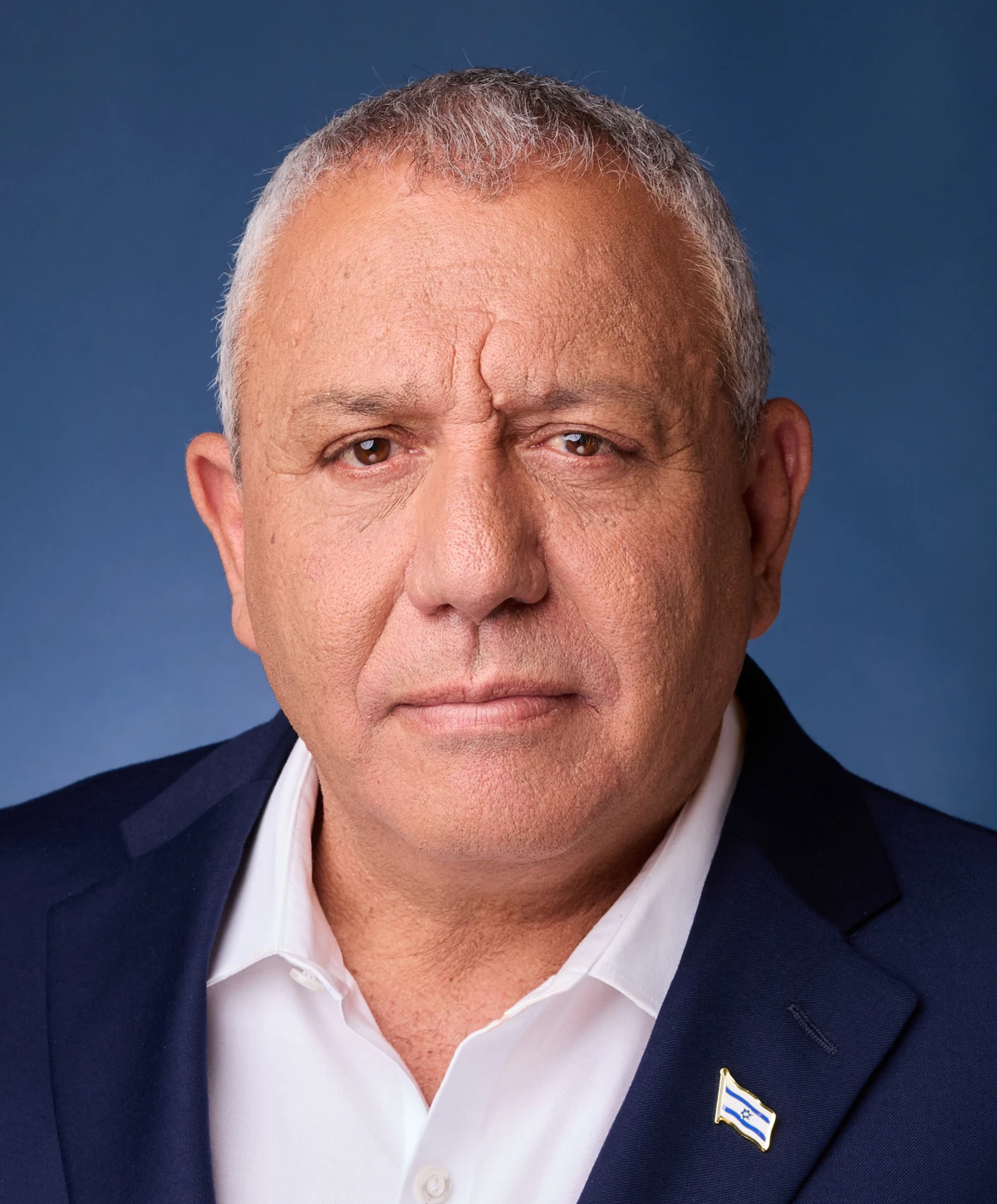
Reuters’ October 29 analysis outlined several possible routes out of the deadlock: a broader unity arrangement, an Eisenkot-led minority government with outside Arab-party support, a Netanyahu attempt to attract support from outside his existing camp, or another election if formation efforts fail. These were scenarios, not agreed outcomes. The final-count division confirms why those possibilities are being discussed, without resolving which one the parties will pursue successfully.
One illustrative unity combination described by Reuters brings together Likud, Yashar, Together and Yisrael Beytenu. Using the reported final party totals, that combination would have 67 seats: 27 plus 21 plus 12 plus seven. The arithmetic here is VIRVIB’s calculation from the final allocations, rather than a claim that those parties have negotiated a 67-seat agreement. It also differs from the 66-seat illustration in Reuters’ earlier, pre-final-count scenario report.
The opposition’s potential reliance on Arab-led parties raises a different problem. Adding all 19 Arab-party seats to the opposition camp’s 48 yields 67, but a numerical majority says nothing about whether each participant accepts the partnership. AP reported that Avigdor Lieberman had ruled out cooperation with Arab-led parties. Outside support, abstention and formal cabinet membership are also different arrangements. Treating them as interchangeable conceals the actual decisions that leaders would have to make.
For Netanyahu, recruiting additional backing would require changing the present alignment rather than merely restating that Likud finished first. For Eisenkot, building a viable alternative would require resolving disagreements among parties whose shared opposition to Netanyahu does not necessarily extend to every potential coalition partner. The practical test is whether their positions produce enough parliamentary support for a proposed government. Public expectations and hypothetical sums cannot substitute for that support.
The next developments to watch are the scheduled submission of results, presidential consultations, any mandate assignment and concrete announcements of parliamentary backing. If negotiations fail, further formation procedures apply before another election becomes the outcome; a repeat vote should not be presented as already scheduled. The supported conclusion at this update is narrower and more useful: the final-count reporting leaves neither principal camp with a working majority on its own, Netanyahu remains in office during the transition, and the identity and composition of the next government remain unresolved.
Sources: The Times of Israel — October 30 final-count report ↗ · Associated Press — October 30 coalition obstacles ↗ · The Times of Israel — final allocations and November 4/10 timetable ↗ · Israel Policy Forum — mandates, confidence votes and minority arrangements ↗ · Reuters — October 29 coalition scenarios; earlier seat illustration distinguished in this update ↗
Why this story is in the editionGoogle Trends U.S. RSS was reviewed October 31, 2026; its latest snapshot was dominated by live sports queries. This substantive update was selected from verified current reporting and a review of VIRVIB’s older election-day explainer. No current feed position, ranking or search volume is claimed.
Prepared with AI assistance. Source-based reporting checked on 2026-10-31. This article does not update automatically. Read our editorial standards.