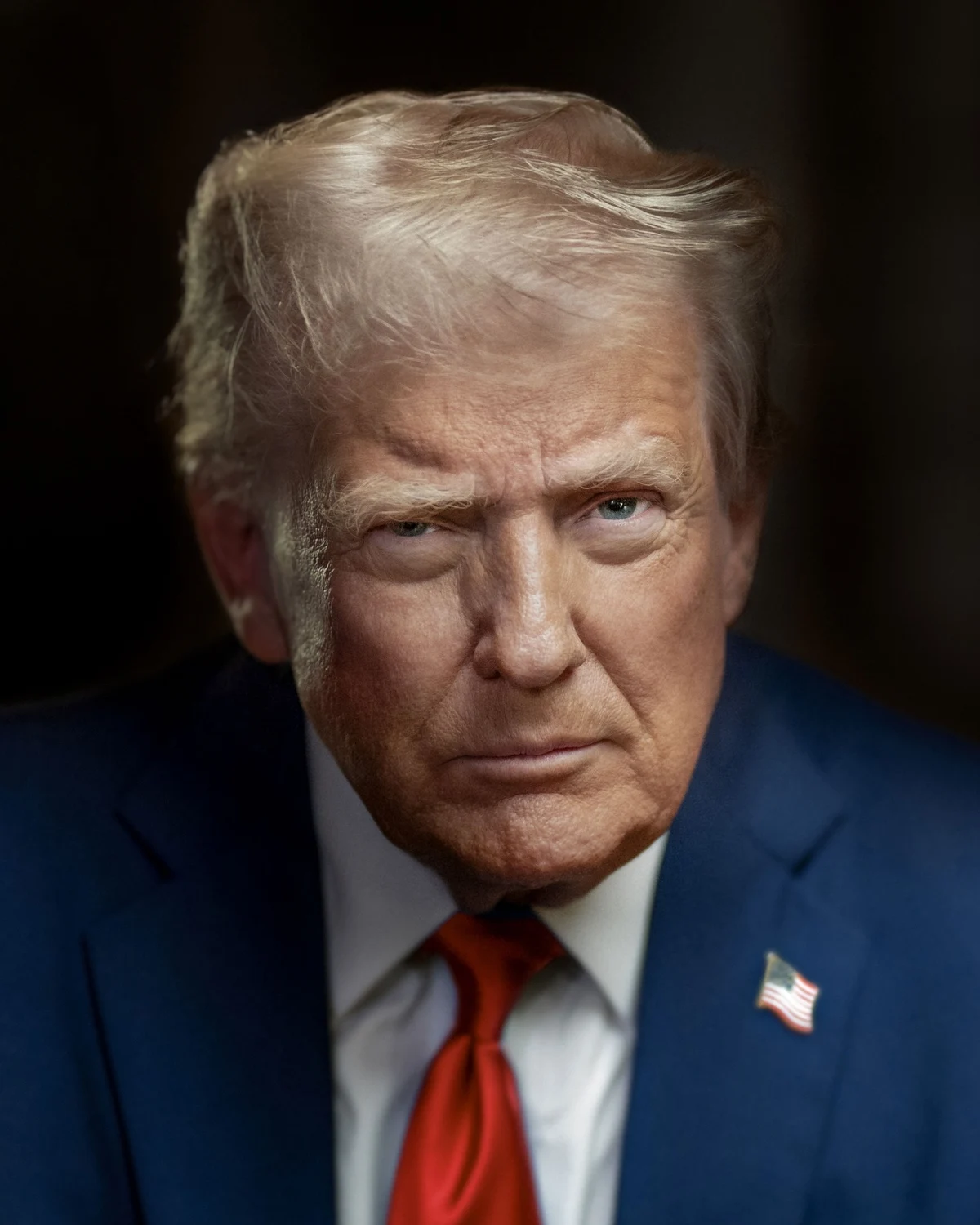
Eight nominees, different elections and possible firsts
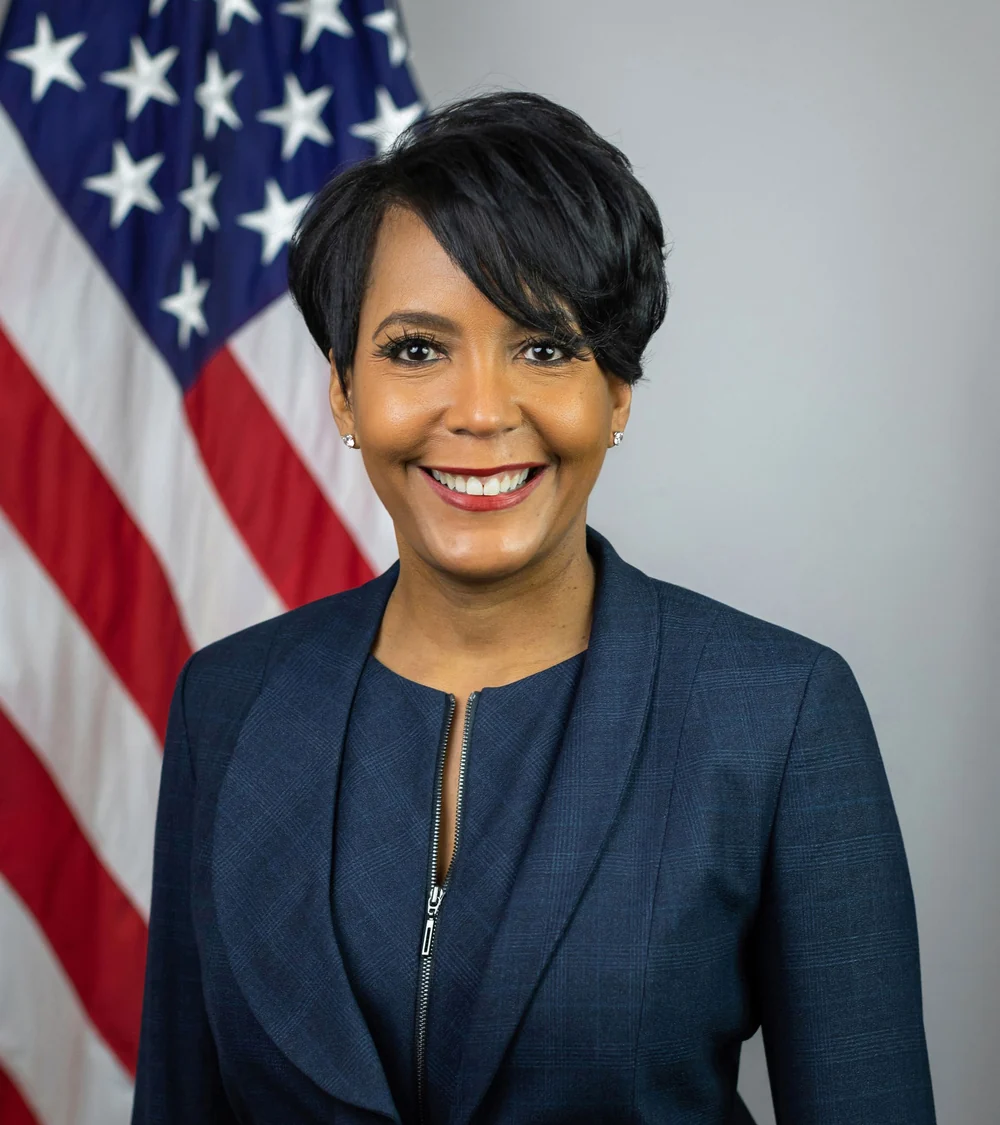
Eight Black major-party candidates are on the ballot for governor in 2026, creating the possibility of several historic victories on November 3. CNN’s October 28 report places Keisha Lance Bottoms in Georgia and Byron Donalds in Florida at the center of that story. They are running in different states, for different parties and on different platforms. Their shared place in a national milestone does not make them opponents in a single election.
The field includes five Democrats: Bottoms, Maryland Governor Wes Moore, Wisconsin’s David Crowley, Nevada’s Aaron Ford and South Carolina’s Jermaine Johnson. Republicans have nominated Donalds in Florida, John James in Michigan and Lisa Demuth in Minnesota. CNN describes the eight nominees as a record for one cycle. That is a measure of candidacies, not eight predicted victories or eight new governors.
Bottoms could become the first Black woman elected governor in the United States. A Republican victory among the three GOP nominees could produce the first Black Republican elected to a governorship. Moore is seeking another term, which means his candidacy belongs in the count of nominees but would not add a newly elected person to the historical total if he wins reelection.
Those distinctions help explain the central reader question: why does this election matter beyond a list of names? Representation at the top of state government has expanded slowly. Yet each voter is choosing someone to exercise executive power, propose budgets and lead a particular state. The historic significance and the governing choice exist together. Neither supplies an automatic answer to the other.
VIRVIB analysis: the eight races should be followed as eight contests. A national narrative can reveal a barrier shared by candidates across party lines, but it cannot substitute for the electorate, opponent and policy arguments in each state. This article does not assign a win probability or describe a candidate as certain to win. It examines the documented milestones, the historical baseline and the concrete proposals that allow readers to look beyond the symbolism.
Sources: CNN — October 28 report, syndicated by KESQ ↗ · NewsLooks — eight nominees and party affiliations ↗
What Bottoms and Donalds say they would do
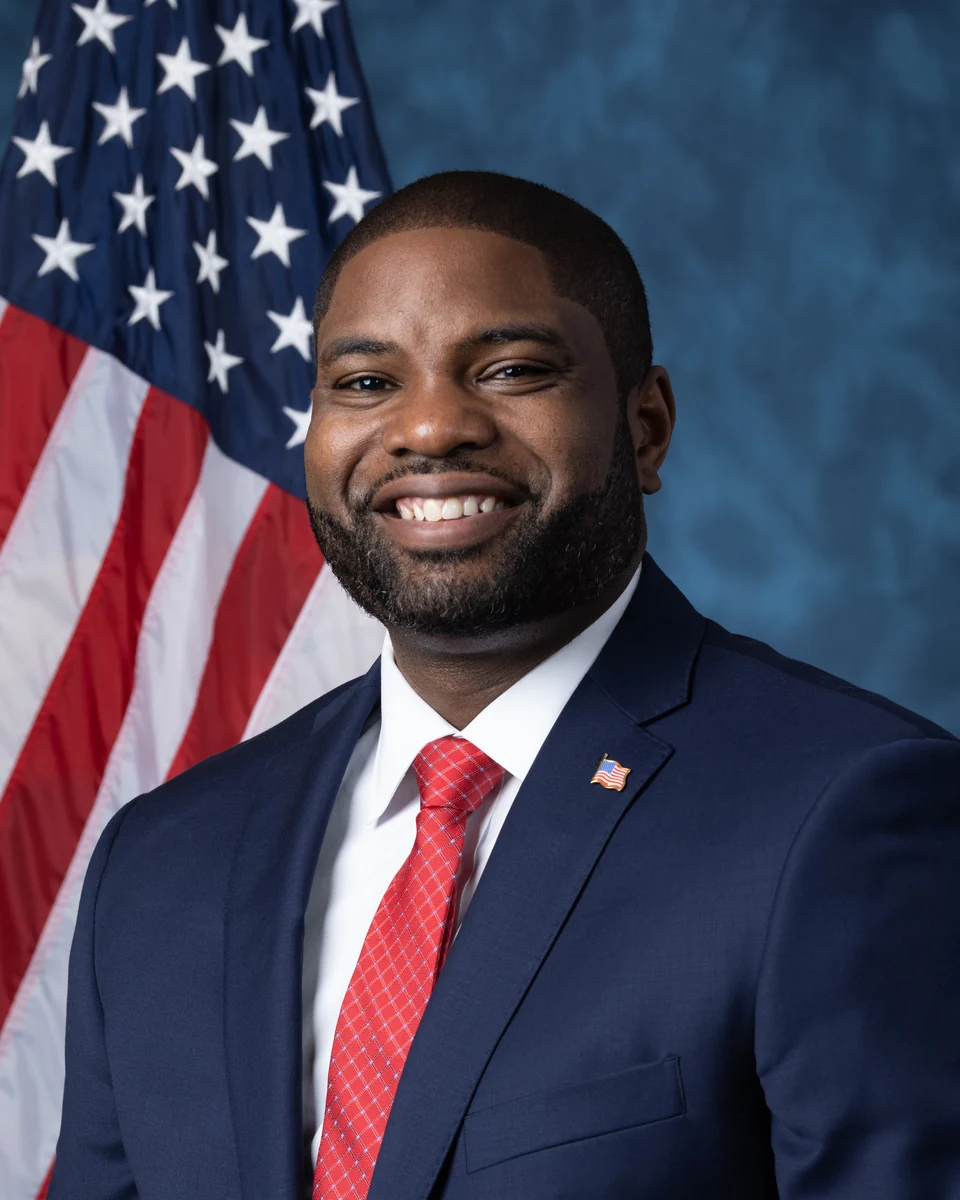
Bottoms’ published issues agenda makes health care a central dividing line. Her campaign proposes expanding Medicaid and replacing Georgia Pathways, alongside measures aimed at rural hospitals, maternal health and prescription costs. These are campaign commitments, not changes already enacted. Assessing them requires asking how a governor would work with the legislature, what a proposal would cost and which residents would qualify.
Her housing platform calls for faster permitting, coordination of development, assistance for renters and prospective homeowners, and an affordable-housing trust fund. The education agenda includes changes to school funding, literacy and early learning, universal childcare, tax relief for teachers and a path to free technical and community college. Her public-safety proposals combine more investigative resources with prevention, treatment, diversion and reentry measures.
Bottoms also proposes allowing local governments to eliminate or temporarily suspend sales taxes on groceries and essentials. The precise claim is about giving local leaders that option. It is not a promise that a governor alone can remove every tax from every purchase. Her campaign’s own description provides a useful starting point for questions about authority, funding and implementation.
Donalds’ economic agenda takes a different approach. His campaign proposes publishing permit applications with deadlines on an open state website, combining major development reviews in one digital hub and using specialized business courts for complicated commercial cases. It also commits to maintaining Florida’s zero personal state income tax. Those are his campaign’s stated priorities, rather than an independent assessment that each would produce its promised result.
His broader platform highlights health-care price transparency, third-grade reading, vocational opportunity, public safety and affordability. That makes a policy comparison more useful than an assumption that two Black candidates will share an agenda. Some concerns, such as household costs and the pace of permitting, overlap in subject. The proposed mechanisms, political coalitions and state circumstances differ.
VIRVIB analysis: a fair comparison starts with what a proposal changes. Would a permitting deadline change processing time, or also the standards applied to a project? Would a tax reduction remove a cost, shift it elsewhere or require replacement revenue? Would an education proposal need a new appropriation? These are questions for both parties. Asking them does not deny the significance of representation; it treats the candidates as prospective governors whose plans deserve scrutiny.
Campaign pages are primary evidence of what a candidate promises. They are not neutral audits of feasibility, costs or likely effects. This article therefore attributes the plans to their campaigns and makes no claim that the benefits have been independently demonstrated. Readers comparing the candidates should also remember that Georgians and Floridians will vote in separate contests. This national comparison is about contrasting approaches, not a sample ballot for either state.
Sources: Keisha for Governor — published issues agenda ↗ · Byron Donalds campaign — economic proposals ↗ · Byron Donalds campaign — platform overview ↗
The history behind the milestone, and what November can decide
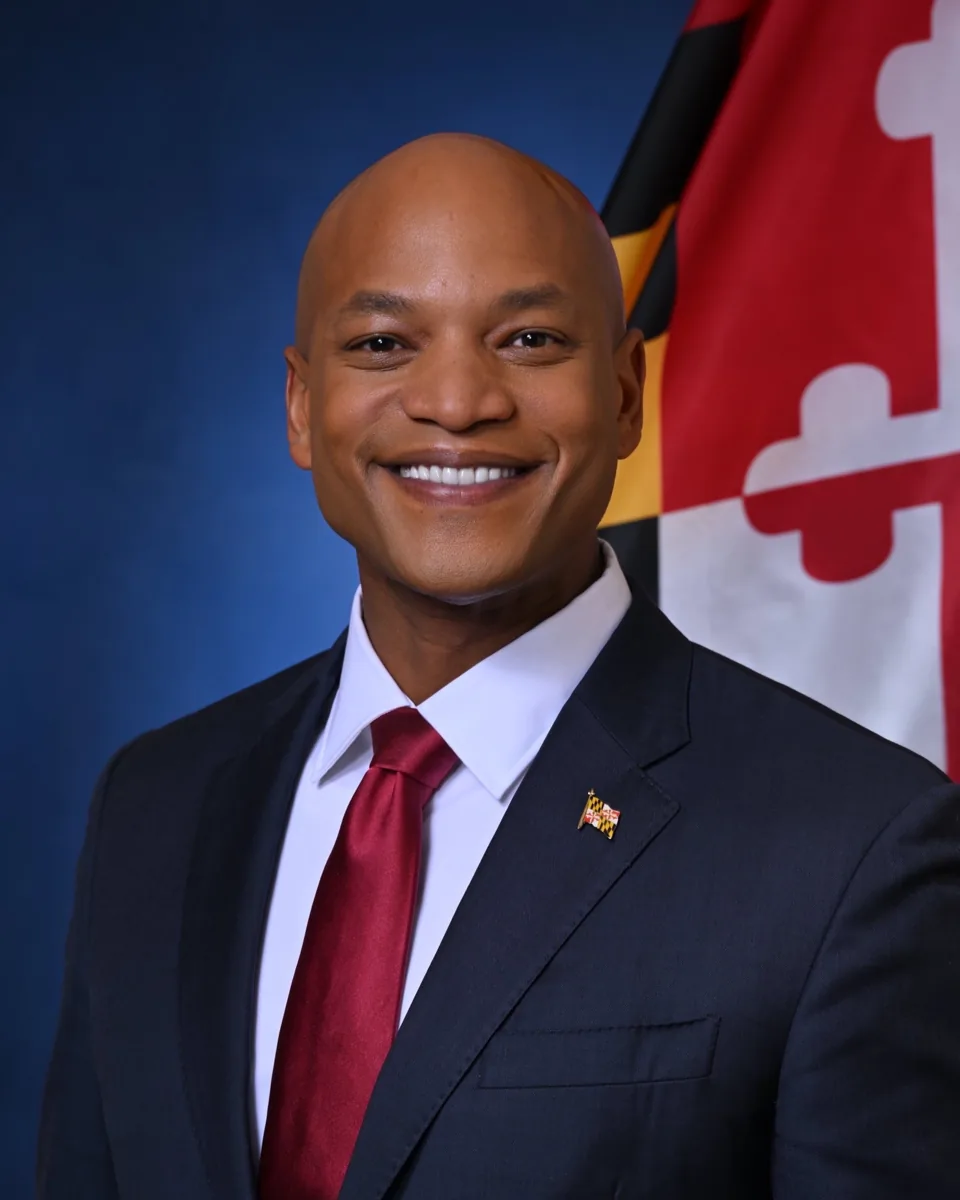
The National Governors Association identifies L. Douglas Wilder as the first Black American elected governor of a U.S. state. Virginians elected him in 1989, and he served from 1990 to 1994. His earlier career included election to the Virginia Senate and then the lieutenant governorship. The election year and the year he took office are different, which explains why accounts can cite either 1989 or 1990 when describing his breakthrough.
The Library of Virginia places that election in a longer history of Black voting rights and public office. Its account distinguishes Wilder’s popular election from the earlier service of P. B. S. Pinchback in Louisiana. The NGA’s Pinchback biography records that he assumed the governorship in December 1872 after Governor Henry Warmoth was removed amid impeachment charges. He served for 36 days, until January 1873.
This distinction prevents a misleading headline. The potential 2026 milestone is a first elected Black Republican governor, not the first Black Republican ever to serve as governor. Reaching office through succession and winning a statewide election are different historical measures. A short headline should preserve that qualification rather than erase a predecessor to make a modern candidacy appear more unprecedented.
Deval Patrick’s Massachusetts victory in 2006 followed Wilder’s breakthrough. Moore became the third Black person elected governor when he won Maryland in 2022. His NGA biography identifies him as Maryland’s first Black governor. The often-cited total of three therefore counts people elected to the office. It does not mean that only three Black people have ever exercised gubernatorial authority through every form of succession or acting service.
VIRVIB analysis: history also needs a clear denominator. Eight nominees can mark a record even if only some win. A reelected incumbent can remain part of a historically significant field without increasing the number of distinct people elected. A first for a state, a first for a party and a first for a Black woman are separate achievements. They should not be added together as though they measure the same thing.
November 3 will determine which candidates receive enough votes to win their contests, subject to the applicable counting and certification processes. A campaign appearance, endorsement or enthusiastic crowd is not a result. Nor does one state’s outcome establish what Black voters nationally think about either party. The candidates, their supporters and their critics contain differences that a single demographic label cannot resolve.
The useful next step in this story is to connect certified outcomes with the powers and promises of the people who take office. If several candidates win, the historical change will be substantial. Their records in government will still have to be evaluated individually. On October 28, the documented development is the breadth of the field and the possibility of new milestones. The voters have the decision ahead of them.
Sources: National Governors Association — L. Douglas Wilder ↗ · National Governors Association — P. B. S. Pinchback ↗ · Library of Virginia — Wilder and the historical distinction ↗ · National Governors Association — Wes Moore ↗
Prepared with AI assistance. Source-based reporting checked on 2026-10-28. This article does not update automatically. Read our editorial standards.