A civil defeat with a specific defendant and a specific record

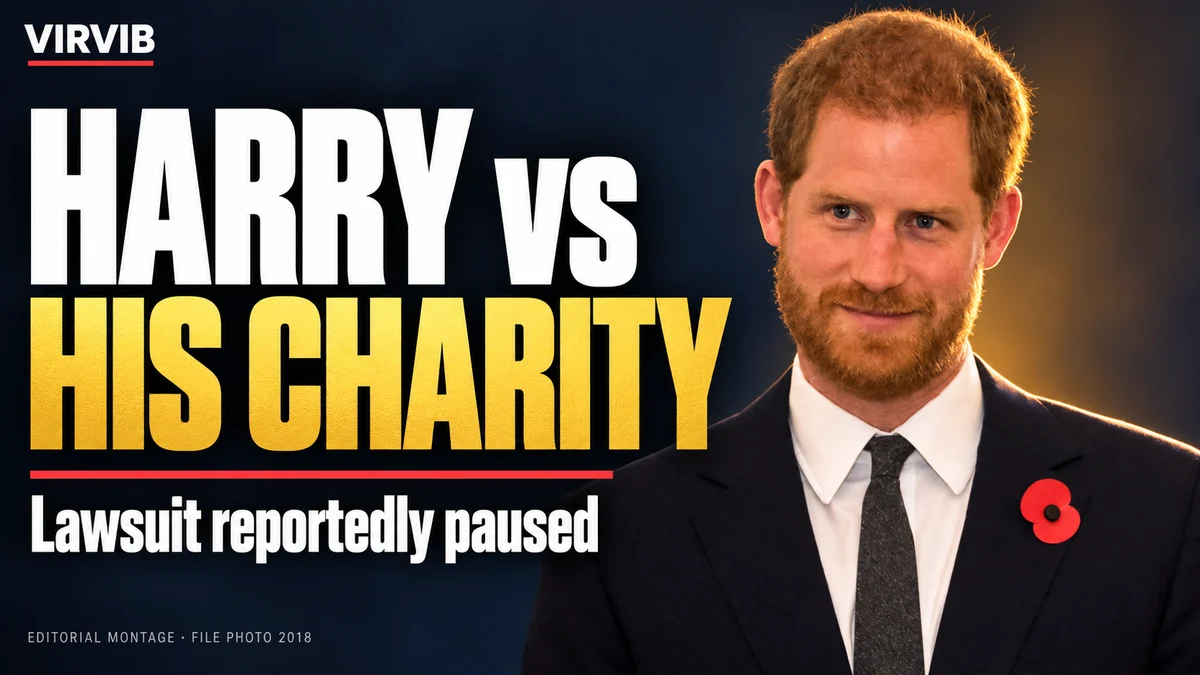
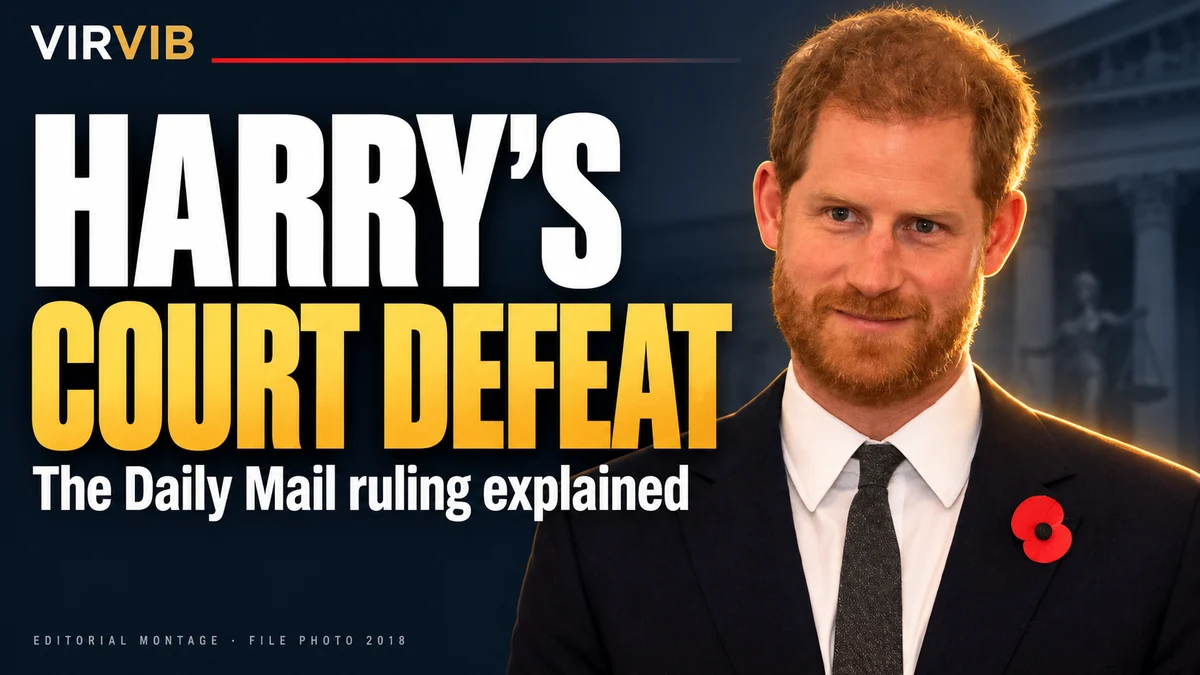
Prince Harry and six other claimants lost their privacy case against Associated Newspapers in July 2026. The ruling was a major setback in a campaign that had produced earlier successes against different publishers. It is also a case whose meaning can be distorted in both directions: it should not be minimized as a minor technicality, and it should not be expanded into a judgment that every complaint Harry has ever made about the press was false.
The High Court judgment in Lawrence and Others v Associated Newspapers concerned allegations of unlawful information gathering in connection with particular stories and incidents. The defendant publishes the Daily Mail and Mail on Sunday. The claimants included Doreen Lawrence, Elton John, David Furnish, Elizabeth Hurley, Sadie Frost and Simon Hughes alongside Harry. Meghan was not one of the seven claimants identified in that judgment.
Mr Justice Nicklin dismissed the claims. The central evidential problem was that the claimants had to establish unlawful sourcing in the specific cases pleaded. Private information appearing in a newspaper did not, by itself, prove the unlawful route alleged. The distinction is important because a privacy claim needs evidence connecting the complained-of publication to the asserted misconduct, not simply a conclusion that the information was personal or difficult to obtain.
Reuters reported criticism of the judgment from Harry and Lawrence, while Associated characterized it as a victory for its journalism and press freedom. Those are reactions from opposing sides. They do not alter the court's decision. Nor does a strongly worded response amount to proof that an appeal has succeeded. The account established by the materials reviewed here is a substantive civil defeat followed by a further decision about costs. Neither should be described as a criminal conviction of the claimants or as a universal finding about all British journalism.
Sources: Judiciary — Lawrence and Others v Associated, July 2026 judgment ↗ · Reuters — July 7 outcome and both sides’ responses ↗ · Associated Press — July 7 judgment and earlier cases ↗
The costs order was substantial, but not a personal final bill for Harry

The financial consequences became clearer in August. The consequential judgment ordered a payment on account of £9,544,355. It was a global payment for the claimants, with allocation issues and detailed assessment left for the appropriate process. Reporting that entire amount as Harry's personal final bill would therefore misstate both the people covered and the provisional character of the payment.
The court ordered costs on the indemnity basis and declined to impose the cap sought by the claimants. That was significant, but it did not mean the defendant could automatically recover every pound it claimed. The judgment expressed concern about the scale of Associated's costs and left questions of recoverability to assessment. A payment on account, a claimed total and a final assessed amount describe different stages.
Costs specialists Kain Knight highlighted another distinction: the judge did not find that the seven claimants had been dishonest in their evidence. The costs decision instead addressed the cumulative conduct and scale of the litigation, including serious allegations that could not properly be maintained. That is a reason to describe the court's criticism accurately rather than turn an adverse order into an accusation of perjury.
The costs ruling also helps explain the stakes of celebrity litigation beyond the damages being sought. A claimant can lose the substantive case and face substantial exposure to the opponent's recoverable costs. Here, the public documents supply a specific interim figure and a framework for determining more. They do not establish from the material reviewed whether every sum has been paid, how the claimants privately share liabilities or what any insurer ultimately covers. Those financial questions require their own documents or attributable confirmation.
Sources: BAILII — August 21, 2026 consequential costs judgment ↗ · Reuters — August 21 payment on account reporting ↗ · Kain Knight — explanation of the August costs decision ↗
The Mirror and Sun cases had different outcomes

Harry's earlier case against Mirror Group Newspapers did not end in the same way. Sky News's account of that litigation describes an award of £140,600 in relation to 15 of the 33 articles examined at trial. The judgment found unlawful information gathering in those instances. Those findings concern that publisher, those claims and that evidence. They are not undone because a later claim against Associated failed.
Associated Press's July reporting also recalled the subsequent settlement with the publisher of The Sun, including an apology and substantial damages. A settlement has its own terms and should not be presented as the same procedural event as a fully contested trial judgment. It nevertheless belongs in the history because it shows why the July defeat cannot accurately be summarized as Harry losing every case he brought against a newspaper.
The reverse inference would be equally mistaken. Success against one company does not prove misconduct by another. A court must evaluate the defendant and material before it. The history explains the wider campaign and the public attention, but it cannot substitute for evidence in a separate action. That separation is particularly important when several familiar newspaper titles appear in a headline or a retrospective timeline.
Reuters's July analysis treated the Associated defeat as a blow to Harry's broader effort to hold the press accountable. That is an interpretation of the campaign's practical result, not a rule that earlier decisions cease to matter. Readers can recognize a serious setback while keeping the record intact. The accurate chronology contains an award, a later settlement and a defeat against a different publisher, followed by costs proceedings. Reducing it to an uninterrupted winning streak or a total fabrication removes the very distinctions that make the legal record useful.
Sources: Sky News — the separate Mirror Group case ↗ · Associated Press — July 7 judgment and earlier cases ↗ · Reuters — July 2026 analysis of Harry’s press litigation ↗
The unresolved debate is broader than the court’s finding

The July judgment also prompted a response from ARTICLE 19, a freedom-of-expression organization. It argued that the outcome exposed limits in relying on individual litigation to answer wider questions about media accountability. That is an advocacy position, and it should be identified as one. Its argument does not reverse the dismissal or supply findings the court declined to make.
The organization's response also emphasized a distinction within the judgment: evidence about historical practices and the use of private investigators did not by itself establish liability for each particular publication. This explains why a ruling can reject claims while leaving room for a broader debate about journalism and regulation. A civil action decides the pleaded dispute under the applicable evidential standard. It is not necessarily a public inquiry into an industry's entire history.
For the next report, the meaningful developments would be an actual appeal decision, a further costs ruling or an attributable agreement changing the position. A new interview expressing disappointment, hope or a desire to move on is relevant to Harry's public stance, but it does not have the effect of a legal order. The date matters too: the dismissal occurred in July and the payment-on-account decision in August. Republishing them in October should not imply that a new judgment has just been delivered.
The established result is significant enough without embellishment. Associated defeated the claims brought against it. The claimants faced a substantial costs order. Earlier outcomes involving other publishers remained separate. A wider argument about press accountability continued among litigants, publishers and advocacy groups. That is the documented story, with its consequences and its limits. It permits scrutiny of Harry's decisions to litigate without converting a civil setback into an unsupported allegation about his honesty or Meghan's involvement in a case she did not bring.
Sources: Judiciary — Lawrence and Others v Associated, July 2026 judgment ↗ · ARTICLE 19 — media-accountability response to the ruling ↗
Why this story is in the editionSelected for documented recent coverage or a current connection to ongoing reporting. This is an editorial selection, not a ranking of worldwide searches or audience demand.
Prepared with AI assistance. Source-based reporting checked on October 25, 2026. This article does not update automatically. Read our editorial standards.