
What House Democrats released—and what the report does not decide
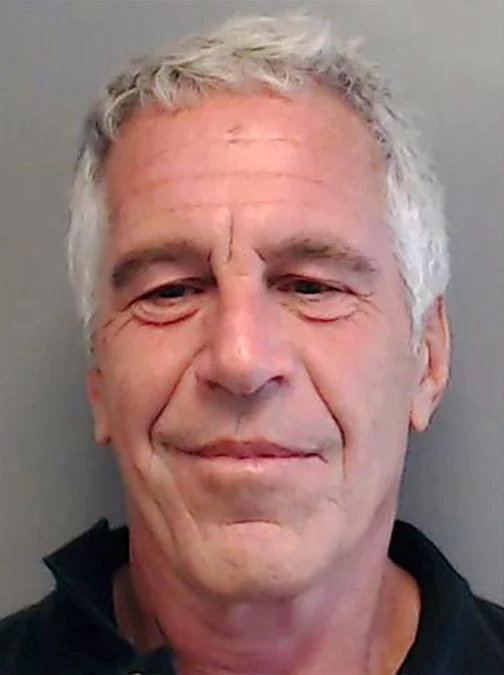
House Judiciary Committee Democrats have called for a special counsel to examine President Donald Trump’s past relationship with Jeffrey Epstein, returning the disclosure controversy to the campaign’s closing stretch. AFP reported the demand on October 26, eight days before the November 3 midterm elections. The immediate development is a congressional staff report and a request for an investigation. It is not an announcement that a special counsel has been appointed or that a court has ruled on the report’s allegations.
The 53-page document, published by the committee’s Democratic staff and released by ranking member Jamie Raskin, assembles accounts involving 11 women. Its authors say five directly accuse Trump of rape or sexual assault in Epstein’s company or presence. The report argues that the material justifies a criminal investigation and accuses the Justice Department and FBI of obstructing accountability. Those are the Democratic staff’s allegations and conclusions, not findings adopted by a court or a bipartisan committee judgment.
The White House rejected the allegations as false and politically motivated, the Daily Beast reported. Trump denies involvement in Epstein’s crimes.
The report’s discussion of individual women draws on different kinds of material, including earlier public accounts and released investigative records. The authors highlight Beatrice Keul’s account as receiving its first comprehensive presentation in the document. This article does not independently establish her allegation or the other claims, and it does not reproduce graphic descriptions. A witness account, an interviewer’s summary and a prosecutor’s decision answer different questions. Their inclusion in the same report does not erase those differences.
VIRVIB analysis: the scrutiny should begin with provenance. Who made an allegation, when was it recorded, what supporting material is identified, and has a person or institution responded? A congressional staff report can organize evidence and press officials to act. It cannot substitute for the process required to test disputed facts. Political timing does not itself establish that an accusation is true or false. The responsible way to assess this release is to examine its sources, preserve the denials and follow the institutional response without treating the cover of a report as a verdict.
Sources: AFP — October 26 special-counsel request ↗ · House Judiciary Democrats — October 2026 staff report ↗ · The Daily Beast — White House response and Trump’s denial ↗
A special counsel request is separate from the evidence-sharing dispute
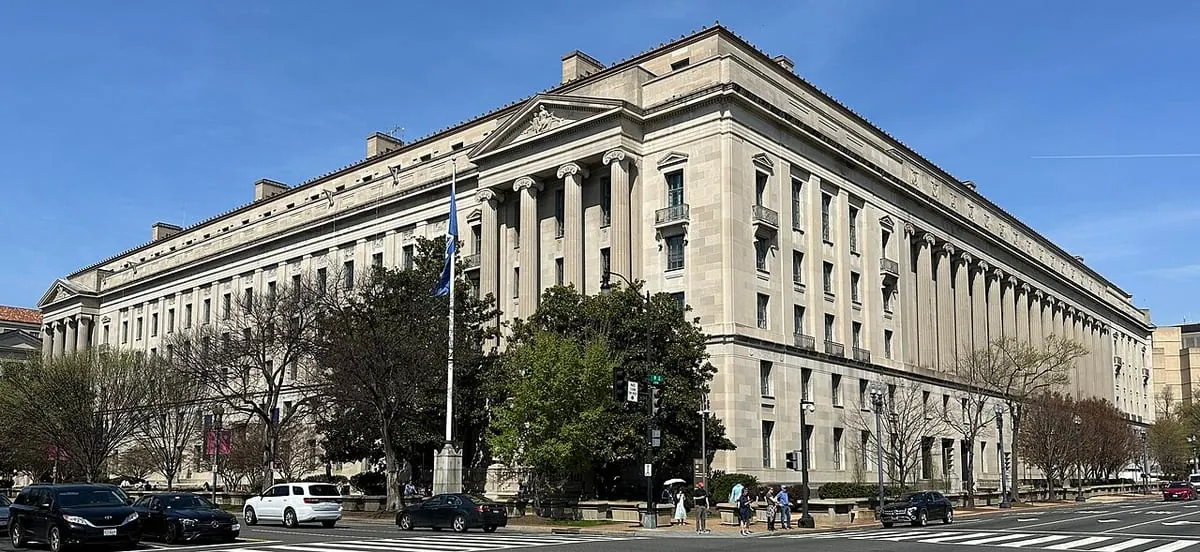
Federal regulations describe how a special counsel can be appointed. Under 28 CFR Part 600, the attorney general—or acting attorney general when the attorney general is recused—determines whether a criminal investigation is warranted, whether a departmental conflict or extraordinary circumstances exist, and whether an outside counsel would serve the public interest. The rules also allow an initial inquiry or continued handling through ordinary departmental processes.
A counsel selected under those regulations comes from outside the U.S. government. The attorney general defines the matter to be investigated. The counsel operates without day-to-day supervision, but remains subject to Justice Department policies and specified oversight. At the end, the counsel provides a confidential report explaining prosecution or declination decisions. “Independent” therefore does not mean an investigator entirely disconnected from the department or a guaranteed public trial. A demand from lawmakers does not by itself complete these appointment steps.
Raskin’s separate October 21 letter raised a more immediate records question. Addressed to Attorney General Todd Blanche and the director of the Office of International Affairs, Vaughn Ary, it challenged the department’s reported refusal to help other jurisdictions investigate Epstein-related conduct. Raskin accused the department of blocking accountability and sought information about evidence-sharing decisions. The letter should be read as an oversight demand making contested claims about official conduct, rather than as a judicial ruling that obstruction occurred.
The Washington Post reported on October 22 that the requested records concerned foreign legal-assistance requests and decisions involving state and local investigators. It said the department confirmed it was reviewing Raskin’s request. That reporting also described a separate dispute over New Mexico’s access to unredacted records. These questions concern cooperation between investigators; they are not identical to the public’s ability to search an online document library.
VIRVIB analysis: the distinction gives readers a more concrete way to follow developments. One issue is who would investigate and under what authority. Another is whether an existing investigator receives evidence through an appropriate channel. A public release may omit information for privacy reasons while an authorized investigative request raises a different access question. Evaluating a refusal requires its stated basis and the applicable process, not merely a count of pages online. The next useful update would identify an appointment decision, a substantive response to the letter, or a documented resolution of an evidence request. A repetition of a campaign accusation would not establish any of those outcomes.
Sources: Electronic Code of Federal Regulations — 28 CFR Part 600 ↗ · Jamie Raskin — October 21 evidence-cooperation letter ↗ · The Washington Post — DOJ evidence-sharing dispute ↗
Disclosure, survivors’ privacy and the established criminal record
The Justice Department’s Epstein Library describes its holdings as material responsive to the Epstein Files Transparency Act and says additional documents may be added if identified for release. Its page warns that handwritten or differently formatted records can produce incomplete or unreliable electronic searches. That limitation matters when someone claims a name is absent because one search returned no result. A search interface is a tool for locating records, not an independent finding about every document in a collection.
The library also acknowledges the possibility that private information may have been disclosed inadvertently despite redaction efforts. It provides a reporting channel for material that should not have appeared. Its description says victim names and identifying information have been redacted, including through tones in audio records. This creates two distinct accountability questions: whether the government has released the records it should, and whether it has protected people whose private information should not be circulated.
Federal victim-rights protections provide a relevant standard. The Crime Victims’ Rights Act includes fair treatment and respect for a victim’s dignity and privacy, alongside protections concerning participation in proceedings, notice and restitution. These rights explain why demands for transparency should not be simplified into a demand to expose every detail about every survivor. Publishing identifying information is not a substitute for investigating alleged offenders or explaining an agency’s decisions.
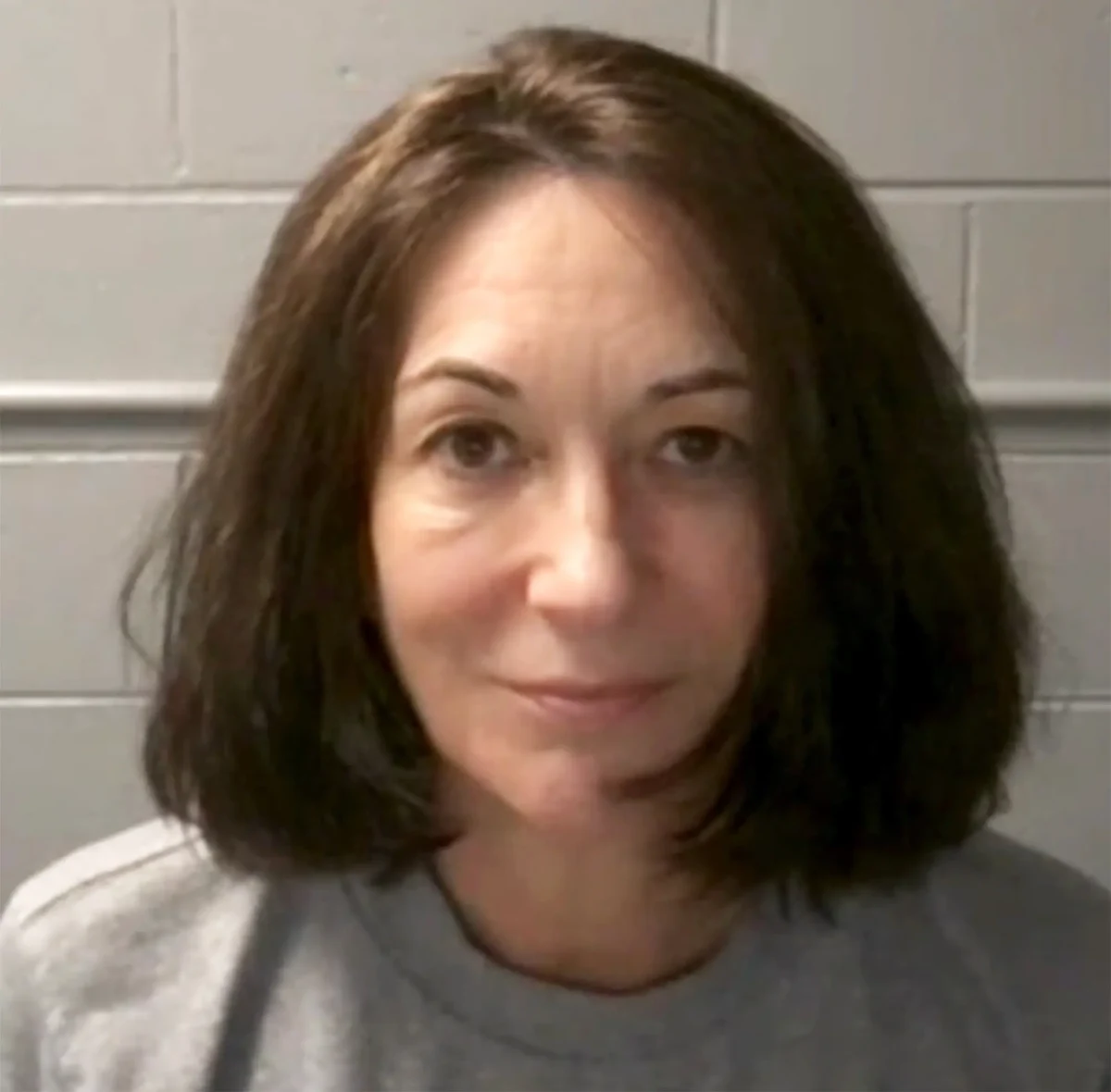
The established criminal record also needs to remain separate from the new political dispute. The Southern District of New York announced that Ghislaine Maxwell received a 20-year prison sentence on June 28, 2022, following a jury’s December 2021 guilty verdict. The convictions concerned her role in recruiting and facilitating the sexual exploitation of minors with Epstein. That outcome followed a prosecution and trial. It does not make every person mentioned in Epstein-related files an accomplice, and it does not resolve every later allegation against someone else.
VIRVIB analysis: readers should resist both shortcuts—assuming that every released allegation is proven, or assuming that an uncharged allegation is necessarily fabricated. The appropriate description depends on the evidence and procedural status of each claim. For the October 26 report, the verified development is a demand by House Democrats for further investigation, met by a White House denial. Whether officials appoint a counsel, provide requested records or take another documented step remains the question to follow. The sources below separate that current dispute from the regulations, privacy safeguards and prior conviction that provide its context.
Sources: Justice Department — Epstein Library and disclosure information ↗ · Justice Department — Crime Victims’ Rights Act ↗ · Southern District of New York — Maxwell sentencing ↗
Prepared with AI assistance. Source-based reporting checked on 2026-10-27. This article does not update automatically. Read our editorial standards.