Wembanyama’s career night still needed a final stop
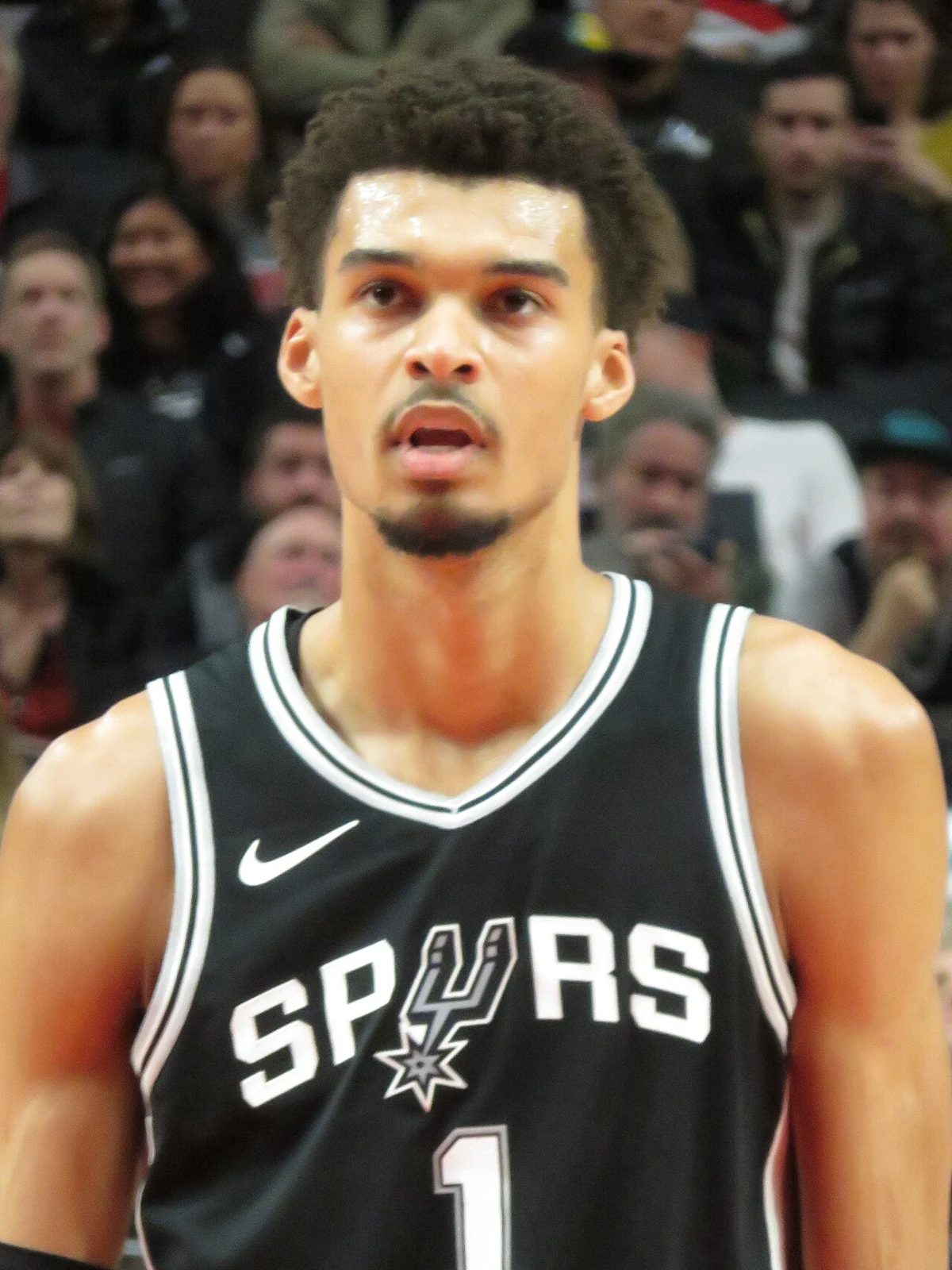
Victor Wembanyama scored a career-high 52 points and collected a career-high 24 rebounds as the San Antonio Spurs beat the Dallas Mavericks 112–111 at Frost Bank Center on November 4, 2026. He also blocked eight shots. The Associated Press and theScore independently reported the performance, while the NBA’s final game record confirms the result. San Antonio improved to 6–2. Dallas fell to 4–4.
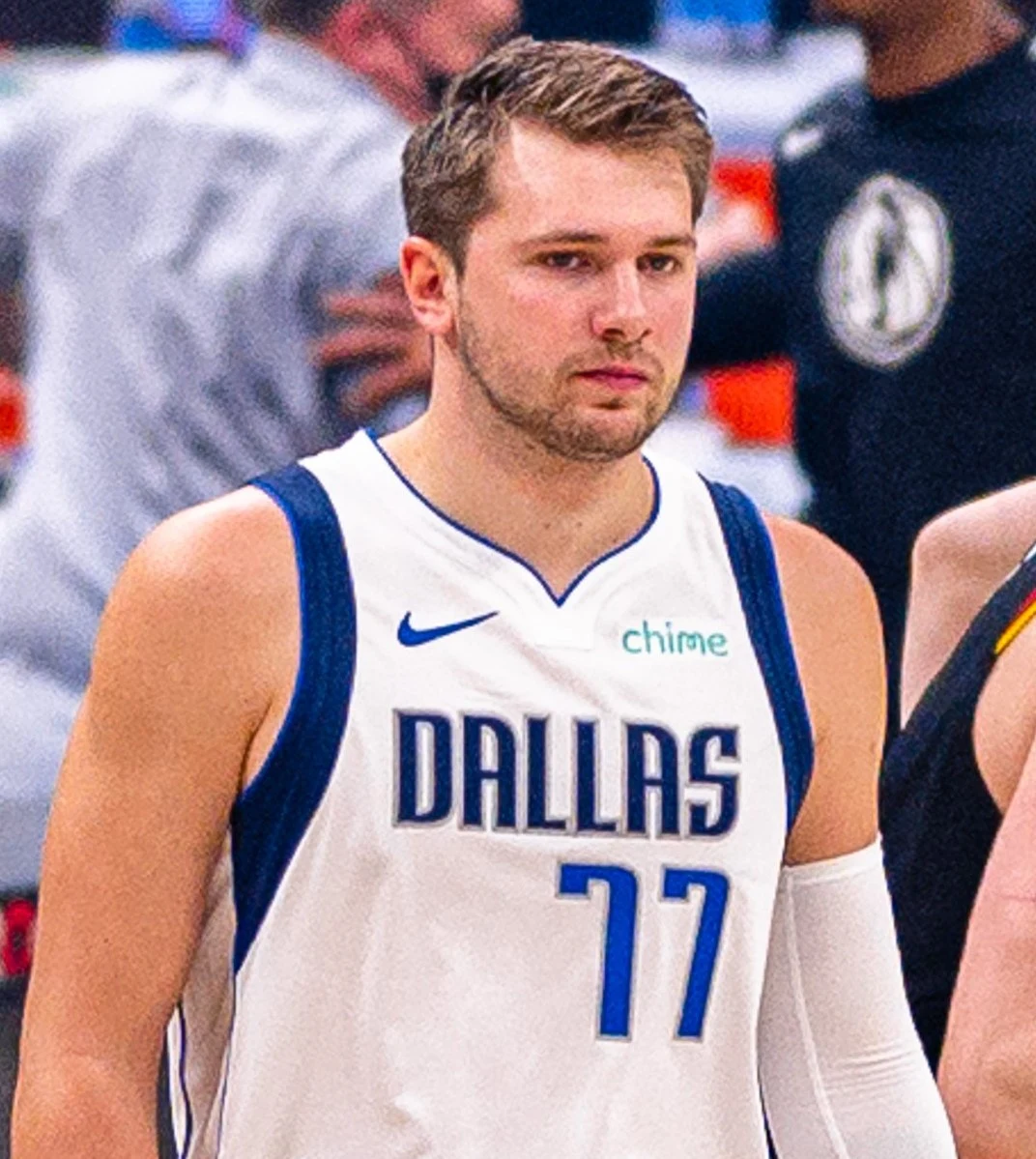
The margin tells a different story from the individual totals. Dallas still had an opportunity to win on its last possession. The NBA’s play-by-play records Wembanyama missing the first of two free throws with 24.2 seconds remaining, then making the second to put San Antonio ahead by one. Kyrie Irving missed a turnaround attempt with 2.5 seconds left, and Dylan Harper took the rebound. Wembanyama’s scoring had provided the lead. That final defensive possession preserved it.
Earlier in the closing stretch, a second chance had pushed the center past 50. Harper missed a layup with 1:49 remaining, with P.J. Washington credited with a block. Wembanyama recovered the ball and made a tip layup two seconds later, reaching 51 points and putting the Spurs ahead 111–108. Naji Marshall answered with a three-pointer assisted by Cooper Flagg. The game was tied again before the final minute and a half.
Those sequences matter because they show how little separation remained after Wembanyama’s extraordinary production. A missed San Antonio shot became two points through an offensive rebound. Dallas then needed only one successful outside attempt to erase that advantage. Neither team scored another field goal after Marshall’s equalizer. The decisive point came at the foul line, followed by several unsuccessful possessions and the last rebound.
The AP reported that Wembanyama had 29 points, 15 rebounds and five blocks by halftime. San Antonio led 68–51 after winning the first quarter 32–26 and the second 36–25. Dallas responded by outscoring the Spurs 29–22 in the third and 31–22 in the fourth. Across the second half, the Mavericks therefore recovered 16 points of a 17-point deficit.
VIRVIB analysis: this was a record-setting individual night inside a game that remained undecided until the last seconds. Calling it a comfortable Spurs victory would omit the central competitive fact. The early scoring built a cushion, but Dallas’s recovery required San Antonio to finish a much tighter contest than the halftime score suggested.
How 52 points compensated for San Antonio’s shooting
Wembanyama made 16 of 28 field-goal attempts, including one of eight from three-point range, and converted 19 of 23 free throws. The NBA credits him with nine offensive rebounds and 15 defensive rebounds, two assists, two steals and only one turnover in 34 minutes and four seconds. His scoring combined a high number of attempts with efficiency inside the arc and repeated trips to the line.
VIRVIB calculations from the official box score show the shape of that production. Removing his three-point attempts leaves 15 makes in 20 two-point attempts, or 75%. His 52 points accounted for 46.4% of San Antonio’s 112. The other Spurs combined for 21 makes in 67 field-goal attempts, approximately 31.3%. Those comparisons explain why his offense mattered so much on a night when the team as a whole struggled to make shots.
San Antonio finished five-for-36 from three, compared with Dallas’s 14-for-37. The Mavericks gained 27 more points from beyond the arc. The Spurs answered by making 32 two-point baskets to Dallas’s 25, a 14-point advantage, and by converting 33 free throws to Dallas’s 19, another 14-point advantage. Those two differences exceeded the three-point deficit by precisely the final one-point margin.
That arithmetic describes where the scoring difference came from. It does not establish that every foul was created by a particular strategy or that the same approach would work against another opponent. It does show why the outside-shooting comparison alone cannot explain this result. San Antonio won despite making fewer field goals overall, 37 to 39, because the value and composition of those scoring trips differed.
Harper supplied 21 points on nine-for-15 shooting. Stephon Castle added 17 points and 10 rebounds, while De’Aaron Fox scored 10. Devin Vassell finished without a field goal in eight attempts but contributed seven rebounds, four assists, two steals and a block. His steal from Marshall with 1:24 left interrupted a Dallas possession after the Mavericks had tied the score. An unsuccessful shooting night did not remove his influence on the finish.
VIRVIB analysis: Wembanyama’s rebounding and ball security accompanied his scoring rather than simply decorating the box score. Offensive rebounds extended possessions, while defensive rebounds could end Dallas opportunities. His one turnover limited one obvious cost of handling such a substantial offensive workload. The numbers support describing a performance across several parts of the game, without treating the final score as the work of one player alone.
Dallas’s comeback and the next test for both teams
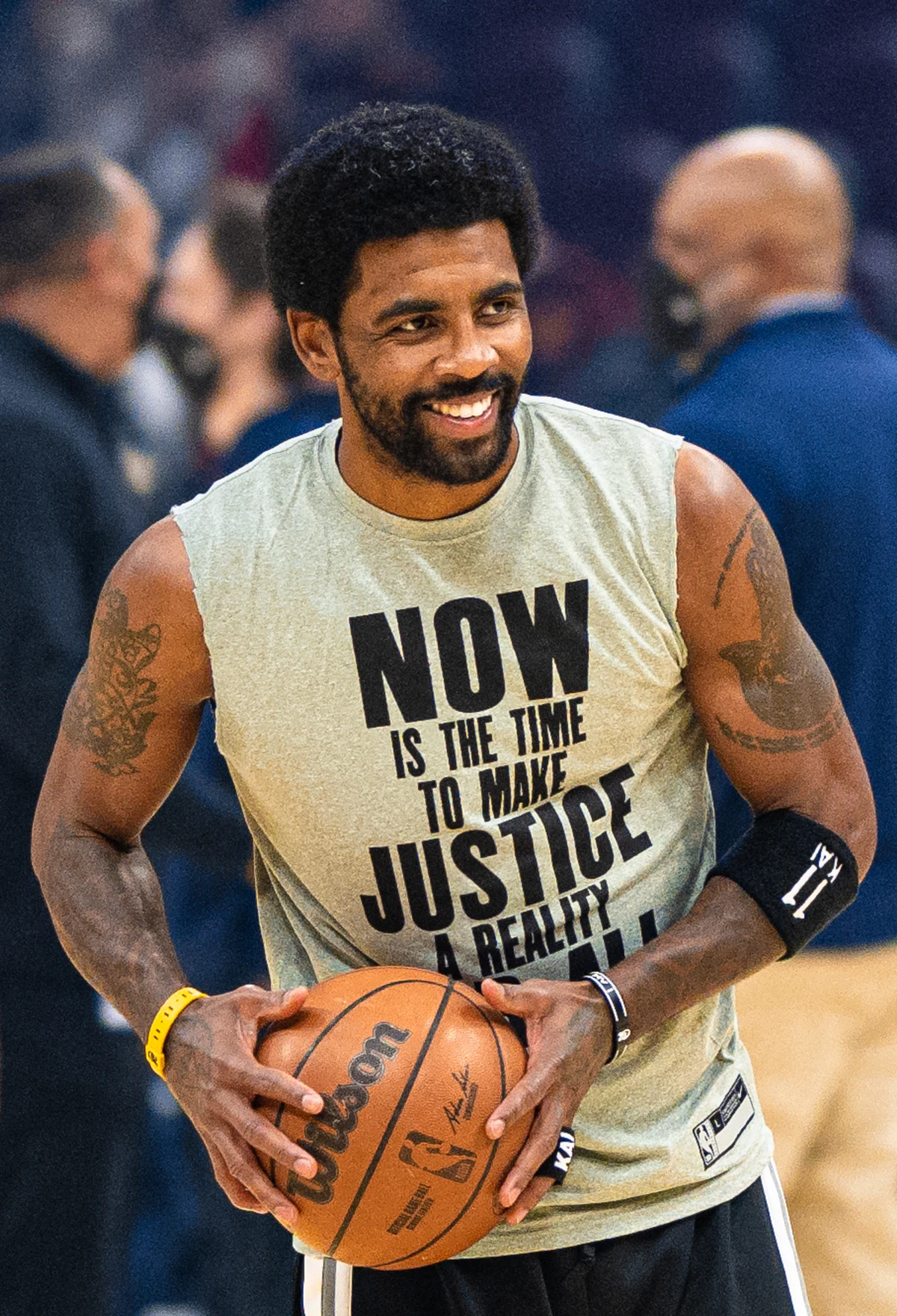
Irving led Dallas with 29 points, seven rebounds and five assists. He made nine of 27 shots, including five of 14 threes. Marshall scored 22 on nine-for-12 shooting and made all three of his three-point attempts. Washington contributed 21 points and 10 rebounds. Flagg added 19 points, 10 rebounds and five assists. Dallas had four scorers reach at least 19, giving its comeback several contributors.
Marshall’s line shows why the Mavericks remained threatening even though Irving needed 27 attempts to reach his total. Dallas could generate points from another efficient scorer and from Washington’s three outside makes. Flagg’s pass for Marshall’s late tying basket connected two of those contributors on the possession that erased San Antonio’s final three-point lead. The last shot went to Irving, but the comeback had broader support.
The official record also puts Dallas’s shooting in context. The Mavericks made 38.2% of their field goals, marginally below San Antonio’s 38.9%, yet their three-point production kept the score close. They committed eight turnovers to the Spurs’ 10. Conversely, Dallas made 19 of 26 free throws while San Antonio made 33 of 39. Each team had an advantage in a different part of the possession and scoring record.
Wembanyama finished plus-23 during his minutes. The AP reported that San Antonio was minus-22 when he was off the floor. That split is striking in a one-point game, but it is an on-court team differential, not a calculation of how many points he personally created or prevented. Teammates, opponents and the timing of substitutions all contribute to the number. It reinforces the importance of his minutes without isolating individual causation.
The win was San Antonio’s sixth in succession, according to the AP. The next scheduled assignments are on Friday, November 6: the Spurs visit Sacramento, while the Mavericks host Utah. Those games offer different tests from Wednesday’s matchup. San Antonio will try to extend its run after surviving a weak outside-shooting night. Dallas will attempt to turn the production that fueled its recovery into a result that does not depend on the final attempt.
What the November 4 record establishes is narrower than a season prediction and more substantial than a scoring headline. Wembanyama reached new career highs, Dallas recovered almost all of a large halftime deficit, and San Antonio won through the combination of two-point scoring, free throws and its final stop. The next result will add to the season’s evidence. This one remains a one-point win built around a 52-point performance.
View sources
Source publication or schedule date: Game November 4, 2026; official records and reports checked November 5.
Prepared with AI assistance. Source-based reporting checked on November 5, 2026. This article does not update automatically. Read our editorial standards.