Stephen Curry scores 44 as Golden State survives in Minnesota
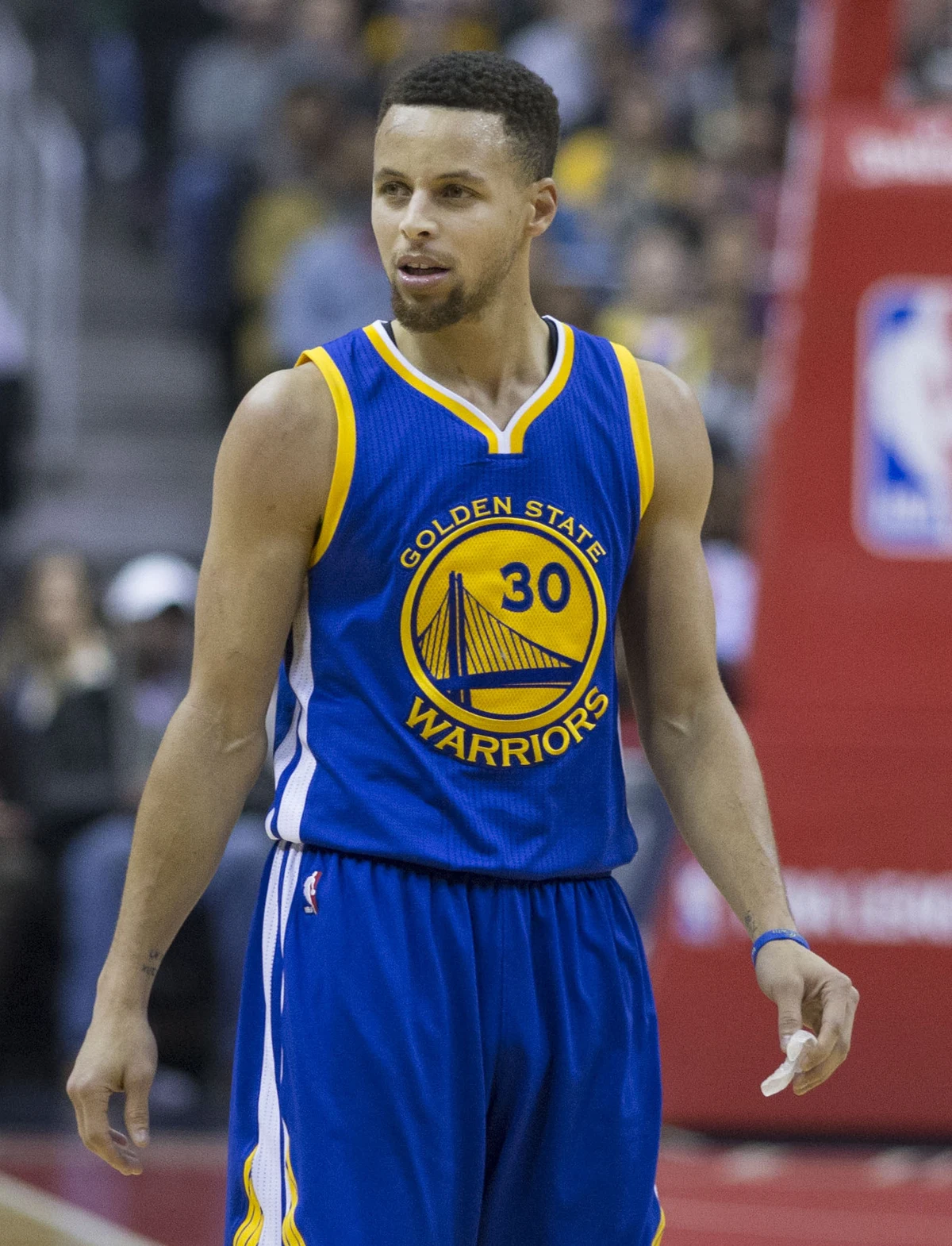
Stephen Curry scored 44 points as the Golden State Warriors beat the Minnesota Timberwolves 119–114 at Target Center on October 28, 2026. The final result is confirmed by NBA game data and independent reporting from Reuters/Field Level Media and Sportsnet. Curry’s night included six three-pointers and a perfect 16-for-16 at the free-throw line. The visitors built a substantial lead, then needed a clean finish to leave Minneapolis with the win.
The first two quarters created the platform. Golden State won the opening period 30–23 and the second 34–25, producing a 64–48 halftime advantage. Minnesota won both remaining quarters 33–29 and 33–26. That reduced the gap to 12 entering the fourth and five at the finish. These are the official quarter scores, rather than a reconstruction based on a highlight package that might leave out possessions between the biggest plays.
Curry’s scoring line also shows why 44 points should not be reduced to a three-point shooting story. He made 11 of 27 field-goal attempts. Six of the makes were threes, worth 18 points; the other five baskets were worth 10. His 16 free throws supplied the remaining 16 points. VIRVIB’s calculation therefore divides the total into 18 from distance, 10 inside the arc and 16 at the line.
That distribution matters when assessing efficiency. Curry shot 40.7 percent from the floor and 37.5 percent from three, but those percentages do not include the points earned at the line. His perfect free-throw shooting gave Golden State a dependable scoring source alongside the field goals. He also contributed eight rebounds and six assists, so his influence was not confined to the points column.
VIRVIB analysis: a large scoring total can arise in different ways, and the distinction affects how a game should be described. Here, the free throws were central to the arithmetic of Curry’s production. The box score establishes what he made; it does not, by itself, establish a defensive scheme or explain the intent behind every foul. Those claims would require closer possession-by-possession examination.
Sources: NBA — official game record and published structured statistics ↗ · NBA — final box score ↗ · Reuters / Field Level Media — independent October 29 report ↗ · Sportsnet — Curry and Lendeborg scoring report and highlights ↗ · RotoWire — Curry’s final shooting line ↗
Yaxel Lendeborg’s 26 points gave the Warriors another scoring route
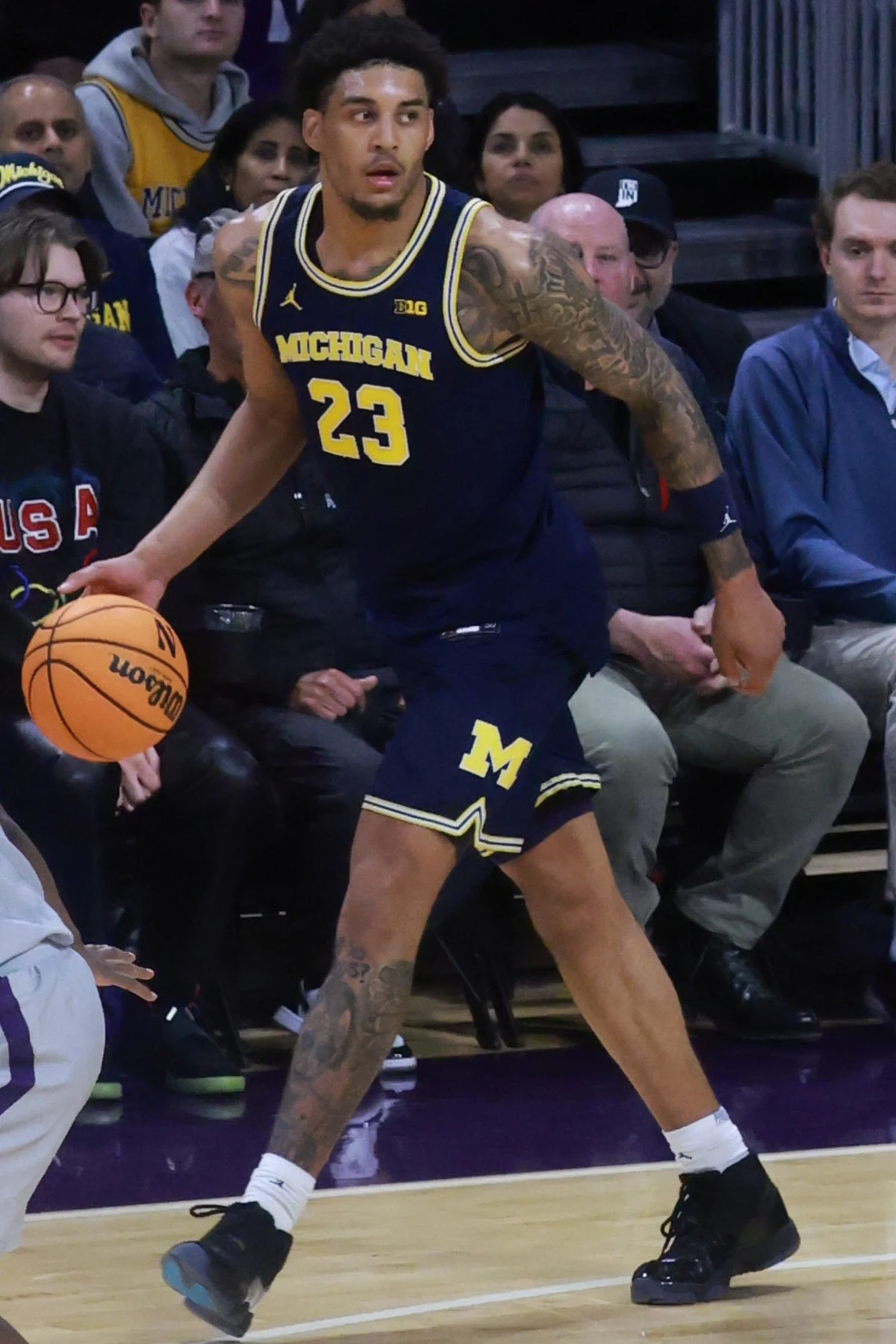
Yaxel Lendeborg finished with 26 points and nine rebounds, a contribution corroborated by Sportsnet’s game report and the NBA’s final statistics. The rookie made 11 of 20 field-goal attempts, including two of five threes. Unlike Curry, most of his scoring came from two-point baskets. Nine such makes produced 18 points, with six more from three-point range and two from the free-throw line.
VIRVIB’s calculation puts Curry and Lendeborg together at 70 of Golden State’s 119 points, or approximately 58.8 percent. The remaining players supplied 49. That division makes the rookie’s importance clear without suggesting the other contributions were dispensable. A five-point victory still depends on scoring beyond its two largest individual totals, as well as on the work that creates and protects possessions.
Lendeborg’s line also included seven turnovers and one assist. Those figures belong beside the scoring and rebounding, rather than being omitted from a celebratory account. They identify a cost within an otherwise productive performance. The final score shows that Golden State overcame those mistakes in this game; it cannot establish that similar mistakes will always be harmless or that a rookie’s development follows a straight upward path.
For readers comparing the two leading scorers, field-goal percentage alone supplies only one part of the answer. Lendeborg converted 55 percent of his field goals, a higher rate than Curry. Curry generated more points through three-pointers and free throws. The two lines illustrate different scoring mixes. They should not be converted into a universal ranking of which player performed better without considering volume, possessions and the other responsibilities each carried.
Golden State’s supporting contributions included 11 points from Brandon Williams. His official line records four made field goals and three free throws. Draymond Green added eight rebounds and six assists, while Brandin Podziemski also supplied six assists. Those numbers describe several routes through which a team can contribute without having every starter reach double figures in scoring.
VIRVIB analysis: the useful takeaway from Lendeborg’s performance is the combination of production and unfinished work. A second scorer made Golden State less dependent on a single player, while turnovers remained a problem to address. The evidence supports a strong individual night within a close team win. It is too early to make a season-long judgment from a five-game team record or a single box score.
Sources: NBA — official game record and published structured statistics ↗ · NBA — final box score ↗ · Sportsnet — Curry and Lendeborg scoring report and highlights ↗
Why Minnesota’s comeback fell short: the scoring balance and final seconds
Minnesota’s response was substantial even though it did not change the winner. Jonathan Kuminga led the Timberwolves with 20 points, while Jaden McDaniels and Terrence Shannon Jr. each scored 19. Those three combined for 58. The official data records the home side making 40 field goals, one more than Golden State, and 15 threes compared with the Warriors’ 11. More made baskets alone did not decide this result.
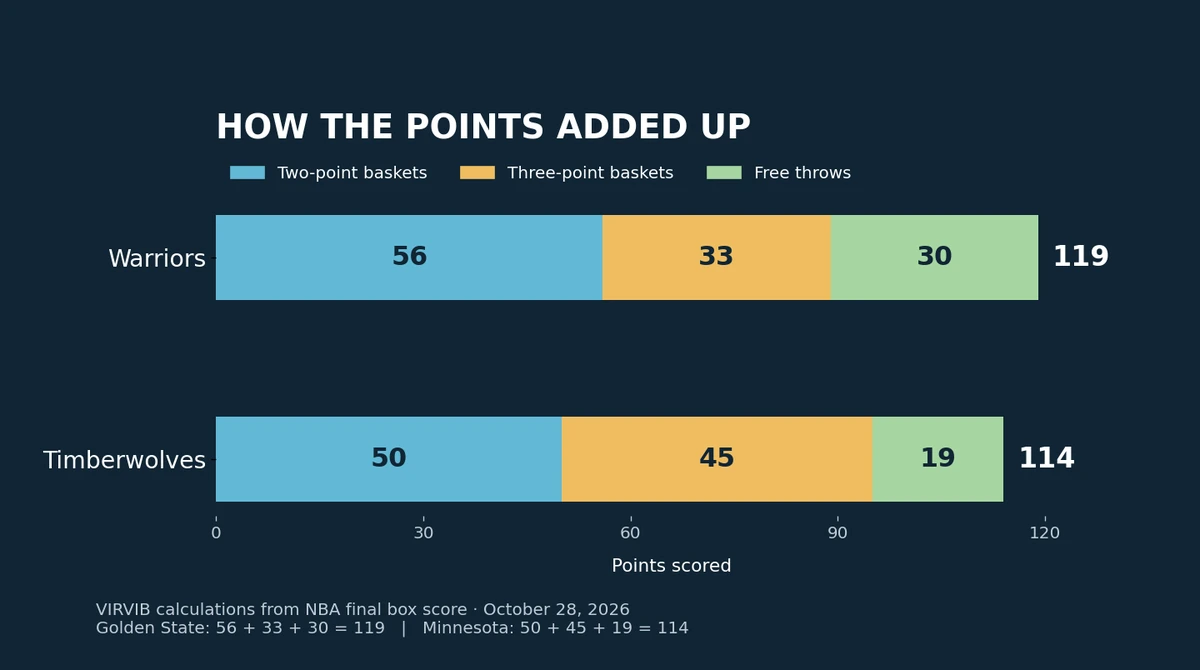
The scoring decomposition explains the apparent contradiction. Minnesota’s 40 baskets included 15 threes, leaving 25 two-pointers: 45 points from threes and 50 from twos, plus 19 free throws, totaled 114. Golden State scored 56 points on twos, 33 on threes and 30 at the line. VIRVIB’s comparison gives the Warriors a six-point advantage on twos and an 11-point advantage on free throws, offsetting a 12-point disadvantage on threes to produce the five-point final margin.
This is an accounting explanation, not a claim that every extra free throw was an avoidable mistake or that the officials caused the outcome. Golden State attempted 37 free throws and Minnesota 27. Converting those opportunities was part of the game: the Warriors made 30, the Timberwolves 19. The accompanying chart shows points by category so that attempts, made shots and the value of those shots are not confused.
The last possessions still mattered. NBA’s play-by-play records Lendeborg making the second of two free throws with 6.1 seconds left for a 117–112 lead. After McDaniels missed a three, Bones Hyland collected the rebound and made a bank shot with 0.8 seconds left, narrowing the score to 117–114. Curry was then fouled and made both free throws with 0.1 seconds remaining. Those two makes completed his 44-point total and the final score.
Golden State finished the night 2–3 and Minnesota 3–2, according to the official game record. That is a snapshot after five team games, not a forecast of the playoff field. The completed result rewards Golden State’s early advantage, its two leading scorers and its closing free throws. Minnesota’s stronger second half supplied a real recovery effort, but it did not undo the deficit accumulated before halftime.
Sources: NBA — official game record and published structured statistics ↗ · NBA — final box score ↗ · NBA — official play-by-play ↗ · Reuters / Field Level Media — independent October 29 report ↗
Why this story is in the editionWarriors vs Timberwolves appeared in Google Trends Trending Now for the United States, past 24 hours, checked October 29, 2026. Editorial selection, not a national search-ranking or exact search-volume claim.
Prepared with AI assistance. Source-based reporting checked on 2026-10-29. This article does not update automatically. Read our editorial standards.