Doncic’s 40 points turn a level start into a road win
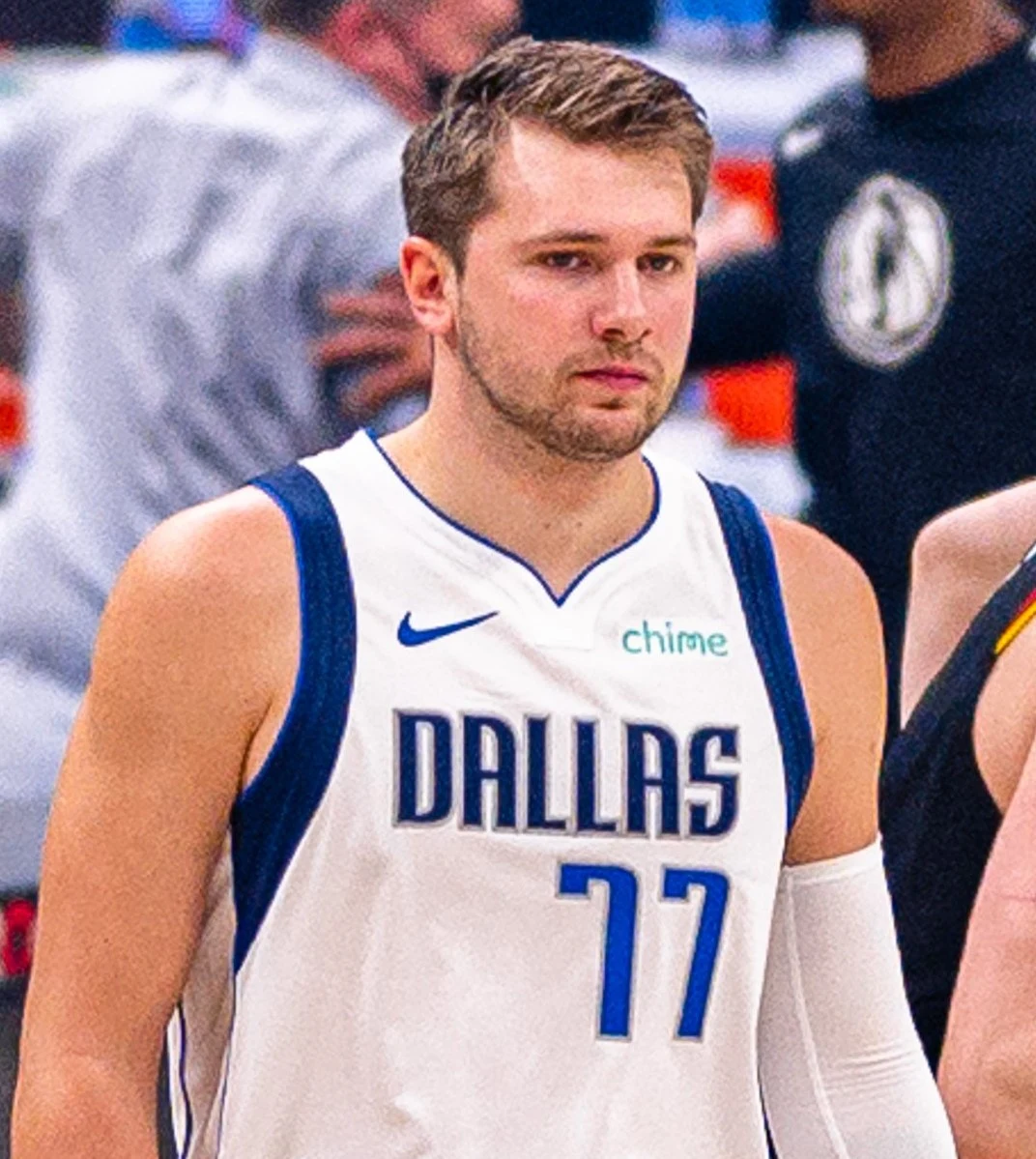
Luka Doncic scored 40 points as the Los Angeles Lakers beat the Sacramento Kings 116–103 at Golden 1 Center on November 4, 2026. He added nine rebounds and seven assists in a victory that moved Los Angeles to 7–2 and dropped Sacramento to 1–7. The NBA’s official final record confirms the score and individual totals, independently reported by the Associated Press and Reuters.
Doncic’s performance extended his run to six consecutive games with at least 35 points, according to the AP. Reuters described it as his third straight 40-point game. Those scoring sequences explain the attention around his start to the season. The detail of Wednesday’s result, however, also shows how Los Angeles built its advantage without separating itself through the number of baskets made.
The opening quarter finished 28–28. Los Angeles then won the second period 33–26 to take a 61–54 halftime lead. Its 26–20 third quarter extended that advantage to 87–74, and both teams scored 29 in the fourth. The period totals locate the separation in the middle two quarters. The final period preserved a margin already established rather than supplying a fresh scoring advantage.
The official play-by-play shows Doncic driving the later stages of that third-quarter separation. He made a step-back three with 5:53 remaining to put Los Angeles ahead 76–69. A floating shot at 4:04 took him to 30 points and made it 80–69. A further three at 3:36 extended the lead to 83–69, and his pull-up jumper at 1:30 put the Lakers ahead 85–71.
Doncic then assisted Jake LaRavia’s running layup with 27 seconds left in the period. Darius Acuff Jr. answered with a three in the last seconds, leaving Sacramento 13 behind entering the fourth. That sequence contains both the scoring that created the gap and the pass that helped maintain it. Doncic was involved in consecutive successful possessions, while the Kings still found a basket before the quarter ended.
VIRVIB analysis: the progression from a tied first quarter to a seven-point halftime lead and then a 13-point advantage gives this result its shape. It was not a game in which Los Angeles led by the same margin throughout. The Lakers gained ground in two successive periods, and Sacramento could not reduce the final deficit despite matching their fourth-quarter production.
The 13-point difference came at the free-throw line
The teams finished with an unusual equality in their scoring totals from the field. Each made 35 field goals, including 12 three-pointers. That means each also made 23 two-point baskets. Their field-goal scoring was therefore identical: 36 points from threes plus 46 from twos, or 82 points apiece. The remaining difference in the final score came from free throws.
Los Angeles converted 34 of 38 attempts at the line. Sacramento converted 21 of 28. VIRVIB calculation: the Lakers gained exactly 13 points from those makes, matching the final 116–103 margin. They had 10 more attempts and also converted a higher proportion, approximately 89.5% against 75%. This is a description of the scoring ledger, not a judgment about officiating or a claim that every other part of the game was equal.
Doncic made 11 of 23 field-goal attempts, six of 13 from three and 12 of 13 free throws. His six threes supplied 18 points, his five two-point baskets another 10, and his free throws the final 12. That breakdown shows three routes to his 40. It also explains how he reached the total without needing to make an exceptional percentage of all his field-goal attempts.
Austin Reaves provided 21 points on seven-for-15 shooting and made all six of his free throws. He had four assists and no turnovers in 37 minutes and 13 seconds. Together, Reaves and Doncic converted 18 of 19 free throws. Their ability to finish those opportunities gave the Lakers reliable scoring beyond the outside shots, even though their combined perimeter production was uneven.
Walker Kessler added 15 points on six-for-eight shooting, eight rebounds, four blocks and three steals. Reuters independently highlighted that contribution. The NBA credits Los Angeles with 13 blocks and 11 steals overall. Those figures record defensive events, but they do not identify every contested shot or establish which player was responsible for every unsuccessful Sacramento possession.
The Lakers attempted 78 field goals to the Kings’ 90, yet made the same number. They also committed 11 turnovers compared with Sacramento’s 17. VIRVIB analysis: Los Angeles’s better field-goal conversion and stronger free-throw return compensated for having fewer shots. The free-throw arithmetic identifies the exact scoring difference, while the shooting and turnover figures explain why the wider possession record still deserves attention.
Sacramento’s production could not erase its empty possessions
Acuff led Sacramento with 22 points and 12 assists, but needed 24 field-goal attempts and made eight. He was three-for-11 from three-point range and committed four turnovers. The rookie’s assists helped the Kings generate scoring for others, while his shooting line shows the difficulty of turning his own volume into efficient points. Both parts belong in the account of his performance.
Zach LaVine added 21 points, making six of 14 shots and three of seven threes. He also made six of seven free throws, but finished with six turnovers. Domantas Sabonis supplied 16 points and 17 rebounds, including six at the offensive end. Sacramento collected 15 offensive rebounds overall compared with Los Angeles’s 10, creating extra chances that did not translate into more made field goals.
VIRVIB calculation: the Kings’ 12 additional field-goal attempts produced no additional baskets. Their 35 makes in 90 attempts represented 38.9% shooting, compared with the Lakers’ 44.9%. The equal three-point totals were even more direct: both teams went 12-for-38. Sacramento’s advantage in opportunities and offensive rebounding therefore sat alongside a deficit in converting the broader set of attempts.
Late in the fourth, the play-by-play records another example of Sacramento recovering a miss. LaVine’s driving attempt was blocked by Lawson Lovering with 19.6 seconds remaining. Sabonis collected the offensive rebound and made a putback at 16.7 seconds, bringing the Kings to their final 103 points. It was a successful extra-chance possession, but Los Angeles had already reached 116. The basket changed the margin without threatening the result.
The defeat followed Sacramento’s first victory of the season, achieved at Dallas on Monday, according to the AP. The Kings remained winless in three home games. Los Angeles and Sacramento next play on Friday, November 6, with the Lakers hosting Portland and the Kings hosting San Antonio. Those scheduled games are the next opportunities to test whether the strengths and problems visible here continue against different opponents.
The November 4 record establishes a Lakers win built around Doncic’s scoring and supported by contributions at the line and on defense. Sacramento received points, assists and offensive rebounds from its leading players, but too many attempts failed to become baskets. The result is more specific than a story about one star’s total: identical field-goal scoring, different free-throw returns, and a 13-point gap that Los Angeles carried through the fourth quarter.
View sources
Source publication or schedule date: Game November 4; final records and reporting checked November 5, 2026.
Prepared with AI assistance. Source-based reporting checked on November 5, 2026. This article does not update automatically. Read our editorial standards.