Trump asks DOJ to investigate Democrats after the midterms
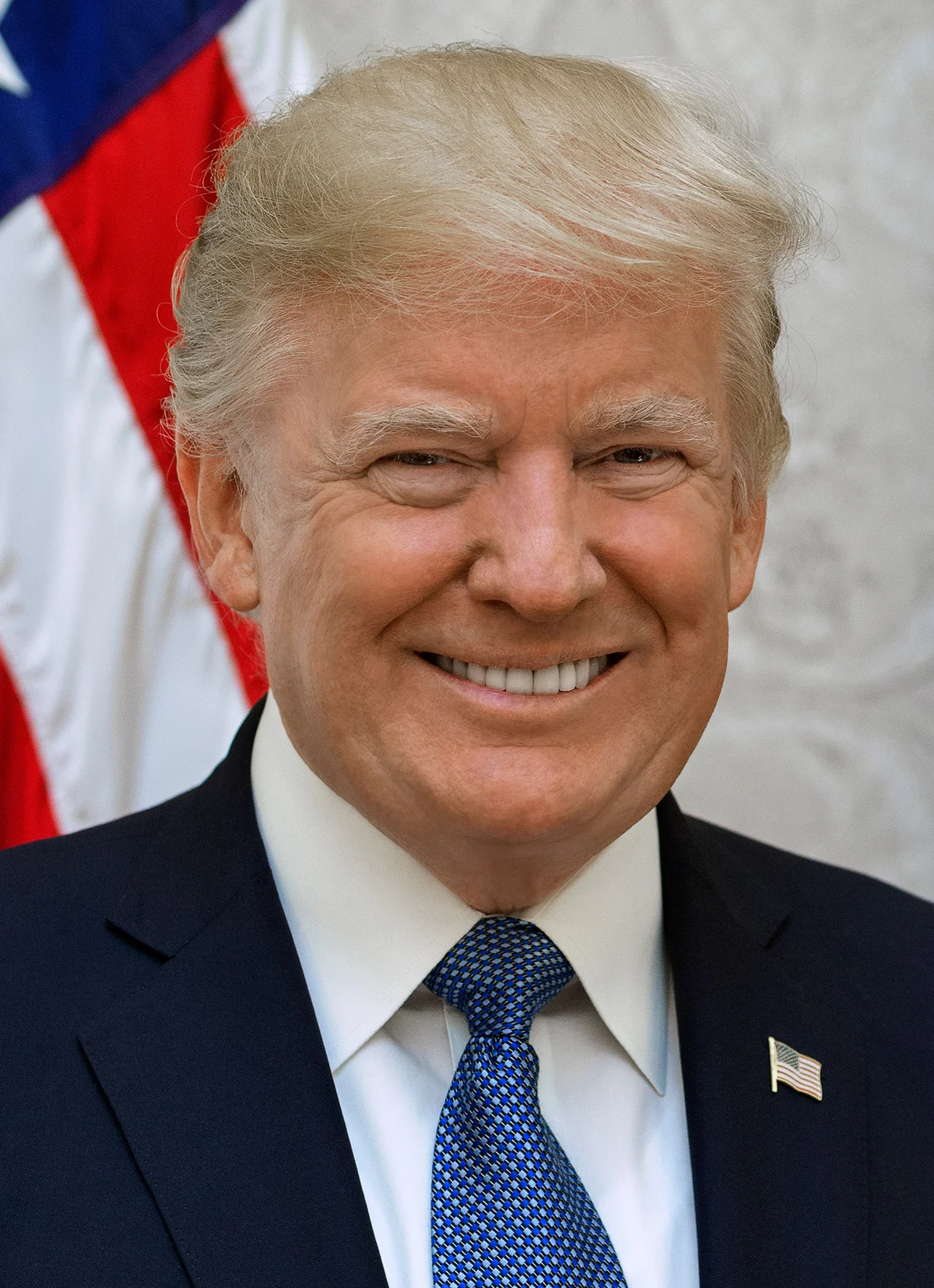
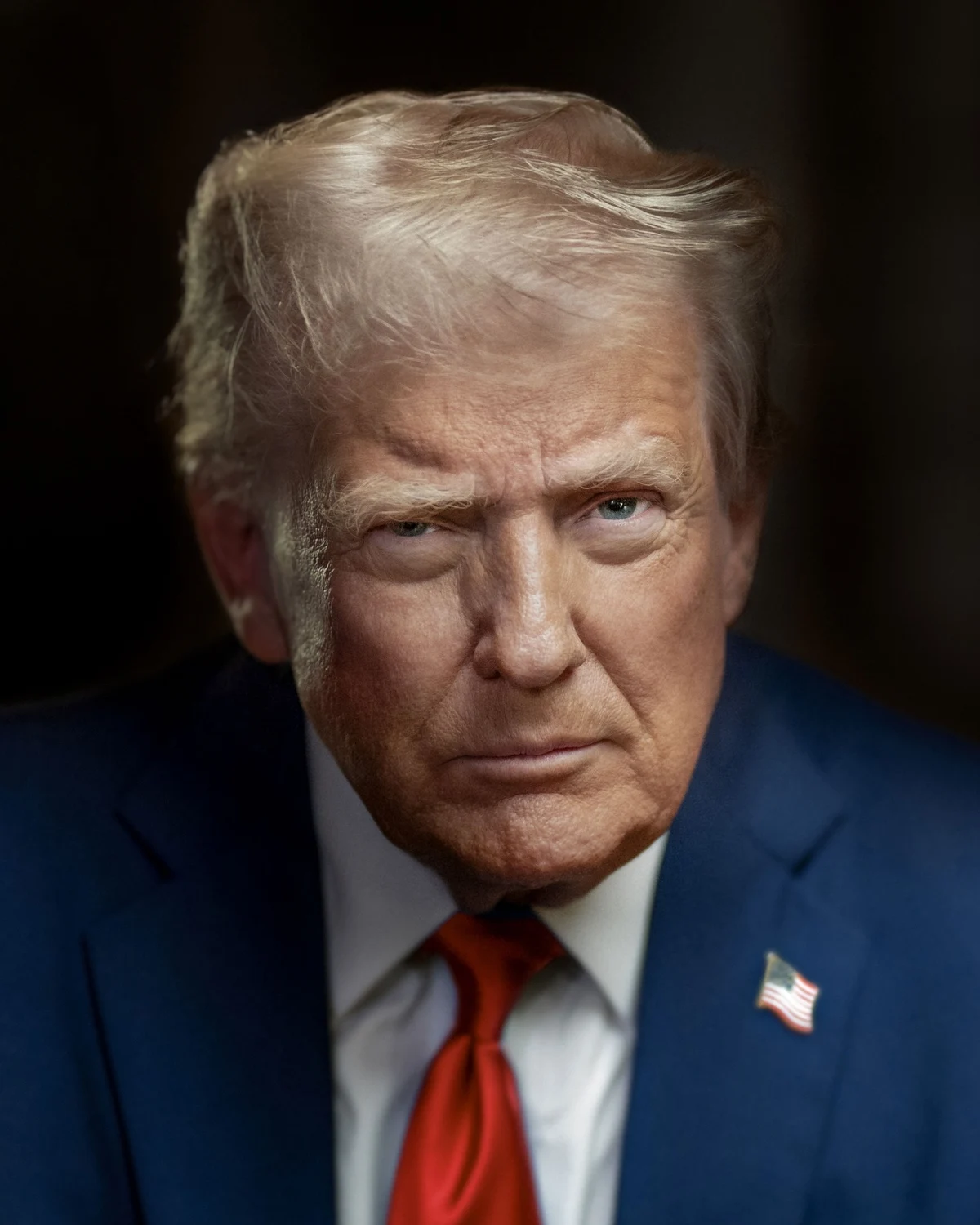
President Donald Trump said on November 7, 2026, that he was ordering the Justice Department to investigate Democrats he accused of threatening administration officials and Republican donors. His Truth Social post named Michigan Senator Elissa Slotkin and characterized proposed investigations and impeachment efforts as extortion. The announcement escalated a dispute over the scrutiny his administration could face when Democrats take control of Congress in January.
The documented development is the president’s public instruction. It is not a Justice Department announcement that prosecutors have opened a particular case, filed charges or established a crime. Reuters reported that the department had not immediately responded to its requests for comment. The Washington Post separately reported the call for an investigation and said the department had not immediately responded to its inquiry either.
Trump’s post made several accusations. He said Democrats were threatening the attorney general and others with impeachment and punishment. He also alleged that Republican donors faced threats because of their political affiliation and that Slotkin wanted to target young people who believed in Republican values. He did not provide evidence in the post establishing that those asserted threats constituted criminal conduct.
That distinction matters for understanding the announcement. Trump used the language of a criminal accusation, but the statement itself does not identify a charging document, a court proceeding or a finding against Slotkin or another Democrat. His description of people as innocent is also his assertion. Neither the accusations nor the declarations of innocence replace an examination of the underlying conduct.
The timing gives the confrontation its immediate stakes. The November 3 midterms gave Democrats control of both congressional chambers for the next Congress. Reuters reported that party leaders had promised to restore oversight through hearings and investigations. Trump’s response therefore concerns an approaching change in who can organize congressional scrutiny, as well as the language Democrats have used to describe their intentions.
Analysis: the president is seeking an executive-branch response to the opposition’s promised legislative scrutiny. That creates two separate tracks to follow. One is whether the Justice Department announces an investigative step. The other is what congressional leaders actually do with their incoming powers. A social-media instruction establishes Trump’s position on the first track, while campaign promises and public remarks describe intentions on the second.
Slotkin’s response and the October remarks behind the dispute
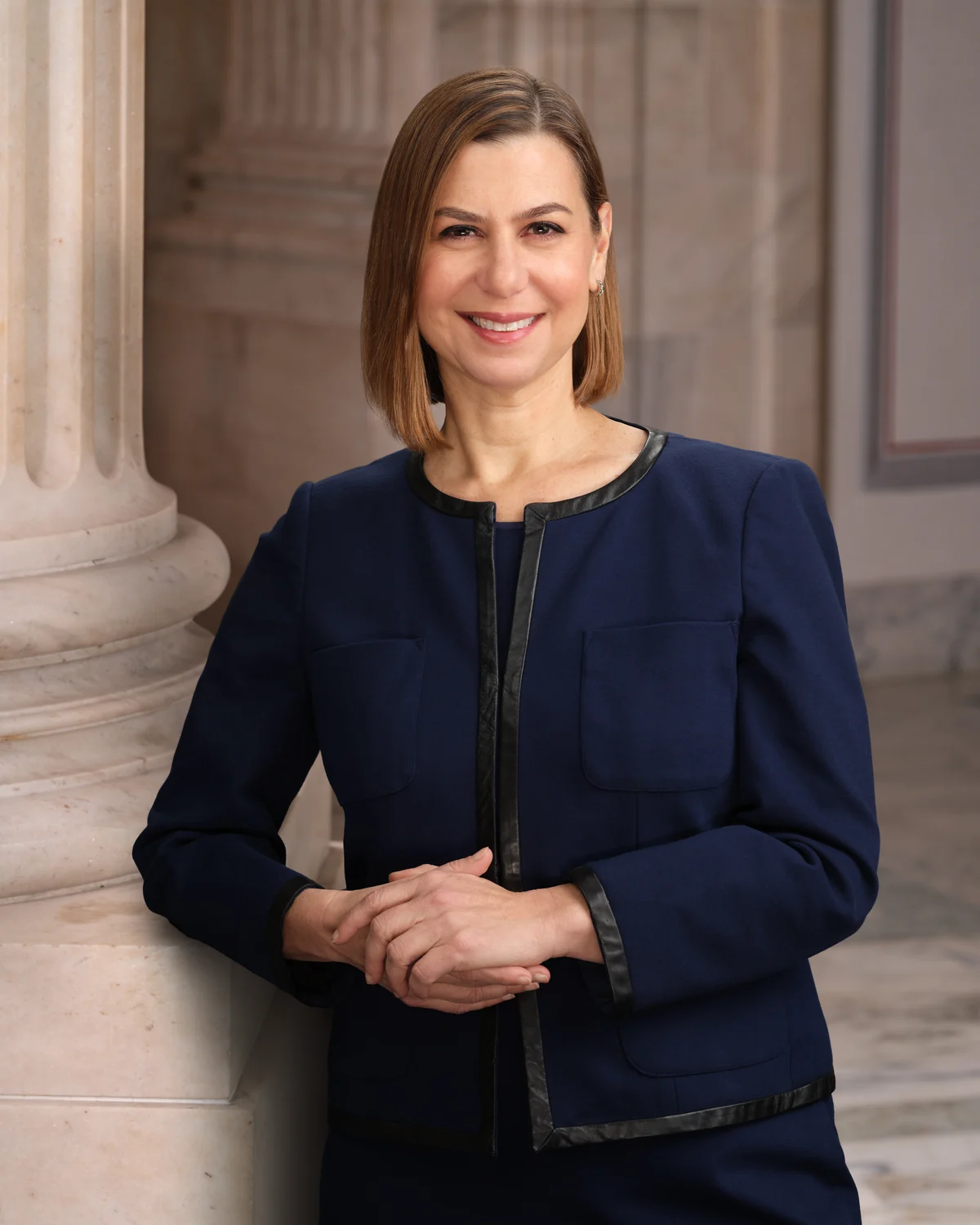
Slotkin issued a response through her Senate office on November 7. She said people who break the law or use taxpayer money for personal gain should face accountability, while people who have done neither have nothing to fear. She rejected Trump’s characterization of her position and criticized his decision to threaten legal action rather than address the issues she said voters had raised in the election.
Her statement also referred to an earlier effort to indict her. Reuters reported that a grand jury had rejected an attempt to indict a group of Democratic lawmakers, including Slotkin, after they released a video urging service members and intelligence personnel to refuse illegal orders. That history explains the senator’s reference to a previous confrontation. It does not establish that the latest presidential post has produced a new indictment or revived the same proceeding.
The current argument also reaches back to Slotkin’s October remarks at the University of Chicago. CNN reported on October 19 that she had been asked how Congress could reassert its role as a check on the administration. She advocated focusing oversight on examples of alleged corruption and on people who enabled the president’s actions, rather than concentrating solely on Trump himself.
Slotkin also suggested that the prospect of congressional investigations could make recent graduates hesitate before joining the administration. That deterrence argument prompted criticism from Republicans, who portrayed her comments as threatening people considering public service. Reuters identified Senator Mike Lee as one of those critics and reported that Slotkin disputed his account of what she had said.
Her Senate office’s October 19 statement linked to the full remarks and argued that a circulating clip omitted the question she was answering. It also cited a Detroit News account saying she had not mentioned prosecution of staffers or prospective staffers in that exchange. That is an explanation published by her office, rather than a neutral finding resolving every disagreement about the remarks. CNN’s independent account confirms the central subject was congressional oversight and its possible deterrent effect.
These records support a narrower account than either side’s broadest political characterization. Slotkin did discuss consequences for people who enable conduct she considers corrupt. She disputed the claim that she was threatening people merely for being Republicans. Trump’s November 7 post asserted that political belief and affiliation were the targets. Reporting the disagreement requires identifying those different claims rather than treating his description as a verbatim account of her earlier speech.
Analysis: intent, language and a completed action are different questions. An argument that investigations could deter participation is politically consequential on its own. It is still distinct from a filed prosecution, a committee subpoena or a finding that a specific person violated a law. None of those later steps should be inferred simply because the political exchange has become more confrontational.
What Congress can do, and what remains unconfirmed
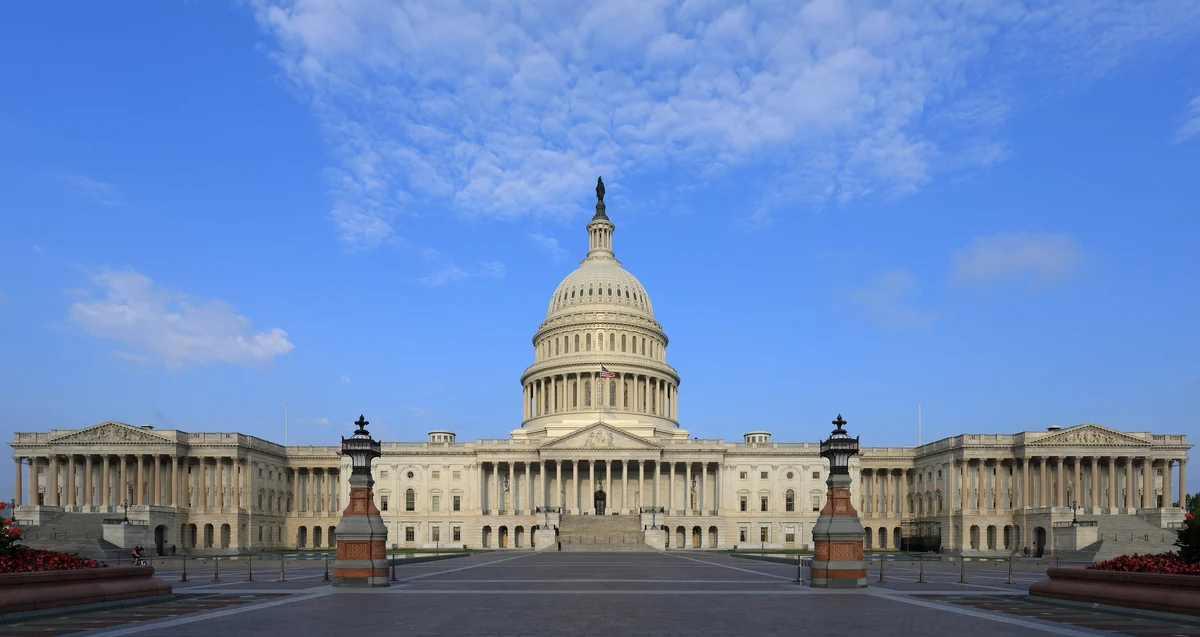
The dispute involves powers held by different institutions. The Constitution gives the House the power to impeach federal officers and the Senate the power to conduct impeachment trials. Conviction requires two-thirds of senators present. The National Archives’ constitutional transcript and the House’s official history explain that division. A president’s objection to an impeachment proposal does not turn the proposal into a completed congressional proceeding.
Impeachment and criminal punishment also have different consequences. The Constitution limits an impeachment judgment to removal and potential disqualification from federal office, while separately allowing criminal proceedings according to law. It therefore treats removal from office and criminal liability as distinct matters. A lawmaker’s call to consider impeachment is not an announcement that a court has convicted anyone, just as Trump’s call for a criminal investigation is not itself a conviction.
The calendar imposes another distinction. Under the Twentieth Amendment, the terms of the incoming senators and representatives begin at noon on January 3. For the members elected this November, that means January 3, 2027. Democrats’ election victory changes the next Congress. It does not mean newly elected members acquired their coming terms on election night or that their proposed oversight agenda has already been carried out.
The existing record identifies a public confrontation, not the final scope of future proceedings. Trump accused Democrats of threatening officials and donors. Slotkin responded that her argument concerned unlawful conduct and personal enrichment. Independent reporting confirmed the exchange and the president’s instruction. The sources reviewed for this article do not establish a new criminal charge resulting from that instruction or an announced Justice Department timetable for acting on it.
Analysis: the evidence needed for the next update is concrete. An attributable Justice Department announcement could establish what action, if any, followed the president’s request. A filed court document could identify an allegation and its procedural status. A committee’s published demand or recorded vote could establish a congressional step. Those records would answer different questions and should be assessed separately, rather than combined into an assumption that an investigation, impeachment and conviction have all occurred.
For now, the change is Trump’s decision to call for a Justice Department response to Democrats’ promised scrutiny, and Slotkin’s decision to contest his account publicly. The coming transfer of congressional control explains why the dispute matters. It does not determine whether prosecutors will act, what evidence legislators will obtain or how any future proceeding will end.
View sources
Source publication or schedule date: Trump and Slotkin statements November 7, 2026. Chicago context October 19. Sources checked November 8. Photographs archival.
- Donald Trump — original November 7 Truth Social instruction
- Senator Elissa Slotkin — original November 7 response
- Reuters via The Spokesman-Review — November 7 report and response status
- The Washington Post — independent November 7 report
- CNN via ABC17 — October 19 account of the Chicago remarks
- Senator Slotkin — October 19 explanation and links to full remarks
- National Archives — original Constitution transcript
- U.S. House History — impeachment powers and consequences
- National Archives — Twentieth Amendment and congressional terms
Prepared with AI assistance. Source-based reporting checked on 2026-11-08. This article does not update automatically. Read our editorial standards.