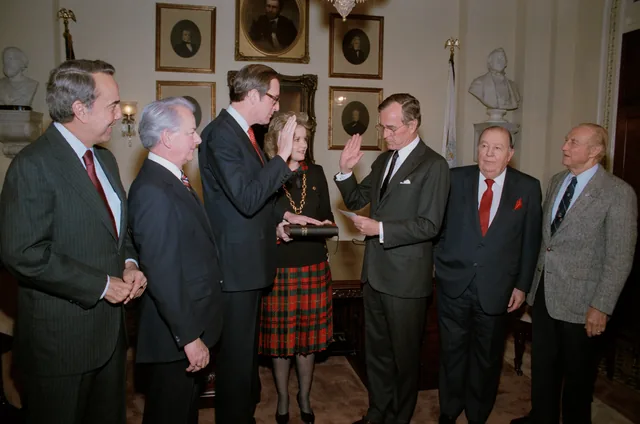
When Houston police will contact ICE
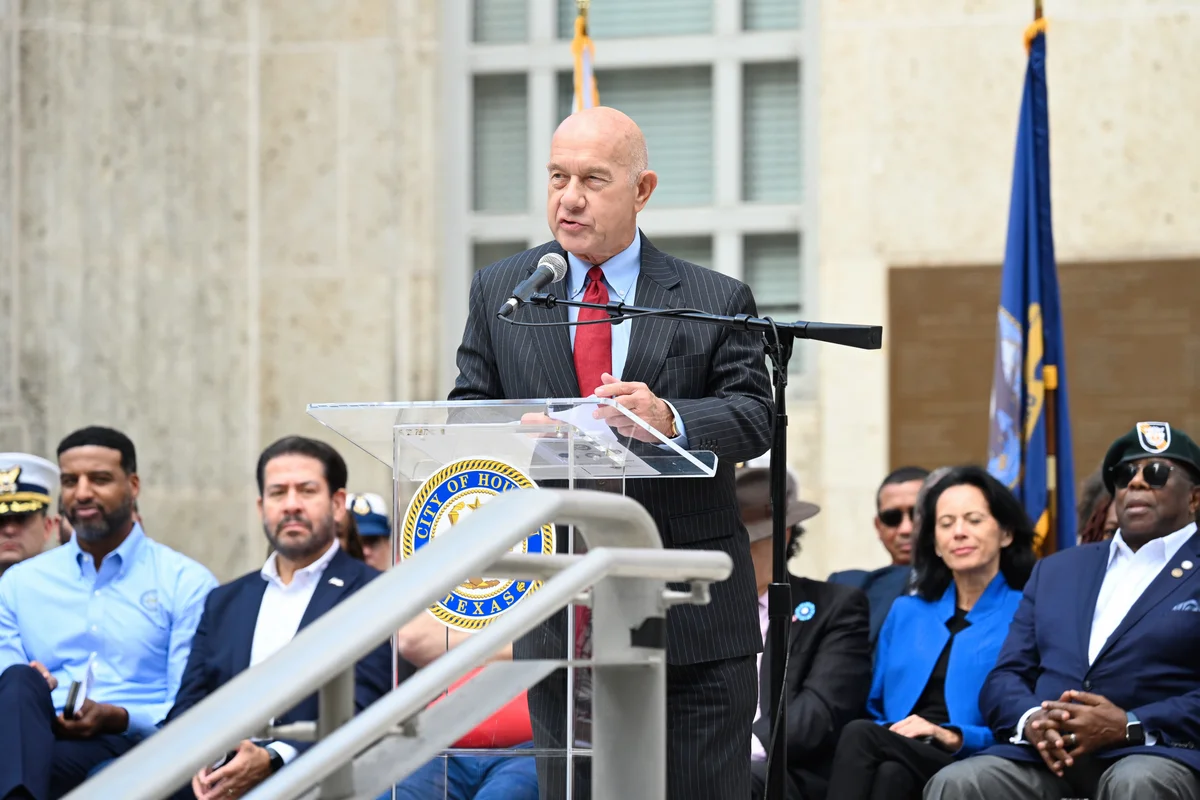
Houston Mayor John Whitmire changed the city’s police policy on November 6, directing officers to stop contacting Immigration and Customs Enforcement solely because a person has an administrative immigration warrant during an encounter that does not lead to arrest. The announced rule preserves ICE notification when someone with such a warrant is arrested for a jailable offense. It changes a local police procedure while federal agents retain their enforcement powers.
The mayor’s office said Police Chief J. Noe Diaz distributed a department-wide memorandum following the executive order. Diaz explained the distinction through a traffic-stop example: a driver who receives a citation for a minor violation and is not arrested should be able to leave without HPD contacting ICE over an administrative warrant. The city’s executive-order index lists the measure as Order 1-74, dated November 6.
An administrative immigration warrant is different from a criminal arrest warrant signed by a judge. KPRC’s reporting on the announcement describes these as civil documents issued by immigration authorities. Discovering one does not mean that the officer has discovered a new criminal conviction. Equally, an arrest for a jailable offense is not a conviction. The policy concerns what police do during an encounter and after an arrest, rather than a finding of guilt.
The distinction also makes broad descriptions of the change unreliable. Houston has not announced an end to every form of cooperation with ICE. Nor does the announced test simply divide violent crimes from every other offense. The relevant conditions described by Diaz are an arrest for a jailable offense and an administrative ICE warrant. Some public comments emphasize violent offenders, but that emphasis should not replace the stated operational test.
Reuters, The Associated Press and The Texas Tribune independently reported the November 6 change. Their accounts place it in the immediate aftermath of Texas’ statewide elections. For people following the policy itself, the central change is more specific than the political argument: an immigration-warrant match during a citation-only encounter should no longer produce the same ICE contact as an arrest meeting the announced conditions.
What the April directive required
The contrast is visible in HPD’s April 23 directive, Circular 26-0423-044. That document followed City Council’s adoption of Ordinance 2026-0335 the previous day. It instructed officers who encountered an ICE administrative-warrant match in the National Crime Information Center to contact ICE’s Law Enforcement Support Center. A sergeant was also required to attend the scene.
The April circular separately addressed people with no local criminal charges. Officers were to verify the warrant and identity through the federal support center. If ICE requested an agent’s attendance, the sergeant could authorize waiting a reasonable period for the agent to take custody. The directive said detention must remain tied to the legitimate purpose of the stop or other legitimate purposes discovered during it. It removed the earlier thirty-minute maximum.
That earlier policy also prohibited transporting someone solely on an ICE administrative warrant, apart from moving the scene to a nearby safe location. When a suspect faced local criminal charges as well as an immigration warrant, officers were instructed to take the person to the Joint Processing Center and notify ICE of the location. Both categories required an offense report recording the actions taken.
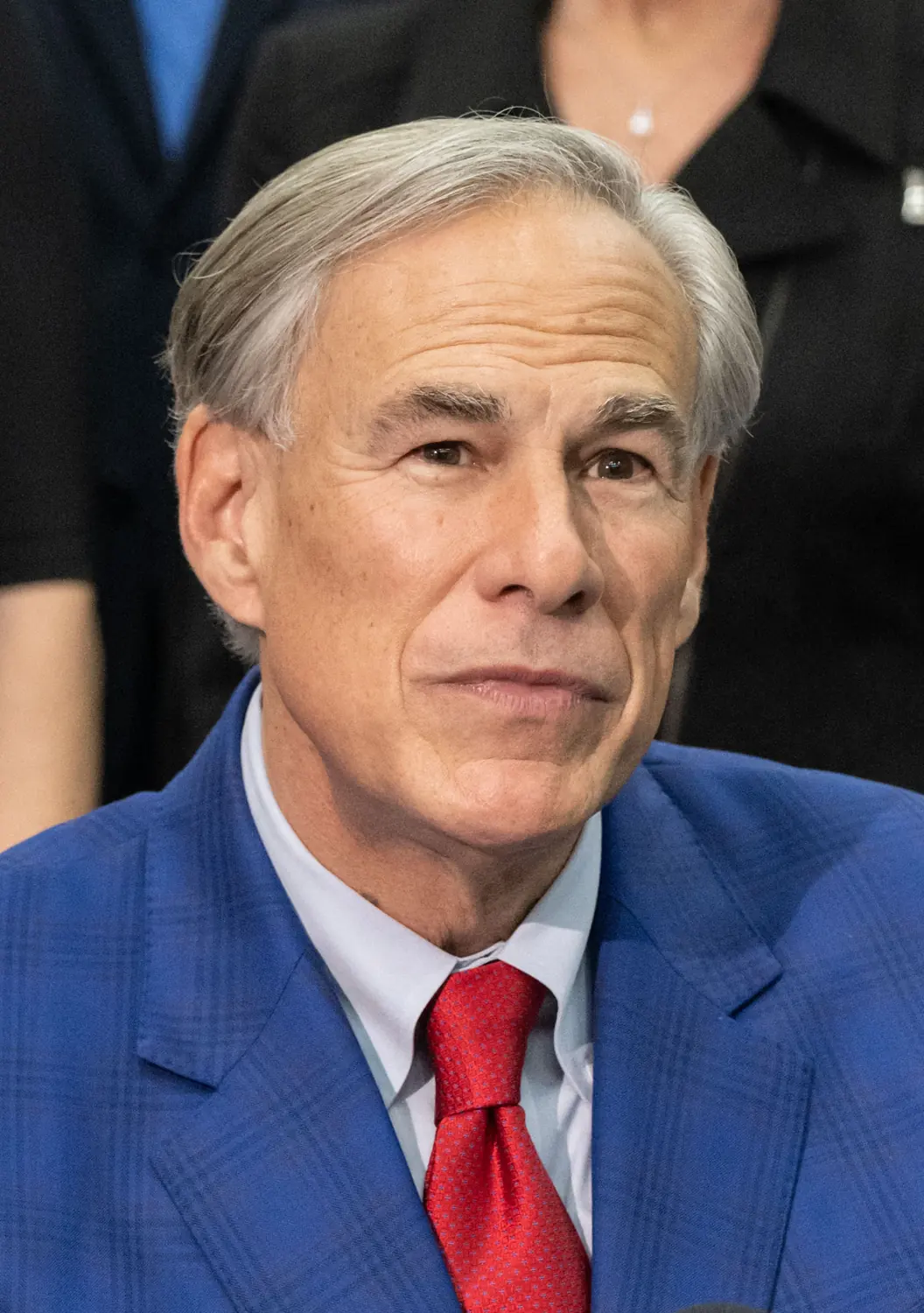
The November announcement therefore changes a procedure that previously contemplated calling ICE even without local charges. The Texas Tribune reported that the April decisions followed Governor Greg Abbott’s threat to withhold roughly $110 million in state public-safety grants. That funding dispute explains why the mayor’s reversal carries consequences beyond the wording of a police circular. It does not establish that the city has already lost funding under the new order.
Texas law remains part of the dispute

Texas’ 2017 Senate Bill 4 remains a separate issue from HPD’s instructions. Section 752.053 of the Government Code restricts local entities from adopting policies that prohibit or materially limit immigration-law enforcement. It also addresses limits on officers asking about immigration status during lawful detention or arrest, sharing immigration information with federal agencies, and providing reasonable or necessary assistance to federal immigration officers. A mayoral announcement does not repeal those provisions.
The chapter defines lawful detention for this purpose as detention to investigate a criminal offense. It excludes detention based solely on someone being a victim, a witness or a person reporting a crime. The same chapter prohibits consideration of race, color, religion, language or national origin in immigration-law enforcement except as permitted by the federal or Texas constitutions. Those distinctions are part of the statutory text, rather than new exemptions created by Whitmire’s order.
The law also provides enforcement mechanisms. Under Section 752.055, an eligible complainant may submit a sworn complaint to the attorney general. If the attorney general determines that a complaint is valid, the office may seek a court order compelling compliance. Section 752.056 specifies civil penalties when a court finds an intentional violation. A political accusation and a judicial finding are different stages of that process.
For that reason, the election result and the legal status of a city policy must be assessed separately. Incoming officials may change enforcement priorities or seek legislation, but winning office does not amend the Government Code. Conversely, pointing to SB 4 does not by itself establish that a court has invalidated this particular November directive. The sources reviewed for this report do not establish such a ruling.
Houston’s own policy-management guidance says city employees must obey applicable state and federal laws as well as municipal and departmental instructions. The practical question is how the new police circular will operate within those overlapping requirements. That question requires the actual policy, implementation records and any subsequent legal action. It cannot be answered merely by attaching a sanctuary-city label to the announcement.
Why Whitmire acted after the election

Whitmire linked the timing to Democrats’ statewide victories and said he had contacted incoming state leaders. The Texas Tribune reported that Governor-elect Gina Hinojosa defeated Abbott. In the city’s release, the mayor acknowledged that the current state administration would remain in office for the next two months. His decision takes effect during that transition, rather than after a new government has already rewritten state policy.
The mayor presents the change as a public-safety measure that could reduce fear among students, workers and families. Those are his stated aims. They are not measured results from a policy announced one day before this report. Evidence that residents feel safer reporting crimes, or that police encounter patterns have changed, would require subsequent information. A promised benefit should not be reported as an outcome already achieved.
Federal officials opposed the decision. In a statement supplied to KPRC on November 6, a Department of Homeland Security spokesperson argued that local partnerships help ICE make arrests and warned that restrictions can lead to a more visible federal presence. KPRC noted that the statement did not announce a specific increase in Houston operations. A warning about possible enforcement consequences is different from a documented deployment.
Immigrant advocates welcomed the reversal while criticizing its timing. KPRC reported that FIEL Houston Executive Director Cesar Espinosa said the change should have happened when City Council first pursued restrictions months earlier. The organization continued to call for ICE to leave Houston, a demand broader than the mayor’s change to local notification procedures. Support for the new rule therefore does not mean advocates consider the dispute resolved.
The next useful evidence will concern implementation. KPRC reported Diaz’s statement that the directive would be read at police roll calls for five days and that the department would continue tracking encounters under existing reporting requirements. Those records could help establish whether officers follow the new distinction between a citation and an arrest. For now, the verified development is a change to HPD’s ICE-contact policy, accompanied by federal opposition and unresolved questions about its interaction with state law.
View sources
Source publication or schedule date: November 6 mayoral release and independent reports; April 23 HPD directive and Texas Government Code checked November 7, 2026.
- Houston Mayor’s Office — November 6 release and Diaz’s explanation
- City of Houston — executive-order index, Order 1-74 dated November 6
- Houston Police Department — April 23 directive, Circular 26-0423-044
- Texas Legislature — Government Code Chapter 752
- City of Houston — policy hierarchy and applicable law
- Reuters — independent November 6 report, via Investing.com
- Associated Press — independent November 6 reporting
- The Texas Tribune — policy change and April funding dispute
- KPRC — November 6 announcement, implementation and reporting procedures
- KPRC — DHS statement and FIEL response, published November 6
- Wikimedia Commons — Ed Uthman’s November 11, 2024 Whitmire photograph, CC BY 2.0
- Wikimedia Commons — Texas Capitol photograph, CC0
- Wikimedia Commons — Hinojosa photograph by Jay Godwin, public domain
- Wikimedia Commons — Abbott photograph at NASA, public domain
Prepared with AI assistance. Source-based reporting checked on November 7, 2026. This article does not update automatically. Read our editorial standards.