What Newsom’s decision would change for 548 prisoners
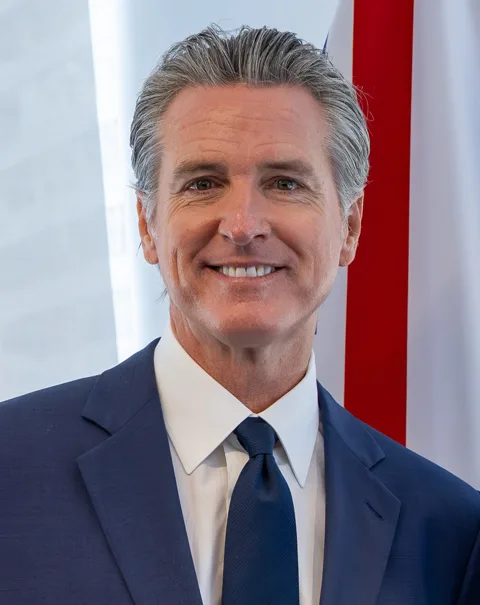
California Gov. Gavin Newsom announced on November 5, 2026, that he intends to change all 548 existing death sentences in the state to life imprisonment without the possibility of parole. Hundreds of the cases involve a further constitutional step at the California Supreme Court. The governor's current clemency page says the changes will not take effect until the necessary legal steps have been completed.
That distinction matters to the immediate question of what has happened. Newsom has announced a categorical decision about the punishment he wants imposed. His office has also submitted the matter to the court under the process for people twice convicted of felonies. The announcement is not evidence that the court has already recommended every commutation, or that every individual sentence was changed on November 5.
The proposed replacement punishment keeps the affected people in prison. A fact sheet released by the governor's office says the action would not make anyone eligible for parole, pardon anyone or change an underlying conviction. Restitution orders would remain in place. It also says the recipients would not be eligible under recently issued Board of Parole Hearings regulations on commutation and resentencing. These are limits on this particular action, rather than a promise of a future release review.
Newsom set out his reasoning in a three-page open letter addressed to Californians. He described a longstanding moral opposition to executions and said he could not reconcile state-sanctioned killing with the state's values or with the possibility of error in the legal system. Those are the governor's reasons for exercising clemency. They are not a judicial finding that every conviction covered by the announcement was wrongful.
In the letter, Newsom acknowledged the suffering caused by the crimes and said his decision could hurt victims' families. He said he would apply the same punishment change to all condemned people. That states his position, while recognizing that those affected by the crimes do not share one view.
The decision goes further than the moratorium he announced on March 13, 2019. That earlier executive action stopped executions, withdrew the lethal-injection protocol and ordered the execution chamber at San Quentin closed. The governor's 2019 announcement explicitly said it did not release anyone or alter an existing conviction or sentence. The new proposal addresses the sentences themselves, replacing the authorized punishment if the clemency process is completed.
California's last execution took place on January 17, 2006, according to the new official fact sheet. The long period without an execution helps explain why a moratorium and a commutation can look similar from outside prison while remaining legally different. A moratorium leaves the death sentence in place. A completed commutation changes that sentence to a different punishment. Neither the absence of recent executions nor the announcement alone supplies the court decisions required in the cases now being submitted.
The court’s role, and why victims and prosecutors disagree
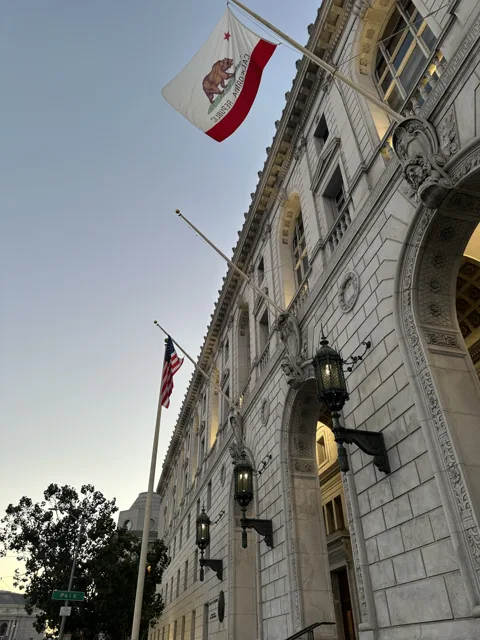
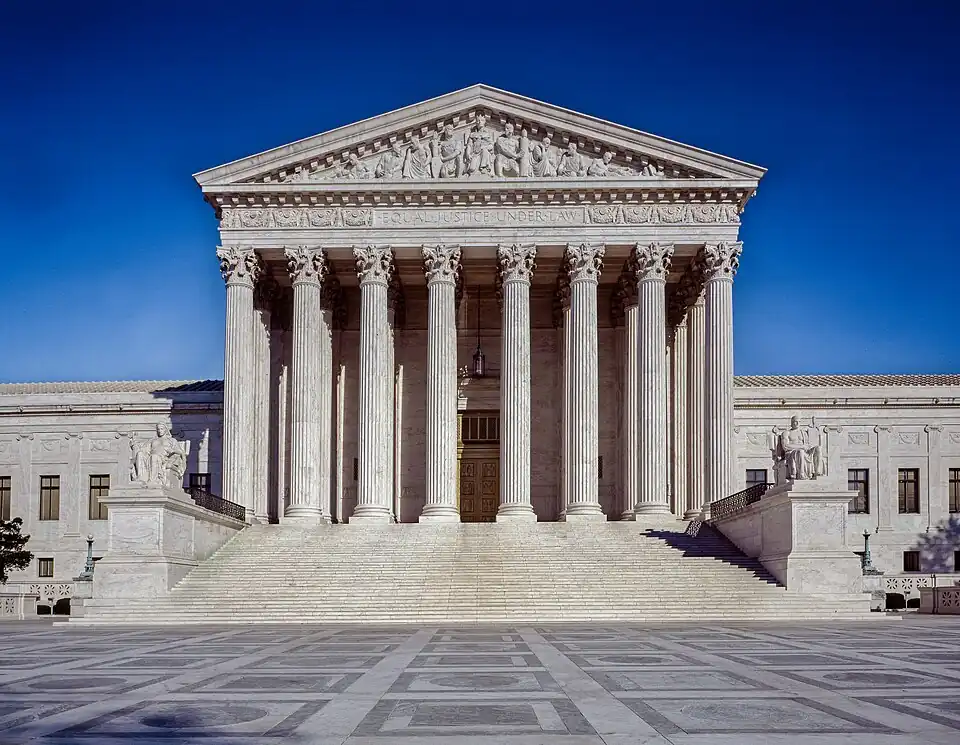
The California Constitution gives the governor clemency powers but places a condition on pardons and commutations for people twice convicted of a felony. Article V, Section 8 requires a recommendation from the state Supreme Court, with four judges concurring. Newsom's letter acknowledges that requirement and describes the process as involving both branches of government. The justices' role is therefore part of the authority governing these cases, not simply a request for their political endorsement.
The Associated Press independently reported the announcement and the requirement for court involvement in hundreds of cases. Its report attributes the affected population figure to the governor's office. Reporting that a group of cases needs review does not establish how the justices will decide each request. It also does not establish when all of those decisions will arrive. The immediate implementation question is how the constitutional process proceeds after the governor's submissions.
The difference between changing sentences and repealing a law remains important beyond the current group. Newsom's open letter expressly says his action does not repeal California's death penalty and is limited to existing death sentences. It says prosecutors, juries and courts retain their roles in seeking, imposing and upholding death sentences in individual cases. Whatever the result of these clemency requests, the announcement does not itself remove capital punishment from state law for future prosecutions.
Opposition includes an official November 5 statement from San Bernardino County District Attorney Anderson. He criticized a blanket approach and argued that it substitutes the governor's judgment for the work of prosecutors, judges and juries. He also challenged the handling of victims' interests. Those are the district attorney's criticisms of the action. They should not be read as a court ruling that the governor has violated the constitution or that the pending requests have been rejected.
A coalition supporting clemency presented a different view. In a release, Clemency California published support from victims' relatives, current and former prosecutors, former corrections professionals and civil rights advocates. Former Los Angeles County District Attorney Gil Garcetti said he had changed his view of capital punishment. Former San Quentin warden Jeanne Woodford, who had presided over executions, raised concern about the possibility of executing an innocent person. Their professional histories are part of the arguments they offered, not evidence that all prosecutors or prison officials share their position.
The disagreement can exist within one victim's family. ABC7's reporting described Polly Klaas's father, Marc Klaas, criticizing the proposed change to the sentence of her convicted killer. The supporting coalition published a statement from her sister, Jess Nichol, explaining why she no longer believed an execution would serve her recovery or public safety. Their responses show why a claim that victims' families collectively support or oppose the decision would obscure the people whose views are at issue.
VIRVIB analysis — three different decisions sit inside the debate. The governor is choosing whether to use clemency against existing punishments. The court must perform its constitutional role where that role is required. Repealing the death penalty would be a separate change to the governing law. Keeping those questions apart makes it possible to assess the announcement's reach without treating a political declaration as a completed court process or an abolition statute.
For now, the verified development is a statewide clemency initiative covering the 548 people identified by the governor's office, with life without parole as the intended replacement punishment. The underlying convictions remain intact. The next consequential developments are completion of the required legal steps and the court's recommendations in the cases before it. The announcement's scale is clear, while its implementation still has a legal process to follow.
View sources
Source publication or schedule date: Clemency decision announced November 5, 2026. Moratorium source dated March 13, 2019.
- Governor Newsom — November 5, 2026 open letter
- Governor’s office — current clemency status and effective-date qualification
- Governor’s office — California commutations fact sheet
- Associated Press via ABC7 — independent announcement report
- Governor’s office — March 13, 2019 moratorium announcement
- California Constitution, Article V, Section 8 — text via Justia
- San Bernardino County district attorney — November 5 opposition statement
- Clemency California — supporting coalition statements
- ABC7 — local reporting and Marc Klaas response
Prepared with AI assistance. Source-based reporting checked on November 6, 2026. This article does not update automatically. Read our editorial standards.