Why CAIR suspended its Florida operations
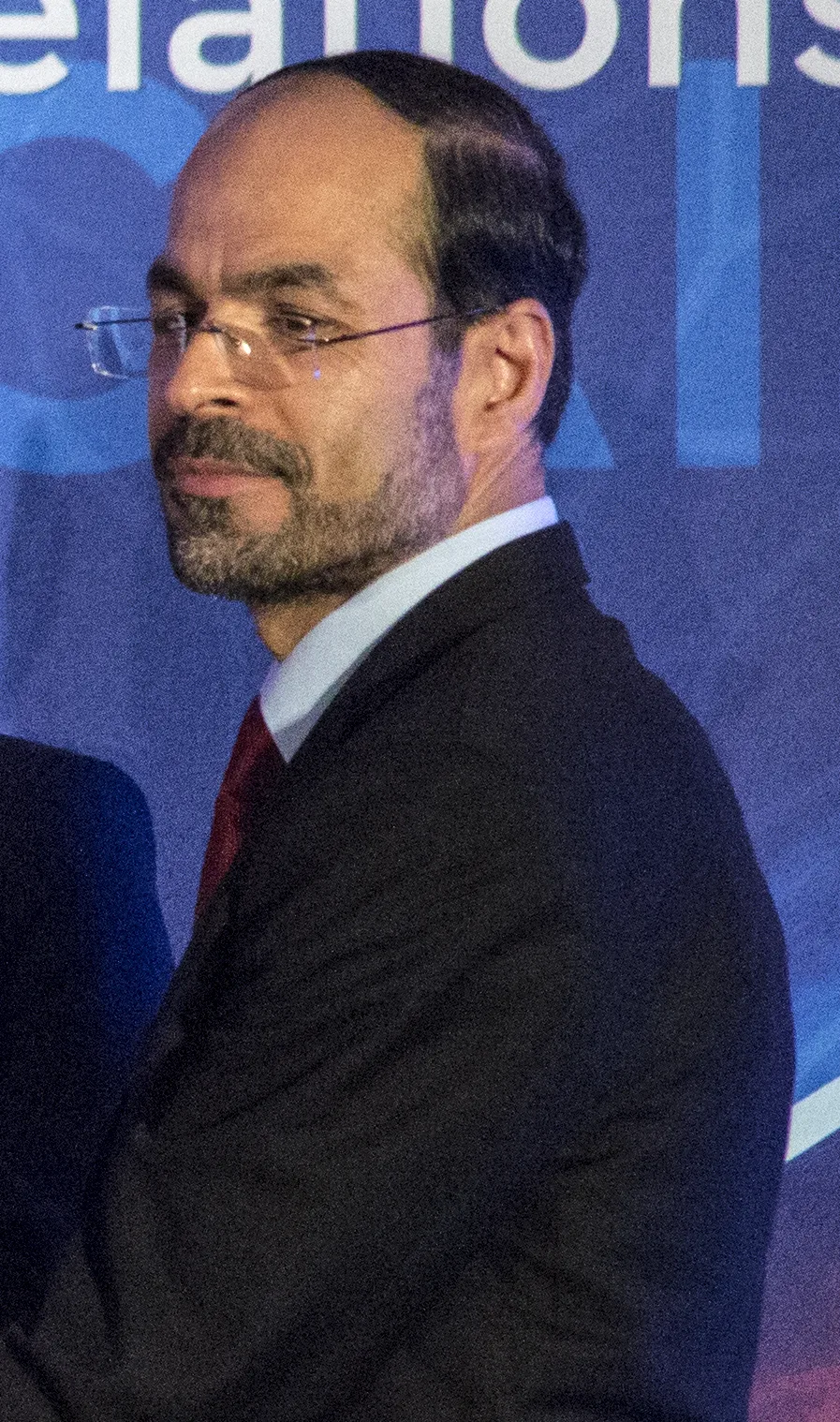
The Council on American-Islamic Relations has suspended its operations in Florida after a federal judge declined to block the state’s designation of the national organization and its Florida chapter as domestic terrorist organizations. But the November 4 ruling was not an across-the-board endorsement of the state’s actions. Chief U.S. District Judge Allen Winsor granted limited preliminary protection for the groups’ receipt of legal services while denying the rest of their request for immediate relief. The difference matters because the organizations’ lawsuit continues.
CAIR-Florida’s website now displays a statement announcing the suspension and calling the state’s enforcement baseless and unconstitutional. Those descriptions are the organization’s position. WUSF independently reported that its Tampa office was closed on November 5, when the designations took effect. The public broadcaster documented a closure notice on the door. Reuters reported the suspension on November 6, citing both the organization and state officials. This is a suspension of Florida operations, not an announcement that CAIR has ceased operating throughout the United States.
The court record provides a specific chronology. Florida’s chief of domestic security sent notices of intent that the groups received on September 18. They submitted written objections a week later. Governor Ron DeSantis and the Cabinet approved the designations at a September 29 public meeting. The order says the groups’ lawyer attended but had no opportunity to speak. The designations were published in the Florida Administrative Register on October 6 and were scheduled to take effect November 5.
Winsor’s order also says state law provided a route to challenge the designations in Florida’s Second Judicial Circuit Court, which the plaintiffs did not pursue. Their federal lawsuit presents constitutional challenges to the designation system and its consequences. These are different procedural routes. Reporting that the groups are appealing the federal decision should not be confused with saying they previously exercised the state statutory appeal described in the order.
The organizations’ lawyers announced on November 5 that they would appeal. The ACLU, which represents the groups and is an interested party in the litigation, said the shutdown interrupts advocacy and services for Florida residents. Its description of the chapter’s work includes assistance with discrimination and immigration matters. It also said neither organization has been charged with or convicted of a crime. The civil designation and the continuing constitutional lawsuit should not be described as a criminal conviction.
State officials present a different account. WFTV reported the Florida Department of Law Enforcement’s statement welcoming the decision and defending the designations as a public-safety measure. Reuters also reported that DeSantis and Attorney General James Uthmeier celebrated the outcome. Their statements establish the state’s position. They do not expand the federal court’s findings beyond the questions the judge actually considered.
This dispute follows an earlier effort under a separate executive order. The November 4 decision recounts that a court had preliminarily blocked enforcement of DeSantis’s earlier order because it likely violated the First Amendment. That appeal remained pending when Winsor issued the new decision. Florida subsequently enacted legislation creating a designation process. A ruling about that new process is not interchangeable with the earlier injunction concerning the executive order.
What the judge protected and what remains unresolved
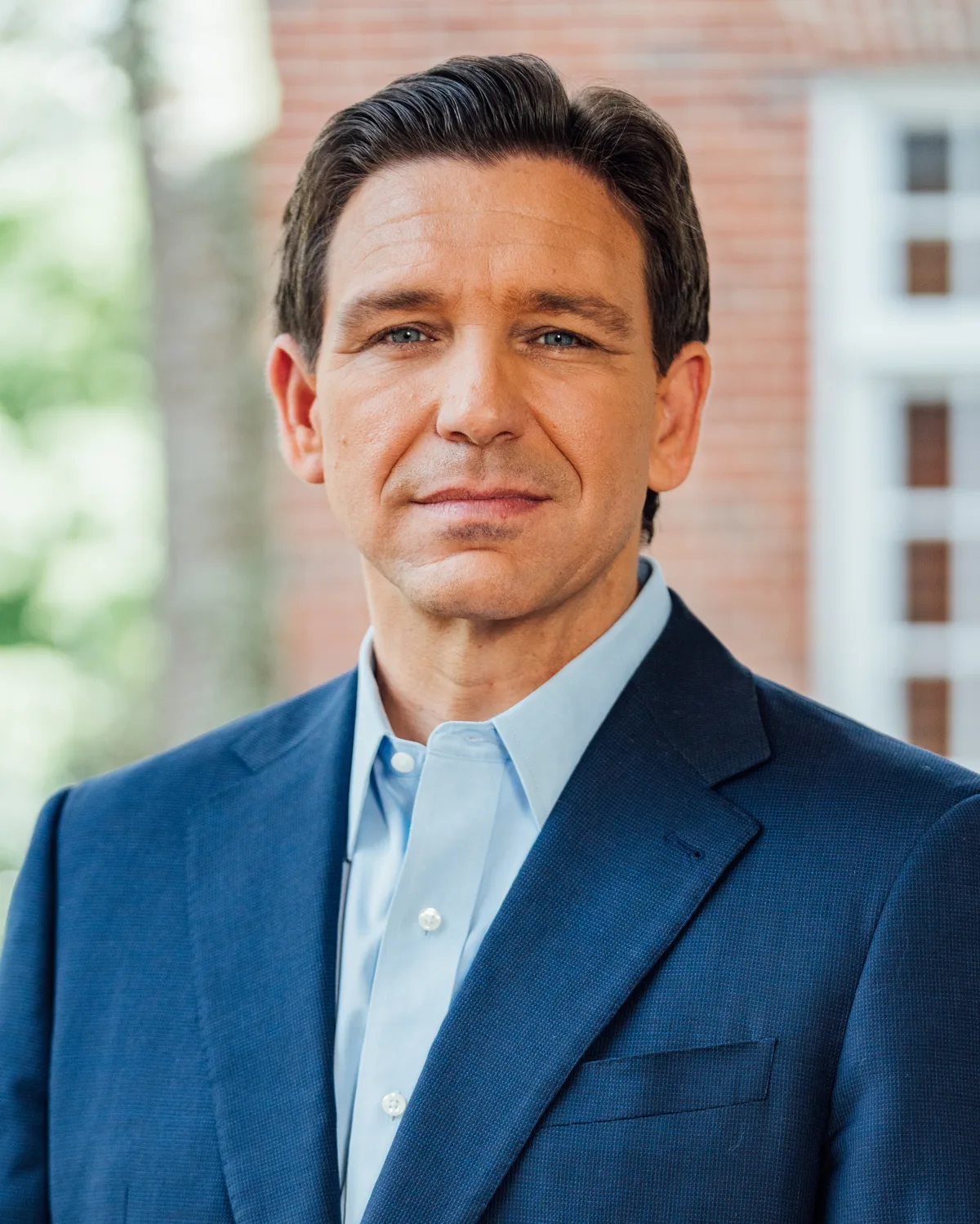
The November 4 order expressly says the question at this stage is not whether the plaintiffs are, in fact, terrorist organizations. It describes sharply conflicting positions from the state and the nonprofits, then identifies the narrower constitutional questions raised in the request for preliminary relief. Leaving a designation in place while a lawsuit proceeds is therefore different from a court independently deciding that every allegation underlying that designation is true.
The standard for a preliminary injunction also limits what can be inferred. The judge explains that plaintiffs must establish a substantial likelihood of success, irreparable harm, a favorable balance of harms and consistency with the public interest. Failing to meet that standard can leave challenged government action in effect before the litigation reaches a final judgment. The decision acknowledges the serious disruption expected from the designations, including the closure of Florida operations, while distinguishing that harm from the separate showing required for relief.
Not every claim in the lawsuit was presented as a ground for this injunction. Winsor says the plaintiffs did not seek preliminary relief on their First Amendment retaliation claim or their preemption claim. The motion instead relied on due process and several speech and association theories. Consequently, this order cannot settle claims that were outside the motion. Describing the entire lawsuit as over would erase a distinction the judge makes near the start of his analysis.
The successful part of the motion concerns legal services. The order examines how Florida’s material-support provision could restrict the groups’ ability to receive expert advice from counsel. Winsor concluded that the plaintiffs were likely to succeed in showing that the restriction, as applied to their receipt of legal services, violated the First Amendment. The court treated that restriction as a content-based regulation of speech and found that the state had not justified it under the required scrutiny.
The operative language is specific. It bars the attorney general and state attorneys, together with the people acting with them described in the order, from enforcing Florida Statutes section 775.33(3) against the plaintiffs, their employees or third parties based on providing legal services to the plaintiffs. It does not remove the designations or grant unrestricted permission for every form of support. The injunction is conditioned on the plaintiffs posting a $1,000 bond. That condition belongs in an account of the relief, rather than silently assuming the order took effect without it.
The ACLU separately reported a stipulation by the defendants concerning good-faith, reasonable participation in the two legal challenges and actions undertaken to comply with legal obligations. That account is a statement from plaintiffs’ counsel about an agreement with the defendants. It should be kept distinct from the text of the injunction. Neither the reported stipulation nor the limited court protection establishes that CAIR-Florida has resumed its ordinary services.
The practical result is a divided one. The state’s designations remain in place at this stage, and the organizations say their Florida work has stopped. At the same time, the court has recognized a likely constitutional defect in restricting access to legal services and has provided a mechanism for limited protection. Those outcomes can coexist because maintaining a legal challenge and operating the underlying nonprofit are different activities under the disputed framework.
Winsor directed the parties to confer and propose a litigation plan within fourteen days of the November 4 order, including their separate positions where they disagree. The announced appeal presents another possible route to changing the immediate outcome. Further orders, rather than either side’s declaration of victory, will determine whether the designations or restrictions change. For now, the documented developments are the Florida shutdown, the limited legal-services relief and an unresolved constitutional challenge.
View sources
Source publication or schedule date: Court order November 4; designation effective and shutdown November 5; independent reporting November 5–6; sources checked November 7, 2026.
- U.S. District Court — November 4 order, Document 65, 36 pages
- CAIR-Florida — statement announcing suspension
- WUSF — November 5 reporting from closed Tampa office
- Reuters — November 6 independent reporting
- ACLU — November 5 statement by plaintiffs’ counsel, appeal and reported stipulation
- WFTV — November 6 reporting and FDLE response
- Federal court docket — case 4:26-cv-00521, Document 65
- Government of Florida — official DeSantis portrait and public-record provenance
- Alparslan Esmer / VOA — archival Nihad Awad photograph and public-domain provenance
Prepared with AI assistance. Source-based reporting checked on November 7, 2026. This article does not update automatically. Read our editorial standards.