Two diplomatic tracks, with different commitments
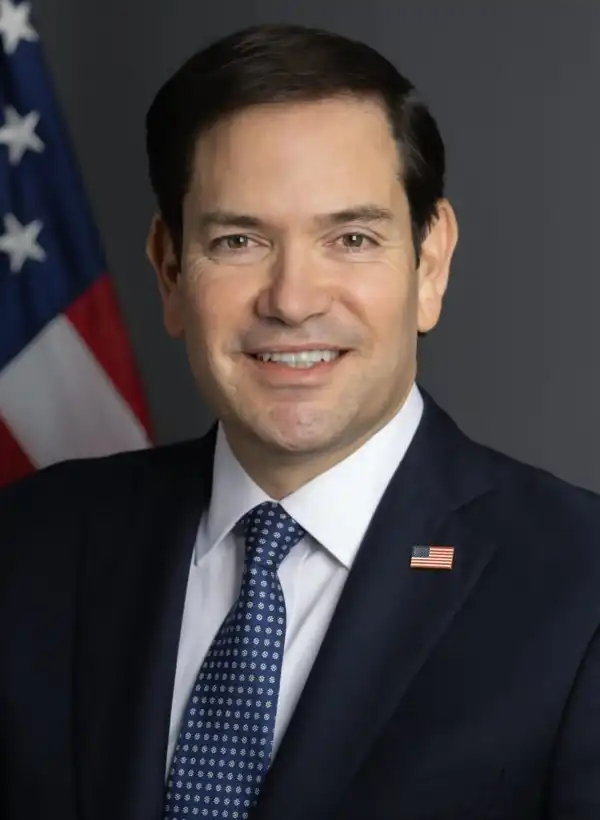
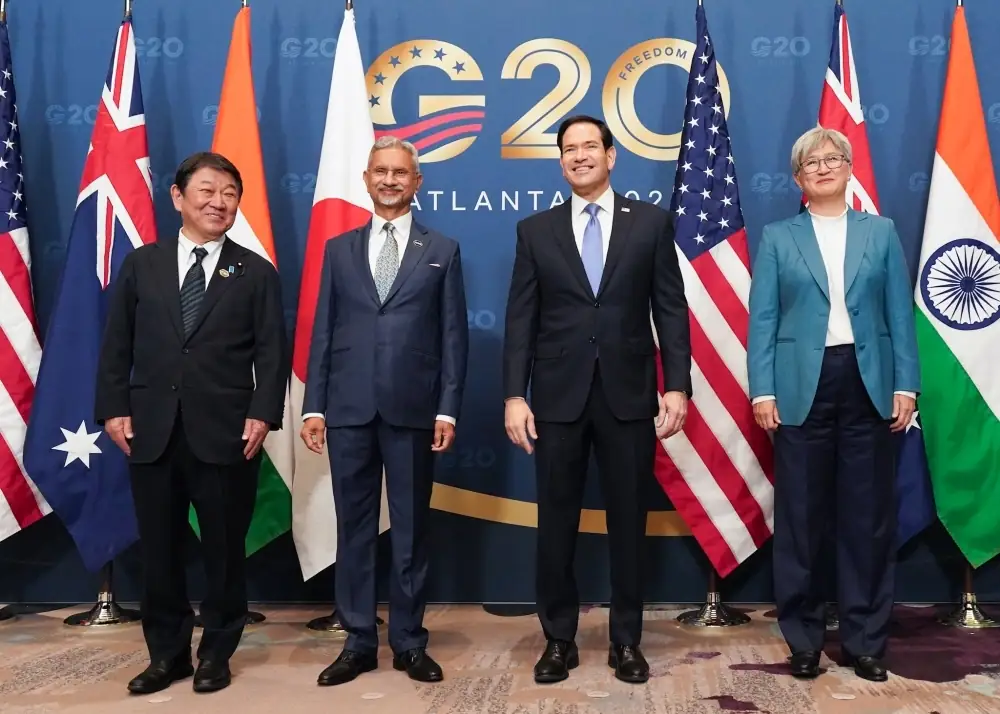
The United States is examining proposals for a limited Black Sea ceasefire to protect commercial grain and energy shipments, Secretary of State Marco Rubio said in Atlanta on October 31, according to Reuters. He identified ideas from Türkiye and India and presented the effort as a way to address one part of the Russia-Ukraine war. The reported comments describe diplomatic work under review, not an announcement that the belligerents have accepted or implemented a truce.
A separate development came from Istanbul the same day. In a statement published by his office, Ukrainian President Volodymyr Zelenskyy said he and Turkish President Recep Tayyip Erdoğan had agreed to work on a Black Sea grain corridor so that it would exist and operate effectively. That is an agreement between Kyiv and Ankara to pursue work. It should not be enlarged into a claim that Moscow signed a ceasefire or that a new international monitoring system is already operating.
The Turkish presidency’s communications directorate confirms that Erdoğan and Zelenskyy held talks and a joint press conference at the Dolmabahçe Presidential Office. Erdoğan said their discussions covered efforts toward peace and the Black Sea security situation. He reiterated Türkiye’s readiness to assist diplomacy. This original account corroborates the meeting and its agenda while leaving the eventual terms of any shipping arrangement to further work.
Zelenskyy’s statement also said Ukraine was preparing for a trilateral format involving Ukraine, the United States and Russia in the first half of November. He described discussion of possible Turkish and wider European involvement. This is Kyiv’s account of preparations and options, rather than a jointly issued notice confirming the date, venue and agreed participants of a completed negotiating round. Each of those details would require its own confirmation before being presented as settled.
The distinction matters because several things can be true at once: Washington can review proposals, Ukraine and Türkiye can agree to develop a corridor, and an enforceable ceasefire can remain unresolved. Anadolu’s independent account of Rubio’s press conference likewise reports proposals under examination and his warning that a shipping initiative would not resolve the whole war. The verified development is renewed, narrower diplomacy around maritime trade, not a comprehensive peace settlement.
Sources: Reuters — October 31 Black Sea proposals, independent reporting ↗ · Anadolu Agency — Rubio press-conference account, October 31 ↗ · President of Ukraine — original October 31 statement ↗ · Türkiye Directorate of Communications — original October 31 press-conference account ↗
A grain corridor is an operating arrangement, not just a declaration
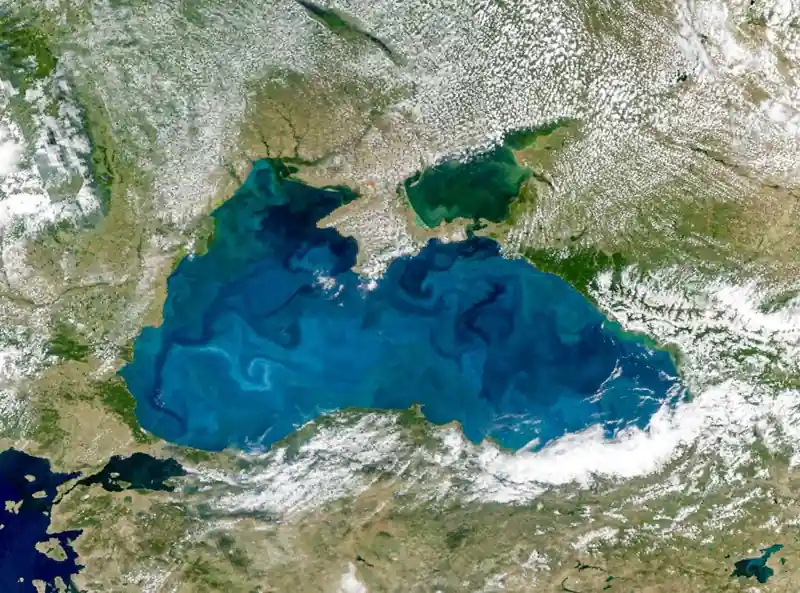
The Black Sea is connected to the Mediterranean through a chain of waterways, including the Bosphorus at Istanbul and the Sea of Marmara. NASA’s geographic account and the archival satellite view accompanying this section help locate the waters involved. The image does not show a current security assessment, an approved shipping lane or the position of vessels in October. Geographic context should not be mistaken for evidence that a route is presently safe.
There is a relevant historical precedent, but it is not the same agreement being announced anew. The United Nations’ account says the Black Sea Grain Initiative began in July 2022 with Russia, Ukraine, Türkiye and the UN. Its final term expired on July 17, 2023. Those dates identify a previous mechanism. Describing current proposals as discussion of a corridor does not establish that the old initiative has resumed, that its participants have returned on the same terms or that its operating rules automatically apply.
The UN’s background material describes the earlier Joint Coordination Centre, ship applications through Ukrainian port authorities, monitoring and inspections intended to enable safe passage. These details show why the word corridor covers practical arrangements as well as diplomatic language. A usable mechanism needs clarity about the vessels and cargo it covers, the authorities coordinating passage and the procedures that participants are expected to follow. The historical account supplies examples of implementation questions, not a specification for a new 2026 agreement.
VIRVIB analysis: the next text to examine is therefore any published operational framework. It could identify participating governments, geographic coverage, the treatment of grain and energy cargoes, verification responsibilities and what happens after an alleged breach. Until those terms are available, the public cannot reliably infer whether different governments mean the same thing by a limited shipping ceasefire. A statement of support answers a question about political willingness; it does not establish compliance at sea.
Nor should these discussions be used to claim that every Black Sea export has stopped, that every vessel will be protected or that food and energy prices will immediately fall. The records reviewed here do not establish those sweeping conclusions. The narrower reader question is whether the proposals produce a documented, functioning arrangement that reduces the risks facing civilian trade. Measuring that outcome would require evidence of implementation after an agreement, rather than confidence drawn from the announcement alone.
Sources: Reuters — October 31 Black Sea proposals, independent reporting ↗ · President of Ukraine — original October 31 statement ↗ · United Nations — historical grain-initiative dates and procedures ↗ · United Nations — historical coordination-centre background ↗ · NASA — Black Sea geography and June 22, 2026 image provenance ↗
Why the U.S. debate over pressure still matters

The new maritime discussions develop against the argument over American leverage already examined in this article. In his October 25 Wall Street Journal opinion essay, Senator Mitch McConnell criticized pressure on Ukraine and accommodation of Vladimir Putin, arguing that concessions would encourage the Russian leadership. That is McConnell’s strategic judgment, not an official finding that any new shipping proposal must fail. His essay does not establish the contents of proposals now being reviewed.
NATO’s institutional position provides a separate reference point. Its support-for-Ukraine account says the best route to a lasting peace is to help Kyiv negotiate from a position of strength. It describes the Prioritised Ukraine Requirements List, or PURL, as a mechanism through which other allies and partners finance packages of U.S. equipment and NATO coordinates delivery. That division of responsibilities matters when evaluating claims about American support: equipment sourced from the United States and assistance paid for entirely by Washington are different things.
The alliance’s October 23 report of an October 20–22 visit to Ukraine supplies more recent detail. NATO officials said they discussed battlefield conditions, winter needs and reforms, and reaffirmed support through PURL and the Comprehensive Assistance Package. The account also describes military medicine and rehabilitation work. Those are dated activities reported by NATO, not proof that every commitment has been delivered or that a particular ceasefire proposal has altered those programs.
Taken together, the records show why negotiation and support should be examined separately rather than treated as mutually exclusive choices. A limited maritime arrangement would address a specified set of risks. Equipment procurement, medical assistance and wider diplomatic negotiations address other needs. None of the statements reviewed for this update announces that a grain-corridor discussion replaces a territorial settlement, guarantees Ukraine’s long-term security or ends all assistance to Kyiv.
The next material development would be agreement text, a joint announcement from the relevant parties or documented implementation. Readers should also watch for confirmed details of the November negotiating format described by Zelenskyy, while retaining the difference between preparation and an event that has occurred. For now, Rubio has described a review of proposals, and Zelenskyy has reported a Ukrainian-Turkish commitment to work on a grain corridor. Those are consequential diplomatic steps whose limits remain part of the story.
Sources: Reuters — October 31 Black Sea proposals, independent reporting ↗ · Anadolu Agency — Rubio press-conference account, October 31 ↗ · President of Ukraine — original October 31 statement ↗ · Mitch McConnell — original October 25 opinion essay ↗ · NATO — support for Ukraine and PURL mechanism ↗ · NATO — October 23 account of officials’ visit to Ukraine ↗
Why this story is in the editionGoogle Trends U.S. RSS was reviewed October 31, 2026 and included sports and other current queries. This substantive Ukraine-policy update was selected from new, verified reporting after reviewing VIRVIB’s existing coverage. No feed position, ranking or search volume is asserted.
Prepared with AI assistance. Source-based reporting checked on 2026-10-31. This article does not update automatically. Read our editorial standards.