Trump returns to the Atlantic Ocean naming idea
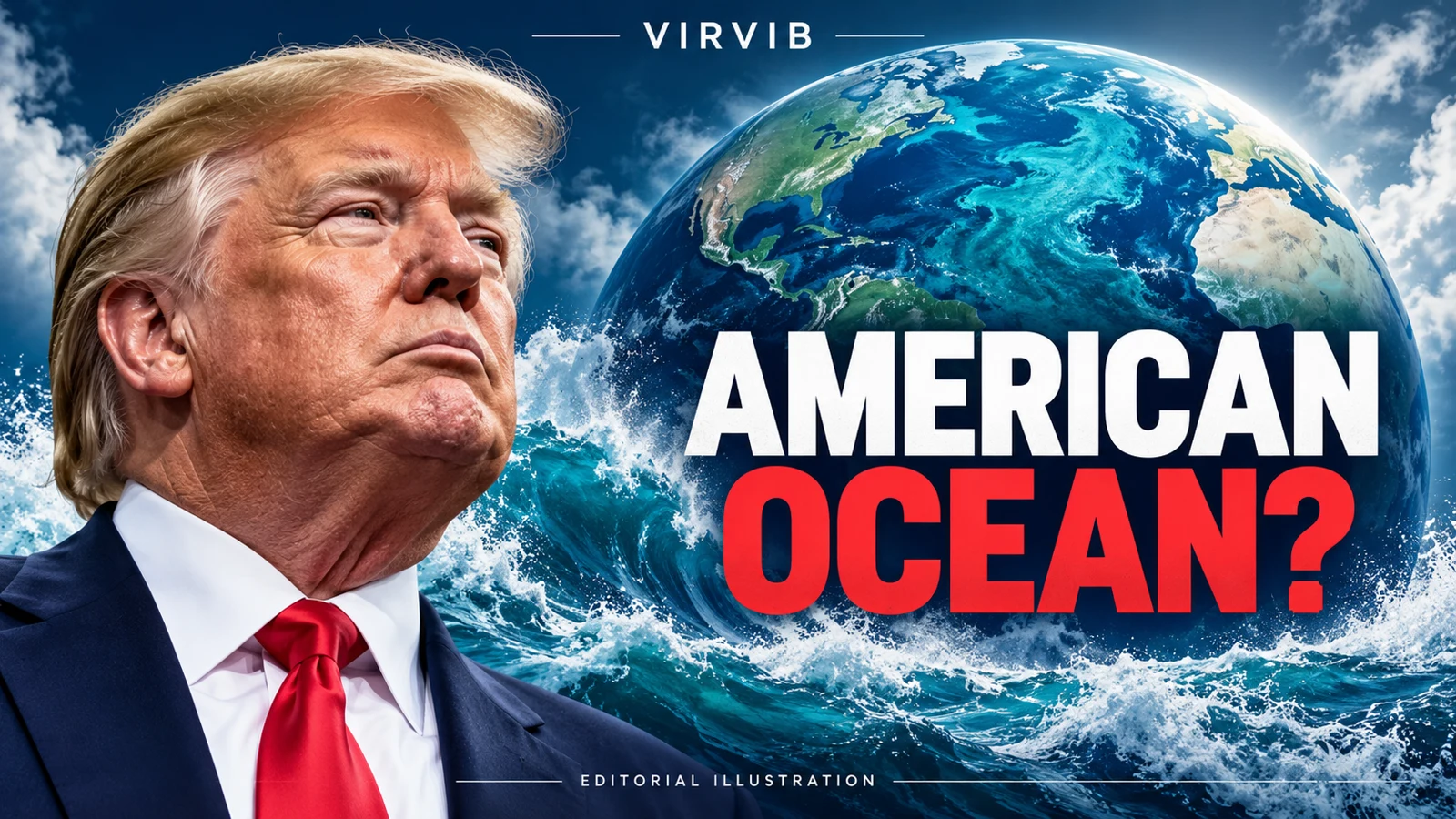
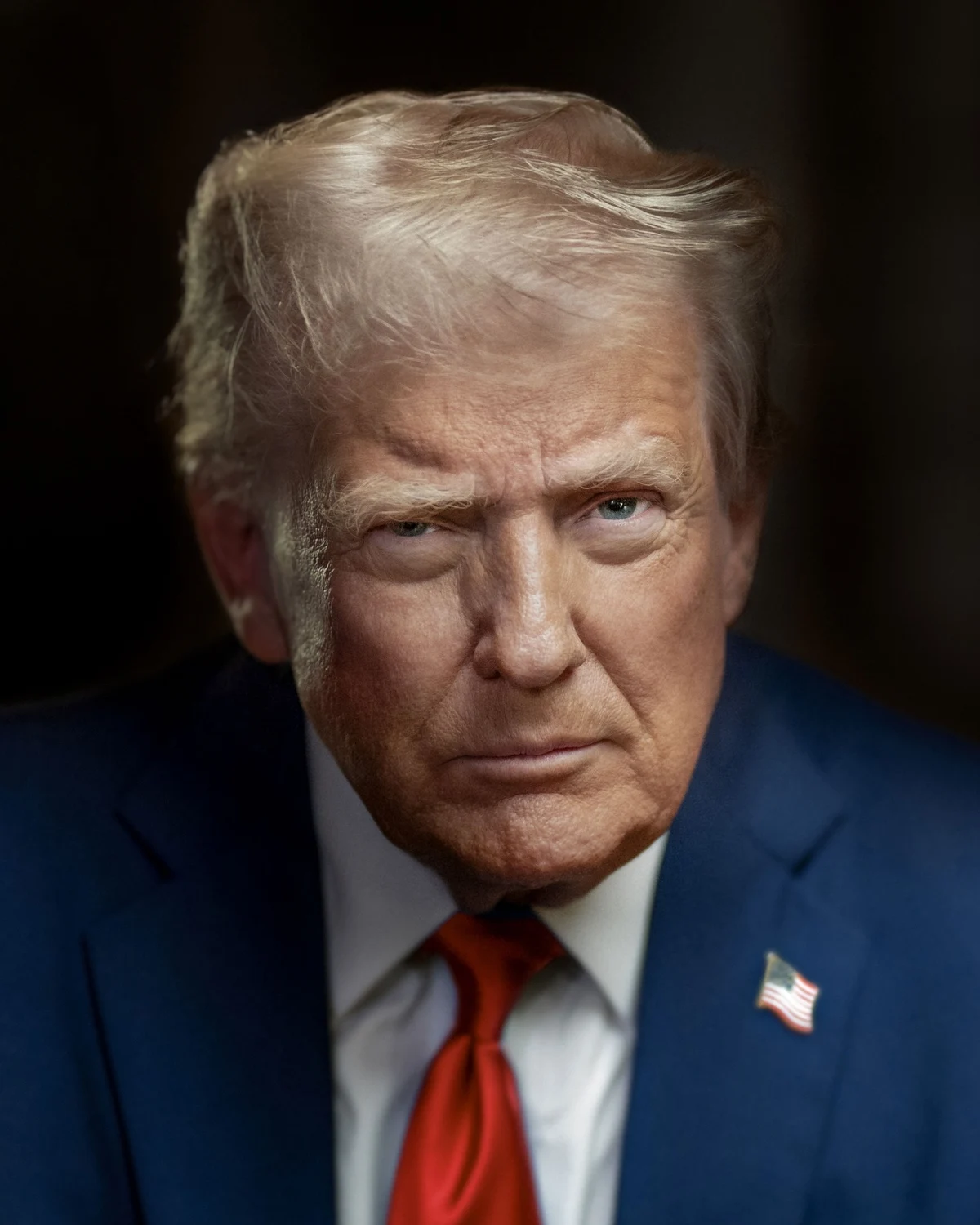
President Donald Trump has again floated calling the Atlantic Ocean the “American Ocean,” while promising to leave the Mississippi River’s name alone. The Associated Press reported the remarks from his October 26 appearance in Mississippi, where he campaigned for Republican Senator Cindy Hyde-Smith ahead of the November 3 midterms. His comments extended a recurring discussion about adding an ocean and a river to his geographic renaming agenda. They did not establish that an Atlantic renaming had taken effect.
The immediate answer for readers asking whether the Atlantic Ocean has been renamed is therefore narrower than the headline might suggest. The reporting reviewed for this article describes a presidential proposal. It does not document a completed change to the ocean’s name. That distinction should remain visible when a speech clip is shortened into a headline, social post or illustrated cover.
The idea had surfaced earlier in October. People reported that Trump discussed possible names for either the Atlantic or Pacific at an October 10 gathering in Clarksville, Tennessee. Among the alternatives were a name honoring himself and one invoking the Americas. Those remarks showed that he was considering more than one ocean and more than one label, rather than announcing a settled naming policy.
There is also an unresolved technology-company element. The Washington Post reported on October 22 that Trump said he had called Google chief executive Sundar Pichai about renaming the Atlantic. In Trump’s account, Pichai discouraged him because oceans border multiple countries. Trump indicated he would probably leave the Atlantic name in place, while raising a Pacific alternative. Google had not confirmed the conversation in that report. The alleged exchange must consequently remain attributed to Trump, rather than presented as an independently verified corporate decision.
VIRVIB analysis: the changing choice of ocean and wording matters. A proposed name, a reported private conversation and a published instruction to agencies are different forms of evidence. Treating them as interchangeable would give readers a false impression of how far the initiative has progressed. The useful question is not simply whether the president repeated the idea, but whether an identifiable government action followed it. The previous gulf and lake changes provide concrete examples of the documentary record such an action can leave.
Sources: Associated Press — October 26 Mississippi rally ↗ · People — October 10 ocean-name proposal ↗ · The Washington Post — Trump’s account of a Google call ↗
The gulf and lake precedents are written into executive orders
The first major precedent is Executive Order 14172, signed on January 20, 2025. The White House text directed the Interior secretary to undertake a “Gulf of America” renaming and update the Geographic Names Information System. It specified the U.S. continental-shelf area bounded by Texas, Louisiana, Mississippi, Alabama and Florida, extending toward the maritime boundaries with Mexico and Cuba. It also directed consistent references across federal agency maps, contracts and communications.
The same order addressed Alaska’s highest peak, directing restoration of the Mount McKinley name in federal nomenclature while retaining Denali National Park and Preserve for the surrounding park. Its stated policy connected geographic names to the administration’s account of national heritage. These were written directions with identified implementing officials and deadlines, rather than a rally suggestion about what a landmark might eventually be called.
A subsequent USGS account, published February 14, 2025, described implementation of the gulf change. It identified Interior Secretary Doug Burgum’s February 7 order and the Board on Geographic Names’ role in carrying it out. This is a separate evidentiary step from the president’s initial announcement: an agency explaining what it did after receiving an instruction. For readers tracking a future ocean proposal, that distinction offers a useful way to separate an intention from an implemented database update.
The lake precedent came on August 27, 2026, through Executive Order 14422. The White House directed that Lake Ontario be renamed Lake America for federal use. The order described the lake’s boundaries with New York and the Canadian province of Ontario and gave the Interior secretary, working with the Board on Geographic Names, 30 days to act. It required a GNIS update and guidance covering federal maps, contracts, documents and communications.
The lake order’s rationale emphasized shipping, commerce, energy, water supplies and American contributions to the Great Lakes system. Those claims belong to the administration’s justification for its decision. The operative instructions concern naming and federal references. Reading those parts separately helps avoid confusing a political argument about a place’s importance with the administrative steps used to change its designation.
Both records are available for inspection and contain dates, responsibilities and implementation language. Their existence makes the current comparison more precise. An article about the Atlantic should identify an equivalent document if one emerges, explain its exact scope and distinguish the text of the instruction from evidence that agencies have completed it.
Sources: White House — Executive Order 14172 ↗ · USGS — implementation of the gulf database change ↗ · White House — Executive Order 14422 ↗
What a new name changes—and what readers should check next
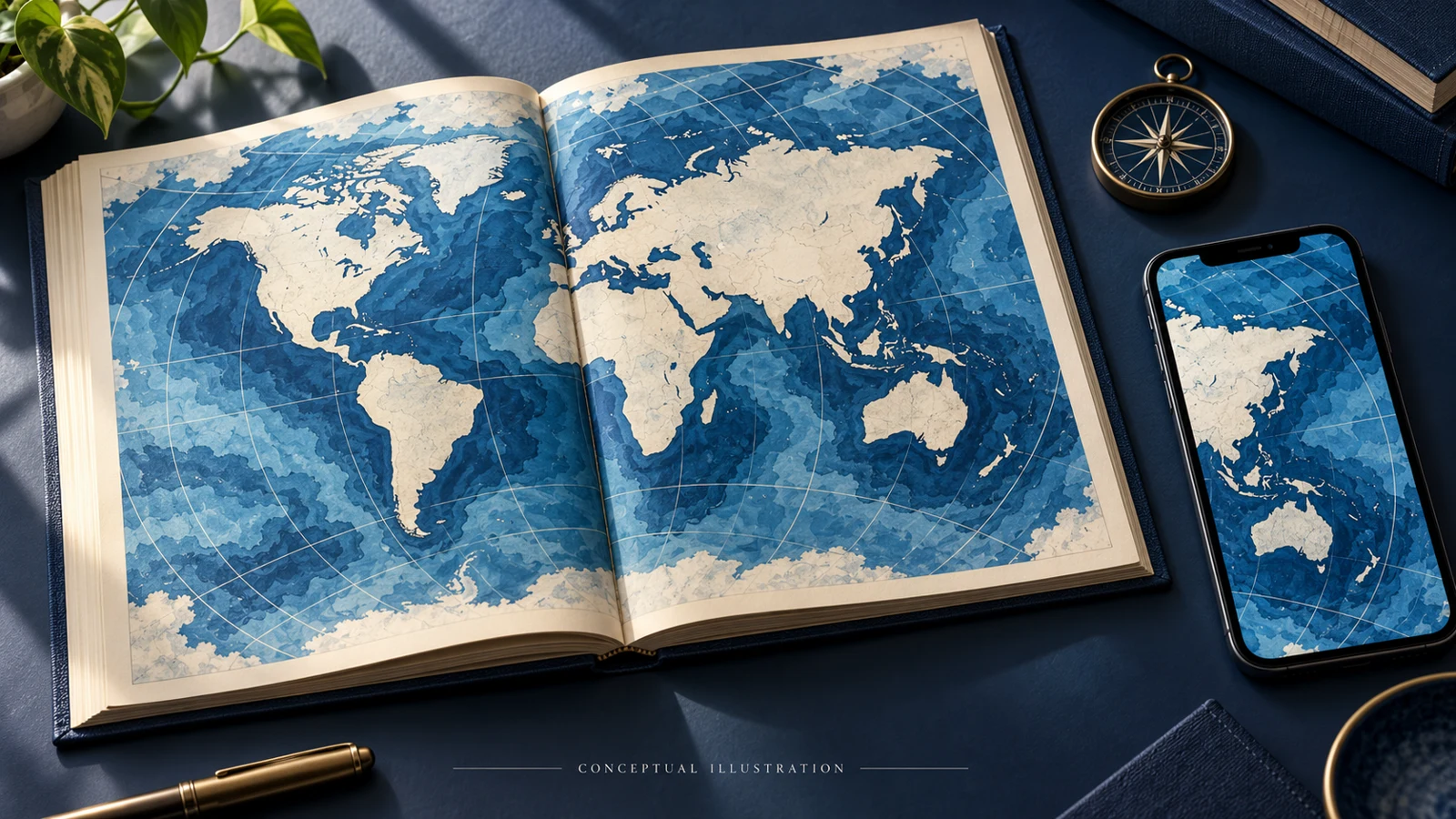
A naming directive can reach the language of regulations without changing the underlying rules. NOAA illustrated that distinction in a final rule published on August 7, 2025. The National Marine Fisheries Service and National Ocean Service replaced gulf-name references across regulations covering fisheries, marine mammals, coastal management and other programs. The agency described the update as a way to align terminology with the executive order.
NOAA also explained that it could amend regulatory wording but could not rewrite statutes enacted by Congress. Where legislation retained the older name, the revised regulatory term referred to the same geographic area. The rule said the naming changes did not alter the regulations’ applicability or enforceability. This is a practical example of why a new label should not automatically be read as a new fishing restriction, a changed management area or a different set of compliance duties.
The Bureau of Safety and Environmental Enforcement supplied another operational example in its September 2025 guidance. It said existing guidance and information documents remained valid and would not be reissued merely because of the gulf-name change. Previously submitted documents using the older terminology remained valid too. Operators were expected to use the updated name in later submissions, amendments and renewals. The distinction was between updating future wording and invalidating the paperwork already on file.
Consumer mapping introduces a separate question. The Houston Chronicle’s February 2025 account described Google’s location-dependent gulf labels: American users saw the new U.S. name, Mexican users retained Gulf of Mexico, and users elsewhere saw both. That report concerns the gulf at that time; it is not evidence that Google has implemented Trump’s Atlantic proposal. A screenshot from one country also cannot, on its own, establish what every user worldwide sees.
VIRVIB analysis: the next meaningful update would identify a dated ocean-naming instrument, any implementing agency record and a separately verified statement or product change from a map provider. Those items answer different questions. The first establishes what was instructed, the second what government systems adopted, and the third what a particular service displays. Any report of international acceptance would need its own evidence rather than an assumption that an American naming decision settles usage everywhere.
For now, the article’s cover poses a question because the evidence supports a proposal, not a completed Atlantic renaming. Readers can follow the linked records to distinguish the established gulf and lake actions from the ocean idea still being discussed.
Sources: Federal Register — NOAA naming rule, pages 38001–38005 ↗ · BSEE — naming guidance for operators ↗ · Houston Chronicle — map-provider differences in February 2025 ↗
Prepared with AI assistance. Source-based reporting checked on 2026-10-27. This article does not update automatically. Read our editorial standards.