The sentence
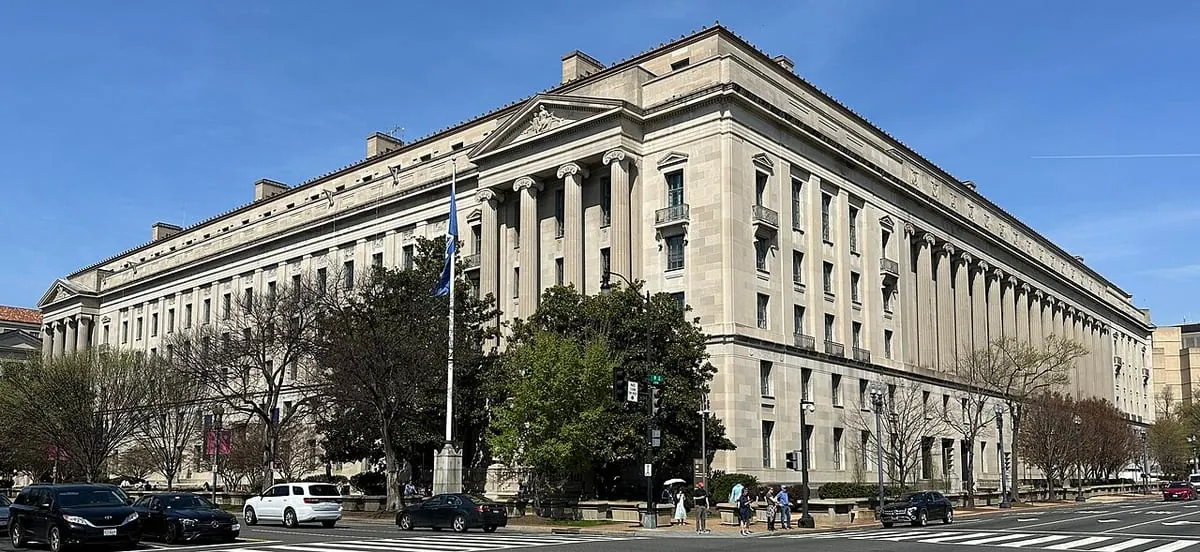
Christopher Harwood, the Florida owner of TelevisitMD, received a 20-year prison sentence on October 23, the Justice Department announced. He had pleaded guilty in March to conspiracy to commit health care fraud and wire fraud.
How the scheme worked
According to the department’s account of court documents, telemarketing campaigns persuaded Medicare beneficiaries to accept braces and genetic tests they did not need. Doctors were paid to approve orders without meaningful patient contact, and signed orders were sold to businesses participating in the scheme.
Two figures, two meanings
Prosecutors put the fraudulent claims at $46.2 million and the Medicare payments at $17.9 million. Those figures describe different stages of the billing process. The court ordered nearly $17.95 million in restitution and about $10.43 million in forfeiture.
Why an unsolicited test deserves scrutiny
The HHS inspector general’s consumer guidance describes genetic-testing fraud as billing for tests that were unnecessary or not ordered by a beneficiary’s treating physician. Its advice is to have a known, trusted physician assess the need for testing. A mailed kit or an offer described as free is therefore not a substitute for a medical decision. The agency also warns that sharing Medicare information can expose someone to further fraudulent billing. That broader guidance helps explain why the patient-contact failures matter in the TelevisitMD case.
The outcome
Harwood’s guilty plea and sentence distinguish this case from a newly filed accusation. The FBI and HHS inspector general investigated, according to the Justice Department. The financial orders address restitution to Medicare and forfeiture of proceeds alongside the prison term.
Why this story is in the editionCurrent federal enforcement development; nationwide search popularity has not been independently measured.
Prepared with AI assistance. Source-based reporting checked on October 23, 2026. This article does not update automatically. Read our editorial standards.