A former president turns foreign policy into a campaign argument
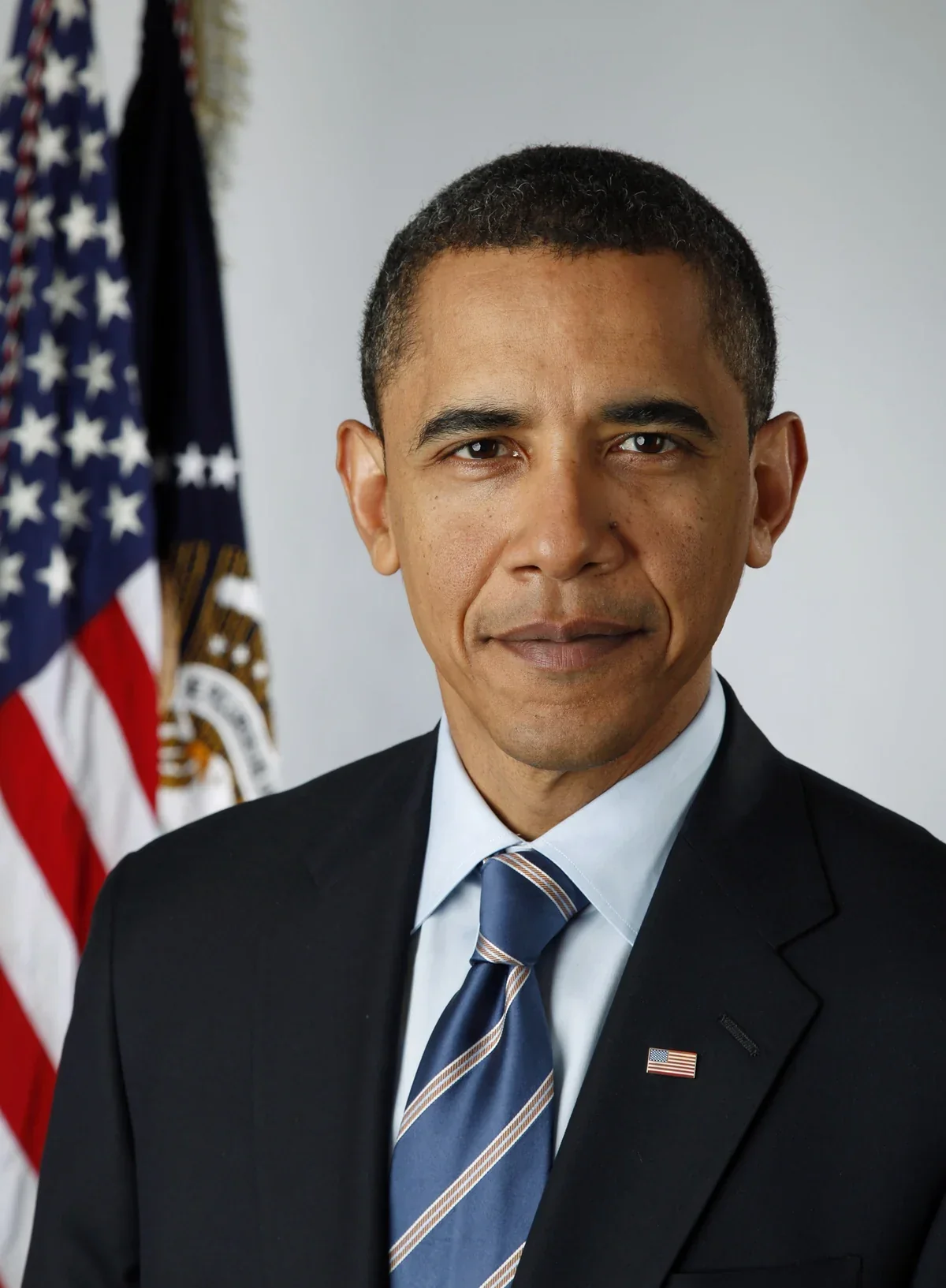
Barack Obama made the Iran war part of his case against Donald Trump at an October 24 campaign appearance in Cleveland. Speaking in support of Ohio Democrats Amy Acton and Sherrod Brown, he challenged the administration's account of success and contrasted its military approach with the nuclear diplomacy pursued during his own presidency. The setting was electoral, but the dispute concerned decisions whose consequences extend beyond the campaign.
The speech is documented in Obama's published transcript and C-SPAN's listing of the Cleveland event. In the transcript, Obama asks how the war is going after months of claims about victory. His argument connects the conduct of foreign policy with higher costs at home, including energy. Those are the former president's assertions and interpretations. A campaign speech is primary evidence of what the speaker argued, not independent verification of every military or economic claim it contains.
VIRVIB analysis: the political force of the comparison comes from the speaker's own record. Obama is defending an approach associated with his administration while criticizing the choices of a successor. That makes the disagreement more specific than a general appeal for peace or a complaint about prices. It also gives readers a reason to compare documents from the earlier policy with current evidence, rather than judge the contrast only by the audience's response.
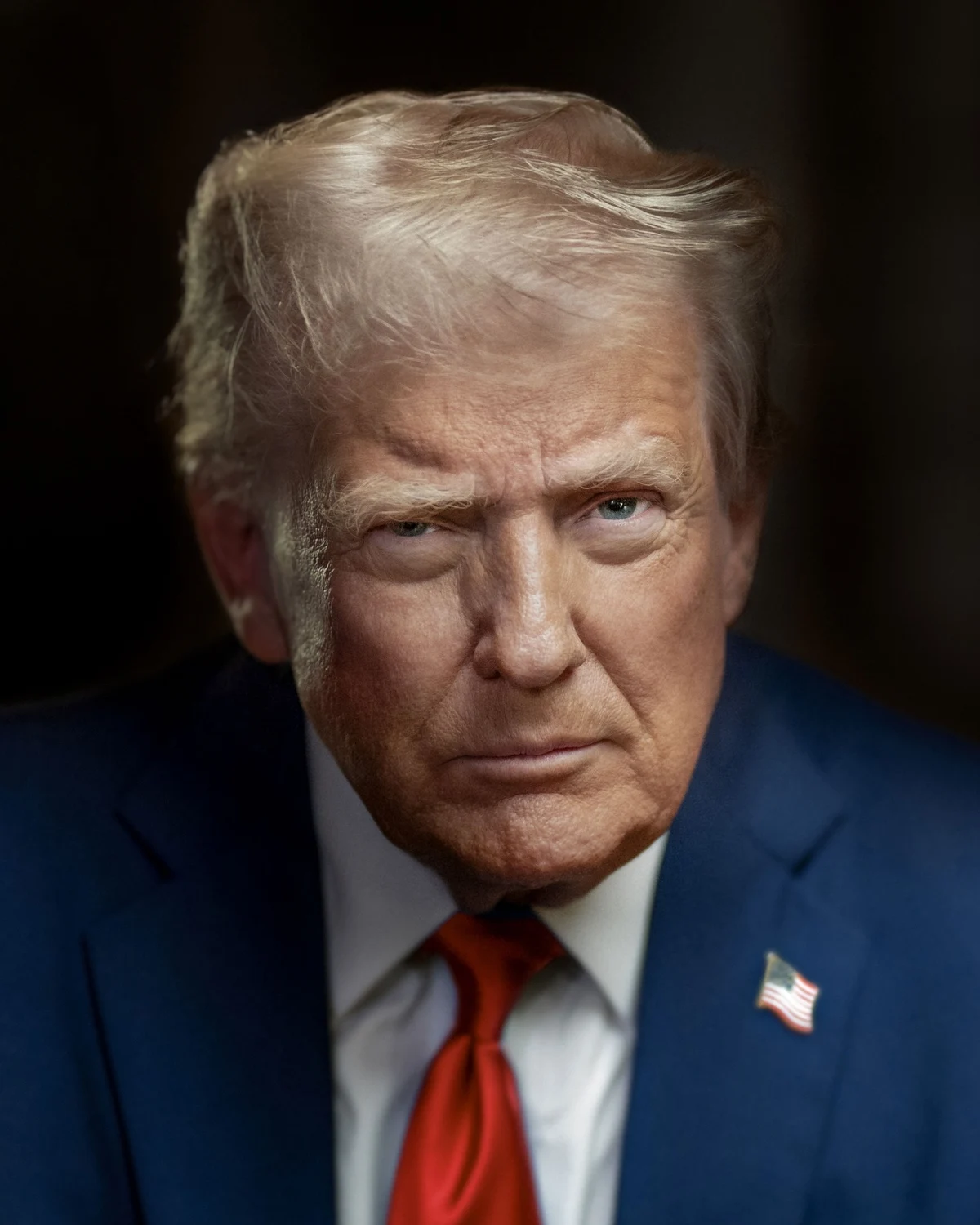
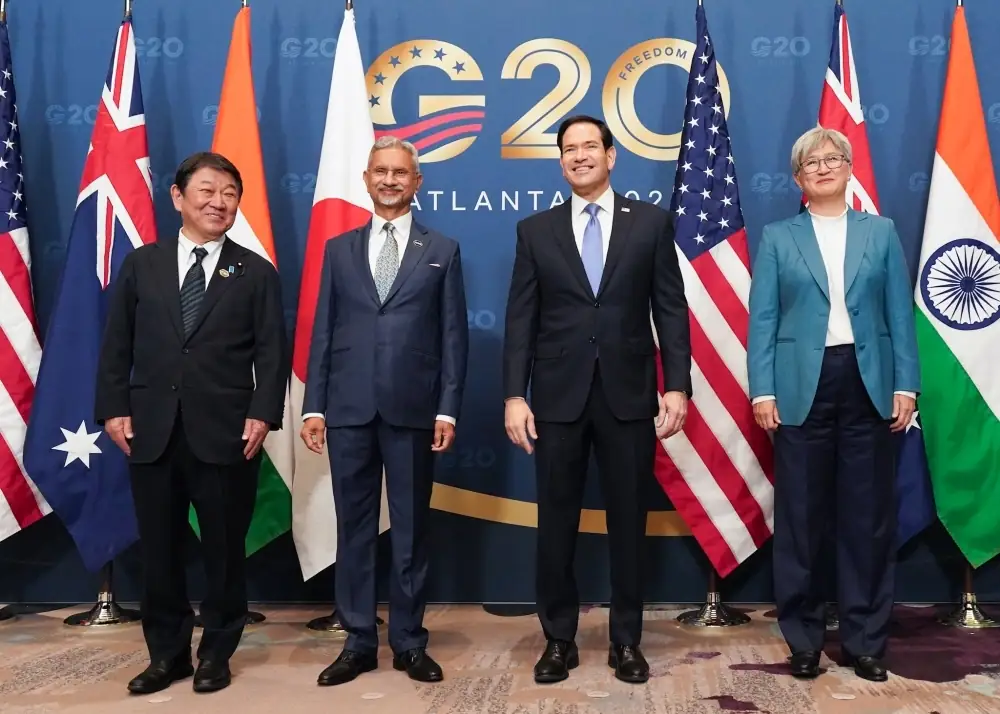
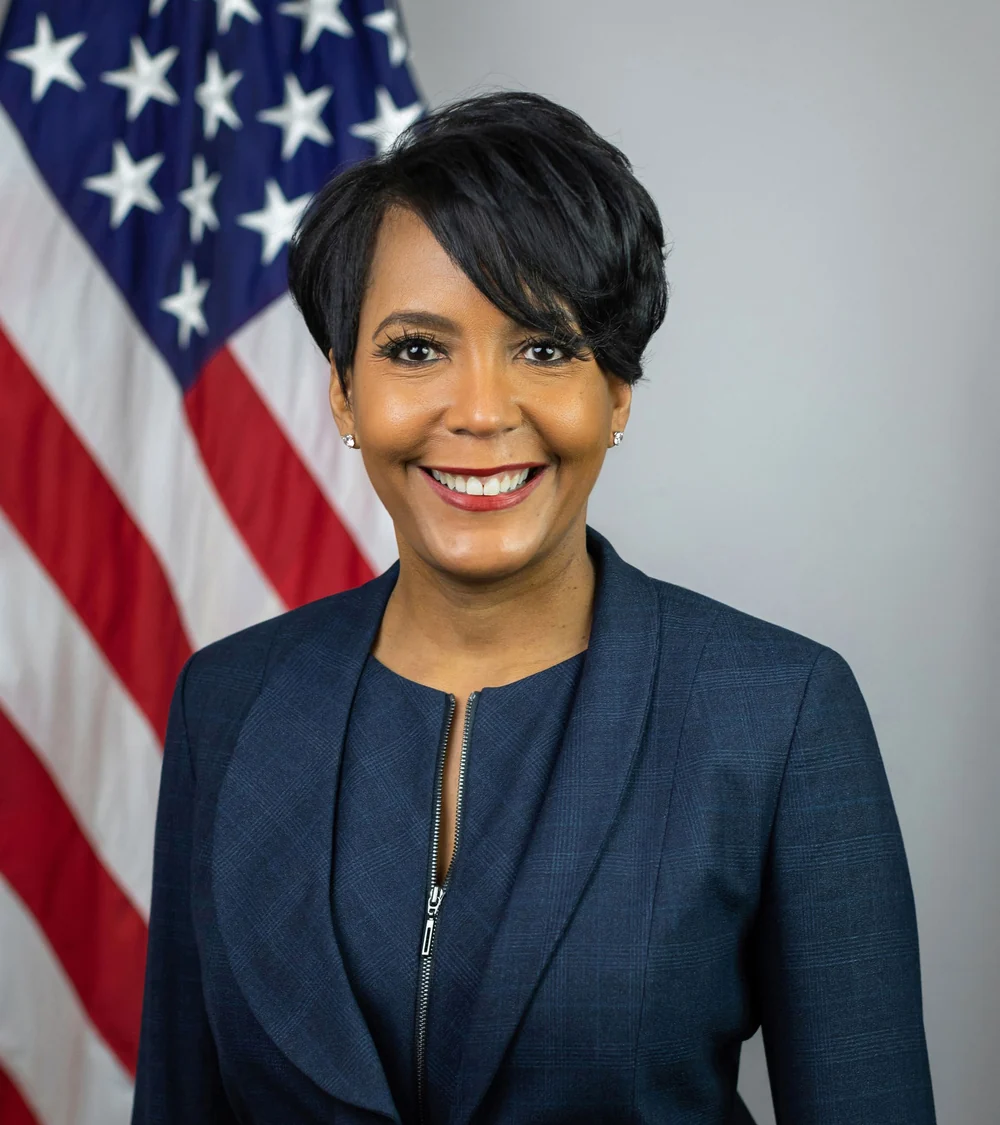
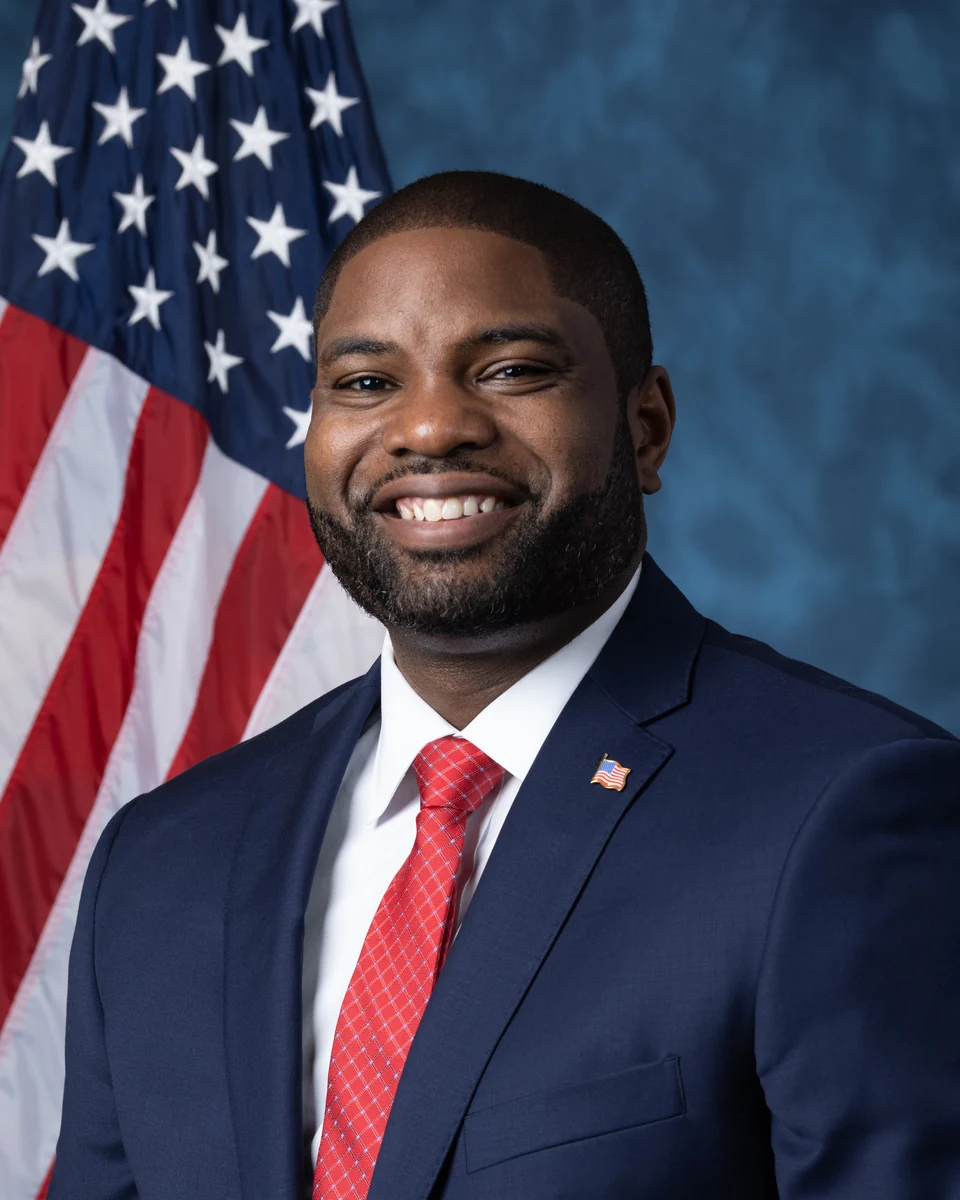
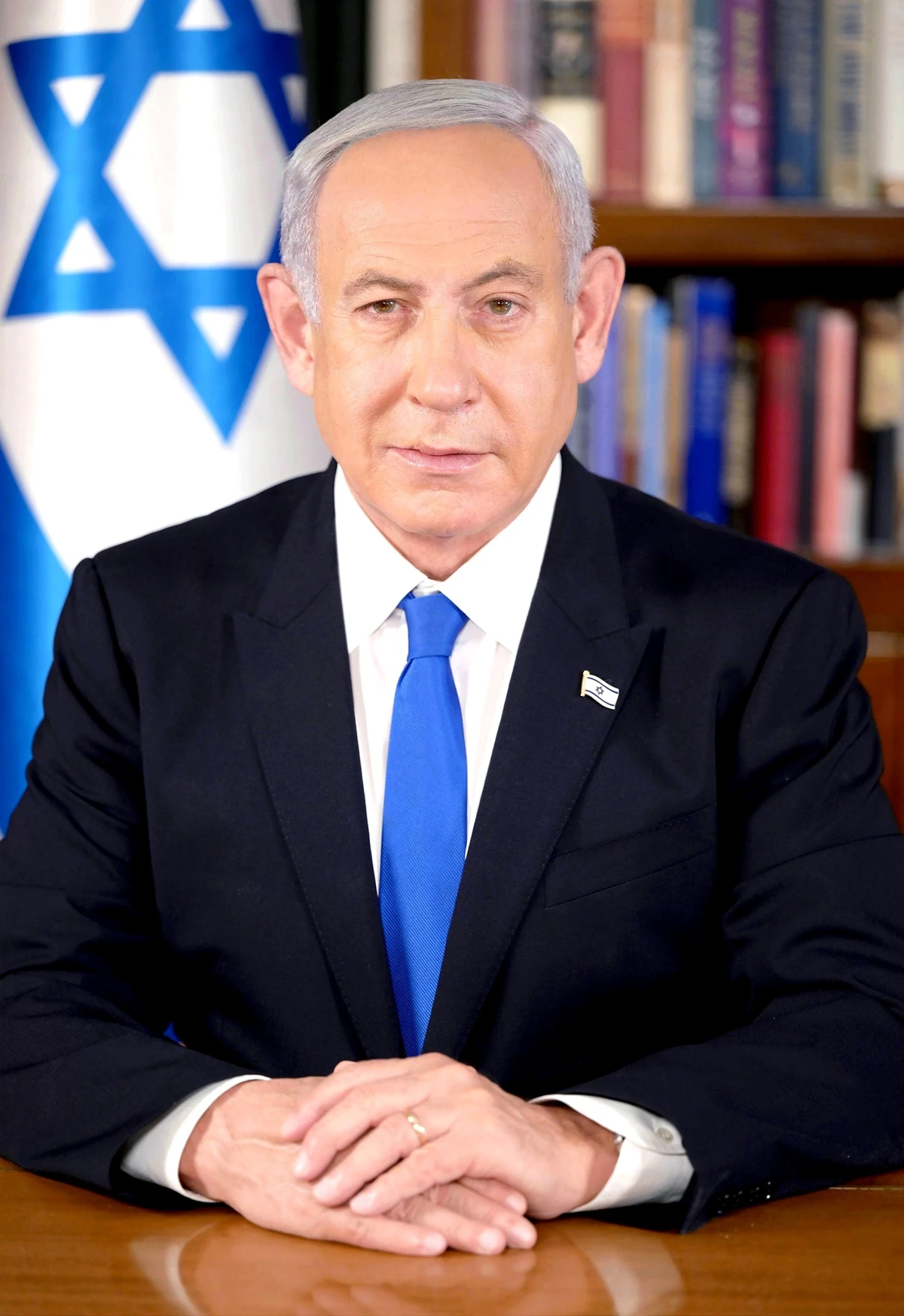
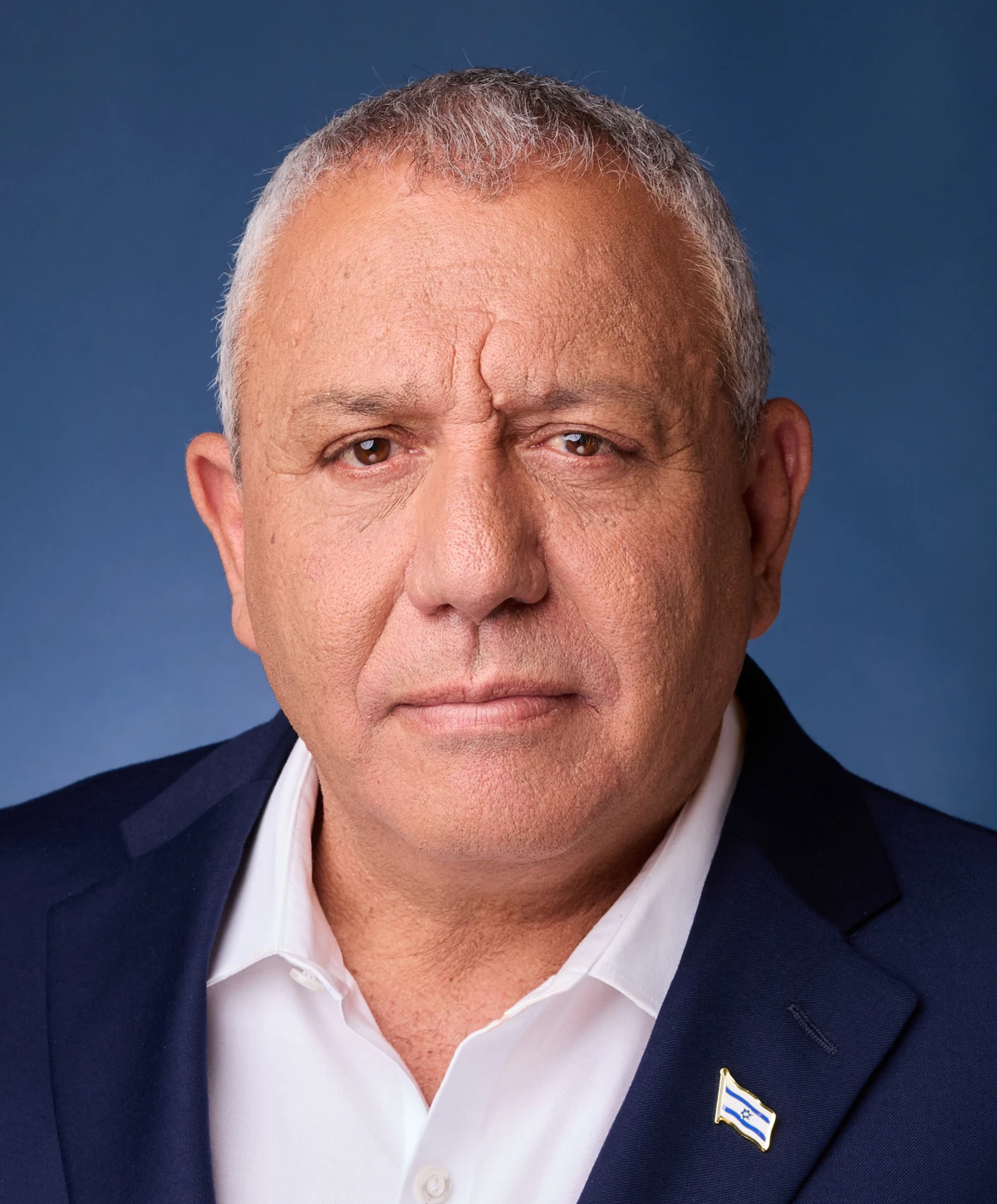
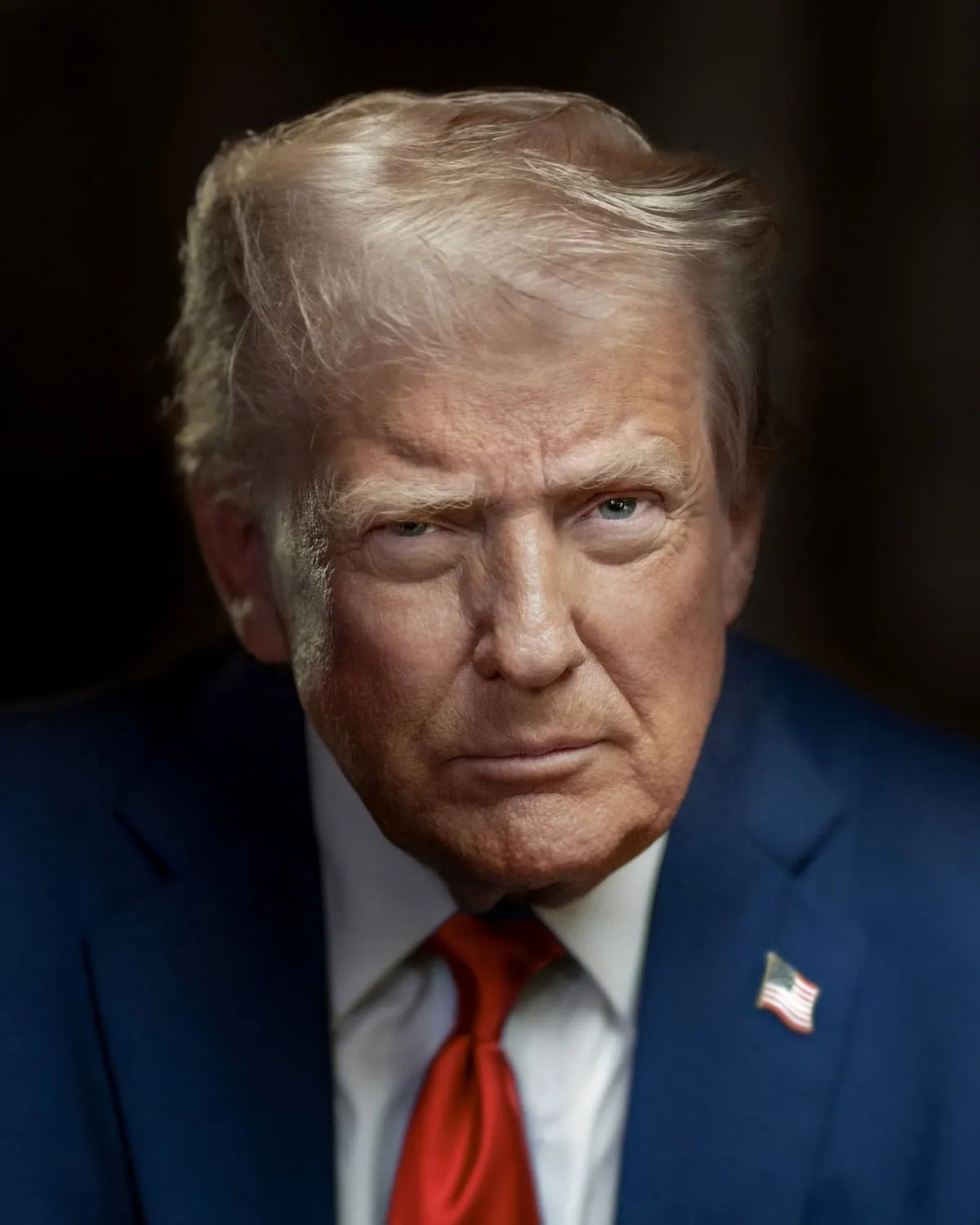
The Cleveland appearance should not be confused with Obama's separate Michigan campaigning for Abdul El-Sayed. Both belong to the same midterm effort, but they involve different candidates and different state contests. The photographs used here are credited archival portraits, not newly obtained photographs of the Cleveland stage. They identify the people involved while preserving the distinction between a verified campaign appearance, the claims made during it and the visual evidence available to illustrate the story. The transcript and event record remain the starting points for checking the speech itself.
Sources: Barack Obama — published Cleveland remarks ↗ · C-SPAN — October 24 Cleveland campaign event ↗ · Al Jazeera — October 25 report on the speech ↗
The nuclear deal and the energy argument require different records
Obama's historical comparison centers on the 2015 Iran nuclear agreement. In his White House statement announcing the deal, he described restrictions on nuclear material and facilities together with an inspection and verification framework. That archived statement establishes how his administration presented the agreement at the time. It should not be mistaken for a current inspection report or proof that every subsequent development followed the course anticipated in 2015.
PolitiFact's October 24 analysis specifically examined Obama's comparison between his nuclear policy and Trump's approach. That is a useful reminder to separate the history of an agreement from broader claims about what would have happened under an alternative policy. A counterfactual can be debated, but it cannot be observed in the same way as a signed agreement, a published statement or a reported price series.
For the current energy context, the U.S. Energy Information Administration's October 6 outlook reported that Brent crude averaged $114 a barrel in September, up $23 from August. Its market review connected the increase with attacks affecting regional oil infrastructure and tanker movements. Those figures describe a particular commodity and month. They do not mean that every household's gasoline bill rose by the same percentage, or that a campaign speech can assign every price increase to one decision.
VIRVIB analysis: the argument becomes clearer when those evidentiary levels stay separate. The archived diplomatic statement describes an earlier policy. Energy-market reporting describes observed disruptions and prices. The speech links policy choices to the costs voters feel. Readers can consider that political case without treating the link as a complete accounting of every cause of inflation. A persuasive contrast may identify a real issue while still requiring additional records to establish its size, timing and distribution across the economy. That is the difference between reporting the attack and adopting the attack as the newsroom's own finding.
Sources: Barack Obama — published Cleveland remarks ↗ · Archived White House — July 14, 2015 Iran statement ↗ · PolitiFact — examining the nuclear-policy comparison ↗ · EIA — October 6, 2026 global oil market review ↗
What the Ohio setting adds — and what it cannot prove
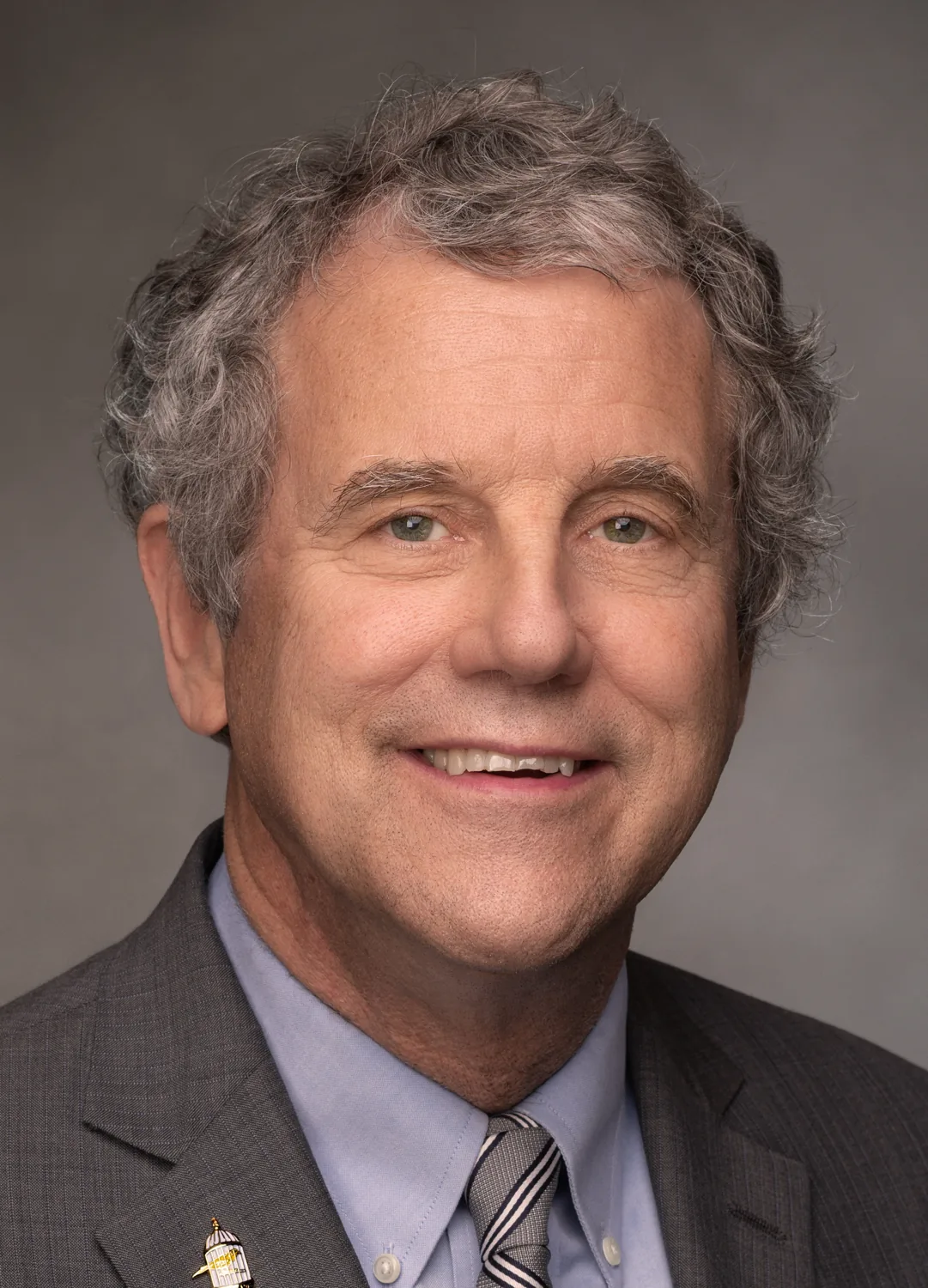
The Cleveland event brought Obama together with gubernatorial candidate Amy Acton and Senate candidate Sherrod Brown. C-SPAN identifies the appearance as a midterm campaign event, and the published transcript addresses both candidates. The political message therefore had a concrete destination: persuade people considering Ohio's choices to connect their concerns about the national administration with the candidates on their own ballot.
The offices are not interchangeable. The Senate's institutional account describes powers over legislation, nominations, investigations and treaties. That gives foreign policy an identifiable congressional context, while leaving the governor's role distinct. Supporting a Senate candidate is not the same action as choosing a president, and a single senator cannot independently direct every part of military or diplomatic policy. The institutional link helps explain the campaign argument without exaggerating what one election winner can do.
VIRVIB analysis: presidential surrogates can give local contests a national frame, but the speech cannot tell us how many votes that frame produces. Audience enthusiasm, a widely shared clip and a favorable response online each measure something different from turnout or a final result. Nor does the fact that a clip is circulating establish that it is the most watched or most influential part of the campaign. This report makes no such ranking.
For anyone following the debate, the most useful next evidence is specific rather than theatrical: a documented response from the administration, additional independently verified information about the conflict and energy markets, and campaign or election data with clear dates. A quoted charge deserves attribution; a military claim deserves an appropriate source; and a forecast deserves a methodology. Obama's criticism is news because a former president used a closely watched campaign appearance to dispute the current president's approach to Iran and connect it to everyday costs. Whether that argument changes Ohio's voting is a separate question. The rally records what he said. The electorate, rather than the transcript or the applause, will determine its electoral consequence.
The timing of each record also matters. A statement from 2015 explains the policy advocated then, a market release from early October describes information available for that release, and the October 24 transcript records a later campaign argument. Reading them together adds context; it does not make them simultaneous observations. A new development could alter the current assessment without changing what the older documents actually said. Keeping those dates visible allows the reader to evaluate the comparison on its merits and to see where a political claim extends beyond the evidence cited for it.
Sources: Barack Obama — published Cleveland remarks ↗ · C-SPAN — October 24 Cleveland campaign event ↗ · U.S. Senate — powers and procedures ↗
Prepared with AI assistance. Source-based reporting checked on 2026-10-26. This article does not update automatically. Read our editorial standards.