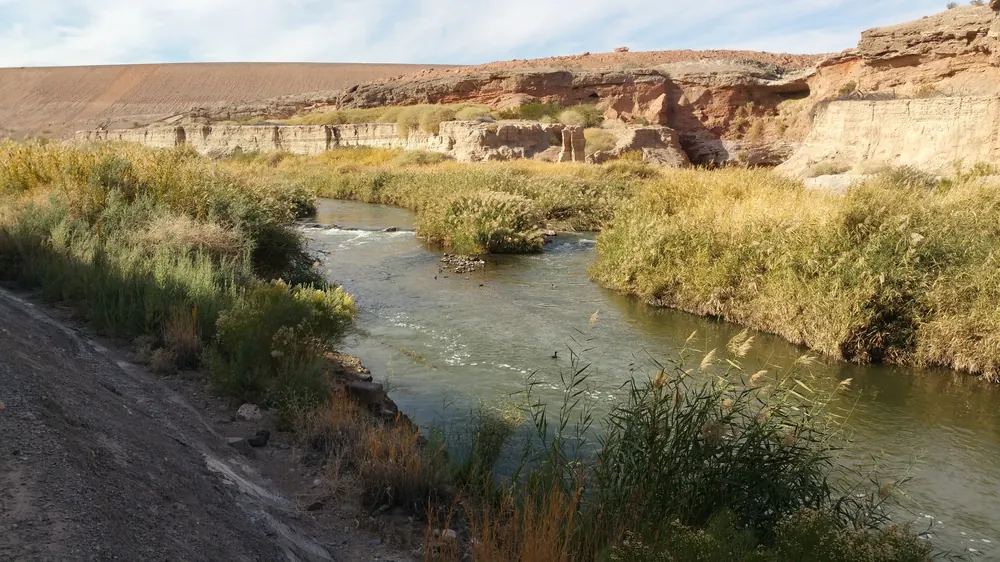
What NORAD confirmed about the Eareckson deployment
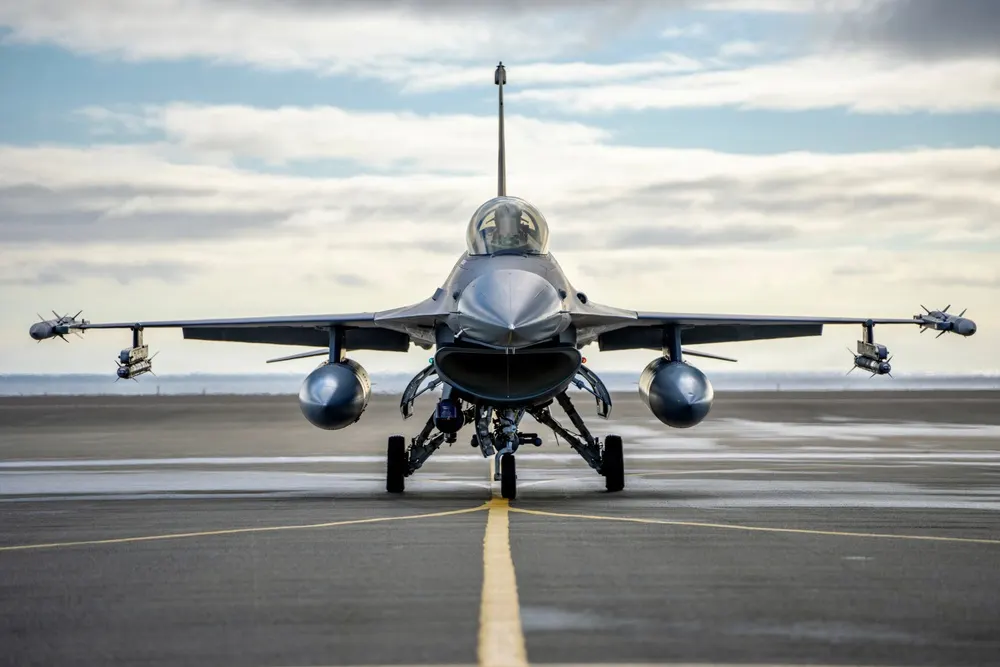
U.S. Air Force F-16s maintained air defense alert at Eareckson Air Station in Alaska during an October 18–26, 2026 deployment, NORAD disclosed in an October 30 release. The fighters flew a homeland defense mission on October 25 alongside aircraft operating from other Alaskan bases and Canada. The development concerns an operation completed earlier in the month, rather than a newly announced interception happening on October 30.
The distinction is important because the published account describes both readiness and a coordinated mission. Aircraft were positioned at the remote airfield, maintained an alert posture and then joined a wider force. NORAD also reported successful F-16 certification of the station’s arresting system. That is a specific piece of evidence about the airfield’s usefulness for fighter operations, separate from the simple fact that a jet can land there.
The deployment began under Operation Noble Defender, which NORAD describes as a recurring air defense operation. The mission subsequently transitioned to Operation Noble Eagle in support of northern sovereignty operations. The command’s description does not identify a particular foreign aircraft as the reason for the October 25 launch, nor does it announce a confrontation or a strike. Those would be additional claims requiring additional evidence.
Independent reporting by The War Zone places the event in a longer history: fighters operated from Eareckson during the Cold War, and the publication distinguishes this deployment’s air defense alert role from intervening visits by fighter aircraft. Its account describes the island’s renewed operational significance without treating a short deployment as the creation of a permanently staffed fighter base.
VIRVIB analysis: the most useful question is what the operation demonstrated. The official account establishes that Eareckson supported alert aircraft and participation in a larger defense mission. It does not provide a future basing schedule or say that the aircraft remain there now. A completed deployment can expand the demonstrated options available to a command without establishing a permanent assignment.
Sources: NORAD — October 30 official Eareckson deployment announcement ↗ · DVIDS — original October 29 report and mission chronology ↗ · The War Zone — independent October 30 reporting and historical context ↗ · DVIDS — October 18 F-16 photograph and public-domain designation ↗
A mission assembled across Alaska and Canada
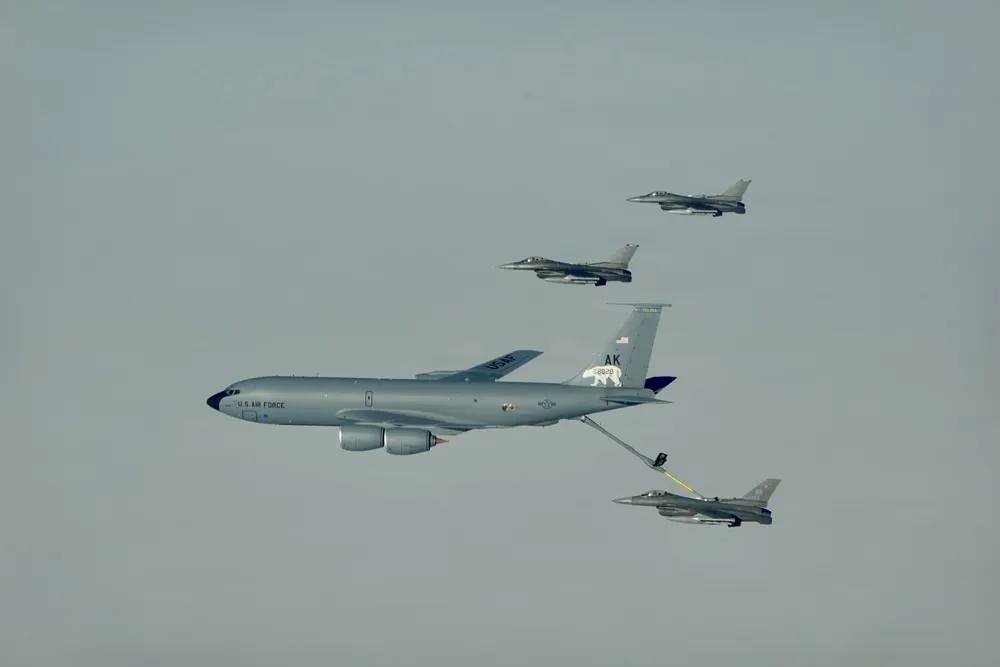
The scale of the operation becomes clearer when the supporting aircraft are included. NORAD’s release lists F-35s and additional F-16s from Eielson Air Force Base, an E-3 Sentry from Joint Base Elmendorf-Richardson and Royal Canadian Air Force CF-18s from Cold Lake, Alberta. U.S. KC-135 tankers and a Canadian CC-150 Polaris provided aerial refueling. An HC-130 Combat King II supplied search-and-rescue and personnel-recovery coverage.
Those are different functions within one coordinated operation. Fighters supply the airborne response, while airborne command-and-control aircraft, tankers and rescue coverage make it possible to organize and support that response over a large area. The official account is consequently broader than a photograph of an F-16 on an isolated runway. The visible fighter was one element of a force assembled from several locations.
NORAD described different areas of coverage during the October 25 mission. The Eareckson-based F-16s covered the southern part of the theater. F-35s and additional F-16s from Eielson operated in the northwest, while Canadian CF-18s covered the northern approaches. These are the command’s published descriptions of the completed mission, not a map of current patrol positions or a promise that future operations will use the same arrangement.
Distance explains why the supporting aircraft matter. The release puts Eareckson approximately 1,600 miles from Eielson and 2,600 miles from Cold Lake. Those figures describe the separation between operating locations; they should not be read as a single fighter’s unrefueled range or as the length of every sortie. Refueling and coordination are central to the story precisely because the aircraft and their bases were distributed so widely.
The photographs provide a dated record of that support. One official image shows a KC-135 refueling an F-16 in a four-aircraft formation traveling toward Eareckson on October 18. Another shows a tanker landing at the station that day. Neither image should be relabeled as a photograph of the October 25 mission. Keeping the captions’ dates intact distinguishes deployment preparations from the subsequent operation.
VIRVIB analysis: a remote operating location adds value only if the wider organization can sustain it. The published aircraft list illustrates the range of capabilities involved. It does not disclose a complete accounting of fuel, maintenance work, staffing or cost. Those omissions limit conclusions about how frequently the same arrangement could be repeated or how long it could be maintained.
Sources: NORAD — October 30 official Eareckson deployment announcement ↗ · DVIDS — original October 29 report and mission chronology ↗ · DVIDS — October 18 aerial-refueling photograph and public-domain designation ↗ · DVIDS — October 18 KC-135 landing photograph and public-domain designation ↗
Why dispersed operations matter, and what remains unannounced
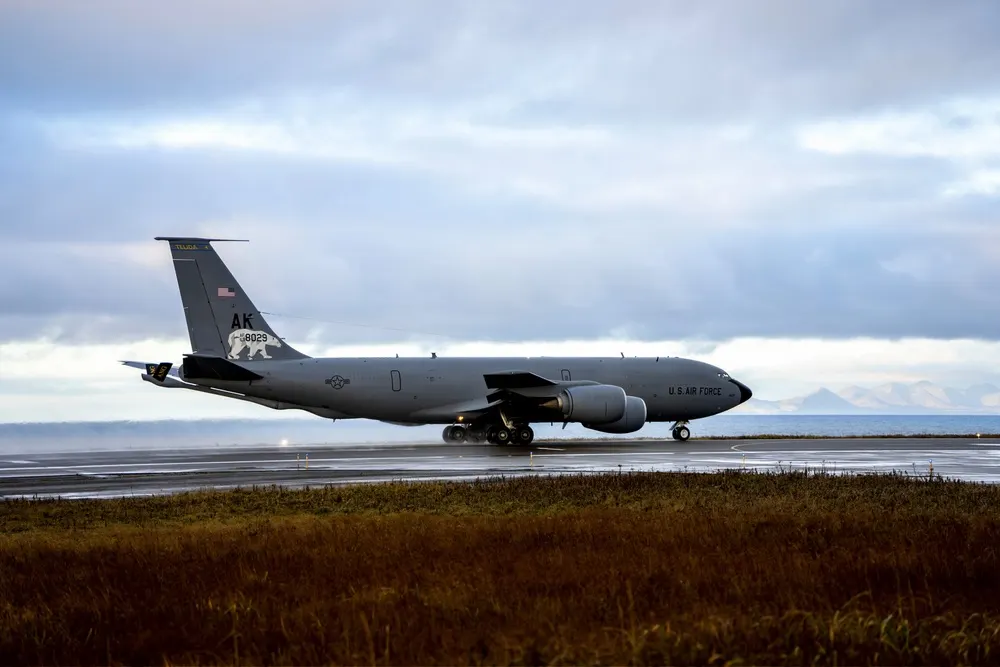
Eareckson is on Shemya Island in the Aleutian chain. The War Zone’s analysis emphasizes the geographic advantage of operating farther west than Alaska’s principal fighter bases, as well as the difficulty of supporting an isolated installation. Its historical discussion also places the airfield alongside the island’s surveillance role. Those are reasons to examine the location’s significance, rather than assume that every remote deployment is operationally interchangeable.
There is a documented precedent elsewhere in Alaska for the broader approach. NORAD previously reported that four F-16s from the 18th Fighter Interceptor Squadron conducted homeland defense operations from King Salmon Airport on September 8–12, 2025. Airmen from Eielson and Joint Base Elmendorf-Richardson supported logistics, sustainment and command and control; the Alaska Air National Guard provided C-17 airlift for personnel and equipment.
That earlier release explains Agile Combat Employment as a way to keep aircraft ready to respond if their regular operating location cannot support a rapid launch. King Salmon and Eareckson are different locations and the reports concern different years. The comparison supports a narrower conclusion: operating fighters away from their usual base is an established element of the command’s publicly described readiness work, rather than an idea appearing for the first time this week.
The Canadian role is also part of NORAD’s standing structure. The command is a binational U.S.–Canadian organization responsible for aerospace warning, aerospace control and maritime warning for North America. Its official mission description includes responding to unknown, unwanted or unauthorized air activity. The participation of Canadian fighters and a Canadian tanker in the October mission therefore fits an existing shared defense framework.
What the latest release adds is the documented use of Eareckson to maintain alert, launch a mission and integrate with aircraft operating elsewhere. The arresting-system certification is another concrete result. Neither result establishes the number of future deployments, the duration of any future alert posture or a decision to station a permanent fighter unit on Shemya. No such decision is announced in the material reviewed for this report.
For readers following the story, the next useful developments would be further official deployment notices, announced infrastructure changes or confirmation of a lasting basing decision. Those would materially change the public record. For now, the evidence describes a completed October operation and a demonstrated alternative operating location. The distinction preserves the significance of the mission while keeping its implications within what the sources actually establish.
Sources: NORAD — October 30 official Eareckson deployment announcement ↗ · DVIDS — original October 29 report and mission chronology ↗ · The War Zone — independent October 30 reporting and historical context ↗ · NORAD — official mission and binational organization ↗ · NORAD — September 2025 King Salmon dispersed operations ↗
Why this story is in the editionThe fresh Google Trends U.S. RSS feed reviewed October 30 included “norad air defense alaska f-16,” linked to the official DVIDS image and independent reporting. No search rank or volume claim is made.
Prepared with AI assistance. Source-based reporting checked on 2026-10-30. This article does not update automatically. Read our editorial standards.