A Republican absence measured in two different ways
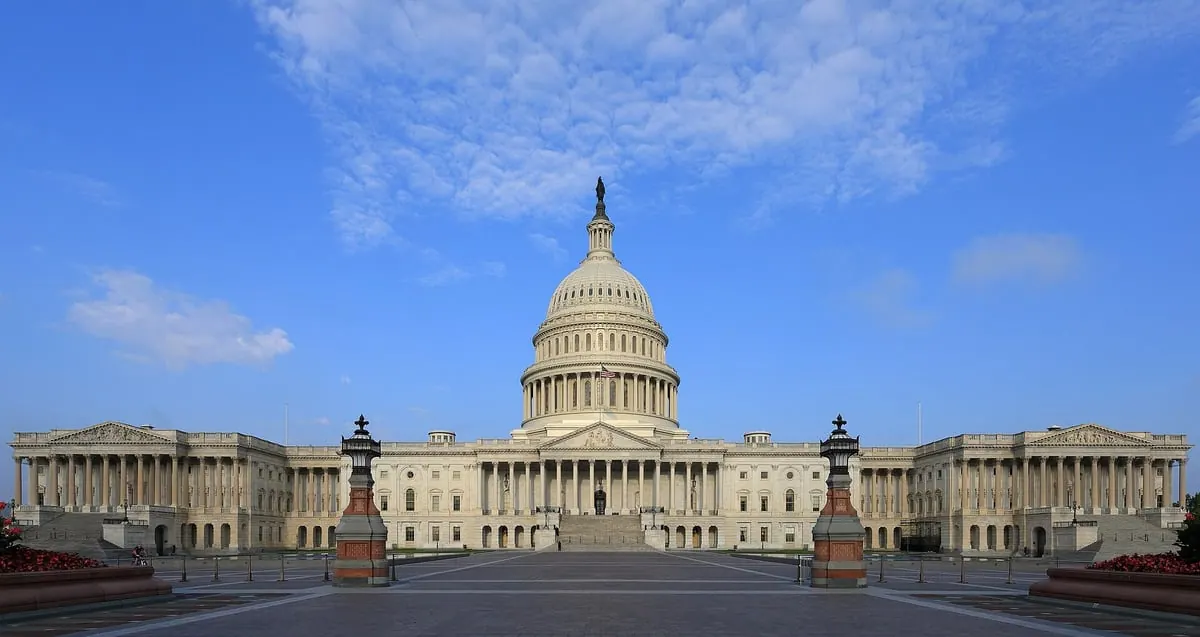
Michigan's Republican Senate drought has two dates, and confusing them obscures the story. Spencer Abraham won election in 1994 and served from January 1995 until January 2001. Since his departure, both of the state's Senate seats have been held by Democrats. That is a statement about who has served in the chamber, distinct from the date of the last Republican victory at the ballot box.
The Senate's official Michigan roster documents the transition from Abraham to Debbie Stabenow in 2001 and from Stabenow to Elissa Slotkin in 2025. It also provides a way to check the other seat's succession. Readers can inspect the names, party designations and terms directly rather than rely on a phrase such as a quarter-century lock, which can blur the difference between election years and years in office.
Al Jazeera's October 25 report uses that history to frame the 2026 Senate race. It contrasts the Democratic Senate record with Michigan's support for Donald Trump in the 2016 and 2024 presidential elections. The comparison is meaningful because it concerns the same state choosing different offices. It does not prove that every voter split their ticket, or identify which individuals voted differently across the contests.
VIRVIB analysis: a state is not a single person with one permanent partisan preference. Its aggregate result can change with candidates, offices and participation. The Senate record establishes a durable outcome over a sequence of elections, but the record alone does not isolate a single cause. Explaining the pattern requires looking at the separate contests instead of treating the presidential winner as the automatic winner of every race below the top of the ballot. The historical streak is therefore a question to investigate in 2026, rather than a reason to declare the Senate result before voters have decided it.
Sources: U.S. Senate — Michigan senators and terms ↗ · Al Jazeera — October 25 historical comparison ↗
The next contest belongs to its candidates

The current open-seat contest places Republican Mike Rogers against Democrat Abdul El-Sayed. Reuters and the Associated Press have covered the race and the competing visits by Donald Trump and Barack Obama. Those appearances show the national attention directed toward Michigan. They do not establish the result of the race, and a president's endorsement is not a transferable number of votes.
Rogers's previous Senate contest and El-Sayed's public-health background give voters different records to examine. VIRVIB's existing candidate profiles trace those careers through linked sources. The important reporting task is to connect a documented past role or stated position to the job being sought, rather than assume that a familiar name or a large campaign appearance answers every question about a candidate.
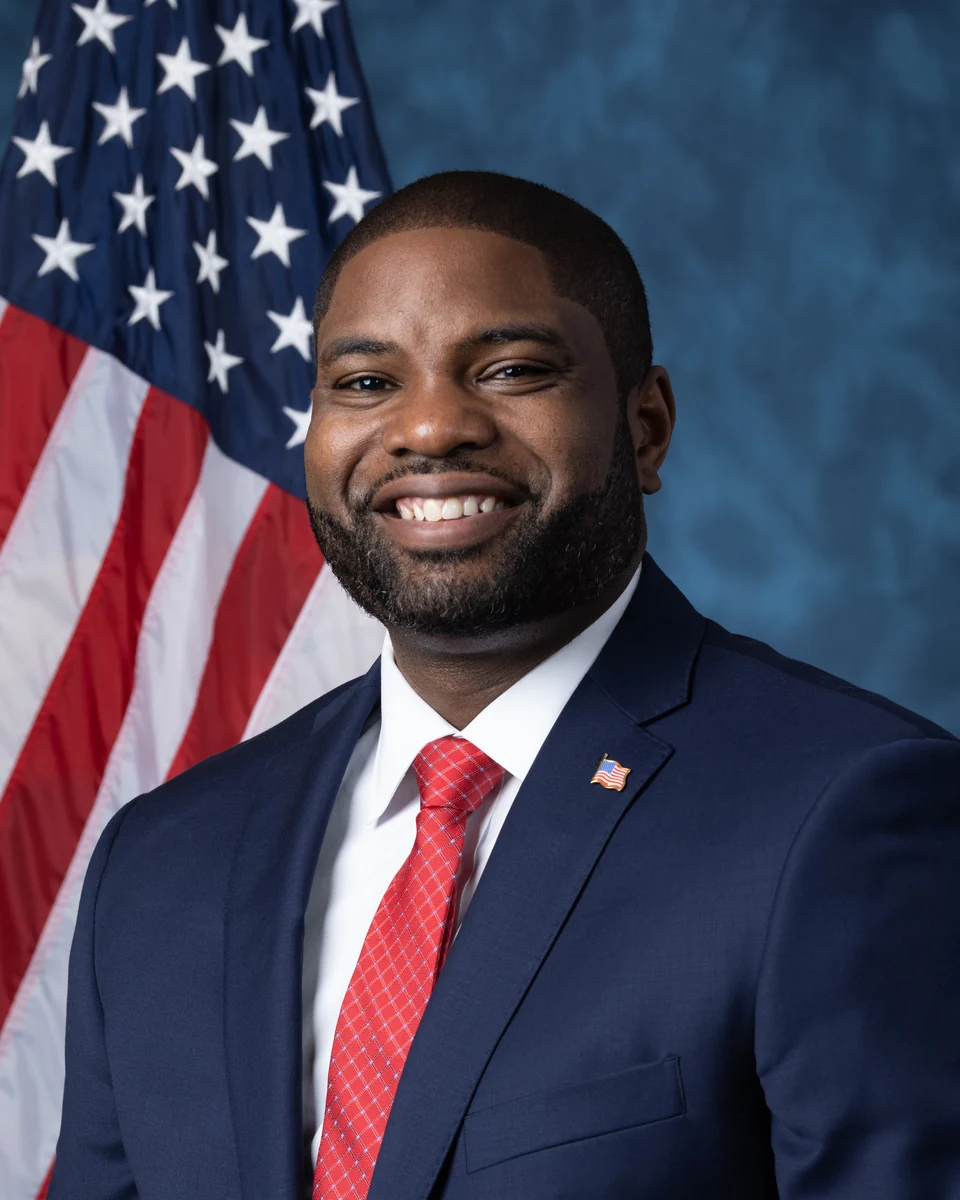
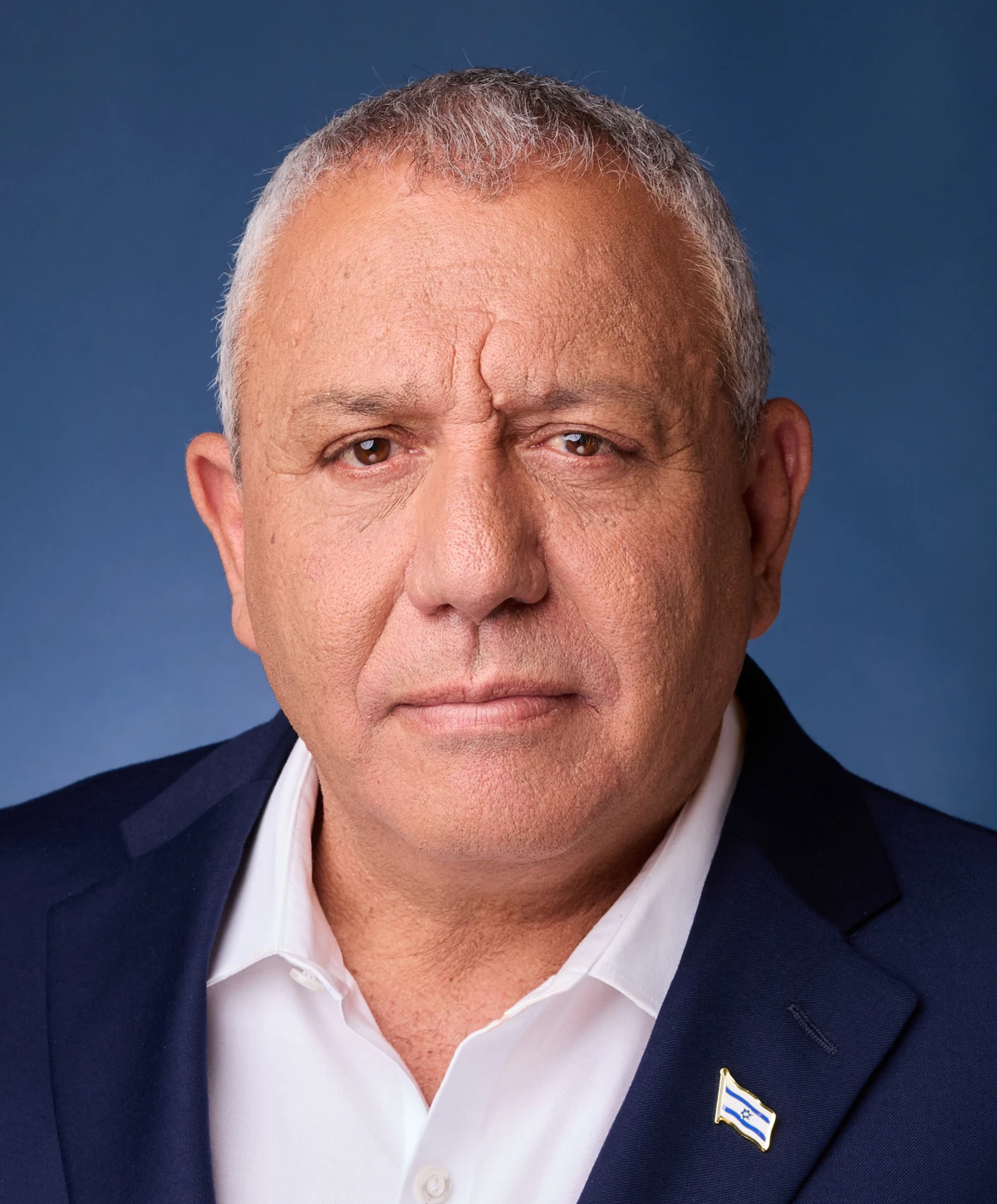
The same applies to photographs. The portraits used here identify Rogers and El-Sayed; their captions give the archival context. They are not presented as images of a recent debate or rally. The difference is particularly relevant in an election story, where placing an old portrait beside a new development can otherwise imply that the photographer witnessed something the image does not actually show.
VIRVIB analysis: national campaigning changes the questions directed at candidates, but the Senate ballot still offers a choice between particular people. A voter can assess a presidential administration one way and a Senate candidate another. That possibility helps explain why the two offices should be analyzed separately, without proving the motivation of any individual Michigan voter. Claims about how an endorsement or a controversy has affected support require evidence beyond the existence of the endorsement or controversy itself. For this race, the best route through the competing narratives is to compare the candidates' own stated priorities with their documented records, consult the underlying polling when it is cited, and keep campaign claims distinct from independently established facts. A long losing streak adds pressure to the Republican campaign; it does not remove uncertainty from the contest.
Sources: Reuters — Trump and Obama campaign in Michigan ↗ · Associated Press — Michigan Senate contest ↗
A close past result is context, not a forecast

Michigan's 2024 election provides a useful institutional reference point. The state Board of State Canvassers certified that election on November 22, after county canvassing boards completed their work. The state's announcement links to the certified results. That process is different from a television projection or a campaign's statement that a candidate has won, and it explains why election-night leads and official final records need separate labels.
Slotkin's place on the Senate roster beginning in January 2025 confirms the resulting transition in office. The 2026 election concerns the other Senate seat, rather than a rerun of precisely the same ballot. Both the continuity of Democratic representation and the change in candidates matter. Neither should be discarded merely because the presidential map gives a more dramatic visual impression.
VIRVIB analysis: the temptation is to turn a streak into a probability. But a list of past winners does not, by itself, calculate a candidate's current chance of victory. A forecast needs defined inputs, a method and an update date. A poll needs its field dates, sample and population. A narrow lead within a poll's uncertainty is not a certified margin, and national congressional polling does not become a Michigan Senate estimate simply because both are part of the same midterm election.
For readers following the state now, Michigan's election authorities provide practical voting information, while VIRVIB's election center separates its dated forecast snapshot from its results desk. The scenario builder allows readers to explore seat arithmetic without converting their choices into predictions. That separation is the most useful way to understand the state's competing political histories: the past explains why the race commands attention, current evidence describes the campaign, and the ballots will establish who wins. Republicans are trying to end a Senate absence that has outlasted several presidential elections. Whether they succeed remains a question for this contest, not an answer supplied by either the Senate streak or Trump's previous statewide victories.
The reporting should also preserve the distinction between a state's two Senate seats. They are held by different people and elected on staggered schedules. A historical account that treats them as one continuous campaign can conceal which seat became open, who previously held it and which voters actually faced the choice in a given year. For 2026, the relevant question is not simply whether Michigan is a red or blue state. It is what the current candidates offer in this particular statewide contest and whether their campaigns can convert support into votes under the state's election procedures.
Sources: U.S. Senate — Michigan senators and terms ↗ · Michigan Department of State — 2024 certification ↗ · Michigan Department of State — voting services ↗
Prepared with AI assistance. Source-based reporting checked on 2026-10-26. This article does not update automatically. Read our editorial standards.