A regional intervention
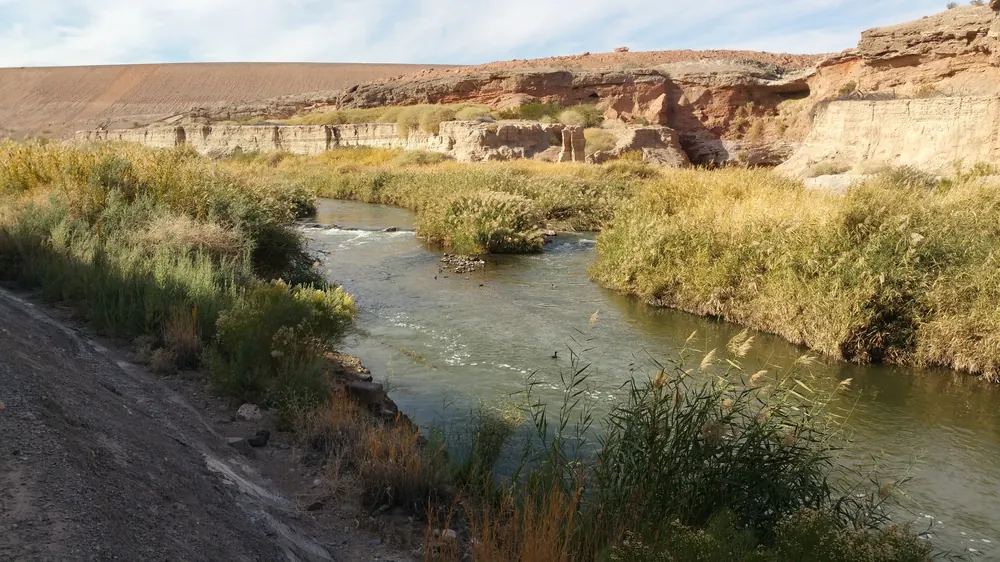
The Energy Department authorized an emergency oil exchange on October 23 after a disruption to crude deliveries serving the Phillips 66 Lake Charles refinery. Up to 400,000 barrels can come from the Strategic Petroleum Reserve’s West Hackberry site.
Why the refinery matters
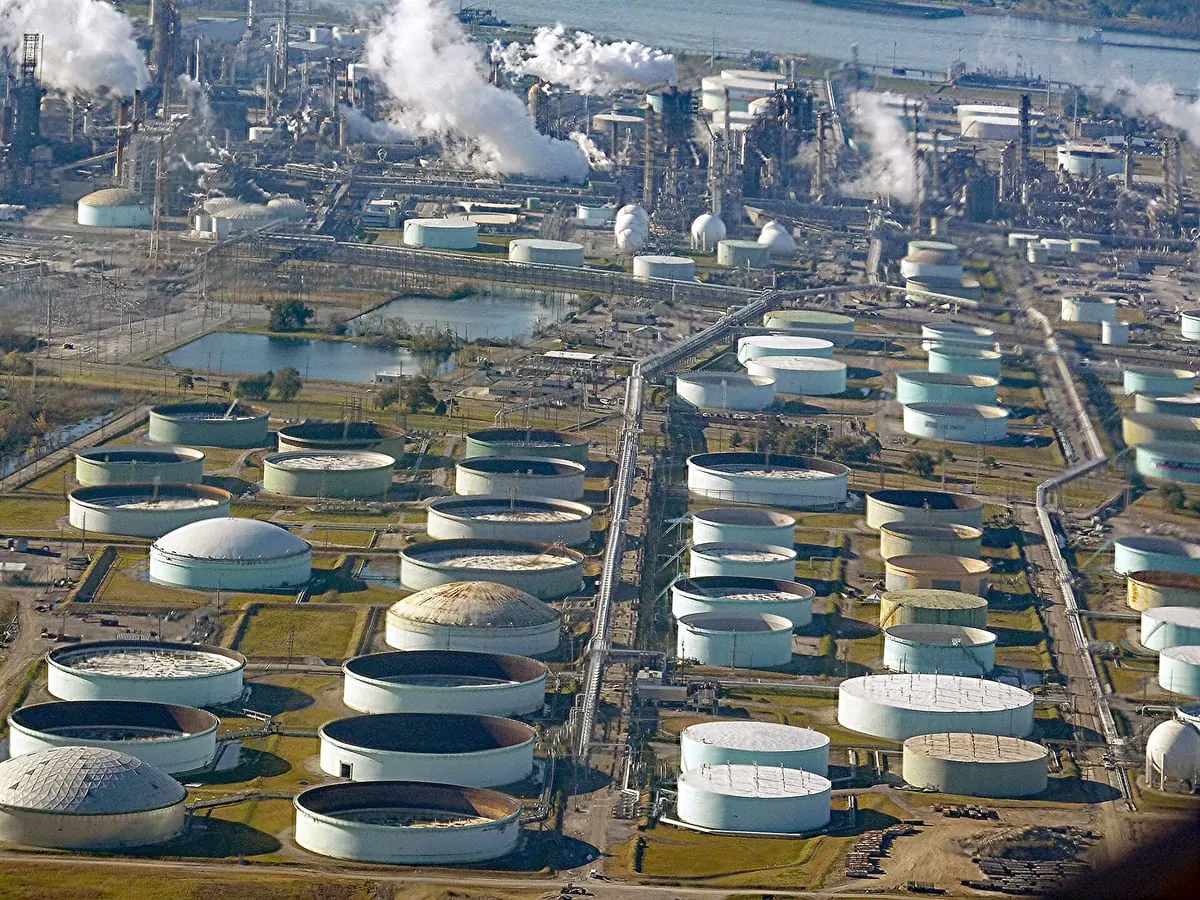
DOE says the move is designed to keep transportation-fuel production operating for Louisiana and nearby markets. The announcement concerns a specific supply interruption, rather than a nationwide distribution of fuel to consumers.
The oil must come back
This is an exchange. Under the announced terms, the refinery must return the borrowed crude along with additional barrels. That repayment requirement distinguishes the arrangement from an outright sale of reserve oil.
Why the reserve has a lending mechanism
The reserve was established after the 1973–74 oil embargo to help the country handle disruptions to commercial supply. DOE’s explanation of the exchange system describes loans requested by companies after events outside their control, such as a hurricane or a shipping-channel closure. Repayment involves oil of comparable quality, with the extra barrels and repayment date set through negotiations. The premium also accounts for drawdown and transportation costs. An exchange can be arranged within days, making it a different operational tool from a competitive sale. That background helps explain how a national emergency stockpile can respond to a localized refinery problem without treating every incident as a nationwide shortage.
No pump-price promise
The announcement does not specify a reduction in gasoline prices or when drivers would see one. Its immediate objective is maintaining refinery supply. Readers should separate that operational goal from any assumption about what their next fill-up will cost.
Why this story is in the editionSelected for current U.S. news relevance. No verified search-volume ranking is claimed.
Prepared with AI assistance. Source-based reporting checked on October 23, 2026. This article does not update automatically. Read our editorial standards.