Which oysters are recalled—and what investigators have established
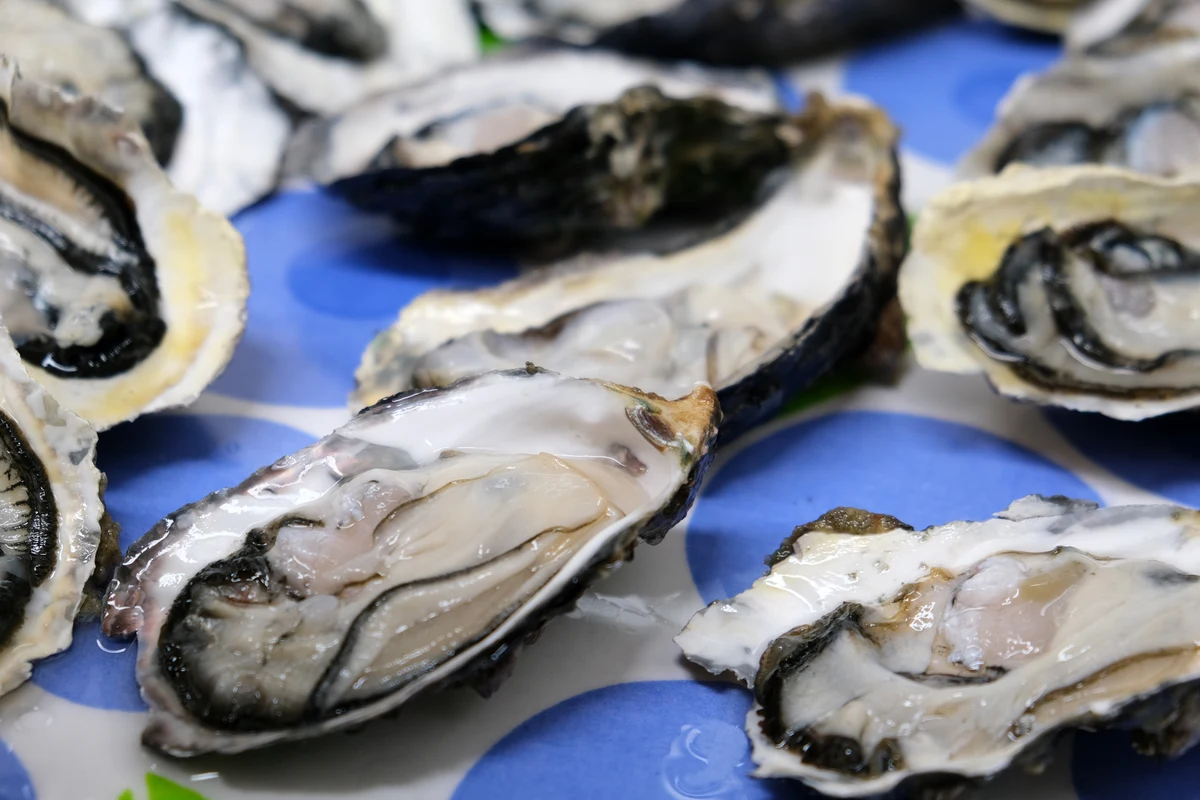
Consumers and restaurants should not eat, serve or sell the recalled Little Wicomico Oyster Company oysters identified in federal and Virginia safety notices. The affected whole, shellstock oysters were harvested from September 18 through October 8, 2026, in Virginia’s Little Wicomico River and Little Wicomico River Lower. The dealer identifier is VA-1421-SP. Those details, rather than the appearance of an oyster or a general reference to Virginia seafood, determine the scope of this particular recall.
The warning is receiving renewed attention, but the underlying action is not a new October 29 recall. Virginia’s notice was issued October 9, the CDC and FDA published alerts October 19, and Virginia’s outbreak information was last updated October 27. WTKR reported on the warning on October 28. VIRVIB checked those records October 29 to explain what remains relevant for shoppers, diners and food businesses without presenting an older action as a fresh announcement.
The FDA’s distribution list includes California, Colorado, Connecticut, Florida, Georgia, Illinois, Maryland, Missouri, North Carolina, New Jersey, Nevada, New York, Pennsylvania, Texas and Virginia, plus the District of Columbia. Further distribution may have occurred. A business outside the original list should therefore check its supplier records if the product description matches, rather than treating a state boundary as proof that its inventory is unaffected.
The Virginia Department of Health says the Little Wicomico River harvest area was closed October 9. Its recall notice describes a voluntary action supported by the state’s shellfish-safety division and says the company contacted affected customers. The closure and recall concern the specified growing area and products; the state explicitly says shellfish harvested from its other growing areas are not affected by this action. A general ban on all Virginia oysters would misstate the official advice.
Sources: FDA — safety alert and distribution details ↗ · CDC — oyster outbreak instructions, October 19 ↗ · Virginia Department of Health — October 9 recall notice ↗ · WTKR — independent October 28 reporting ↗
What the Salmonella investigation does—and does not—show
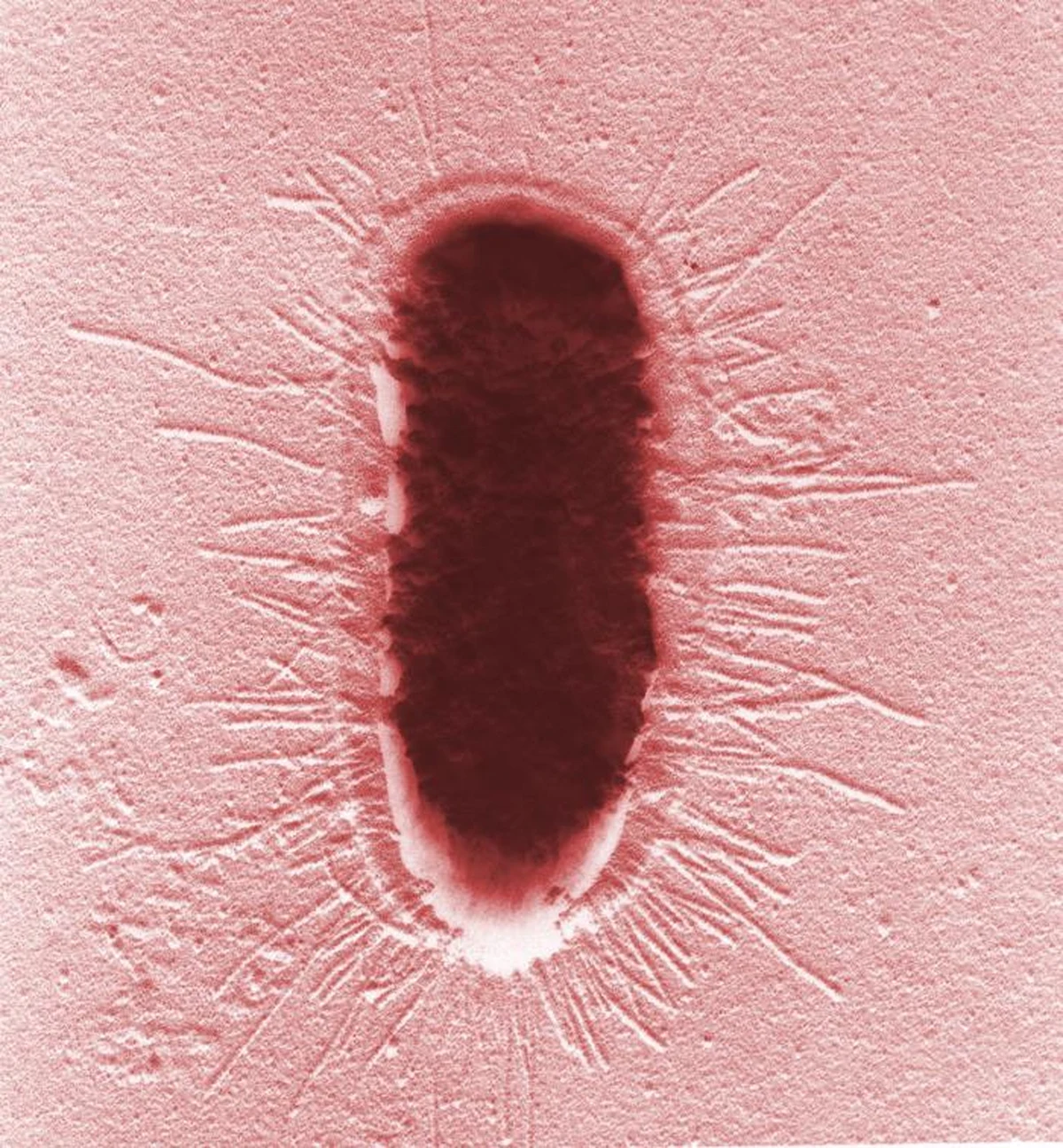
Case numbers need similar care. Virginia’s October 27 update describes a genetically related subcluster of 27 Salmonella Telelkebir infections across 12 states. Ten of those people reported eating raw oysters, and shellfish-tag and traceback information was available for seven. The state says oysters from the Little Wicomico area were the common source among those seven traceback cases. That does not mean investigators have proved that all 27 people ate this company’s oysters.
The state also reports positive testing of oyster samples collected October 13. Some samples matched the outbreak strain through whole-genome sequencing; other Salmonella strains were identified as well. Virginia says additional illnesses outside the identified genomic subcluster remain under investigation. These distinctions explain why an outbreak count, a traceback count and a count of people reporting oyster consumption should not be used interchangeably.
VIRVIB analysis: the most useful response is to match product records to the official identifiers while keeping the investigation’s limits visible. A positive sample supports public-health action, but it is not a license to attribute every illness to one purchase or restaurant. Likewise, a recall covering a defined harvest window should not be expanded into an unsupported claim about every later batch. Readers should consult the linked agency notices for any change in scope or reopening status.
Sources: Virginia Department of Health — investigation and testing, updated October 27 ↗
What customers and food businesses should do now

If you have oysters that match the recall, follow the CDC’s instruction to throw them away or return them. Do not eat recalled product. The FDA advises businesses to dispose of affected inventory or contact their distributor to arrange destruction. If the packaging or harvest details are unclear, asking the seller or distributor to check the product records is more useful than trying to judge safety from a photograph. The FDA warns that food containing Salmonella may look, smell and taste normal.
For restaurants and retailers, the Virginia recall notice calls for stopping sale, service and distribution, checking disposal or return of affected oysters still in inventory, and alerting downstream customers. That includes product already prepared for service, not just unopened containers. Supplier communications and shellfish information are important because the affected harvest dates may be earlier than the date a customer bought a meal. A receipt showing a recent purchase does not replace identification of the harvested product.
Cleaning is part of the response. The outbreak notice tells consumers to wash items and surfaces that may have touched recalled oysters with hot, soapy water or in a dishwasher. Businesses should wash and sanitize potentially exposed items and surfaces. This instruction concerns contact with the recalled food: removing the oysters without addressing their containers or preparation area leaves part of the agency’s advice unfinished.
The CDC’s broader food-safety guidance recommends washing hands with soap and water for at least 20 seconds and cleaning utensils, cutting boards and counters after food preparation. Raw seafood and its juices should be kept separate from ready-to-eat foods. Separate cutting boards or plates help prevent cross-contamination. These are general prevention measures; they do not change the instruction to discard or return recalled oysters, and ordinary cooking guidance should not be substituted for compliance with the recall.
For people who have already eaten the product, the CDC describes diarrhea, fever and stomach cramps as common Salmonella symptoms. Its general symptom guidance says illness usually begins six hours to six days after infection and commonly lasts four to seven days. A person’s symptoms alone cannot establish the cause, identify a particular food as the source, or confirm participation in this outbreak. A healthcare professional can assess an individual’s situation.
The CDC says to contact a doctor for diarrhea or vomiting lasting more than two days, bloody stool, fever higher than 102°F, or signs of dehydration. Warning signs of dehydration include little urination, a dry mouth or throat and dizziness. The outbreak guidance identifies young children, adults 65 and older, and people with weakened immune systems as groups more likely to have severe illness. People who are concerned about an exposure should tell their healthcare provider what they ate and when, rather than trying to diagnose an infection from this article.
Virginia’s update says reopening the growing area requires three consecutive rounds of product testing with negative results. It describes the initial emergency closure period as 30 days, subject to regulatory requirements and reopening criteria. That is not a guaranteed reopening date. The next meaningful developments are an agency update on testing, the harvest-area status or the investigation’s scope. Until then, the practical advice is specific: identify the recalled oysters accurately, remove them from use, clean affected areas and seek medical guidance when warning symptoms occur.
Sources: FDA — safety alert and distribution details ↗ · CDC — oyster outbreak instructions, October 19 ↗ · Virginia Department of Health — October 9 recall notice ↗ · Virginia Department of Health — investigation and testing, updated October 27 ↗ · CDC — symptoms and when to contact a doctor ↗ · CDC — preventing food poisoning and cross-contamination ↗
Why this story is in the edition“salmonella” appeared in the Google Trends U.S. RSS feed checked October 29, with an entry dated 11:20 PDT. No search-volume or national ranking claim is made. The recall itself began October 9.
Prepared with AI assistance. Source-based reporting checked on 2026-10-29. This article does not update automatically. Read our editorial standards.