A search, a denial and a burst of campaign support
Ilhan Omar's campaign finances have become part of the political aftermath of the federal search of her Washington home. Al Jazeera, citing a Washington Post analysis of campaign filings, reported that contributions exceeded $1.5 million across October 12 and 13. The important distinction is that the reported increase concerns money received by a campaign, not the outcome of the investigation and not a measure of voter support.
The search itself is confirmed in an October 12 statement from Omar's congressional office. Her office denied wrongdoing and characterized the action by the Department of Homeland Security as political intimidation. That is Omar's stated response, not an independent finding about the investigators' motives. Reuters separately reported that the investigation concerned immigration paperwork, attributing details of the case to people familiar with it. This article does not infer criminal guilt from the fact that investigators conducted a search.
VIRVIB analysis: the event creates two reporting questions that need different evidence. The first concerns what authorities were investigating and what any subsequent official records establish. The second concerns how supporters reacted financially. A donation spike can be evidence of mobilization among contributors without resolving the underlying dispute. Likewise, an investigation can become a powerful campaign issue without supplying a reliable prediction of the election result.
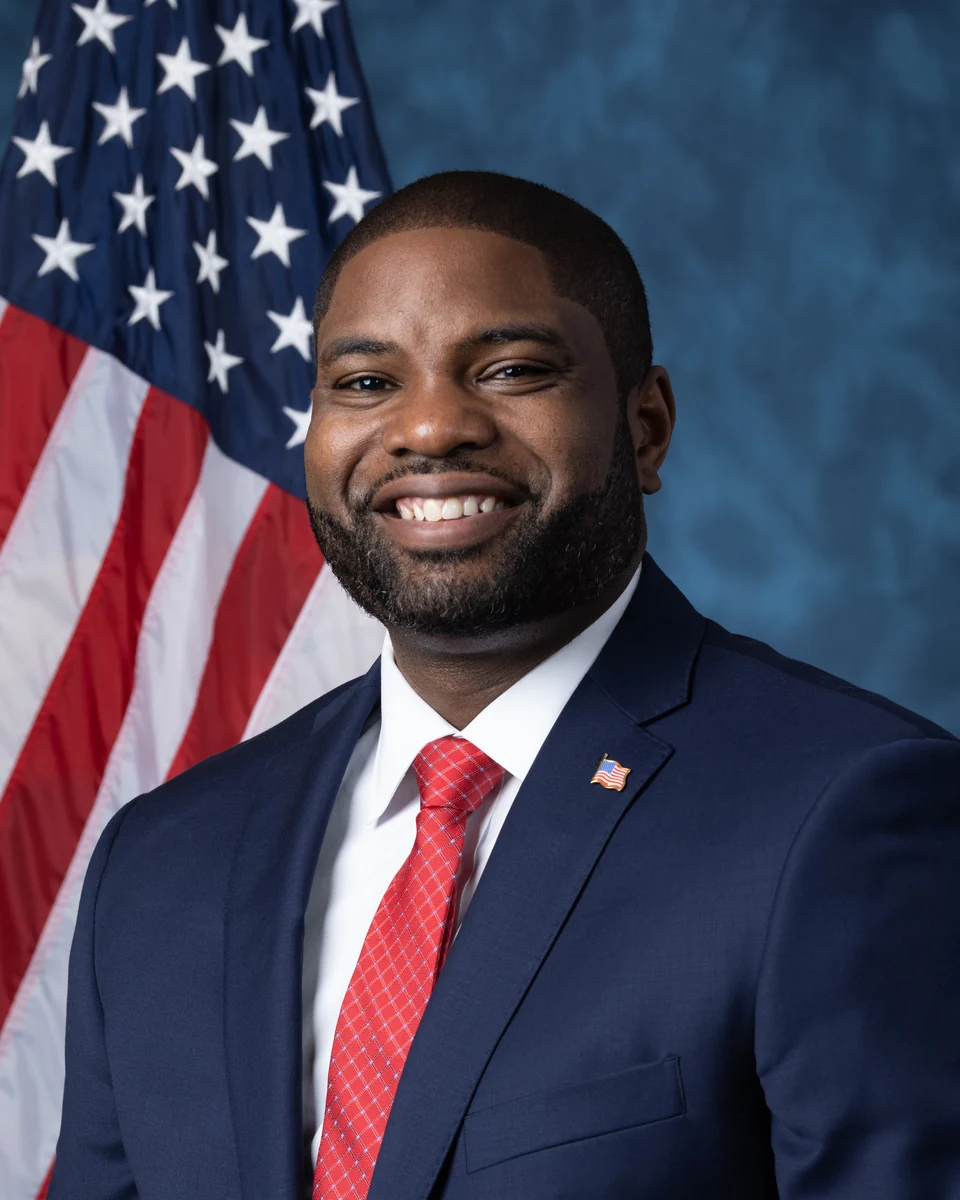
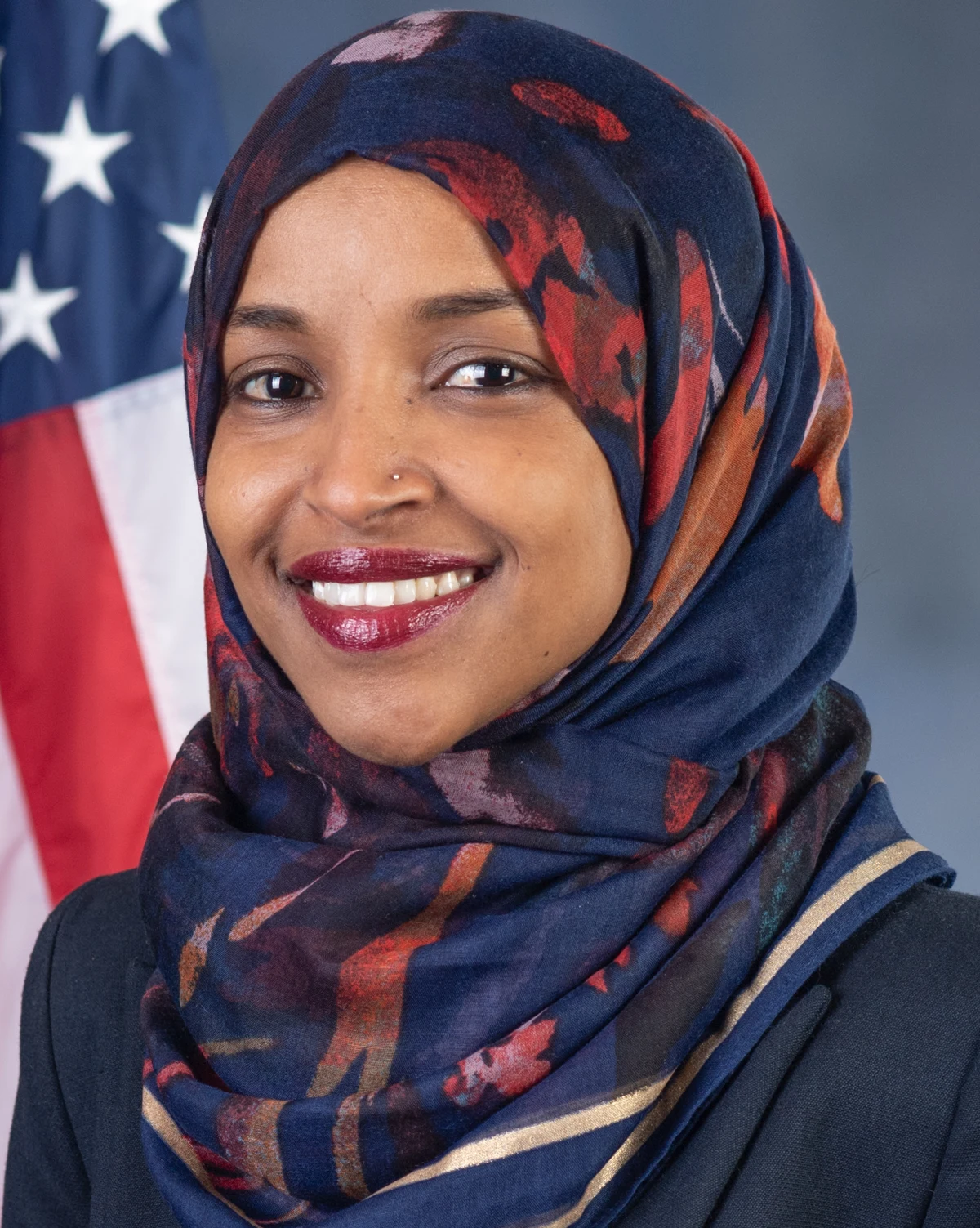
The photograph accompanying this report is an official congressional portrait taken in 2018. It is not a picture of agents entering a home, and it should not be read as visual evidence about the search. That separation matters when a story travels through social media: a striking image and a fundraising headline can give readers a stronger impression of certainty than the available records warrant. The confirmed office statement, the attributed reporting and the campaign-finance records answer different parts of the story.
Sources: Al Jazeera — October 25 fundraising report ↗ · Office of Rep. Omar — October 12 statement ↗ · Reuters — October 16 investigation reporting ↗
What a campaign-finance total does — and does not — measure

The Federal Election Commission identifies Omar's House candidacy as H8MN05239 and lists Ilhan for Congress, C00680934, as an authorized committee. Those identifiers help readers distinguish an official campaign account from an outside group, another political committee or a fundraising appeal circulating under a similar name. They also provide a route back to the underlying records rather than a screenshot of a headline total.
There is a timing limit to the evidence retrieved for this report. The FEC candidate overview available during review displayed a coverage period ending before October. It therefore cannot independently confirm the reported two-day October increase. VIRVIB attributes that increase to the published analysis cited by Al Jazeera; it has not recalculated the individual receipts or verified their daily allocation from a complete October filing.
The FEC publishes financial data by election cycle, filer type and coverage period. That makes the reporting interval part of the fact being described. Money raised during two days, money raised during a reporting period and receipts accumulated across an election cycle are different totals. None should silently replace another simply because a larger figure makes a more dramatic headline.
VIRVIB analysis: readers also need to distinguish financial intensity from electoral breadth. A campaign may receive additional money from existing supporters, attract new contributors, or experience some combination of the two. The overall receipts figure alone does not establish which occurred. It does not identify how many contributors are eligible to vote in the candidate's district, how much the campaign has spent, or how much remains available. Those are separate questions for the relevant records. A responsible account of the surge should therefore state the period, identify the committee and explain whether the number was independently calculated or attributed to another publication. That transparency lets the reader understand the news without being asked to treat a fundraising claim as a certified electoral result.
Sources: Al Jazeera — October 25 fundraising report ↗ · FEC — Omar candidate overview and reporting coverage ↗ · FEC — campaign-finance statistics and coverage periods ↗
Why donations, legal costs and votes must remain separate
The legal-expense question requires its own care. The FEC's guidance says some legal expenses may qualify as campaign operating expenditures on a case-by-case basis. Its general standard distinguishes expenses connected to campaign or federal-officeholder duties from prohibited personal use. That guidance does not establish that every expense associated with a particular investigation is permitted, and this article does not make a determination about any payment by Omar's committee.
The useful records to follow are receipts and disbursements, together with the reporting period and any explanations that accompany them. An appeal for help, a contribution received and a documented payment are not interchangeable events. The presence of campaign funds also does not establish that all of them are intended for legal costs. Readers should resist assigning a specific use to a fundraising total unless the records or a clearly attributed statement support it.
VIRVIB analysis: political controversy can create solidarity among supporters while producing a different response among undecided voters. It can also increase attention without changing either group's eventual behavior. The contribution reports do not tell us which of those possibilities will determine this election. To assess electoral consequences, the evidence must move beyond the fundraising total to the actual constituency, voting and results.
The next meaningful developments are consequently specific: further attributable statements about the investigation, additional publicly available records, and complete campaign filings covering the relevant dates. Each can change what is known, but none should be anticipated as though it has already occurred. Omar has denied wrongdoing; her office has confirmed and condemned the search; and the reported fundraising response has become news in its own right. Those facts can be presented together without collapsing a disputed investigation, a financial response and an election into a single verdict. The central question remains what the next records establish, not which side can attach the most sweeping conclusion to the current headline.
A further distinction concerns the geography of support. This is a Minnesota House campaign, while the search concerned a home in Washington and the fundraising appeal can reach people elsewhere. Those are three different maps. A nationwide response can increase a committee's resources without measuring opinion among the district's voters. Conversely, the preferences of district voters cannot tell readers how investigators will evaluate records. Keeping the constituency, the financial network and the investigation separate makes the headline more informative: each has its own participants, timeline and evidence, even when they become part of the same political controversy.
Sources: Office of Rep. Omar — October 12 statement ↗ · FEC — Omar candidate overview and reporting coverage ↗ · FEC — operating and legal expenses ↗
Prepared with AI assistance. Source-based reporting checked on 2026-10-26. This article does not update automatically. Read our editorial standards.