The plea
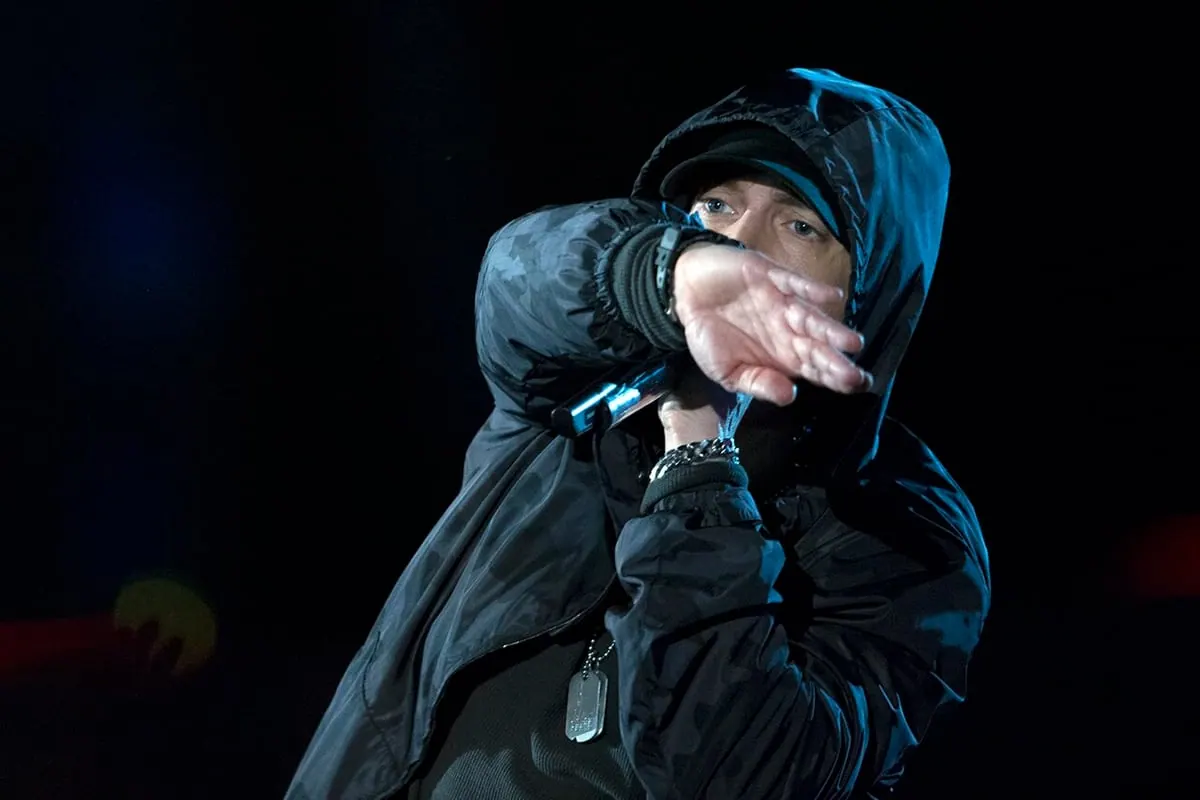
Joseph Strange, a former employee of Eminem, pleaded guilty to criminal copyright infringement in federal court in Michigan, the Justice Department announced October 22. The case concerns unreleased recordings rather than music approved for distribution.
From studio drives to online sales
According to the department’s account of court documents, Strange had access to password-protected studio drives during his employment. He copied at least 10 audio files without authorization and sold and transmitted files online in 2024 for approximately $50,000.
Why a leak is not a release
The department says the material was in different stages of development. Some had received preparation for possible commercial release, but publication was neither certain nor imminent. The distinction matters when fans encounter unfinished recordings on a streaming platform.
The rights exist before the release date
The Copyright Office explains that an original musical work gains copyright protection when it is fixed in a tangible form, such as an audio file or notation. The owner’s rights include making and distributing copies, subject to the law’s limitations. In other words, a recording does not need a marketing campaign or a place on an album to be protected. That distinction is central to understanding why possession of studio files is different from permission to sell them.
What happens next
Sentencing is scheduled for January 27, 2027. The statutory maximum is five years, which is not a prediction of the sentence the judge will impose. The linked announcement provides the plea and scheduling details without reproducing or linking to the unauthorized music.
Why this story is in the editionCurrent federal enforcement development; nationwide search popularity has not been independently measured.
Prepared with AI assistance. Source-based reporting checked on October 23, 2026. This article does not update automatically. Read our editorial standards.