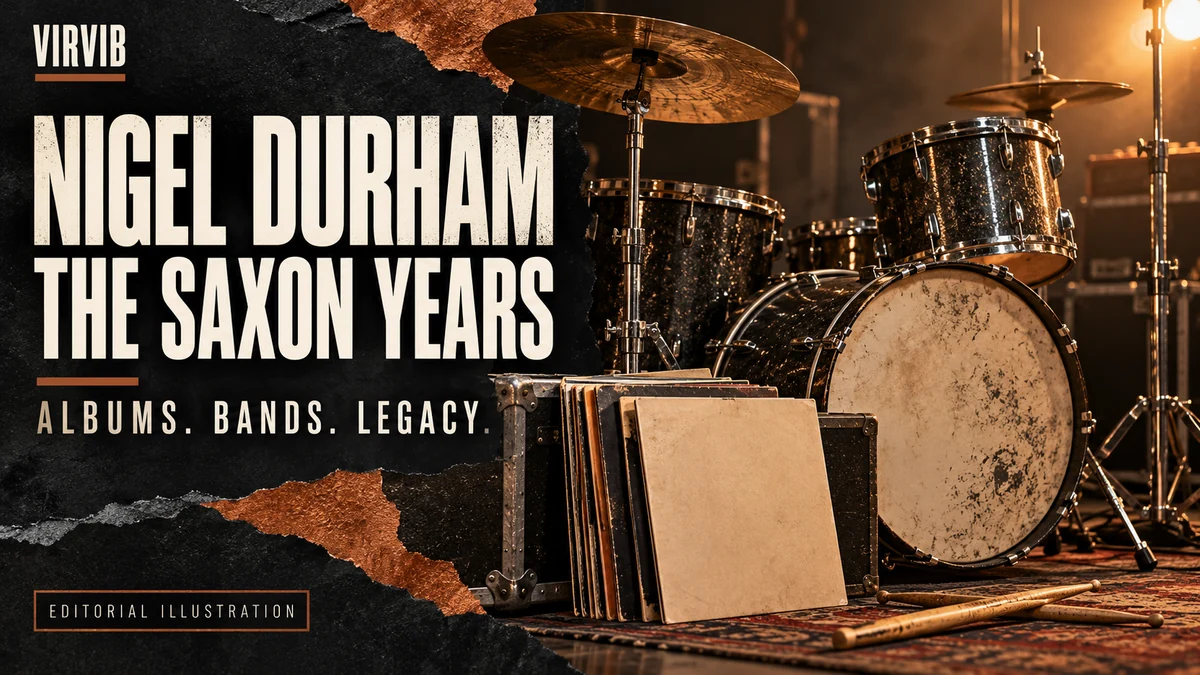
The name behind one Saxon album—and a much longer career
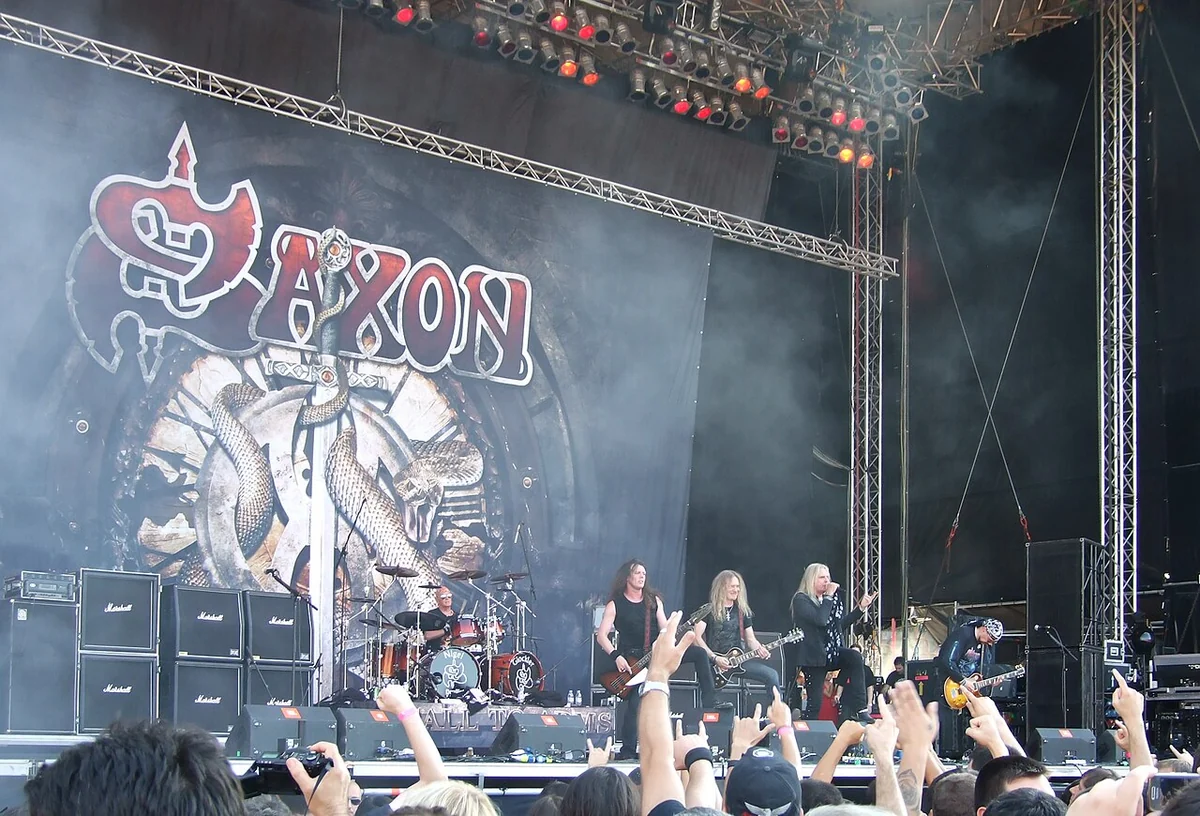
Nigel Durham's best-known Saxon credit fits on one album sleeve. His career does not. The British drummer, whose death at 61 was announced by Saxon on October 24, 2026, played on Destiny in 1988 before building a longer recording and performing history with related musicians and, later, Morpheus Rising. For listeners encountering his name through the news, that distinction is the useful place to begin: a brief spell in a famous band can be the doorway into a body of work rather than its full measure.
Saxon's announcement expressed sympathy for Durham's family. It did not disclose a cause of death. This account does not supply one. It follows the documented records, personnel credits and band announcements that show what he played, whom he worked with and where a new listener can go next.
There is also an important identification point. Nigel Durham and Saxon's longtime drummer Nigel Glockler are different musicians. Searching only a first name, or relying on a current band photograph, can mix their histories together. Durham's place in the story becomes much clearer when it is attached to an album and a date: Destiny, 1988. From there, the trail leads to live recordings with Oliver/Dawson Saxon and a studio album released more than a quarter-century later.
Sources: Saxon — official October 24 statement, linked by NextMosh ↗ · NextMosh — death announcement and career chronology ↗ · Saxon — official band biography and previous members ↗
Where the Destiny years sit in Saxon's history
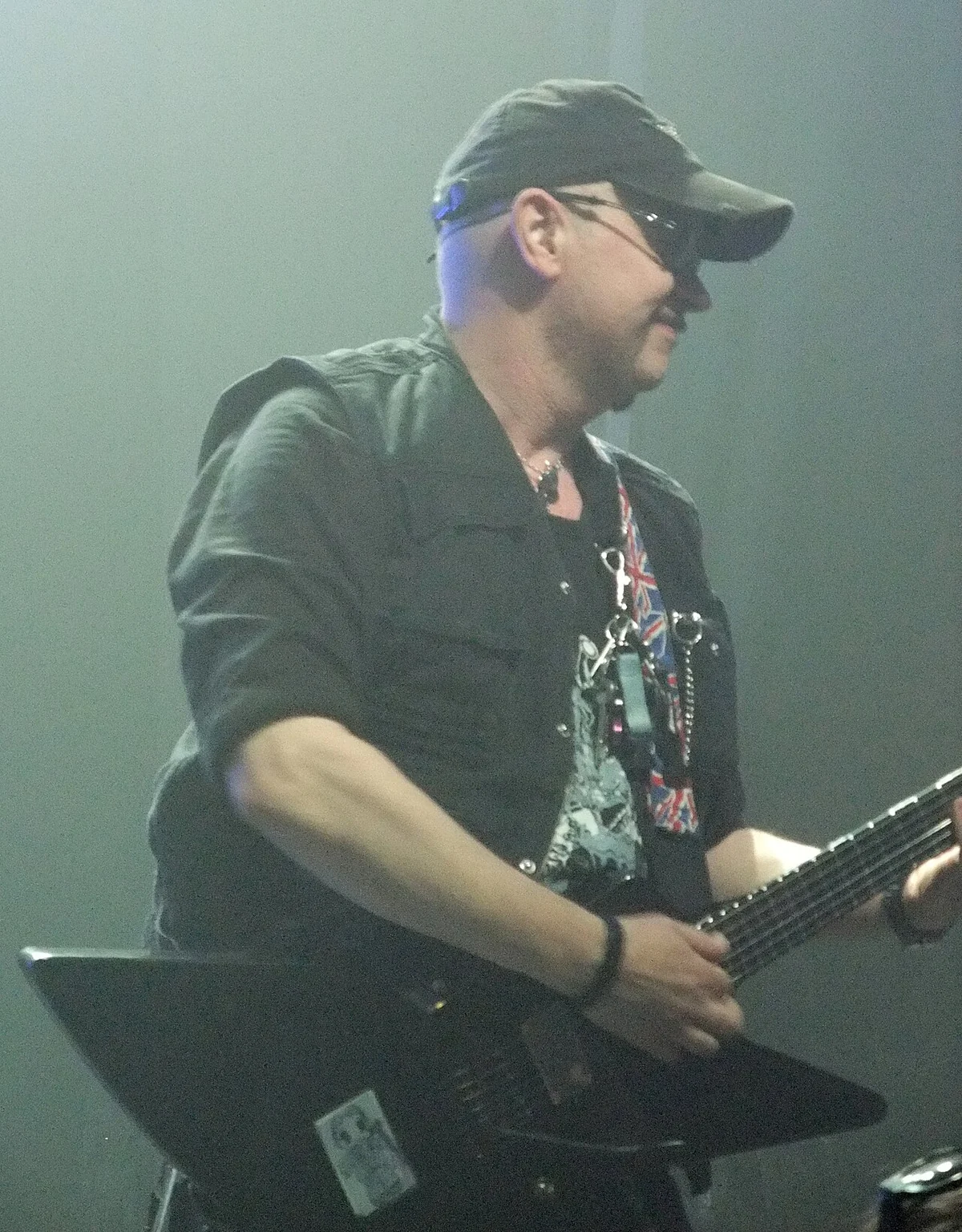
By the time Durham recorded with Saxon, the group already had a substantial history. Its official biography traces the band's formation in Barnsley, its early Son of a Bitch name and its subsequent rise during the New Wave of British Heavy Metal. Wheels of Steel, Strong Arm of the Law and Denim and Leather belonged to the early-1980s run that helped establish its audience. Durham should not be retrospectively credited with playing the drums on those original studio albums. His Saxon recording period came later.
That later setting matters. A band name can make several decades of changing personnel look like one unbroken lineup. In reality, individual records capture particular combinations of players. Saxon's official history lists Durham among its previous members, while the Destiny personnel credits identify the musicians who made that specific album. Those are different kinds of evidence, and together they provide a firmer starting point than a loose label such as former Saxon member.
The 1988 record arrived after Rock the Nations and before the live album Rock 'n' Roll Gypsies. Saxon's own account describes the end of that decade as a difficult commercial period, followed by a rebuilding phase. That is band-level context, not an explanation for Durham's departure or a judgment about his playing. A change in a group's fortunes cannot responsibly be assigned to one musician without evidence.
Sources: Saxon — official band biography and previous members ↗ · Saxon — official discography ↗
Destiny: the studio credit to start with
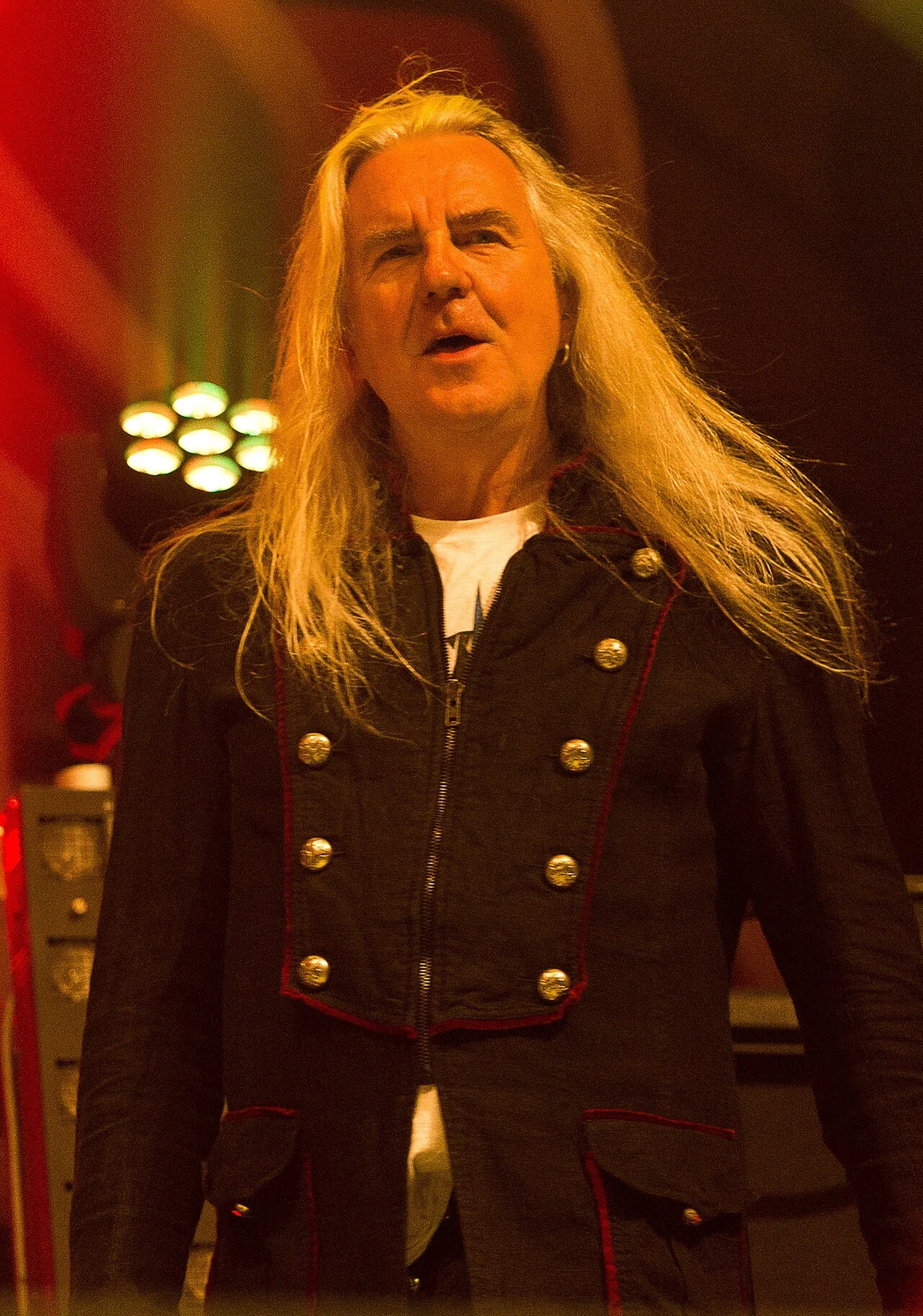
Destiny gives a newcomer the most direct answer to the question of which Saxon album features Nigel Durham. The original recording pairs his drums with Paul Johnson's bass, Biff Byford's vocals and the guitars of Graham Oliver and Paul Quinn. AllMusic's personnel listing credits Durham with drums and identifies Stephan Galfas among the record's production personnel. The lineup is worth checking because later Saxon photographs and current streaming artist pages can describe the band as it exists now rather than the players heard on an older release.
The album opens with Ride Like the Wind, Saxon's version of the Christopher Cross song. The original ten-track sequence also includes Where the Lightning Strikes, I Can't Wait Anymore, S.O.S., We Are Strong and Red Alert. Those titles provide a practical route through the record without pretending that one song can summarize a drummer's entire contribution. Listen across complete tracks and notice how the percussion connects introductions, verses and changes of section; that is a listening exercise, not a claim that this article has isolated a particular drum technique from the master recordings.
Collectors should also distinguish the original album from expanded editions. Later reissues may add live recordings, alternative mixes or material from another date. A larger track count does not mean every item was recorded by the same lineup in the same sessions. The album's core personnel credit establishes Durham's place; each bonus track still needs its own credit checked.
Sources: AllMusic — Destiny personnel credits ↗ · Musik-Sammler — 1988 Destiny edition, track list and personnel ↗
Oliver/Dawson Saxon: carrying a repertoire onto the stage
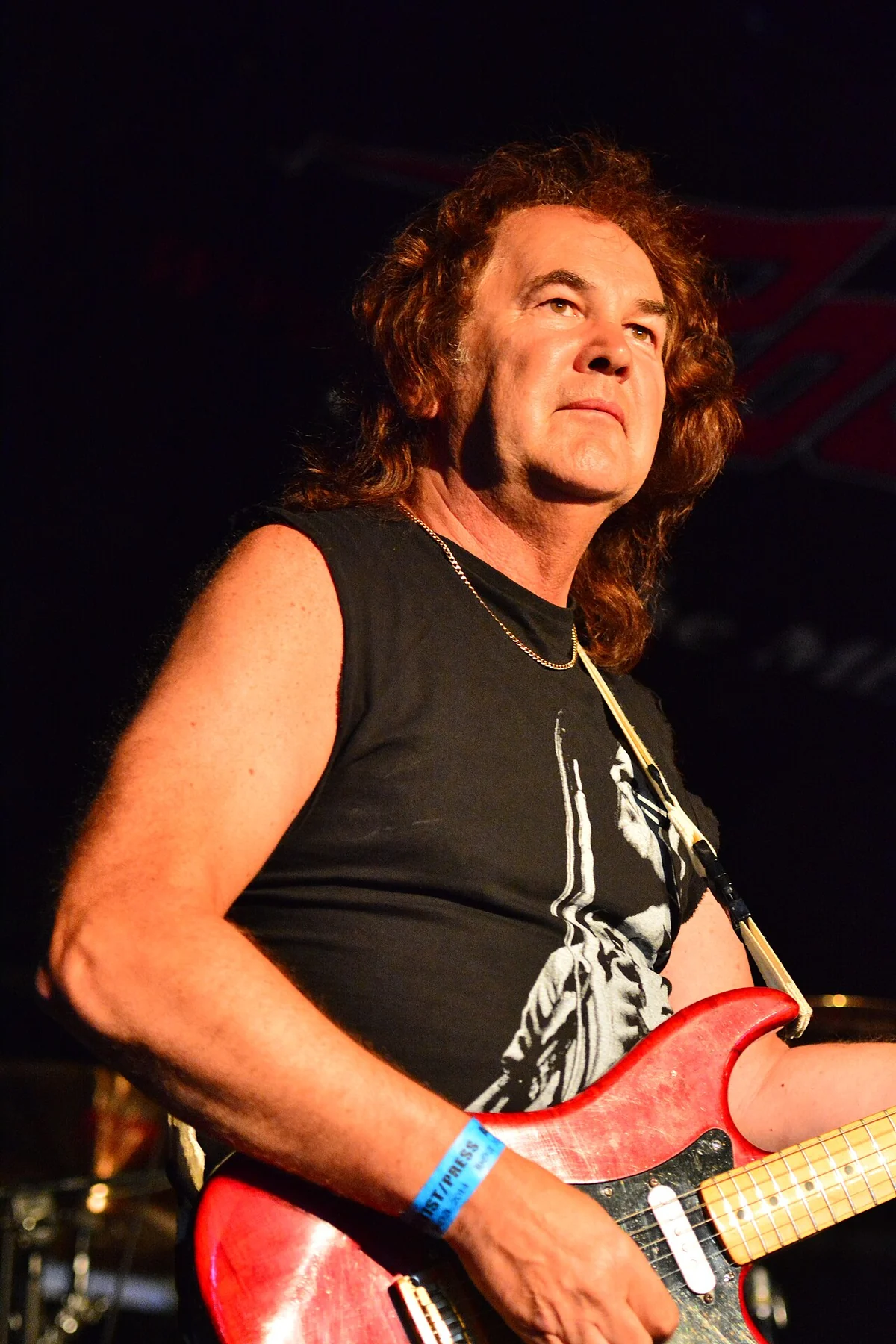
Durham's later work with musicians from Saxon's wider family makes the career longer than the Destiny chapter alone suggests. NextMosh's account places him with Son of a Bitch in 1999 and Oliver/Dawson Saxon from 2000 to 2010. A festival biography likewise describes John Ward and Durham joining the project in 2000. These names should not be collapsed into the current Saxon lineup: Oliver/Dawson Saxon was a separate band associated with former Saxon musicians Graham Oliver and Steve Dawson.
The record Re://Landed is a useful next stop. Its published personnel list names Durham on drums alongside Oliver, Dawson, guitarist Haydn Conway and vocalist John Ward. The track list includes versions of Saxon songs such as Strong Arm of the Law, Dallas 1 p.m., 747 (Strangers in the Night), Motorcycle Man and Wheels of Steel. Past the Point is identified separately as a Son of a Bitch song. This is a live-album credit, not evidence that Durham played on the original Saxon studio versions of every song in that set.
That distinction gives the listening journey a different purpose. Destiny documents his participation in a studio lineup; Re://Landed documents him performing a repertoire with another band. Melodic Revolution Records' later announcement of his arrival in Morpheus Rising also points to Re:Landed and It's Alive among his earlier credits. A discography can therefore show continuity without erasing the differences between studio albums, concert recordings and later editions.
Sources: NextMosh — death announcement and career chronology ↗ · WinterStorm — Oliver/Dawson Saxon festival biography ↗ · Metal Archives — Re://Landed track list and musicians ↗ · Melodic Revolution Records — Durham joins Morpheus Rising, August 2013 ↗
Morpheus Rising and the 2014 album credit
The next well-documented turning point came in August 2013. Melodic Revolution Records announced Durham as Morpheus Rising's full-time drummer on August 21, with a statement from the band discussing rehearsals, live material and forthcoming recording sessions. Blabbermouth reported the appointment later that month. The announcement is particularly useful because it is a contemporary record of the move, not a career summary assembled after his death. It shows the band welcoming a musician for work that still lay ahead.
Morpheus Rising's label biography describes a five-piece British heavy-rock group built around twin guitars and melodic songwriting. It names Thin Lizzy and Iron Maiden among the band's influences. Those are the band's promotional descriptions, not independent evidence that Durham's drumming sounded like another named player. They help identify the musical setting in which the next record was made.
That record was Eximius Humanus in 2014. The label's Bandcamp listing credits Durham on drums, with Si Wright on vocals, Pete Harwood and Daymo Sweeting on guitars, and Andy Smith on bass. Its ten tracks include Super Human, Looking For Life, Day Number One, Mega City One and Superpower. The listing attributes the songwriting to Harwood and Wright; Durham's performance credit should not be converted into an unsupported claim that he wrote those songs. The album is a concrete later studio credit, showing why a career guide should continue well beyond his short Saxon tenure.
Sources: Melodic Revolution Records — Durham joins Morpheus Rising, August 2013 ↗ · Blabbermouth — contemporary Morpheus Rising appointment report ↗ · Melodic Revolution Records — Morpheus Rising artist biography ↗ · Melodic Revolution Distribution — Eximius Humanus official album credits ↗
A three-record listening route through his work
For someone asking where to start with Nigel Durham's music, three records create a manageable route: Saxon's Destiny, Oliver/Dawson Saxon's Re://Landed and Morpheus Rising's Eximius Humanus. This is an editorial listening sequence rather than a ranking of his performances. It follows three documented settings: a late-1980s studio album, a live repertoire with fellow Saxon alumni, and a later studio project with another group. Hearing those settings in order offers more context than repeating the single famous band name in an obituary.
Use the credits alongside the music. Check whether a release is a studio album, a live recording, a video or a reissue. Confirm the drummer for the particular edition rather than assuming that a band's current members played on its entire catalog. The Metal Archives' career listing is useful for tracing titles and periods, while the label's own album credits provide a primary-source check for the Morpheus Rising recording. No one database needs to carry the whole account.
Durham's death has brought renewed attention to his name, but the recordings are the part of this story that listeners can explore for themselves. The documented arc is specific: Saxon in 1987–88, a later stretch with Oliver/Dawson Saxon, and Morpheus Rising in the following decade. The albums supply the next step.
Sources: Metal Archives — Re://Landed track list and musicians ↗ · Melodic Revolution Distribution — Eximius Humanus official album credits ↗ · Metal Archives — Nigel Durham recording history ↗
Prepared with AI assistance. Source-based reporting checked on October 25, 2026. This article does not update automatically. Read our editorial standards.