Barbara Barrie dies at 95: a career built across stage and screen
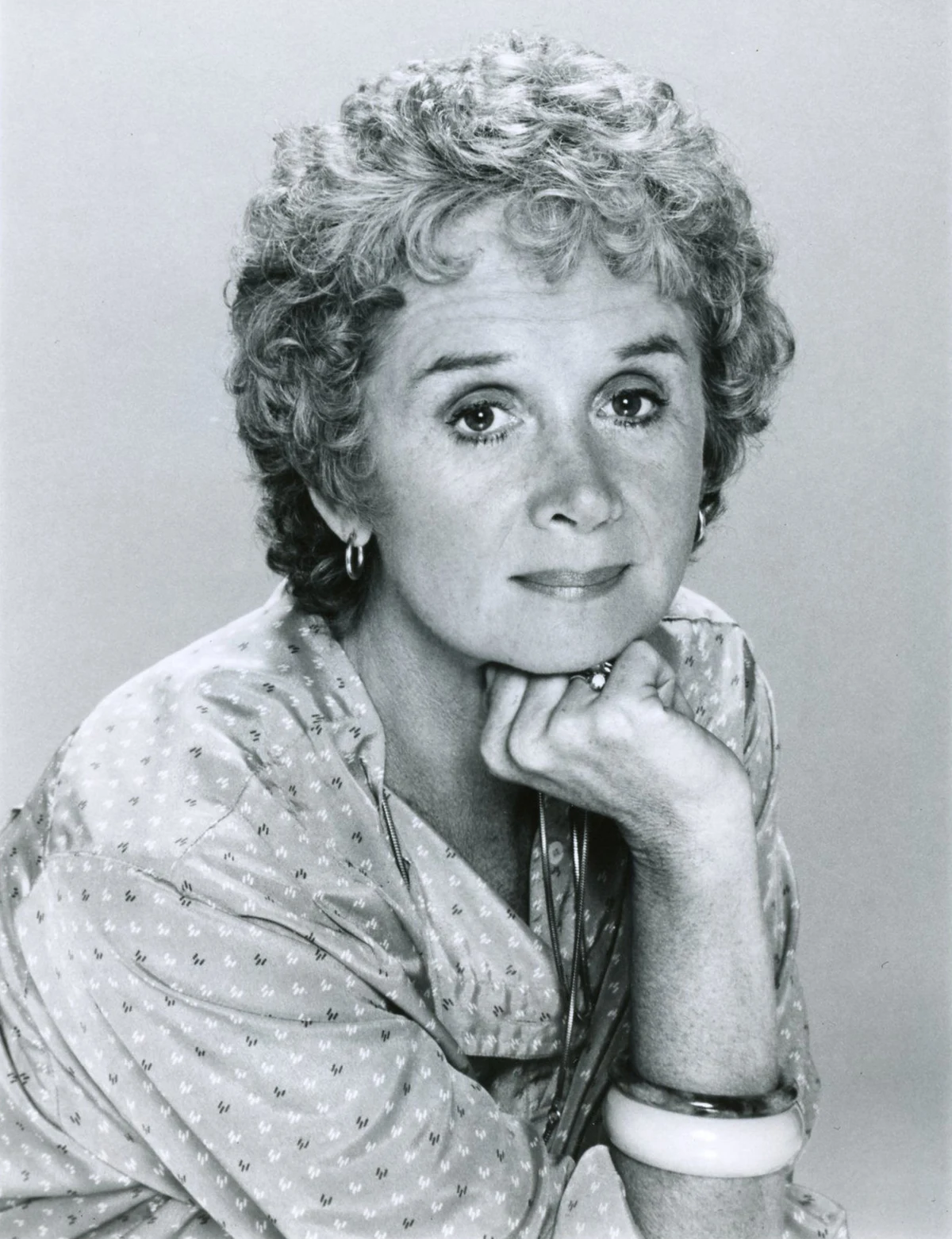
Barbara Barrie, the actress known for Breaking Away, Company and Barney Miller, died on October 28, 2026, at 95, according to reports from Broadway.com and PEOPLE. Both publications attributed confirmation to her daughter, Jane Harnick, speaking to The New York Times. Broadway.com reported that she died at her Manhattan home. Her work crossed film, television and Broadway, leaving several different generations of audiences with different points of entry into the same career.
The immediate reader question is who Barrie was beyond the familiar face. “Barbara Barrie” appeared in Google Trends’ United States trending-search view checked overnight October 28–29. That appearance establishes current interest without supporting a claim that she held a particular national rank. Her record includes an Academy Award nomination, a Tony nomination and three prime-time Emmy nominations, each tied to a specific performance rather than a general lifetime accolade.
Born Barbara Ann Berman in Chicago on May 23, 1931, she grew up in Corpus Christi, Texas. The New York Public Library’s biographical finding aid records her education at the University of Texas at Austin and her fine-arts degree. It also documents her marriage to director and producer Jay Harnick in 1964 and their two children, Jane and Aaron. These details place the public career within a life that extended well beyond the characters audiences saw.
The Broadway League’s Internet Broadway Database dates her Broadway debut in The Wooden Dish to October 1955, in the role of Janey Stewart. Its credits then place her in The Beaux Stratagem in 1959 and Happily Never After in 1966. Those early entries show that her theater work was established before the television roles that later made her a recognizable household presence.
Company became a defining stage credit. The original production opened on April 26, 1970, with Barrie playing Sarah. The Tony Awards’ official 1971 nominations include her in the featured-actress musical category, and its record identifies Company as that year’s Best Musical winner. Stephen Sondheim’s score and George Furth’s book are also recorded among the show’s Tony successes. Barrie’s nomination belongs to that original production, rather than to one of the musical’s later reinventions.
Her subsequent stage record includes Neil Simon’s California Suite and replacement engagements in The Prisoner of Second Avenue and Torch Song Trilogy. Decades later, IBDB lists her as Helene Berman in the original Broadway production of Significant Other, which ran in 2017. The span from her 1955 debut to that appearance is more than sixty years. It describes continued participation in theater, not a career confined to one celebrated season.
VIRVIB historical analysis: that chronology complicates the shorthand of calling Barrie only a sitcom actress or only an Oscar nominee. Neither label is wrong, but each is incomplete. The stage credits show an actor repeatedly returning to live performance while maintaining a separate screen career. Awards provide useful landmarks; the production record supplies the continuity between them.
Sources: Broadway.com — October 28 obituary and daughter’s confirmation as reported ↗ · PEOPLE via AOL — October 28 obituary ↗ · Google Trends — U.S. view checked overnight October 28–29 ↗ · Broadway League / IBDB — official credits and roles ↗ · Tony Awards — official 1971 nominations and winners ↗ · New York Public Library — Barbara Barrie papers and biography ↗
Film recognition and familiar television roles
Her international film recognition also predated the best-known television work. NYPL’s finding aid records the 1964 Cannes acting honor for One Potato, Two Potato, shared with Anne Bancroft. Cannes’ film archive independently confirms Barrie’s place in the cast of Larry Peerce’s 1964 competition entry. The festival credit gives readers another starting point for exploring her screen work, beyond the later American series and the film that brought her Oscar nomination.
The Academy’s official record for the ceremony held on April 14, 1980, lists Barrie as a supporting-actress nominee for Breaking Away, honoring the film released in 1979. She did not win that Oscar; Meryl Streep won for Kramer vs. Kramer. The date distinction matters because a film’s release year and its awards ceremony year are different. Breaking Away received five nominations overall and won for Steve Tesich’s original screenplay.
Barrie’s connection to Breaking Away continued when the story moved to television. The Television Academy records a 1981 supporting-actress nomination for the ABC series. Its database also lists her 1992 nomination for Law & Order, identifying her character as Mrs. Bream, and her 2003 guest-actress nomination for Law & Order: Special Victims Unit, as Paula Haggerty. These were three separate Emmy nominations across different productions and years.
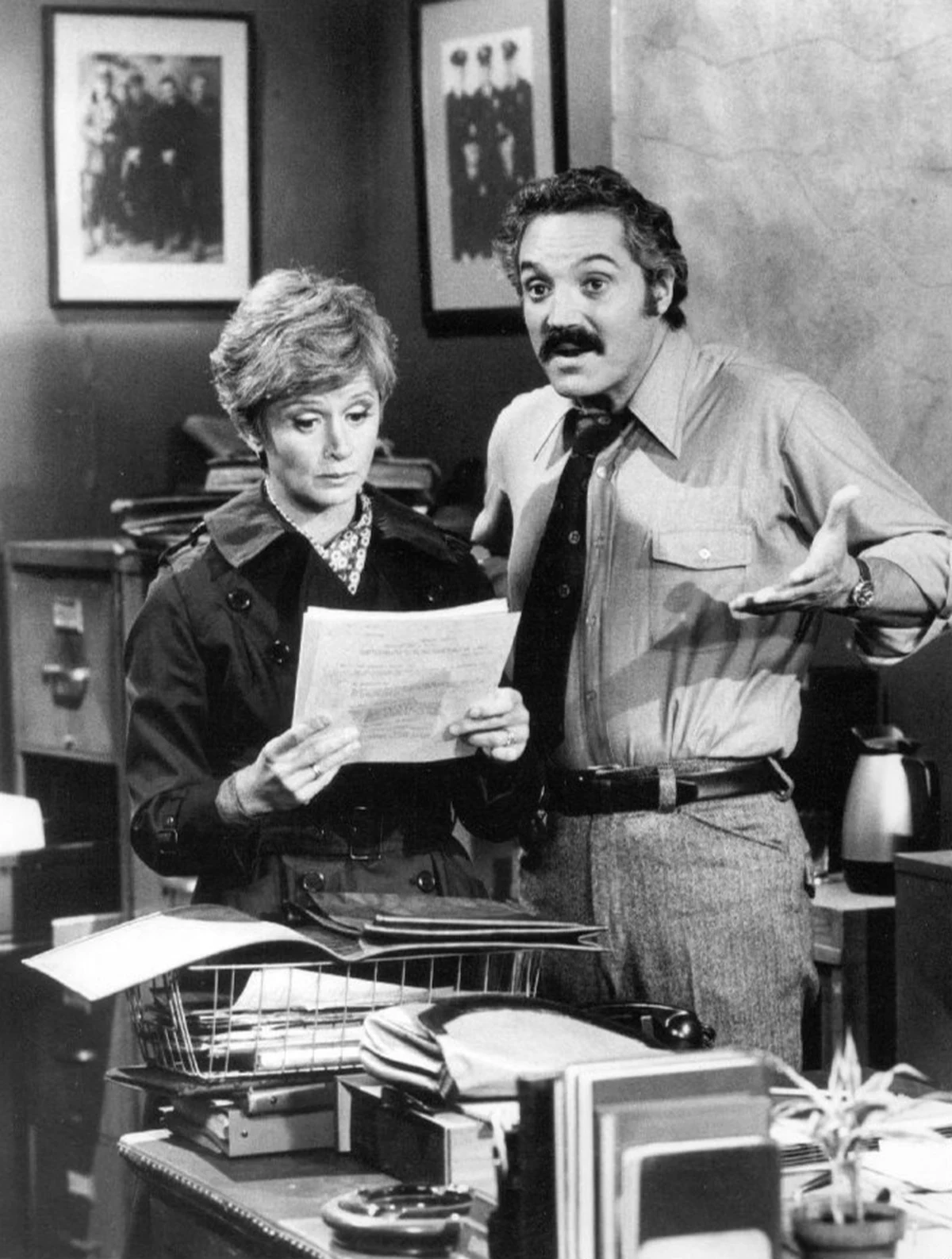
For many viewers, her most immediate association remained Elizabeth, the wife of Hal Linden’s title character on Barney Miller. TVLine’s obituary also identifies her later Suddenly Susan character, Helen, known as Nana to Brooke Shields’s Susan. Those recurring television identities offered a different kind of recognition from an awards ceremony: audiences encountered the same performer as part of a familiar ensemble and returned to her work across episodes.
VIRVIB analysis: a career can be widely remembered through supporting characters without being a minor career. The film and television academy records recognize the work in those categories explicitly. Barrie’s credits illustrate how supporting performances can connect an actor to several enduring productions, even when another character’s name appears in the title. That is a useful way to understand the range of roles now appearing together in her obituaries.
Sources: New York Public Library — Barbara Barrie papers and biography ↗ · Festival de Cannes — One Potato, Two Potato cast and 1964 selection ↗ · Academy of Motion Picture Arts and Sciences — 1980 ceremony ↗ · Television Academy — three Emmy nominations ↗ · TVLine — television roles and obituary ↗
Her books and the archive beyond the performances
She also wrote. NYPL records the novels Lone Star and Adam Zigzag and the 1997 memoir Second Act. Scribner’s official publisher page for the 1999 paperback Don’t Die of Embarrassment describes her first-person account of colorectal cancer and life after a colostomy. The book’s subject was her experience, distinct from the fictional roles that made her famous. This obituary does not treat a personal memoir as current medical guidance.
The publisher describes a candid account intended to make an often uncomfortable subject discussable. That gives the writing a place in the story of her public work: she was not simply recounting a list of acting jobs. She used a first-person form to address an experience that could be difficult to name. No invented conversation or scene is needed to explain that purpose; it is stated in the publisher’s account of the book itself.
The Billy Rose Theatre Division at NYPL holds the Barbara Barrie papers, donated by her in 2008. Its finding aid lists correspondence, programs, photographs and a scrapbook relating to her acting and writing. Those records give future researchers material beyond the finished performances and published books.
The reports of her death bring together these overlapping careers: original Broadway performer, film actor, recurring television presence and author. Their significance lies in the actual work and the records that survive it. Readers who know her from Barney Miller can follow the trail to Company or Breaking Away; readers who know the Oscar nomination can discover the novels and memoir. Her legacy is broad enough to reward those different routes without reducing the life to a single character or prize.
Sources: New York Public Library — Barbara Barrie papers and biography ↗ · Scribner / Simon & Schuster — official book record ↗
Prepared with AI assistance. Source-based reporting checked on 2026-10-29. This article does not update automatically. Read our editorial standards.