Melania Trump’s LSU scholarship announcement: what changed

Melania Trump and Louisiana State University announced a $7.2 million scholarship endowment on November 7, 2026, creating a permanent funding base for LSU students who have experienced foster care. The university expects it to generate approximately $288,000 a year. Its scope includes help with room and board, extending the support beyond classroom expenses to costs that can determine whether a student can remain enrolled.
The total updates the $5 million figure released by the White House on November 4. Saturday’s announcement identifies Baton Rouge contractor MMR Group as the source of the $5 million lead commitment, with other LSU Foundation donors bringing the fund to $7.2 million. The larger total therefore describes the combined endowment. It does not mean that each student will receive a share of $7.2 million immediately, or that the first lady personally donated that amount.
The Associated Press reported the announcement at an event with LSU President Wade Rousse, providing independent confirmation that the visit had progressed beyond the plans published earlier in the week. That distinction matters when reading older headlines that still describe the first lady as preparing to travel or refer only to the original $5 million amount.
LSU names the fund the MMR Fostering the Future Endowed Scholarship. The university says 75 additional LSU Foundation donors contributed alongside MMR, whose founder and leader, James B. “Pepper” Rutland, is an LSU alumnus and former football player. The announced total is $2.2 million above the first figure, an increase of 44%. Those are calculations comparing the two announcements, rather than evidence of a separate second fund.
For prospective recipients, the central change is the funding structure. The money is intended to support successive groups of students over time. The announcement establishes the size and purpose of that commitment, while leaving the detailed size of individual future awards to the scholarship’s administration.
How a $7.2 million endowment becomes annual support
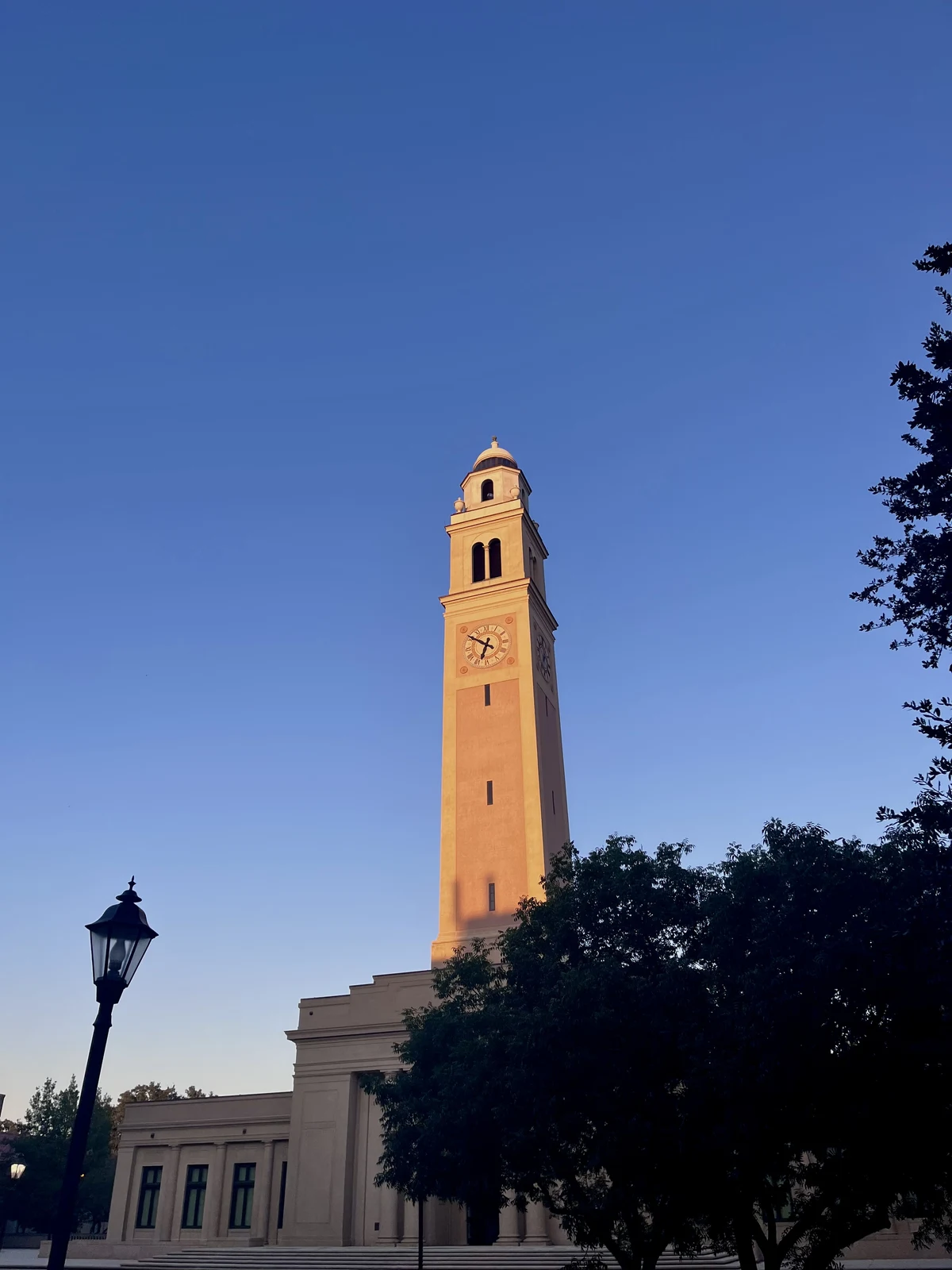
An endowment separates the donated capital from the amount available for spending in a given year. The LSU Foundation explains that endowed gifts are invested in a pool and that a portion of the total return supports the purpose selected by the donor. Its published spending policy currently uses 4% of the fund’s five-year rolling average market value. The aim is to sustain support across generations of students rather than exhaust the gift in one class’s financial-aid cycle.
LSU’s estimate of $288,000 in annual support is exactly 4% of $7.2 million. That arithmetic makes the relationship between the headline sum and the expected yearly benefit easier to understand. It does not establish the fund’s actual first distribution, investment performance or the timing of every contribution. The foundation’s policy refers to a rolling average, and the university describes the annual amount as an expectation.
The same distinction helps explain the increase since November 4. Applying 4% to $5 million produces $200,000. Applying it to $7.2 million produces $288,000, a difference of $88,000 a year under that simplified comparison. This is VIRVIB’s calculation using the announced amounts. It is not a promise that an additional $88,000 has already been paid to students or that investment returns will remain constant.
Nor does an annual spending estimate reveal how many scholarships the fund will provide. Different award amounts, renewal decisions and eligible expenses could produce different recipient totals. Dividing the annual estimate by a single student’s reported award would create a hypothetical result, not a confirmed scholarship count. LSU has not supplied a future recipient total in this announcement.
The foundation also says its private funds must benefit LSU and follow donor intent. That restriction makes the scholarship’s designated purpose part of the financial story. The announced capital is committed to educational support for a defined community. It should not be described as unrestricted university revenue or as a new federal benefit available to every young person who has experienced foster care.
The existing students behind the new funding
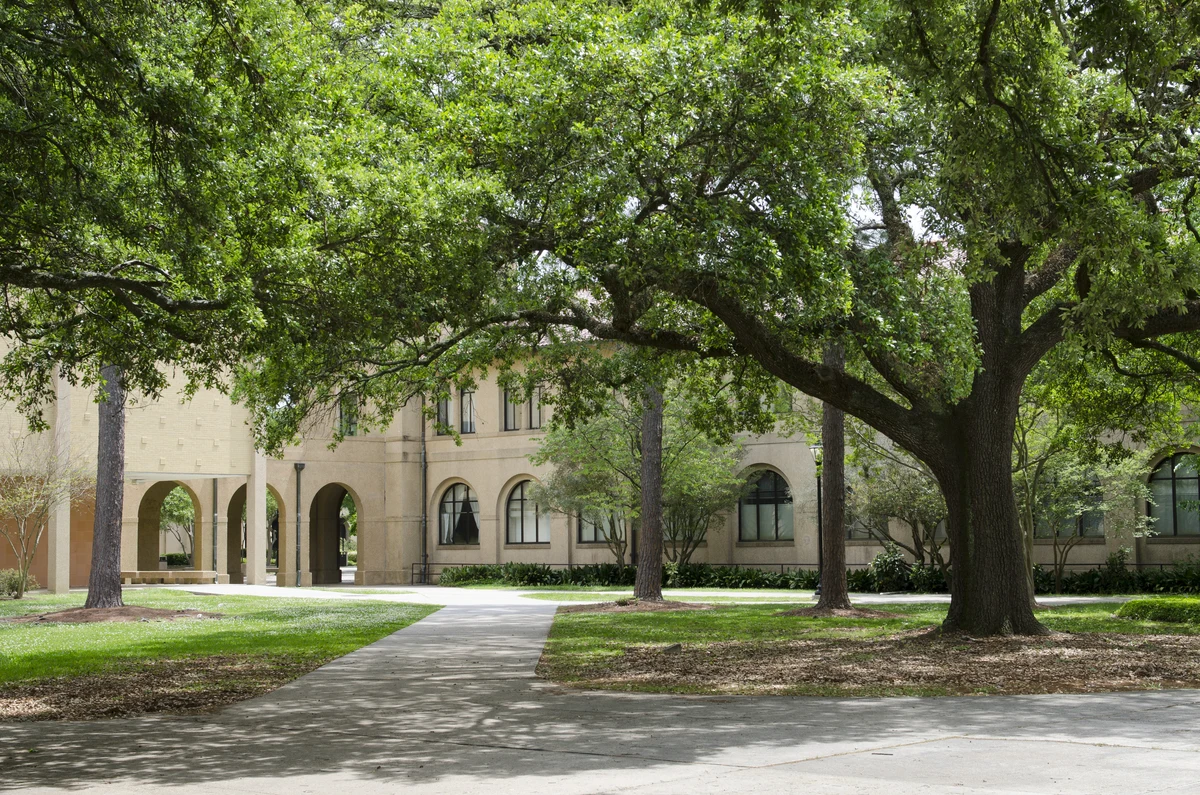
The permanent endowment builds on a program that was already operating at LSU. The university says it became a Fostering the Future partner in early 2026 and used an initial commitment from Zoom to fund tuition, fees and books for 14 students this fall. The MMR-backed endowment creates a longer-term funding base and adds flexibility for room and board. Existing fall scholarships and the new endowment are connected developments, but they should not be treated as identical funding commitments.
One recipient described the practical effect before Saturday’s ceremony. In a November 6 interview with WAFB, LSU junior Wynter Allen said he had received a $10,000 Fostering the Future scholarship earlier in the semester. He had grown up in California, entered foster care at 16 and planned to graduate with a journalism degree. He told the station that the award would help with potential student debt.
Allen’s account gives the announcement a scale that the multimillion-dollar total alone cannot supply. His reported award was support for an individual student pursuing a particular degree, rather than an abstract measure of a national initiative. It also shows that recipients were receiving assistance before the weekend’s public launch of the permanent fund.
His experience does not establish a standard $10,000 award for future applicants. The amount comes from one recipient’s account, and the new fund’s room-and-board flexibility does not automatically mean that every recipient will receive full living costs. Those distinctions matter for students trying to plan a semester around money they have not yet been awarded.
LSU’s financial-aid website provides separate information for incoming students, current students and outside scholarships, along with contact details for its scholarship office. It lists scholarships@lsu.edu and 225-578-3103. Those are the university’s published channels for questions about eligibility, award conditions and applications. The November 7 release does not provide a dedicated application deadline, a uniform award size or renewal requirements for the endowed scholarship. Students should confirm those details with LSU before counting the announcement as part of their own aid package.
A football audience, a national initiative and the next test
The announcement used the LSU–Alabama football weekend to bring attention to an education program. The White House said Fostering the Future branding would appear on LSU player jerseys, helmets and other game-day materials. Alabama also participates in the initiative. The first lady said there were nine scholars at Alabama and 14 at LSU, within a national group of 100 students at 26 universities that semester. Those are program participation figures reported by her office, rather than a count of students funded by the new LSU endowment.
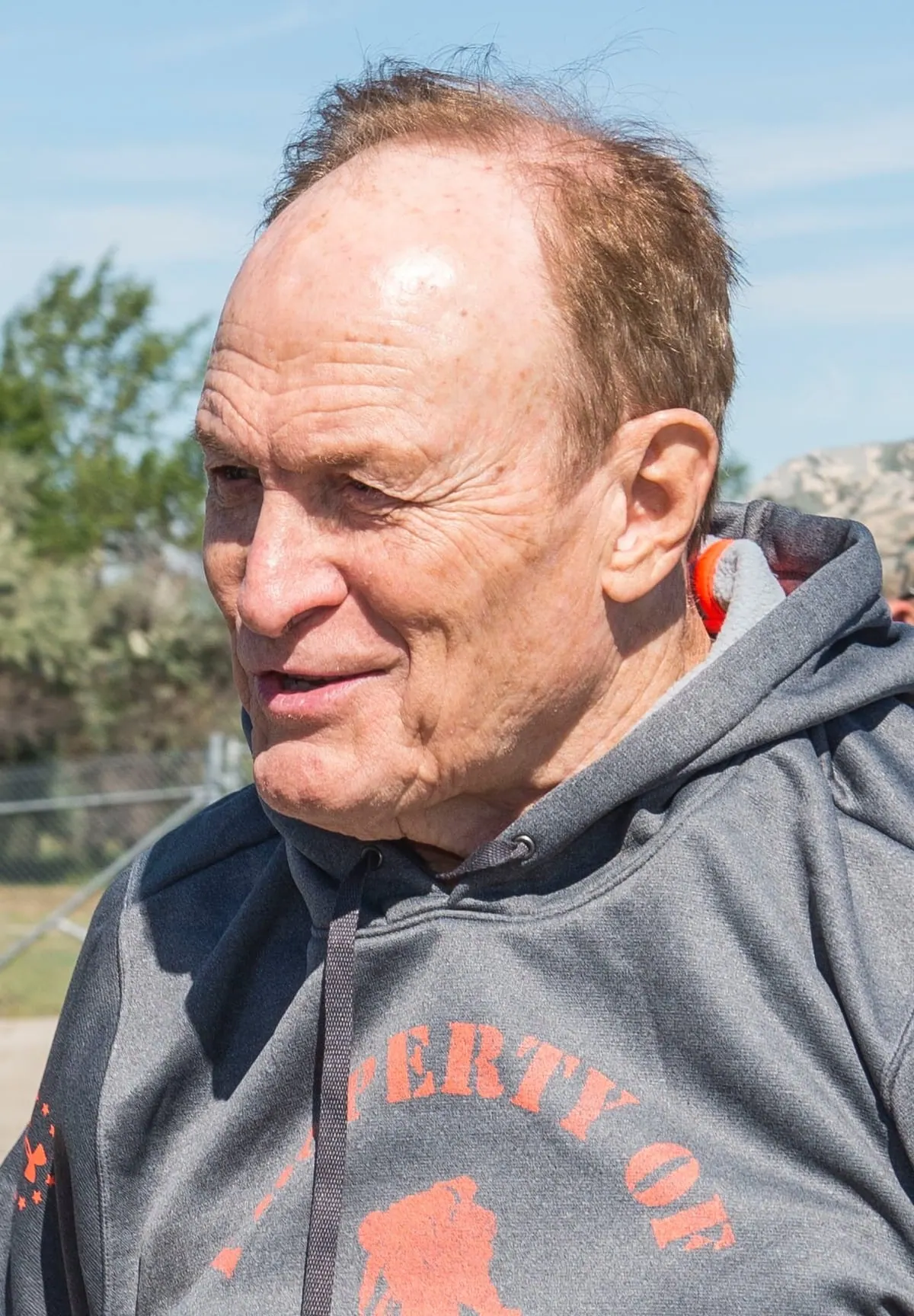
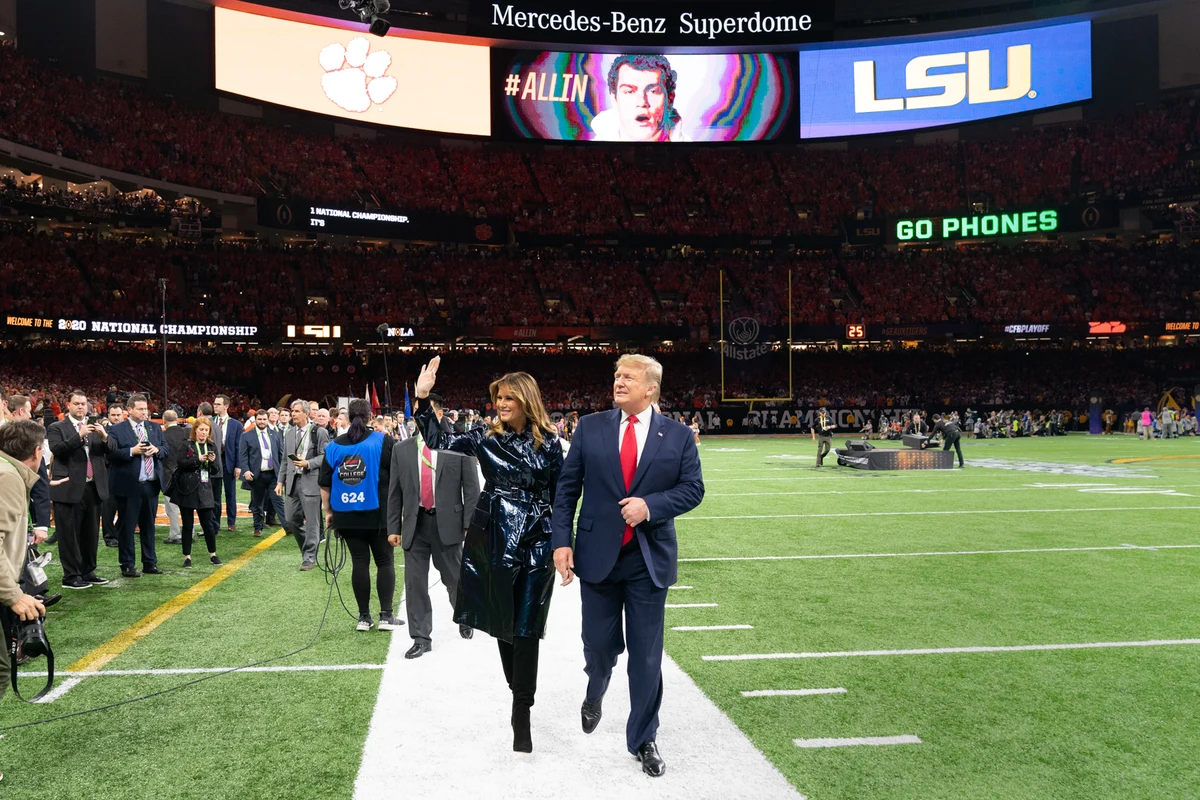
The football setting has a documented earlier connection. Melania Trump attended LSU’s national championship game against Clemson in New Orleans on January 13, 2020, alongside President Donald Trump. The archival photograph accompanying this section records that earlier appearance. It does not depict Saturday’s scholarship ceremony or establish that the president joined the November 7 visit.
Fostering the Future itself dates to 2021 and sits within the first lady’s Be Best work. In remarks published after an April 15, 2026, House Ways and Means Committee discussion, she described educational support alongside problems involving housing, transport, technology and continuity. The LSU fund addresses part of that agenda through scholarships. Its provision for room and board is particularly relevant to the gap between paying academic charges and having the resources to live while studying.
A private university endowment and a national policy agenda operate through different mechanisms. Saturday’s donation announcement does not by itself change federal eligibility rules, establish a nationwide entitlement or demonstrate improved graduation outcomes. The number of participating institutions measures the initiative’s reach, while completed degrees and continued enrollment would measure different results.
The next evidence to watch is therefore concrete: LSU’s award criteria, the amount actually distributed, the number of students supported and the terms for continuing that support. The November 7 announcement supplies a named lead donor, a larger permanent fund and an estimate of annual resources. How those resources translate into students remaining in college will determine its educational effect.
View sources
Source publication or schedule date: November 7, 2026 announcements, with November 4 and April 15 primary records and November 6 recipient interview.
- White House — November 7: $7.2 million endowment announcement and remarks
- LSU — November 7: MMR Fostering the Future Endowed Scholarship
- Associated Press — Melania Trump and LSU announce foster-care scholarship partnership
- White House — November 4: original $5 million announcement
- LSU Foundation — Endowment structure and spending policy
- WAFB — November 6 interview with scholarship recipient Wynter Allen
- LSU — Financial Aid & Scholarships and contact information
- White House — April 15: foster-care education remarks to congressional committee
- Photograph provenance — melania
- Photograph provenance — tower
- Photograph provenance — library
- Photograph provenance — football
Prepared with AI assistance. Source-based reporting checked on November 7, 2026. This article does not update automatically. Read our editorial standards.