Which Little Giant ladders are included?
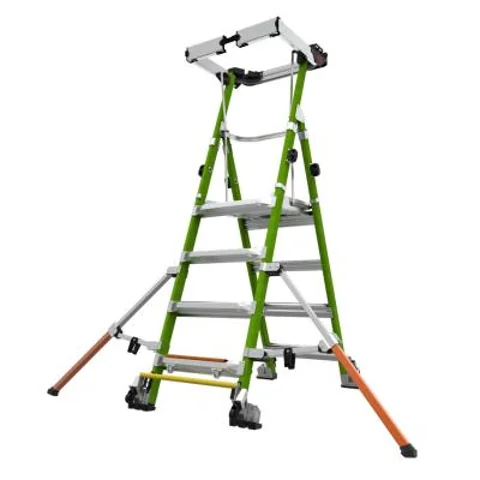
Little Giant is recalling about 3.662 million ladders with Rapid Locks after reports that some ladders suddenly retracted, creating a fall hazard. The U.S. Consumer Product Safety Commission announced the action on November 5, 2026. Owners of affected ladders should stop using them and follow the recall process. The remedy begins with warning labels and instructions, with further evaluation, replacement or a refund available under the conditions described in the notice.
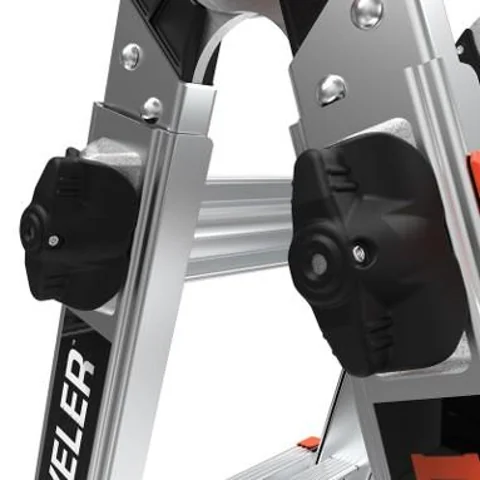
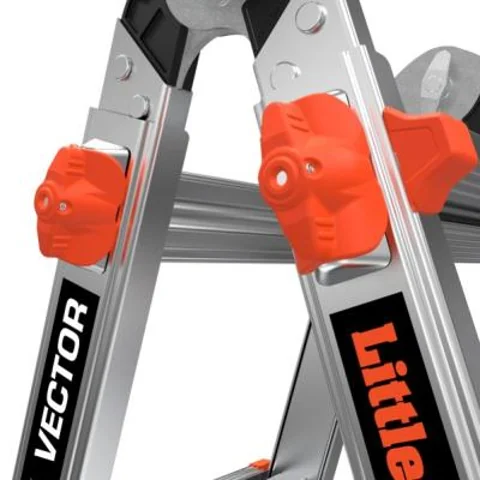
The identification details matter as much as the brand name. The notice covers 11 model names: Adjustable Fortress 2.0, Conquest 2.0, Dark Horse 2.0, Epic, King Kombo XT, Leveler, MegaLite, MegaLite+, Multi, Quantum and Vector. The brand and model are printed on the side of the ladder. The Rapid Locks themselves are black or orange and insert into the rungs to adjust the height.
There is also an exclusion that can be missed in a broad headline. Only affected ladders without an orange rectangular QC sticker on the rail above one of the Rapid Locks are included. A Little Giant logo alone does not settle whether a ladder falls within this action. The model, lock system and specified sticker location need to be read together against the official identification photographs and description.
The sales period stretches from December 2015 through October 2026. CPSC lists Lowe's, Costco and other stores, as well as online sales through their websites, Amazon, Little Giant and other sellers. Prices ranged from about $100 to $1,000. That long period means the recall can concern an older ladder already in a garage or workshop, rather than only a recent order or products still on a retailer's shelf.
USA TODAY independently reported the recall on November 5 and obtained a response from Little Giant. The company told the newspaper that it had identified instances in which locks were not properly engaged before use and had initiated the voluntary action with CPSC. That response supplies the company's account of the problem. The agency's notice remains the reference for the affected products, the stop-use instruction and the remedy.
The official record says Little Giant received 25 reports of ladders retracting, including 19 reports of injuries. It describes head injuries as well as other injuries including fractures, cuts and bruising. Separately, it lists 39 reports of Rapid Locks not working properly. These are reported events, rather than a count of every incident that may have occurred. The notice does not establish that the two reporting categories are entirely separate.
VIRVIB analysis — dividing these reports by the number of recalled ladders would not produce a reliable probability of injury. Units sold are not a measure of how often ladders were used, how they were maintained or whether every event was reported. The useful distinction for an owner is the product's eligibility for the recall process. A low number of reports relative to sales does not cancel the official instruction to stop using an affected ladder.
The stated hazard is sudden retraction when Rapid Locks are not fully engaged. That is narrower than saying every ladder in the sales period has a broken rung, and more consequential than treating the notice as a routine label update. Height-adjusting locks are part of the ladder's support system. The recall addresses their engagement and maintenance through a defined sequence, rather than providing a blanket assurance about every unit bearing the brand.
How the repair, replacement and refund process works
Little Giant's published recall notice directs consumers to contact the company for a repair kit containing warning labels and instructions. The additional information tells users to verify that Rapid Locks are properly engaged before each use and to maintain the locks with lubrication. The stop-use direction applies until owners review the recall information and follow the prescribed process. A news summary is not a substitute for the manufacturer's instructions for an individual ladder.
The next stage is conditional. Consumers who follow the instructions but still have a lock that does not function properly after lubrication should contact Little Giant for evaluation. If the lock still fails to function properly after that evaluation, the company offers a replacement of the same or an equivalent model, or a refund. The published terms describe refunds based on purchase age, ranging from depreciated value to full purchase price for ladders bought within the past 12 months.
This sequence explains why the remedy is listed as repair, replacement and refund without promising an immediate full refund to everyone. Obtaining the instructions, addressing the lock issue and pursuing an unresolved problem are different stages. Owners should use the company's recall contact, 866-201-9069, or the recall link on its website to establish the next step for their ladder. The manufacturer also links a dedicated Rapid Lock customer-education site from its recall page.
Little Giant's separate safety page explains that the QR code on a ladder's rails provides access to its safety manual. That can help an owner locate the instructions for a particular model, while the recall page identifies the additional action now required. The safety page also emphasizes learning how a ladder is designed to be used. Neither a general safety video nor familiarity from years of use replaces the specific recall remedy.
The issue also follows a ladder into a secondhand sale. CPSC's online-sales guidance says recalled products must not be offered for sale, even when a seller considers the item in good condition and has experienced no problem. Its accompanying FAQ distinguishes a product that has received the remedy specified in the public recall notice: it says that product may be sold once the remedy has been applied, with the listing making clear that the remedy is included.
That distinction makes the recall record relevant to both sides of a used-equipment transaction. A seller's statement that a ladder has always worked is different from documentation that the applicable remedy was completed. For an unresolved Rapid Lock problem, passing the ladder to another buyer would not resolve its recall status. The model identification and the manufacturer's evaluation process remain relevant after the original retail purchase.
Owners can separately report a product-safety experience through SaferProducts.gov, CPSC's public reporting and search service. The site accepts reports of harm or potential harm, and provides a searchable database where people can read product reports. It also allows manufacturers and other businesses to respond. This reporting function is distinct from asking Little Giant to send a kit, evaluate a lock or process a remedy for a particular ladder.
CPSC's buying-and-selling FAQ also explains how to report a recalled product found for sale online. It asks for a link to the exact listing and, where possible, a screenshot. That gives the agency a location it can check rather than an untraceable description of an advertisement. Reporting an unsafe product or a sales listing should not be confused with completing the manufacturer's recall process. Each channel serves a different purpose.
The practical result of the November 5 announcement is a product-specific check followed by a company-managed remedy. The official photographs help identify the ladders and locks, the model and QC-sticker conditions determine the stated scope, and the instructions explain what happens next. The recall does not require an owner to prove that a fall has already happened before acting. It calls for affected ladders to come out of use while that process is followed.
View sources
Source publication or schedule date: Recall announced November 5, 2026. General agency resale and reporting guidance checked November 6.
- CPSC — November 5 recall 27-067 and identification photographs
- Little Giant — official recall notice and remedy conditions
- USA TODAY via AOL — November 5 report and company response
- Little Giant — safety manuals and QR-code guidance
- CPSC — buying and selling online, including completed remedies
- CPSC — stopping online sales of recalled products
- SaferProducts.gov — reporting and searching product-safety experiences
Prepared with AI assistance. Source-based reporting checked on November 6, 2026. This article does not update automatically. Read our editorial standards.