The national case update and Wisconsin’s infant death
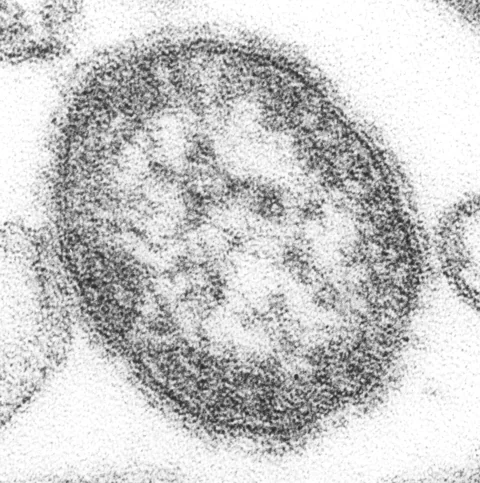
The CDC’s November 6 update reported 5,182 confirmed measles cases nationwide in 2026 as of noon on November 5. The total includes 18 cases among international visitors and already exceeds the 2,289 reported during all of 2025. Both years’ figures remain preliminary. Reuters independently reported the new national total on November 6, adding wider context to Wisconsin’s announcement of an infant’s death the previous day.
These are cumulative case counts, not 5,182 infections occurring on the update date. CDC explains that its national page includes only confirmed cases that jurisdictions have notified to the agency by the Thursday cutoff. State health departments may update on different schedules and also describe probable cases. Wisconsin’s local figures therefore retain their own dates and categories. They should not be added to a national total that already incorporates state reporting. Nor does the national update establish an individual child’s vaccination or exposure history.
Wisconsin health officials announced on November 5, 2026, that an infant had died in connection with the measles outbreak in the state's southwest. The Department of Health Services said the coroner listed measles as the immediate cause of death. It is Wisconsin's first reported death of this kind since 1990. Officials withheld further information about the child and family, leaving a public-health warning without releasing a personal medical history.
The Associated Press independently reported the announcement, as did Reuters. Both accounts attributed the cause of death to the state health department's description of the coroner's finding. The announcement date does not establish the date the child became ill or died. The published statement also does not give the infant's precise age, vaccination history or a detailed account of exposure. Those gaps should not be filled by assumptions about the family.
The state's November 5 release said Wisconsin had recorded 431 measles cases across 13 counties as of November 3, with nine hospitalizations for severe symptoms. Its separate outbreak page, updated November 5, also listed 431 cases, nine hospitalizations and one death for 2026. The two records therefore agree on those statewide counts, while carrying different update and observation dates. Neither describes 431 new infections occurring on the day the death was announced.
The outbreak page gives a more detailed regional picture. As of November 3, it listed 362 confirmed and six probable cases in the outbreak involving Grant, Iowa, Lafayette and Vernon counties. It separately listed 44 confirmed cases in Chippewa County. The page said transmission was occurring locally in those outbreaks and described coordination with the relevant county health departments to identify and notify people who may have been exposed.
Other entries show why the statewide total should not be treated as a single chain of transmission. The department listed six confirmed Marathon County cases associated with out-of-state travel and said they were unrelated to the southwest outbreak. Its Rock County entry described five probable cases linked to one another but not to the southwest outbreak. Confirmed and probable figures, statewide totals and individual outbreak descriptions are distinct categories, not numbers to combine without checking their definitions and dates.
DHS described the current case burden as the state's highest in more than 35 years. It cautioned that reported infections may understate spread because some people do not seek medical care or testing. The state said its response includes case identification, tracking, testing, information sharing and vaccination, working with local and Tribal health departments and health-care partners. Those activities address both people already diagnosed and contacts who may not yet know they were exposed.
VIRVIB analysis — the published records establish a death associated with the southwest outbreak and a wider pattern of measles activity across Wisconsin. They do not establish that every case came from that outbreak, that the infant had any particular vaccination status, or that the hospitalization and death figures represent separate groups of patients. Reading those limits alongside the totals gives a clearer account of what has been confirmed and what remains private.
Why exposure guidance and vaccination records matter
Measles spreads through the air when an infected person coughs or sneezes. CDC explains that the virus can remain in the air for up to two hours after the person leaves. A person can transmit measles from four days before the rash appears through four days afterward. That window helps explain why an exposure investigation reaches beyond people who were visibly ill at the time they shared a space with others.
Symptoms commonly begin with fever, cough, a runny nose and red or watery eyes. The rash usually follows the first symptoms by several days, according to CDC's symptoms guide. Measles can cause complications including pneumonia and inflammation of the brain. Babies and young children are among the groups at higher risk of serious illness. A rash alone cannot establish a diagnosis, and the symptoms described in general guidance are not a description of this infant's unpublished medical history.
For someone who thinks they have been exposed, CDC advises contacting a health-care provider immediately. For possible measles illness, it advises calling before arriving at a clinic or hospital so staff can make arrangements that reduce exposure to other patients and workers. Emergency warning signs require emergency care, with someone calling ahead to tell the hospital that measles may be involved. Calling ahead is an infection-control step, not a reason to delay urgent care.
Post-exposure decisions are time-sensitive. CDC's public vaccination guide says an MMR dose given within 72 hours of an initial measles exposure may provide some protection or lead to milder illness. Some people at higher risk may instead receive immune globulin within six days. Which option is appropriate depends on factors such as age, immunity and medical circumstances. These measures require prompt clinical advice, rather than waiting to see whether a rash develops or choosing a treatment from a news article.
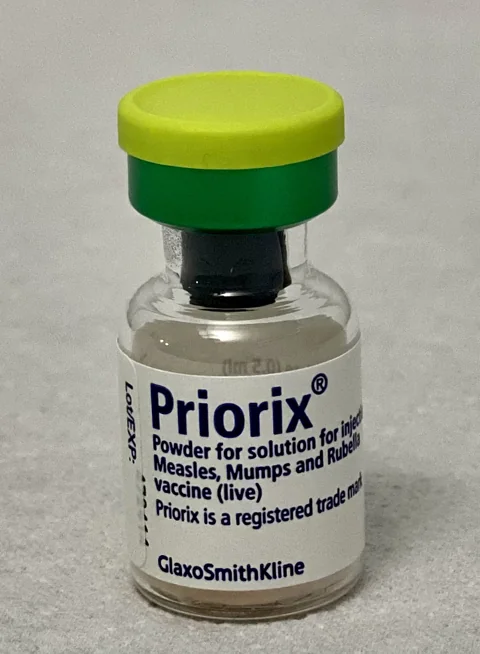
Routine protection follows a different timetable. CDC recommends a first MMR dose at 12 through 15 months of age and a second at four through six years, before school entry. Its guidance allows earlier second doses under specified conditions. Public-health authorities may also recommend vaccination for infants six through 11 months old when outbreak exposure puts them at risk. An early infant dose does not replace the doses required after the first birthday.
The schedule matters when interpreting news about an infant, but the child's age alone is not enough to reconstruct this case. Wisconsin has not released the details necessary to say which recommendations applied to the child or what prevention measures were available. For other families, clinicians and local health departments can interpret the recommendations against the child's age, any exposure and the actual vaccination record. The routine schedule should not be mistaken for a rule to ignore a specific outbreak notice.
CDC estimates that two MMR doses are about 97% effective against measles. That is strong protection, not a claim that infection becomes impossible. Its recommendations also distinguish among adults with different evidence of immunity and risk factors, rather than directing every adult to receive an identical number of new doses. Written vaccination documentation, laboratory evidence and other accepted evidence can affect the assessment. Reviewing a record is more useful than relying only on a memory of childhood vaccination.
MMR is a live vaccine and is not appropriate for everyone at every time. CDC says people who are pregnant should wait until after pregnancy, and people with certain immune-system problems or a history of severe allergic reactions need medical assessment. A person at increased risk from measles may therefore need advice that differs from a general vaccination message. The same outbreak guidance that promotes vaccination also requires attention to eligibility and contraindications.
Wisconsin directs residents to the Wisconsin Immunization Registry, their health-care provider or their local health department to check vaccination records. Its death announcement also advises exposed people to stay home and people developing fever and rash to contact a provider and call ahead. The confirmed development is a loss of life during an ongoing outbreak. The response available to the wider community is to check immunity, follow local exposure instructions and seek clinical advice promptly when exposure or illness is suspected.
View sources
Source publication or schedule date: Wisconsin death announced November 5; state counts retain November 3 and November 5 cutoffs. CDC national update published November 6, with data through noon November 5. Sources and explanatory guidance checked November 7.
- Wisconsin DHS — November 5 death announcement
- Wisconsin DHS — outbreak counts and regional investigations
- Associated Press via PBS Wisconsin — independent November 5 report
- Reuters — independent November 5 report
- CDC — how measles spreads
- CDC — symptoms and complications
- CDC — steps after sickness or exposure
- CDC — public vaccination guidance and post-exposure options
- CDC — vaccination recommendations for health professionals
- CDC — MMR vaccine information statement and contraindications
- CDC — original November 6 national update, data through November 5
- Reuters — independent November 6 report on the national case total
Prepared with AI assistance. Source-based reporting checked on November 7, 2026. This article does not update automatically. Read our editorial standards.