Which Cadillac and Chevrolet EVs are covered
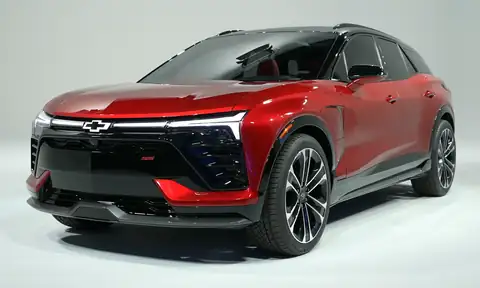
General Motors is recalling 67,380 electric vehicles because a brake-control software defect can cause a temporary loss of braking at low speeds. The federal campaign covers certain Cadillac Lyriq, Vistiq and Celestiq vehicles and Chevrolet Blazer EVs. NHTSA’s November 3 acknowledgment identifies a free software remedy and owner letters expected December 14, 2026. Owners can check their vehicle identification number now rather than waiting for that mailing.
The campaign is NHTSA 26V717000, also identified in the documents as 26V717, and GM recall N262570900. GM submitted its report October 29. Cars.com reported the recall November 4, and GM Authority published further coverage November 5. Those dates distinguish the manufacturer’s filing from the current wave of coverage. December 14 remains a planned notification date, not evidence that letters have already reached owners.
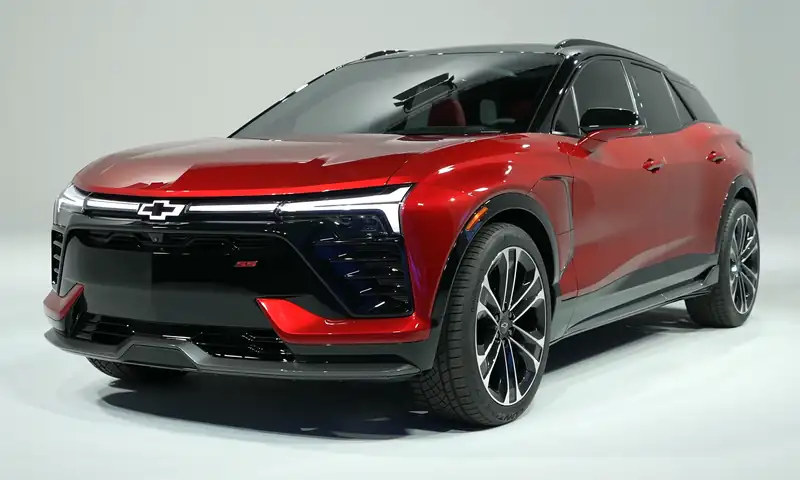
The model-year ranges are 2023–2027 for the Cadillac Lyriq, 2025–2026 for the Celestiq, 2026–2027 for the Vistiq and 2024–2027 for the Chevrolet Blazer EV. A matching badge and year do not establish that an individual car is included. GM used manufacturing records to identify vehicles with the suspect software, and its filing places additional limits on two of the model lines.
For the Lyriq, the filing specifies Performance All-Wheel Drive, identified by option code X0E. For the Blazer EV, it specifies the same performance drive configuration, available on SS and police pursuit vehicle versions. Other drive configurations are excluded. The filing’s individual Celestiq and Vistiq entries identify suspect software without adding that same trim limitation. Owners should use the VIN result to resolve their own car’s status.
VIRVIB calculation from the filing’s model-year entries puts the Lyriq total at 44,585 vehicles, followed by 18,802 Vistiqs, 3,911 Blazer EVs and 82 Celestiqs. These add to the campaign total of 67,380. Approximately two-thirds of the listed population is therefore Lyriq vehicles. These are recall-population counts, not counts of cars that have experienced brake loss or of owners who have reported an incident.
The naming can also cause confusion. The Chevrolet Blazer EV is the Blazer named in this campaign. Cadillac’s vehicles in the notice are the Lyriq, Vistiq and Celestiq. Combining the brands into a supposed Cadillac Blazer would obscure the vehicles owners actually need to check. The filing concerns the specified electric models and software configurations.
What GM says happens at low speed
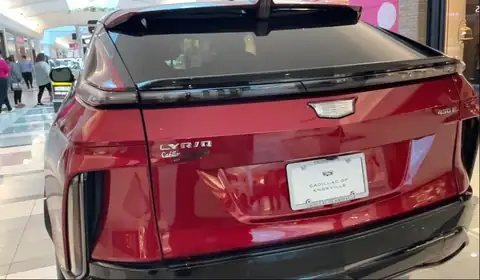
GM Authority’s November 5 report describes a sequence involving light braking during a sharp turn at low speed, followed by a bump or depression and a brief release and reapplication of the brakes. The brake system control module can misinterpret wheel movement through its slip calculation. GM’s defect report says normal braking returns with the next brake press. The company nonetheless identifies a crash risk from the interruption.
The reports concern an operating condition that can arise during low-speed maneuvering. A short interruption can matter when the vehicle is already close to a garage, another car or a fixed object. That is the practical significance of the manufacturer’s crash-risk description. It does not establish how often the condition occurs, how long every interruption lasts or which individual driver will experience it. The published record provides no basis for calculating those probabilities.
According to GM Authority, GM identified 24 complaints potentially related to the condition, including 20 minor accidents and two allegations of minor injuries. The distinction matters. The complaints are potentially related reports reviewed by the manufacturer, and the injuries are allegations. They should not be converted into a count of independently confirmed injuries or treated as proof that every recalled vehicle has failed.
The new campaign also intersects with an earlier brake-software recall, 24V589. GM’s chronology says a technical expert submitted an internal safety report April 10, 2026, after reviewing a 2024 Lyriq that struck a garage at low speed. That car had software improvements associated with the earlier remedy. GM says the newly identified conditions were outside what that earlier correction addressed, and it opened another product investigation August 18.
The company decided to recall the vehicles October 22. Its filing says the new brake-control update addresses both conditions for performance-AWD vehicles included in the earlier campaign. That relationship explains why an owner’s memory of a previous brake update does not settle whether this campaign still needs attention. The relevant question is whether the vehicle has an open action under its VIN and which software remedy the dealer records as completed.
VIRVIB analysis draws a limit around the evidence. The filing documents a software calculation problem and a correction to that calculation. It does not establish a defect across all electric vehicles or all GM braking systems. The useful comparison is between the earlier remedy and the additional operating conditions GM now describes. For owners, the software history makes a current recall check more informative than a general assumption about the model’s past repairs.
How the free update works, and why some Lyriqs need a status check
GM’s October 29 dealer notice calls this a phased launch. At that date, software was not yet available for 2023–2024 Cadillac Lyriq vehicles, which were recorded as having an incomplete recall with no remedy available. The notice says GM would revise the bulletin when software became available. That is a dated statement about launch status. It should not be read as proof that availability remains unchanged for every VIN on November 5.
The same notice puts certain involved vehicles on a delivery hold until the service procedure is completed. For a shopper considering dealer inventory, recall status and completed repair documentation therefore belong alongside the model and trim details. A promised update, an open campaign and a completed remedy describe different stages. Ask the dealer which stage applies to the vehicle being offered and whether the current bulletin permits delivery.
The remedy can arrive over the air for eligible vehicles whose owners have accepted the applicable terms. GM also provides a dealer route. Cars.com confirms that the software correction is free. Wireless capability does not establish that a particular car has received the update or that installation has finished. The launch exception for older Lyriqs is another reason to confirm availability for the individual vehicle.
GM’s submitted over-the-air messaging estimates a 20-minute installation and requires the car to stay parked and turned off. It says the vehicle cannot be driven during installation and that door locks, windows and chimes may not operate. Its instructions tell owners not to lock occupants inside. These are installation conditions from GM’s update screens, rather than a description of the brake defect occurring during normal driving.
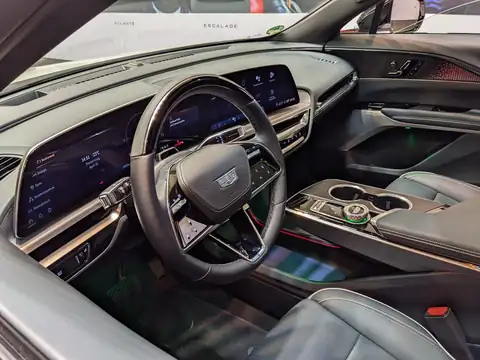
The screens also distinguish postponing installation from declining the update. GM’s decline message says an owner who declines would need dealer assistance to install it later. Read the actual on-screen instructions for your vehicle before choosing an option. An archival photograph of a dashboard is not an example of this campaign’s update screen, and owners should identify the campaign number in the message they actually receive.
NHTSA’s recall tool lets you search a specific vehicle using its 17-character VIN. The number is visible near the lower left of the windshield and appears on registration documents. A year, make and model search supplies broader information. A VIN search identifies unrepaired recalls for the individual vehicle, while a completed recall may no longer appear as open. NHTSA also says recently announced campaigns can take time to populate, so a result needs to be interpreted with its stated limits.
For this campaign, NHTSA says involved VINs became searchable October 29. Cadillac customer service is 1-800-333-4223 and Chevrolet customer service is 1-800-222-1020. Quote N262570900 when asking about the repair and request the latest instructions for your VIN. Follow manufacturer guidance while arranging the remedy. The next consequential development is confirmation that remaining vehicles can receive the correction, followed by documented completion, rather than the arrival of a letter alone.
View sources
Source publication or schedule date: GM filing October 29; NHTSA acknowledgment November 3; reporting and original documents checked November 5, 2026.
- NHTSA — November 3 recall acknowledgment, scope, free remedy and notification dates
- GM via NHTSA — October 29 Part 573 report, vehicle entries and investigation chronology
- GM via NHTSA — October 29 phased-launch notice to dealers
- GM via NHTSA — over-the-air update messaging and installation conditions
- NHTSA — VIN recall lookup and interpretation limits
- Cars.com — Corinne Vercoe, November 4 independent recall report
- GM Authority — George Barta, November 5 braking-defect report
Prepared with AI assistance. Source-based reporting checked on November 5, 2026. This article does not update automatically. Read our editorial standards.