Cowboys vs Colts score and a 29-second winning drive
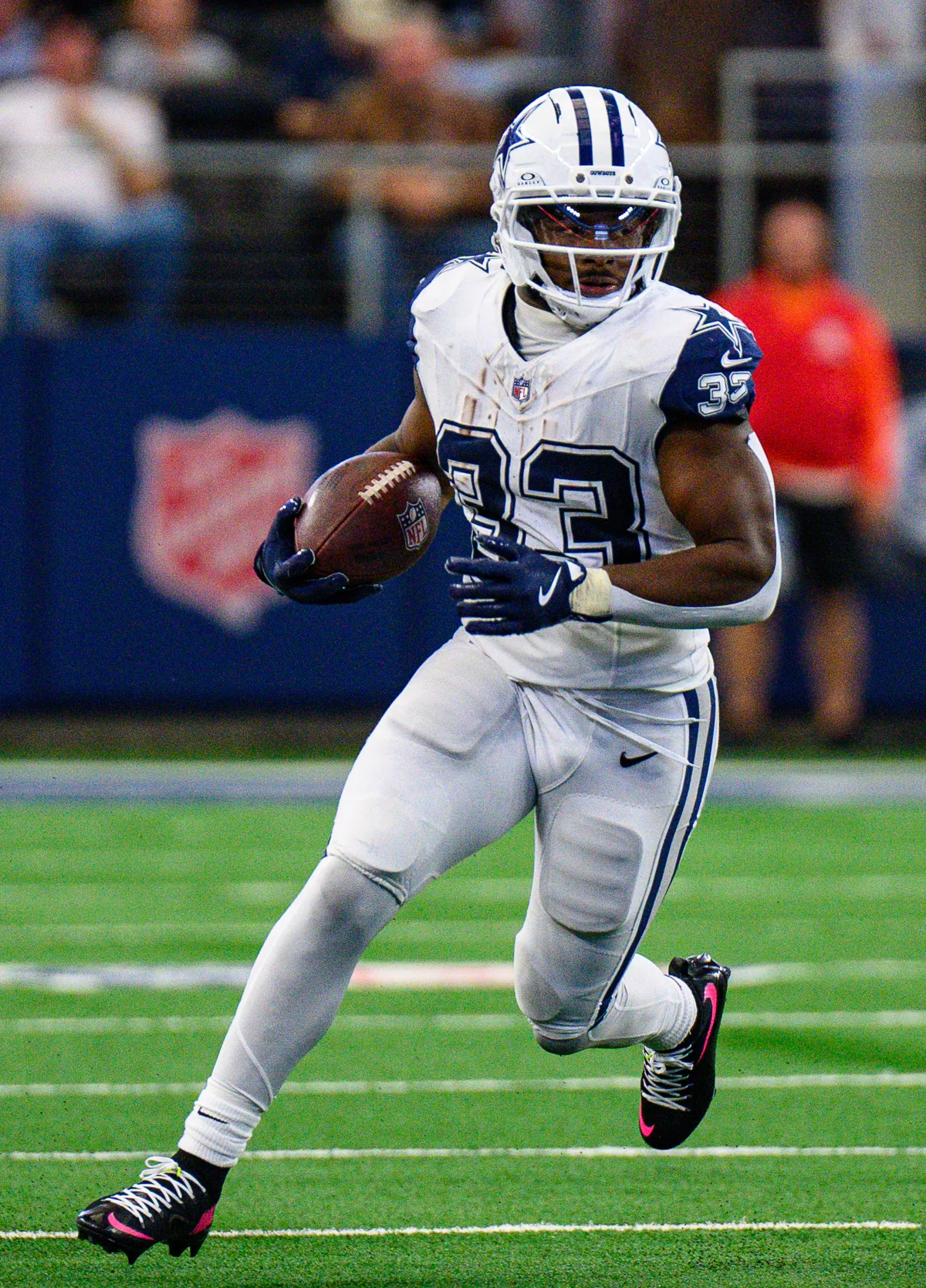
The Dallas Cowboys beat the Indianapolis Colts 27–23 at Lucas Oil Stadium on November 8, 2026. Javonte Williams scored the winning touchdown from one yard out with just over a minute remaining, and rookie safety Caleb Downs ended Indianapolis’ final possession with an interception. Dallas improved to 4–5. The Colts dropped to 2–7 with their fifth consecutive defeat.
Dallas needed the late finish despite producing far more offense. The official team totals were 508 yards for the Cowboys and 271 for Indianapolis, a difference of 237. Dallas also held possession for 35:43 against 24:17, an advantage of eleven minutes and 26 seconds. Neither advantage prevented the Colts from taking the lead late in the fourth quarter.
The answer came quickly. According to the Cowboys’ account of Dak Prescott’s postgame comments, the winning possession traveled 65 yards in four plays and took 29 seconds. Ryan Flournoy supplied the downfield reception that changed the field position, and Williams completed the drive on the ground.
Prescott finished with 335 passing yards and two touchdowns. Dallas had prepared for its receiving rotation to change, but George Pickens was not ruled out with his hamstring injury until 90 minutes before kickoff. Flournoy finished with two catches for 53 yards, including the late reception that gave the offense its best chance to finish.
The Cowboys also scored a touchdown near the end of the first half. Those two short-clock possessions show where their execution held up. Between them, however, penalties and lost possessions kept reducing the value of an afternoon in which the offense had little trouble accumulating yards.
CeeDee Lamb’s 195 yards carried an extra burden
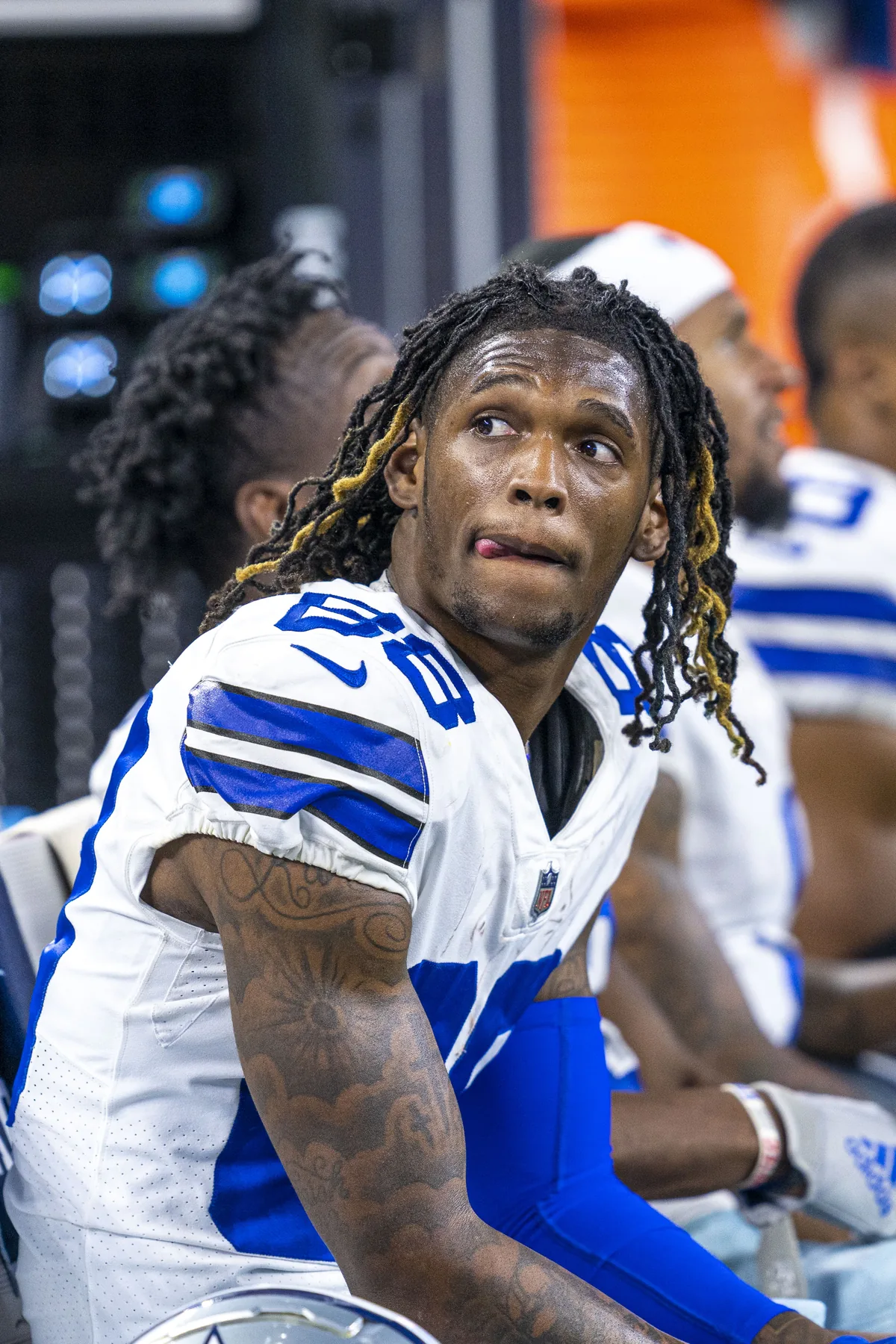
CeeDee Lamb caught ten passes for 195 yards and a touchdown, the second-highest receiving total of his career. With Pickens unavailable, Indianapolis could pay more attention to Dallas’ leading receiver. Lamb still generated the production that kept the passing game moving.
His 44-yard touchdown reception helped establish a 17–7 halftime lead. Yet his own postgame assessment was less satisfied than the numbers might suggest. The Cowboys’ feature on Lamb documented two offensive pass-interference penalties, a false start and a fourth-quarter fumble after a review overturned the initial ruling. Lamb acknowledged that he had left opportunities unused.
That combination explains why this performance deserves more than a simple celebration of a large yardage total. Lamb created Dallas’ biggest receiving advantage while also contributing to possessions that became harder or ended early. A player can be central to a victory and still identify specific errors that nearly changed the outcome.
The running game gave Prescott another way to move the offense. Williams gained 101 yards on 20 carries and scored the decisive touchdown. Tyler Goodson added 77 yards on 12 attempts against his former team. Dallas finished with 179 rushing yards, its second-highest total of the season, according to the club’s recap.
The same report recorded Prescott completing 21 of 34 passes without an interception. Daniel Jones completed 20 of 34 for 180 yards, one touchdown and one interception for Indianapolis. Jonathan Taylor was limited to 46 rushing yards. Those figures help explain Dallas’ yardage advantage, but they also show why the eventual four-point margin was unusually narrow for a game with such different offensive totals.
How Indianapolis stayed close and lost its late chance
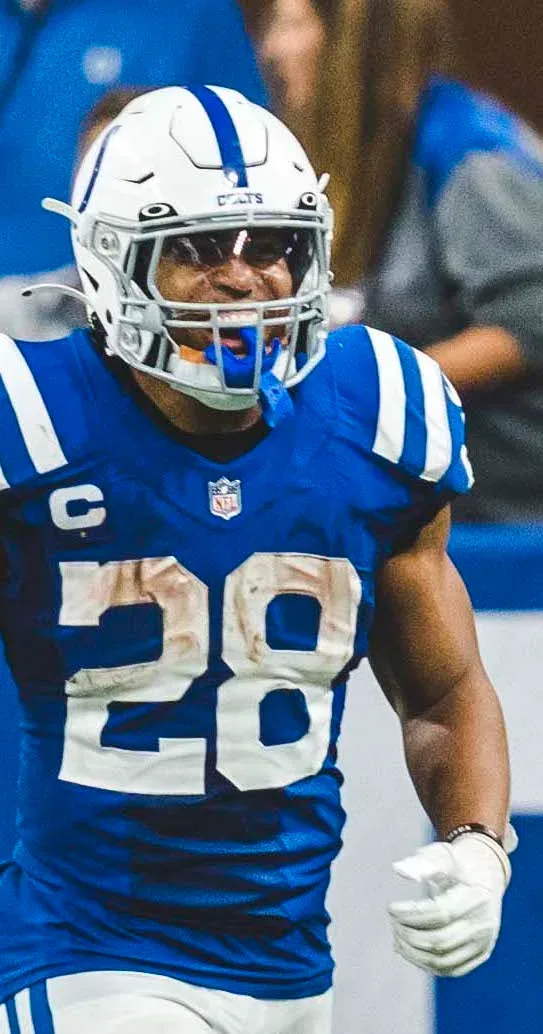
Indianapolis’ first touchdown came from a defensive opportunity. Laiatu Latu forced a Prescott fumble, and Caden Curry recovered it. Rookie running back Seth McGowan finished the short-field possession with his first career touchdown. The Colts did not need a long offensive march to take an early lead.
Later, Ashton Dulin’s 55-yard touchdown reception brought Indianapolis back within three points. Spencer Shrader supplied the fourth-quarter scoring with a 59-yard field goal to tie the game and a 50-yarder to put the Colts ahead. Brandon Aubrey had missed from 50 yards on Dallas’ intervening possession, leaving Indianapolis an opening it briefly used.
The Colts’ account of the deciding mistakes focused on two plays around the go-ahead field goal. Josh Downs dropped a third-and-eight pass with 1:45 remaining. Indianapolis then kicked rather than extending the possession. The kick changed the lead, but it left Prescott enough time for another drive.
On that drive, Sauce Gardner stayed with Flournoy downfield but did not turn to locate the ball. Gardner accepted responsibility afterward for allowing the reception. It was a specific failure at the decisive moment, rather than evidence that every earlier coverage snap had gone badly.
Taylor’s earlier fumble also cost Indianapolis a chance in scoring territory. The Colts had benefited from Lamb’s fumble and Dallas penalties, only to give the ball back at the Cowboys’ 18-yard line. Taken together, the late dropped pass, the lost ball and the downfield completion explain how a team could move into position to win and still leave with another defeat. Each removed an opportunity to make Dallas’ final task harder.
The defensive finish and what comes next
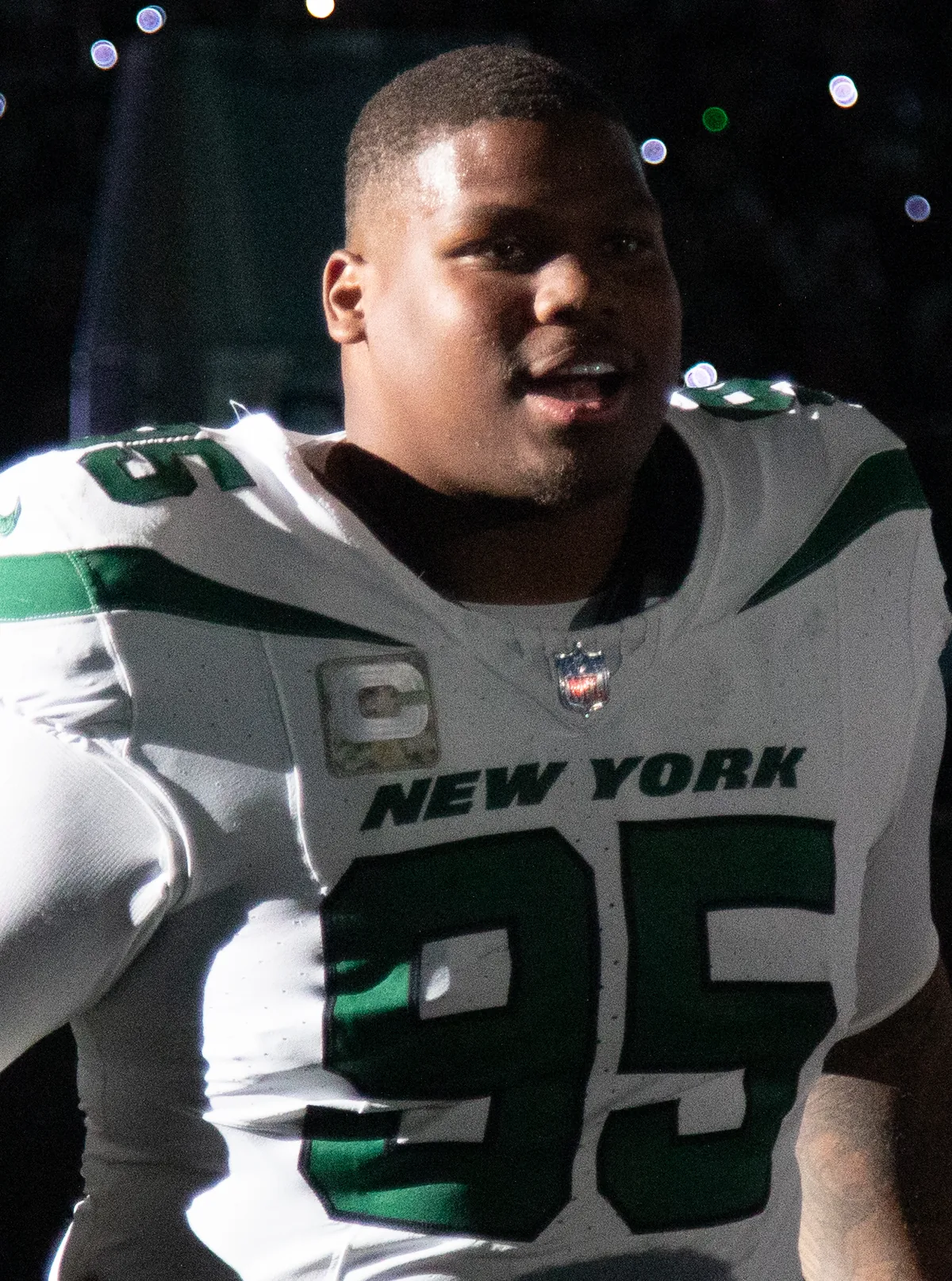
Quinnen Williams made the play that stopped Taylor’s fourth-quarter opportunity. With Dallas ahead 20–17, the defensive tackle defeated a block, met Taylor in the backfield and forced the ball loose. Shemar James recovered it. Williams finished with seven tackles, three for loss and a quarterback hit, according to the Cowboys’ report.
Dallas did not turn that recovery into points. Its value was in preventing Indianapolis from completing a promising possession. The defense then limited the Colts’ next two scoring drives to field goals, keeping the deficit small enough for the offense to reverse it with one touchdown.
Downs supplied the last stop with his first NFL interception. The rookie had cleared concussion protocol after an injury against Arizona the previous week, allowing him to play against his older brother Josh, the Colts receiver. His availability had been uncertain earlier in the week. By the finish, he had made the play that removed Indianapolis’ final chance.
The family connection gives the moment a personal dimension, but the football consequence was straightforward. Dallas’ offense had finally delivered a late lead, and the defense retained it. The Cowboys’ postgame reporting contrasted that finish with recent one-possession losses in which they had not closed out their opportunities.
Dallas still has corrections to make. Its official box score lists 14 penalties for 153 yards, compared with nine for 67 for Indianapolis. Winning does not reduce the cost of that discipline problem. The Cowboys next host San Francisco at AT&T Stadium on November 15, with kickoff listed for 3:25 p.m. Central. Indianapolis hosts Miami that day at 1 p.m. Eastern. For both clubs, the next test is whether the decisions at the end of drives become as dependable as the plays that create them.
View sources
Source publication or schedule date: 2026-11-08
- Dallas Cowboys — game recap
- Indianapolis Colts — game recap
- Dallas Cowboys — Lamb’s performance and assessment
- Dallas Cowboys — Prescott and the winning possession
- Dallas Cowboys — Quinnen Williams and the defense
- Indianapolis Colts — Gardner, Downs and late mistakes
- Dallas Cowboys — Caleb Downs’ first interception
- Dallas Cowboys — official team box score
- Dallas Cowboys — schedule
- Indianapolis Colts — schedule
Prepared with AI assistance. Source-based reporting checked on 2026-11-09. This article does not update automatically. Read our editorial standards.