Buccaneers vs Bears score and the final possession
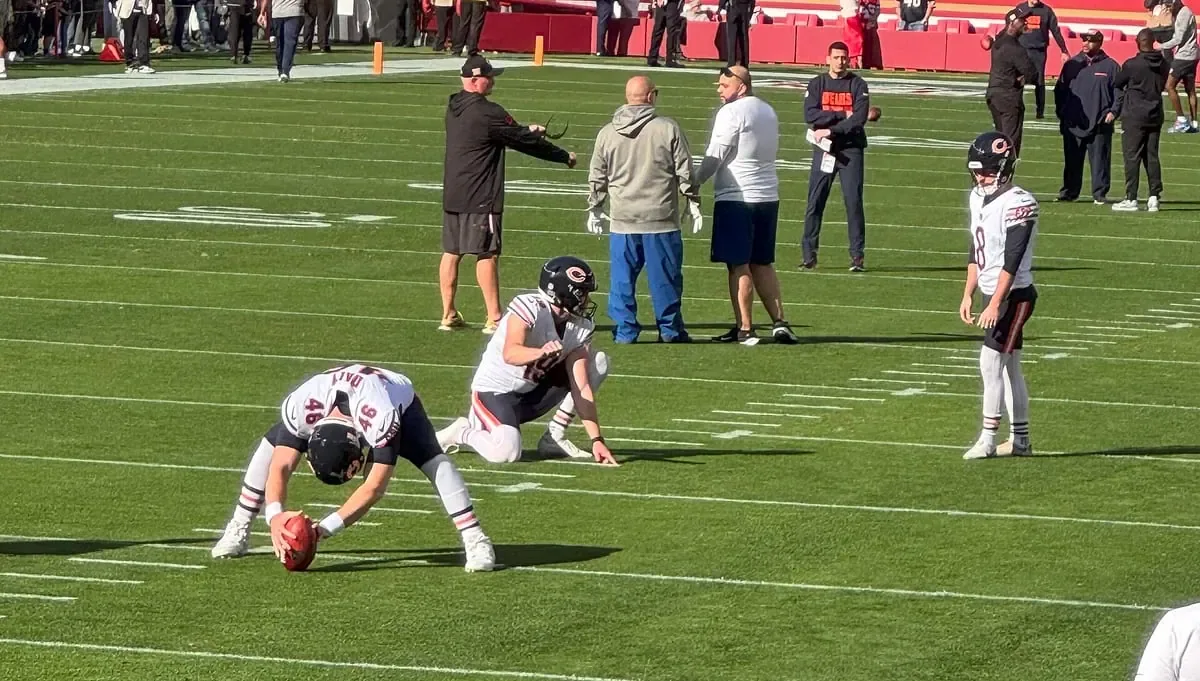
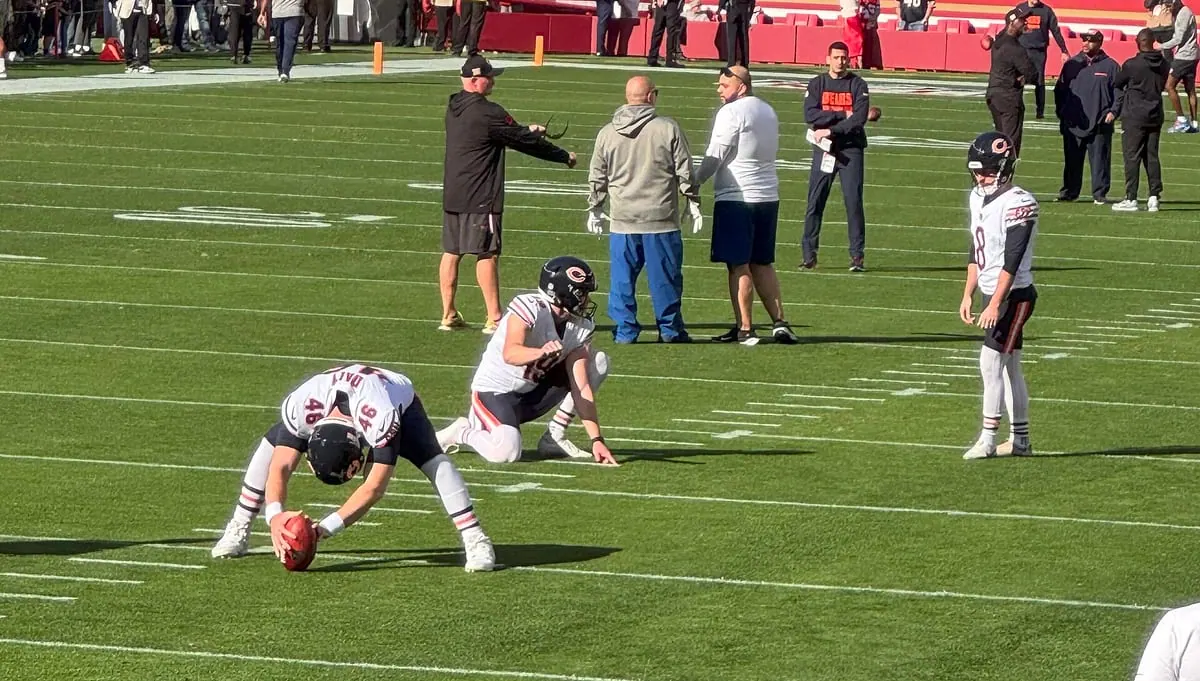
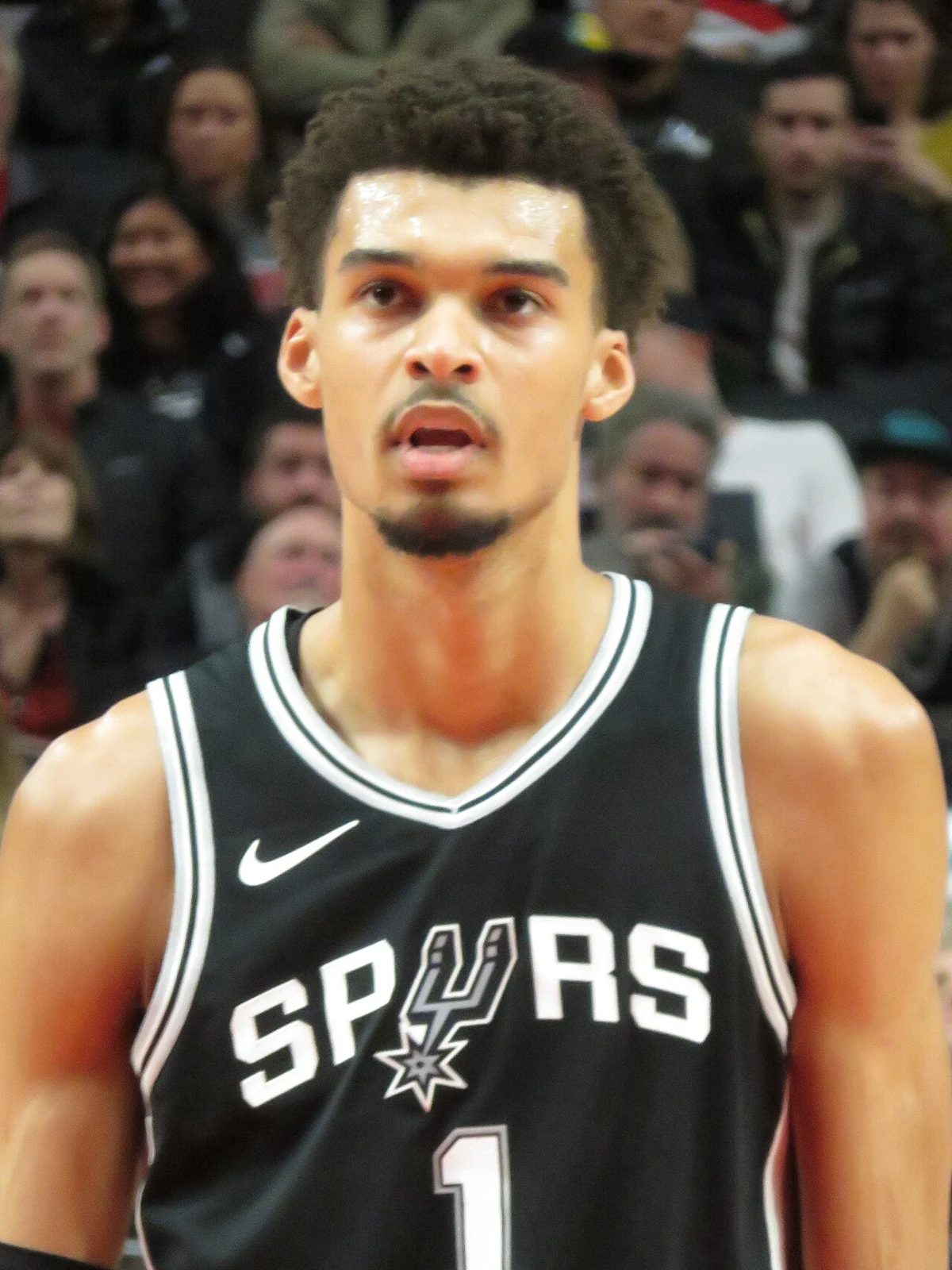
The Chicago Bears beat the Tampa Bay Buccaneers 27–24 at Soldier Field on November 8, 2026, with Cairo Santos making a 38-yard field goal as time expired. Chicago won despite five turnovers, including four interceptions thrown by Caleb Williams. The result extended the Bears’ winning streak to four games and moved them to 7–2. Tampa Bay fell to 3–6.
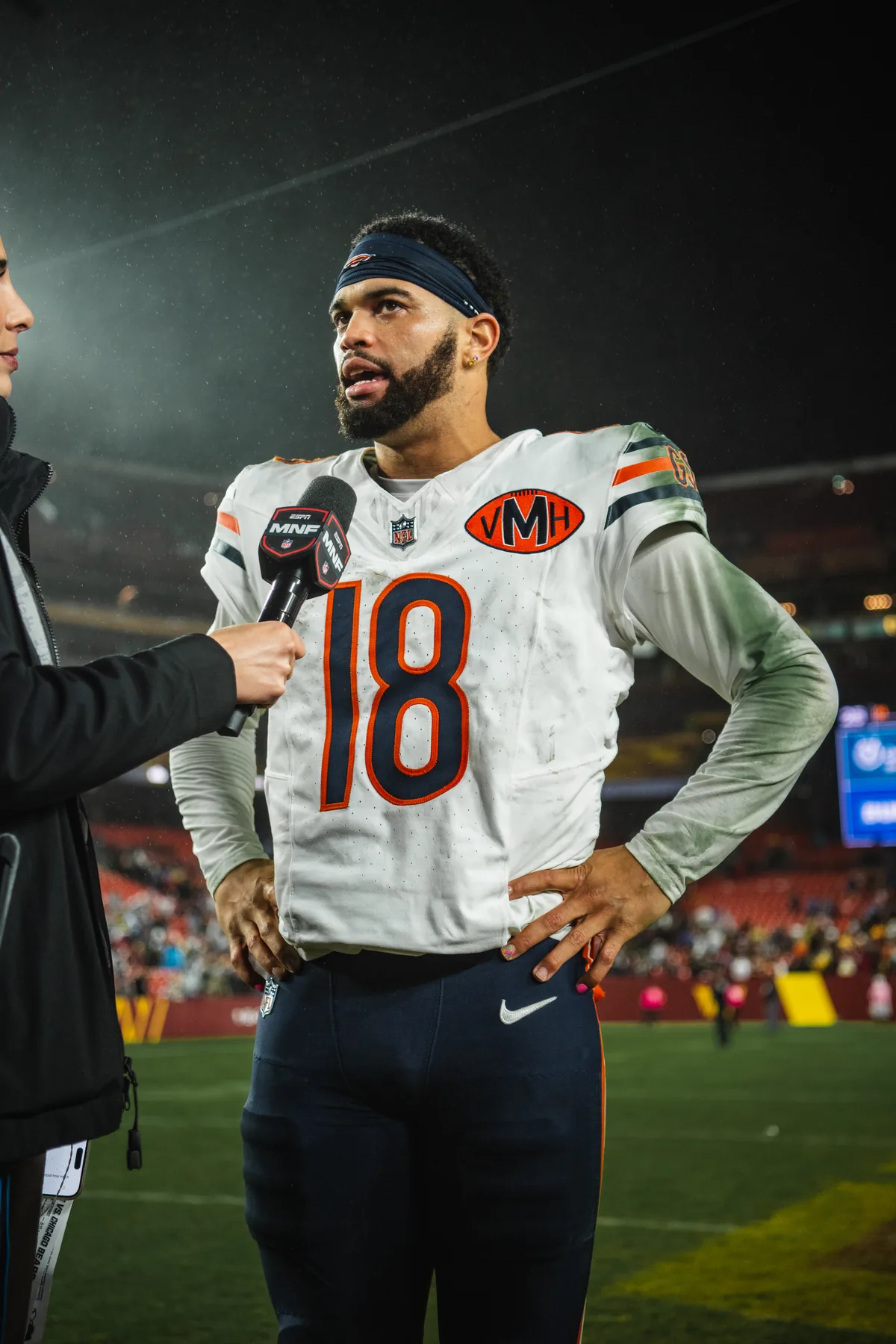
The decisive pass went to Colston Loveland. Williams found the tight end for a 38-yard gain to the Tampa Bay 16, giving Chicago the field position it needed after the Buccaneers had erased an eleven-point fourth-quarter deficit. A night of costly decisions ended with Williams making the completion that allowed Santos to decide the game.
According to the official scoring summary, the winning possession covered 49 yards in eight plays and used the final 2:51. That duration mattered as much as the distance. Chicago finished the game with the ball rather than giving Baker Mayfield another opportunity to answer.
Earlier, the Bears had scored on two very different drives. Rome Odunze’s nine-yard touchdown reception completed a ten-play possession. Luther Burden III’s 56-yard scoring catch finished an 81-yard drive that needed only four plays. Chicago led 14–0 after the opening quarter and 17–6 at halftime.
Those early touchdowns established the margin Tampa spent the rest of the night trying to overcome. The final kick supplied the winning points, but the opening quarter explains why Chicago could survive so many empty possessions in between. Tampa repeatedly recovered the ball without recovering control of the scoreboard.
Why Tampa Bay’s five takeaways were not enough
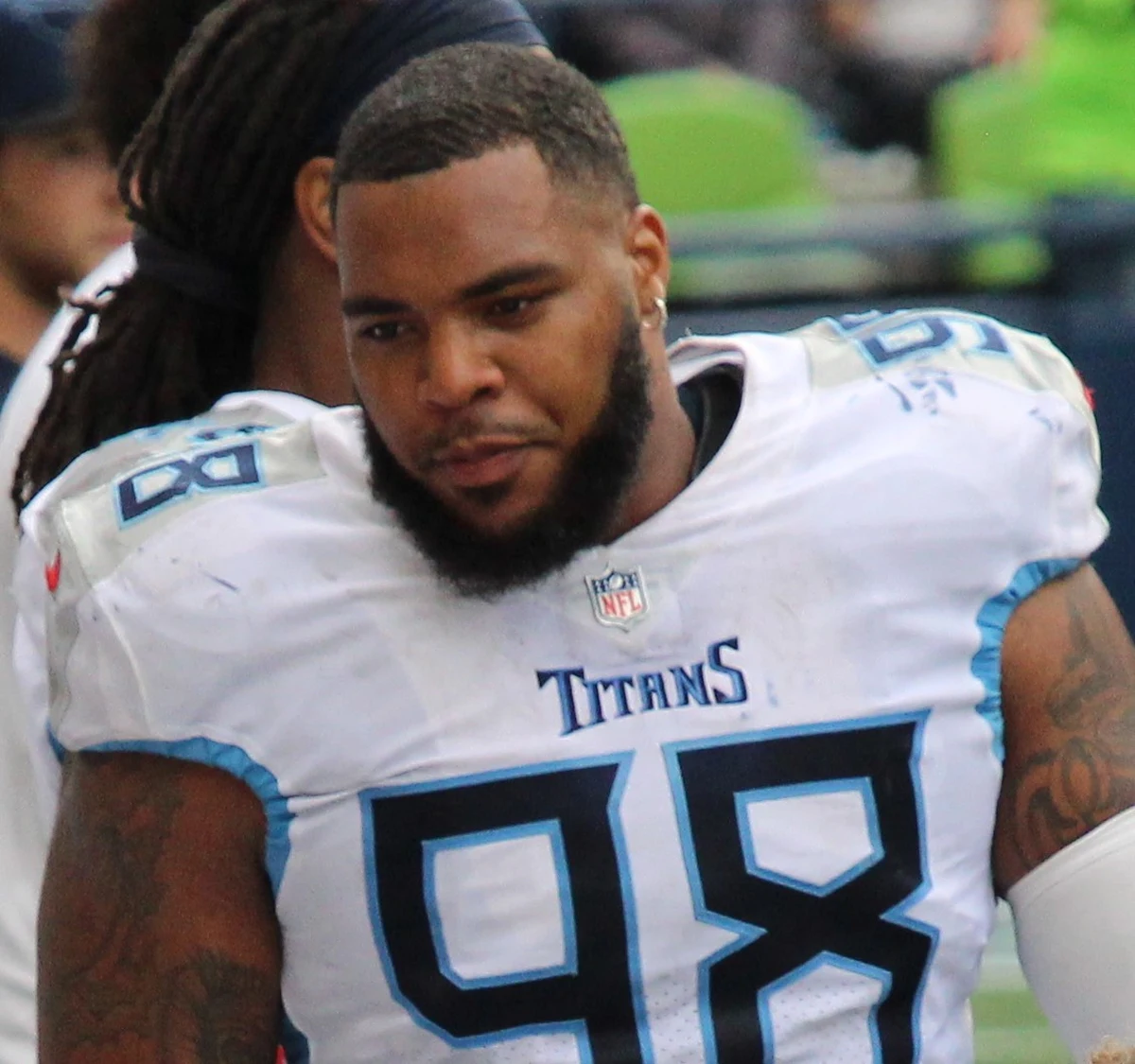
Tampa Bay’s postgame report identified the clearest missed opportunity. Three second-quarter interceptions produced only three points. Creating an extra possession and finishing it are separate tasks, and the Buccaneers did the first much more reliably during that stretch.
There were signs of progress in the passing offense. Mayfield was playing his third game since returning from a dislocated right thumb, and Emeka Egbuka returned after missing two games with a foot injury. Tampa recorded a season-high 226 net passing yards. That team figure subtracts sack yardage and should not be confused with the quarterback’s individual passing total.
The defensive production was substantial in its own right. In its statistical notes, Tampa said Zyon McCollum recorded the first multiple-interception game of his career. Alex Anzalone collected his fourth interception of the season, his third across the previous two games. Both players had four for the season after Sunday’s game.
The club also placed the performance in context. Tampa had intercepted four passes in consecutive games, something no NFL team had done since Baltimore in September 2017, according to the Buccaneers’ notes. Williams had not had a multiple-interception game since Week 3 of his rookie season in 2024.
That comparison makes the defeat harder to dismiss as a defense simply failing to do its job. The unit disrupted a quarterback who had generally protected the ball, and it repeated an unusually productive takeaway performance from the previous week. The opportunity was there. Tampa’s difficulty was turning that advantage into enough touchdowns before the Bears regained possession for the last time.
The defensive touchdown and the player numbers
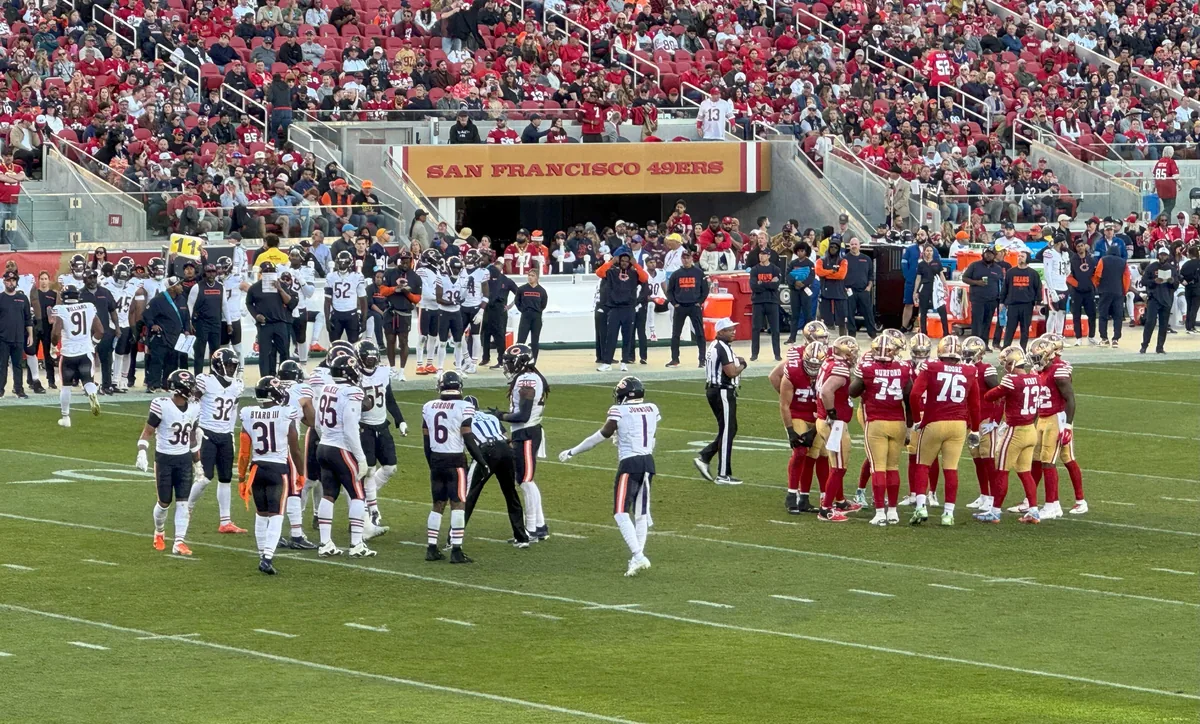
Jaylon Johnson’s 67-yard interception return supplied the game’s most valuable defensive score. Bucky Irving had just brought Tampa within 17–13 with a two-yard touchdown run. Johnson’s return restored an eleven-point Chicago lead without requiring the Bears’ offense to build another drive.
Tampa eventually drew level through a much shorter possession. Irving scored from six yards out, and Mayfield ran for the two-point conversion. That tying drive covered 17 yards in two plays after the Buccaneers recovered Burden’s late fumble. The score became 24–24, leaving Chicago the final possession.
The official box score shows why neither quarterback’s passing-yard total tells the whole story. Williams completed 22 of 37 attempts for 279 yards, two touchdowns and four interceptions. Mayfield went 18 of 32 for 243 yards, with no passing touchdowns and two interceptions. Both offenses moved the ball, but both repeatedly surrendered it.
Burden led Chicago with seven receptions for 97 yards and a touchdown. Odunze added four catches for 60 yards and a score. Loveland finished with four catches for 54 yards, with most of that yardage arriving on the play that set up the winning kick.
Irving carried 20 times for 97 yards and two touchdowns, then added 28 receiving yards. Tez Johnson gained 76 yards on two catches. Tampa finished with 352 net yards to Chicago’s 349 and held the ball for 32:52, compared with 27:08 for the Bears. Those nearly even yardage totals underline the importance of where possessions ended. A defensive touchdown and the final scoring drive outweighed Tampa’s small advantage in total offense.
What the result changes before both teams’ bye weeks
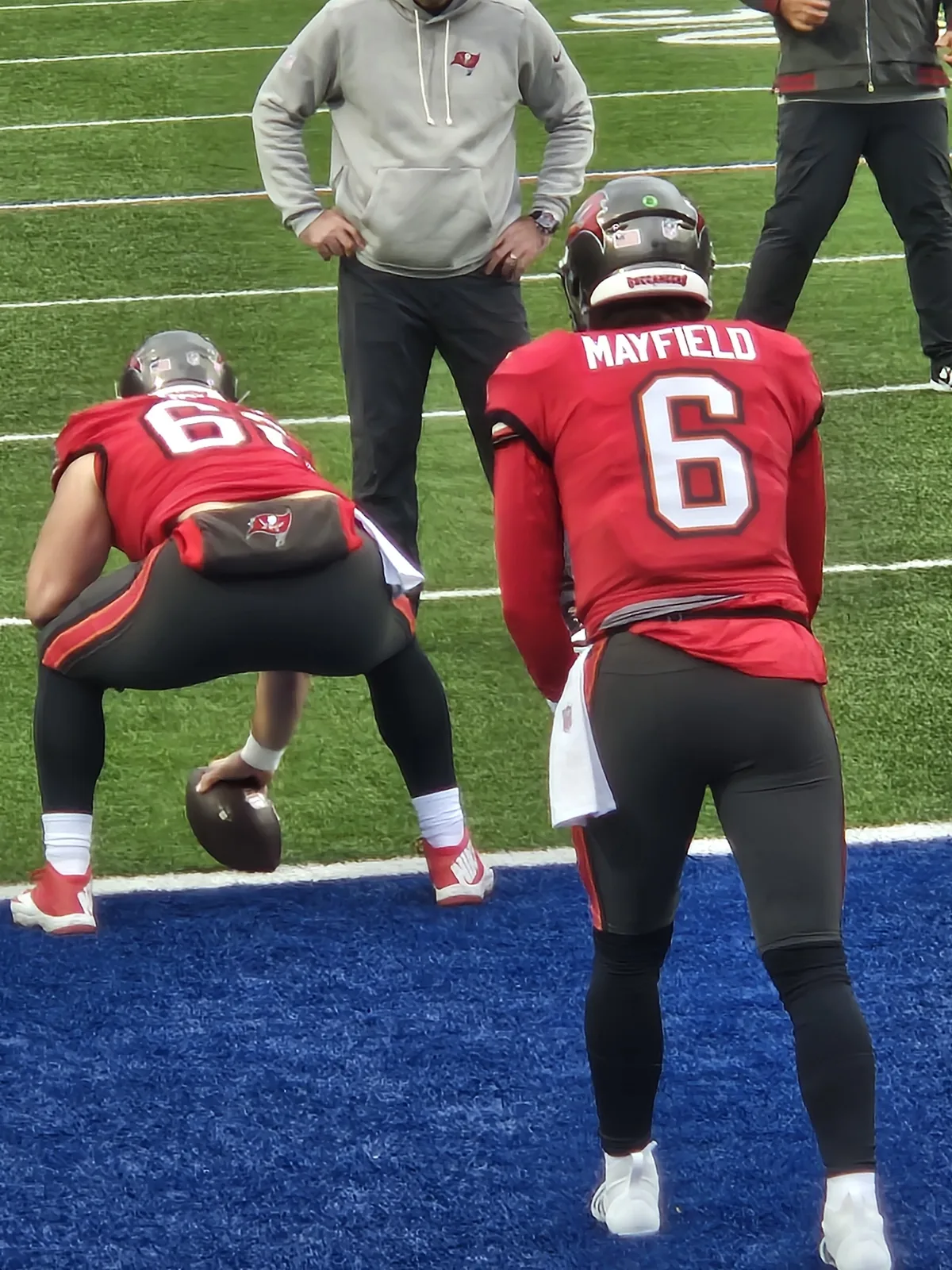
This was expected to be a demanding rushing matchup. Chicago’s pregame preview put Tampa first in rushing yards per game at 168.6 and the Bears second at 150.8. The same preview ranked their run defenses second and fourth, respectively. Those were the figures entering Sunday, not updated rankings after the result.
The Bears’ ground game had already slowed. They averaged 105.3 rushing yards across their previous four games, down from 196.2 in their first four. Sunday therefore continued an existing concern rather than introducing one. Chicago’s recent victories had relied increasingly on the passing game.
Williams entered after three consecutive wins in which he threw for 860 yards, four touchdowns and no interceptions following his return from a hamstring injury. Against that background, Sunday’s giveaways were a sharp departure from his recent performance. Chicago can acknowledge the successful final possession without treating the preceding mistakes as an acceptable weekly formula.
Tampa arrived after beating Carolina 43–13 and Atlanta 16–0. The loss ended that two-game winning run. Its schedule now provides a Week 10 bye before a November 22 trip to Detroit, currently listed for 1 p.m. Eastern at Ford Field. A home game against Carolina follows on November 30.
Chicago also has a bye before hosting New Orleans on November 22. The break separates a four-game winning streak from the next test of its ball security. For Tampa, the immediate lesson is more specific than needing to create more chances. It created plenty in Chicago. The next improvement has to come from converting them before a close game reaches its final kick.
View sources
Source publication or schedule date: 2026-11-08
Prepared with AI assistance. Source-based reporting checked on 2026-11-09. This article does not update automatically. Read our editorial standards.