Williams turns the deciding game toward Golden State
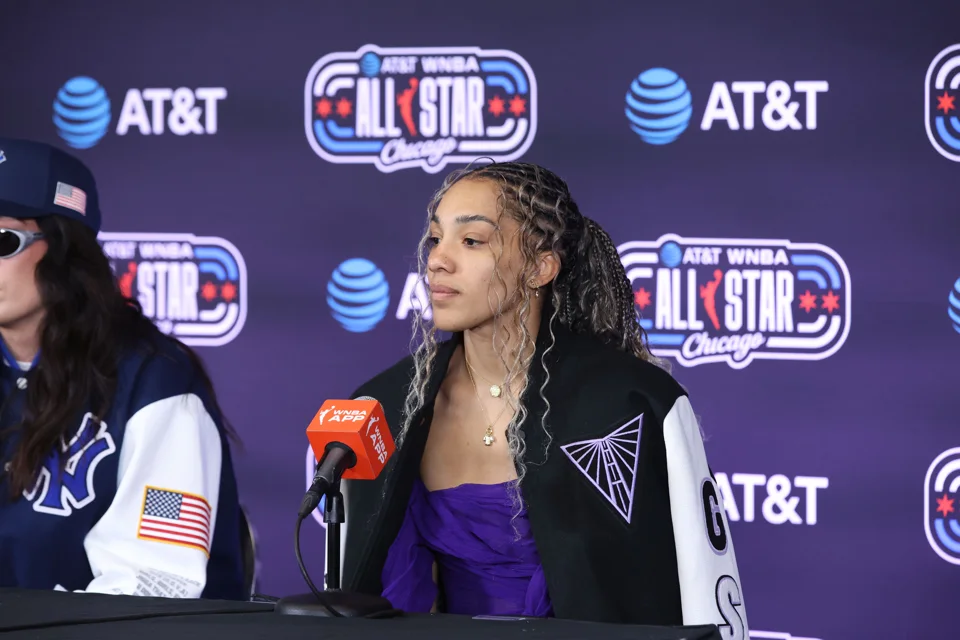
The Golden State Valkyries won the 2026 WNBA championship by beating the Atlanta Dream 68–63 at Chase Center on October 31. Gabby Williams scored 30 points as Golden State completed a 4–3 series victory in the league’s first Finals Game 7. The title arrives in the franchise’s second season. The league’s official game data marks the contest final, and Associated Press independently confirms the result.
This was a comeback rather than a comfortable finish. Atlanta led 30–24 at halftime, after Golden State managed only 10 points in the second quarter. The Valkyries then won the third period 21–14 and the fourth 23–19. Adding those two quarters produces a 44–33 second-half advantage: the decisive change in a game settled by five points.
Williams had only two points before halftime, according to the official play-by-play. Her remaining 28 came after the break. She finished 10-for-23 from the field, made four of eight three-point attempts and converted all six free throws. Those numbers explain both the volume of her responsibility and the variety of ways she scored. Golden State did not need her to make every difficult attempt; it needed enough successful possessions to reverse the earlier deficit.
The final sequence makes that distinction clear. Rhyne Howard’s layup tied the score at 57 with 2:41 remaining. Williams answered with a three-pointer at 2:18, then made two foul shots at 1:40. Kiah Stokes subsequently gathered offensive rebounds around two Williams misses and finished a tip-in with 53.8 seconds left. A scoring star created the advantage, but a teammate extended the possession that made it safer.
Atlanta still had a route back. Allisha Gray’s late free throws reduced the deficit to three points, before a jump ball between Gray and Williams was tipped to Veronica Burton. Burton made both free throws with 5.1 seconds remaining. The official event log records the game ending at 68–63; the comeback was complete only after those closing possessions, not when Golden State first regained the lead.
The result should also be kept separate from award announcements. A 30-point championship performance establishes Williams’s contribution to the deciding game. This report does not infer an individual trophy, a parade date or an offseason decision from the final score.
Sources: WNBA — official final Game 7 box-score data ↗ · WNBA — official Game 7 play-by-play ↗ · Associated Press — independent Game 7 result ↗
A young franchise arrived with a defensive foundation
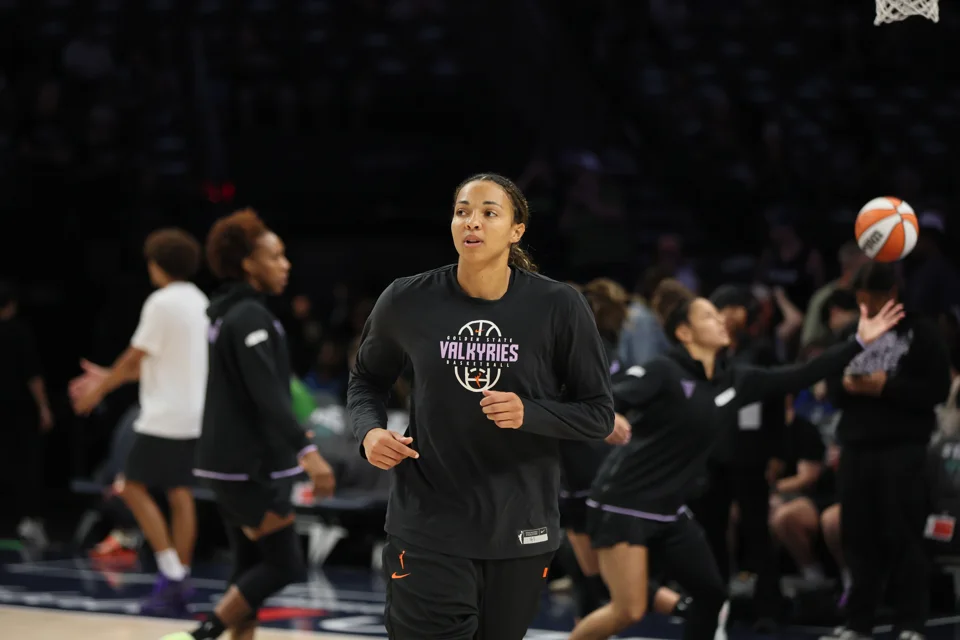
Golden State’s speed from expansion team to champion is striking, but its second season did not begin from an empty basketball foundation. The organization announced on September 4, 2025 that it had become the first WNBA expansion franchise to qualify for the playoffs in its inaugural season. That milestone came with its 23rd victory, against Dallas. A championship one year later is a different achievement, built on a team that had already demonstrated it could compete.
There was also substantial support before a title was available to celebrate. At the time of that first playoff berth, the club reported sellouts for all 21 home games played to that point. Those figures belong to its 2025 announcement; they are not presented here as a count of 2026 sellouts or a new attendance record from Game 7. They show that an audience had formed around the project before its championship season.
The team’s May 2026 account of the league’s general-manager survey provides another contemporary marker. Executives identified the Valkyries as the strongest defensive-team candidate and gave them the largest share of votes for home-court advantage. Williams and Atlanta newcomer Angel Reese shared the lead for the acquisition expected to have the greatest impact. That was preseason opinion, not a guarantee that either team would reach the Finals, but it identified strengths that became central to this matchup.
In Game 7, Golden State’s supporting contributions made the defensive identity tangible. Stokes finished with 13 rebounds and two blocks. Burton contributed 10 rebounds alongside her 10 points and five assists. Williams added four blocks. Rebounding totals and blocked shots cannot describe every rotation or contested attempt, but they help explain why a modest scoring total was sufficient to win.
VIRVIB’s analysis is that the championship required more than an isolated burst from its leading scorer. Williams supplied the second-half offense, while Stokes and Burton helped turn stops into completed possessions. That combination matters in a close final: forcing a miss has less value if the opponent immediately gets another attempt. The official sequence before Stokes’s late basket illustrates the same principle at the offensive end.
This is why the second-season label is meaningful without making the outcome sound effortless. Golden State had to develop a playoff standard, maintain a home base and survive a seven-game contest against an opponent capable of forcing another adjustment.
Sources: WNBA — official final Game 7 box-score data ↗ · Golden State Valkyries — September 4, 2025 first playoff berth ↗ · Golden State Valkyries — May 2026 general-manager survey context ↗
How Atlanta stretched the series, and why Game 7 existed
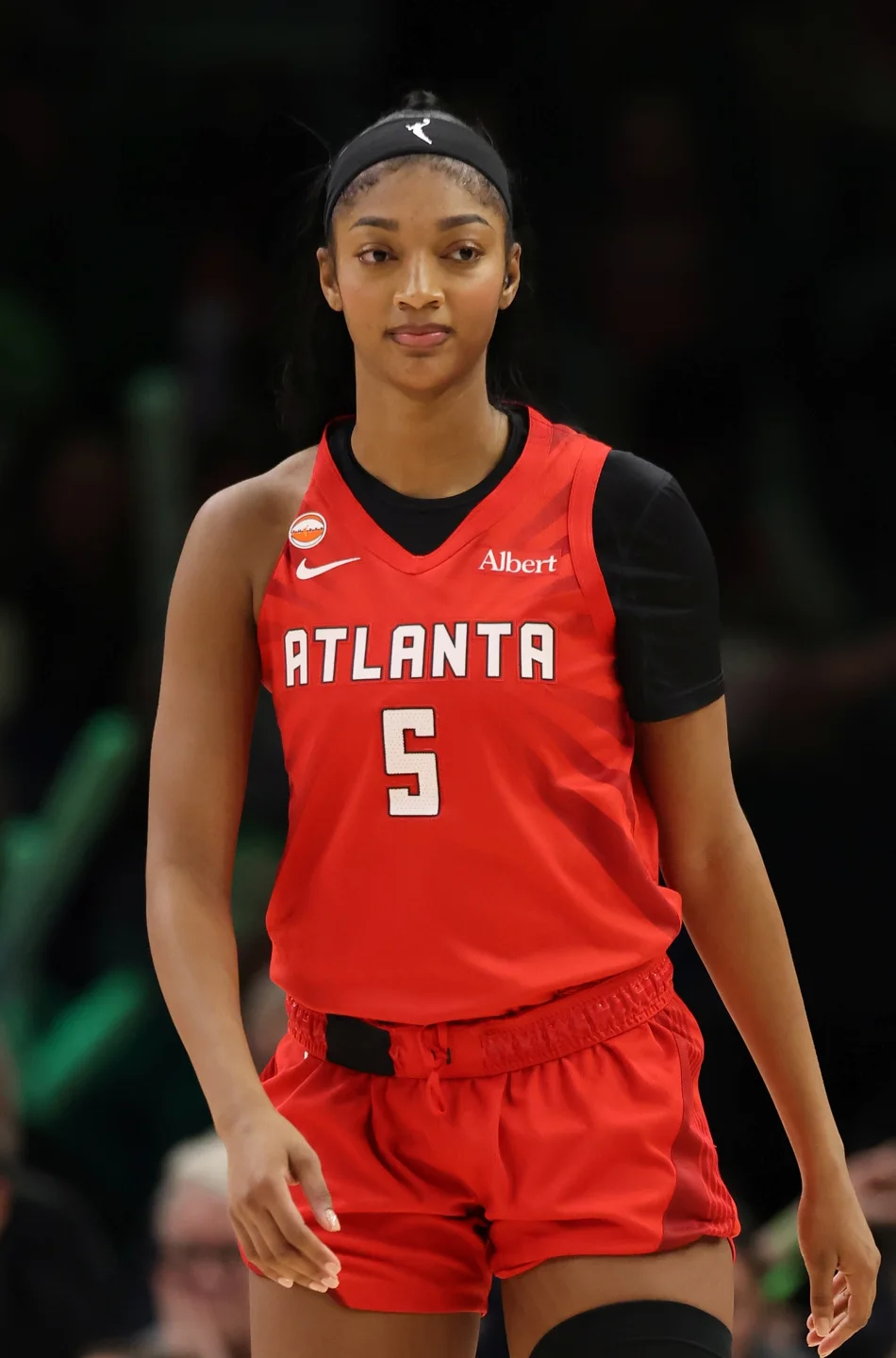
The Dream’s loss should not erase the work that made a deciding game necessary. Golden State’s October 24 victory, 67–62, had tied the series at two wins each; that was the result this page originally covered. The Valkyries then won Game 5 by 64–55. In the league-hosted recap, Stokes and Burton each scored 13 points, while Atlanta’s turnovers became a significant source of Golden State offense. Defense could carry the Valkyries even when Williams was not producing a large scoring total.
Atlanta answered in Game 6 rather than allowing that pattern to end the series. The WNBA’s October 29 live recap records a 31–13 Dream lead after the first quarter and a 46–26 advantage at halftime. Gray scored 23 points and made five three-pointers, while Howard added 21. Atlanta won 80–69. That performance was a documented reason to take its Game 7 chances seriously, rather than treating Golden State’s earlier series lead as a prediction.
The decisive game asked a different offensive question. Canada led Atlanta with 18 points, Gray scored 16, and Reese finished with eight points and 12 rebounds. The Dream made six of 30 three-point attempts. A team can generate another possession, as Atlanta repeatedly did late, without receiving the same return from the perimeter that it enjoyed two days earlier. The contrast is a description of these games, not proof that one player or one tactical choice alone caused the result.
The format also explains why this was a historic seventh game rather than merely another elimination contest. In October 2024, the WNBA approved a best-of-seven Finals beginning in 2025, replacing best-of-five. Its 2–2–1–1–1 arrangement assigns Games 1, 2, 5 and 7 to the higher seed. The first season under that format did not require seven games: Las Vegas swept Phoenix 4–0 in the 2025 Finals.
Golden State and Atlanta took the expanded format to its limit in 2026. The Valkyries’ official pregame information confirmed that either winner would become a first-time champion. Now that possibility has become a completed result for Golden State. Atlanta forced the extra game and briefly led it; Williams and the Valkyries supplied the decisive second-half response. The original series page is updated here so readers can follow that progression without an obsolete preview being mistaken for the latest outcome.
Sources: WNBA — official final Game 7 box-score data ↗ · WNBA / Associated Press — October 26 Game 5 recap ↗ · WNBA — October 29 Game 6 live recap ↗ · WNBA — original October 10, 2024 Finals format announcement ↗ · WNBA — completed 2025 playoff bracket ↗ · Golden State Valkyries — October 31 Game 7 preview (historical pregame context) ↗
Why this story is in the editionGoogle Trends U.S. RSS and reliable current reporting reviewed November 1 UTC; basketball queries included WNBA-related interest. Official final game data and AP corroboration established a substantive update to existing series coverage. No query rank or search-volume claim.
Prepared with AI assistance. Source-based reporting checked on 2026-11-01. This article does not update automatically. Read our editorial standards.