Bob Dylan and Pope Leo XIV exchanged gifts at the Vatican
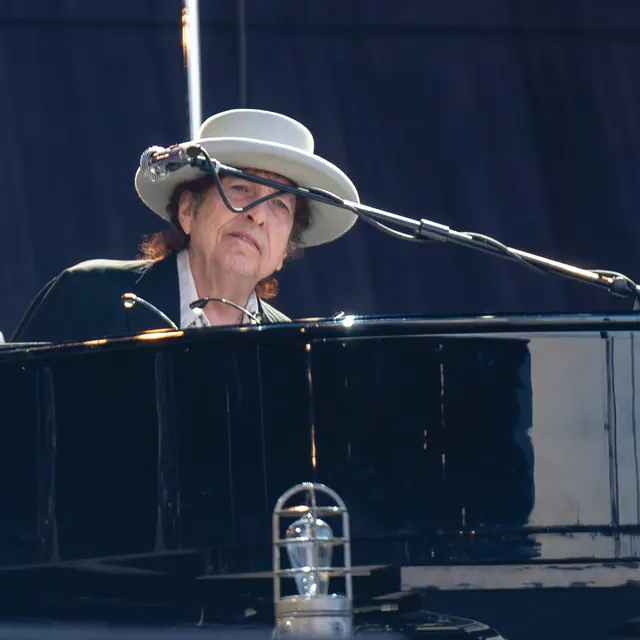
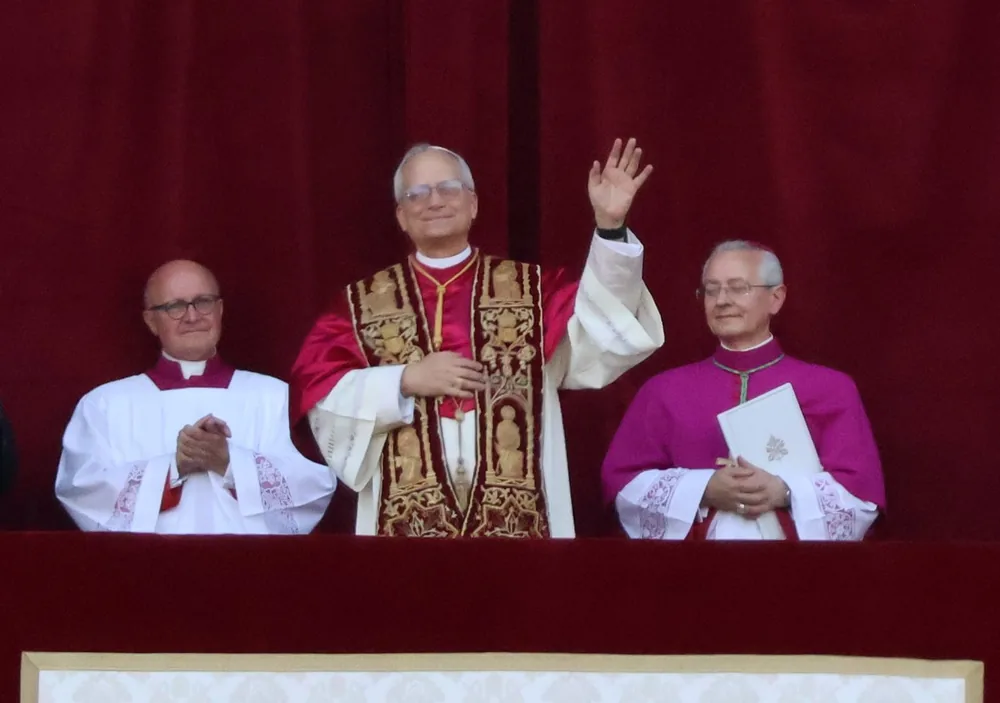
Bob Dylan met Pope Leo XIV at the Vatican on Wednesday, November 4, 2026. The American songwriter gave the pope a copy of Chronicles: Volume One, and Leo gave him a rosary, according to the Vatican account reported by the Associated Press. The brief private audience brings renewed attention to an existing connection between Dylan's writing and Leo's public arguments about peace. Months before welcoming Dylan, the pope had cited his work in a book preface about disarmament.
Reuters reported that the encounter took place in the Apostolic Palace and that Vatican official Antonio Spadaro helped arrange it. Spadaro and Andrea Monda, editor of L'Osservatore Romano, accompanied the musician, AP reported. Neither the exchange of gifts nor the published photographs supplies a transcript of the conversation. Reuters said the Vatican press office had not immediately commented on what the two discussed. There is no announced joint project in those accounts.
The book Dylan brought gives the literary side of the encounter a concrete form. Simon & Schuster describes Chronicles: Volume One as a memoir organized around moments in his career, including his arrival in Greenwich Village around 1961. Its account also moves through New Orleans, Woodstock and Minnesota. Published in 2004, the book offers Dylan's own recollections of people, places and artistic influences. The gift was an existing work rather than a newly announced memoir.
Dylan's recognition as a writer also has an institutional history outside the music business. The Swedish Academy announced his Nobel Prize in Literature on October 13, 2016, recognizing his contribution to poetic expression through American song. That award treated songwriting as a literary achievement. The Vatican visit now places the author of those songs in conversation with a religious leader who has already used one of his texts in a public argument. The content of that earlier argument is available to read, even while Wednesday's private discussion remains undisclosed.
Why Leo had already cited Dylan on peace
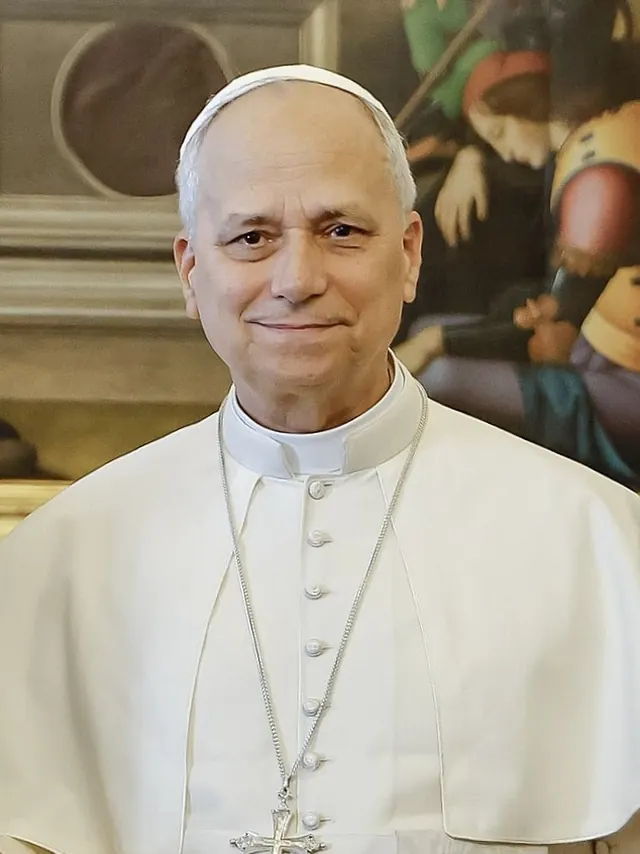
Vatican News published Leo's preface to Disarmed and Disarming: Peace Is a Gift on July 21, 2026. The text itself is dated June 19. In it, the pope invokes Dylan's 1963 composition Go Away You Bomb while rejecting the idea that nuclear weapons can provide the foundation for peace. The reference places an American songwriter inside a wider discussion of conscience, technology and the consequences of rearmament.
Leo's argument goes beyond a tribute to a favorite performer. He describes disarmament as essential to peace and asks what happens when technological systems acquire more authority over decisions with potentially catastrophic consequences. His examples include people who act on conscience, serve others or support diplomacy. The Dylan reference sits within that moral argument. It shows how Leo chose to use the writing, without establishing what Dylan intended to discuss at the November audience.
This is one reason the visit has more context than a photograph of two public figures. A reader can compare the pope's published use of a text with the text's author's later visit. That sequence is documented. A claim that the meeting produced a new peace initiative would require a further announcement. For now, the available public connection is literary and ethical, expressed in the preface months before the audience.
There is also an earlier papal encounter in Dylan's career. He performed at a gathering attended by Pope John Paul II in Bologna in 1997. The Vatican preserves the pope's address to young people on September 27, during the 23rd Italian National Eucharistic Congress. That document connects music and poetry with the questions young people were bringing to the gathering. John Paul responded to imagery familiar from Dylan's songwriting by giving it an explicitly Christian interpretation.
In the address, the pope relates the image of wind to the Holy Spirit and answers a question about a person's path through life by pointing to Christ. The published speech then returns to the Eucharist and prayer, the religious purposes of the congress. It provides a record of how a pope addressed a musical audience in that setting. It does not turn Dylan's performance into a statement of agreement with every part of the address.
The two encounters occurred 29 years apart and in different formats. Bologna was a public gathering with music, young people and a papal speech. Wednesday's meeting was a private audience with a reported exchange of gifts. Reading the 1997 address alongside Leo's 2026 preface shows two documented ways Church leaders have engaged with Dylan's language. The earlier event helps explain the history of that engagement, while the new meeting adds a further occasion to it.
The visit falls between current shows and a 1976 archive release
Dylan's official tour calendar places him in Rome on November 5 at Palazzo dello Sport, followed by Bologna's Unipol Arena on November 7. The schedule then lists Ljubljana on November 9 and two Vienna dates on November 11 and 12. These are advertised performances, with the artist's site stating that information can change. They establish that the Vatican audience took place during an active European concert schedule.
A separate release is due on Friday, November 6. Columbia Records and Legacy Recordings announced The Rolling Thunder Revue: The 1976 Live Recordings in September. The 39-CD collection contains 381 tracks, with 371 described by the label as previously unreleased. It documents the second leg of the tour through professionally recorded performances sourced from original tapes. The same announcement sets out a three-LP edition of the May 16, 1976, Fort Worth concert.
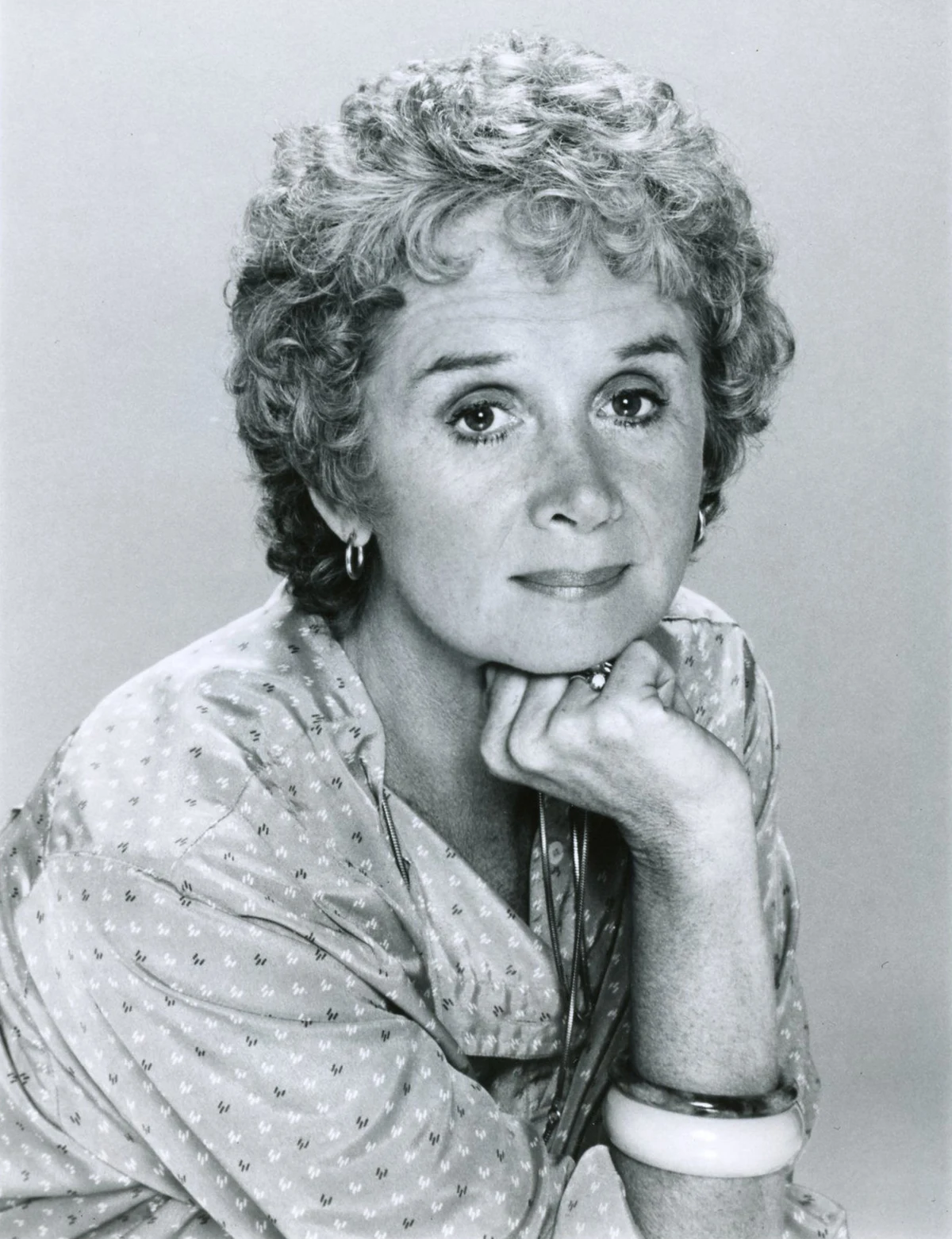
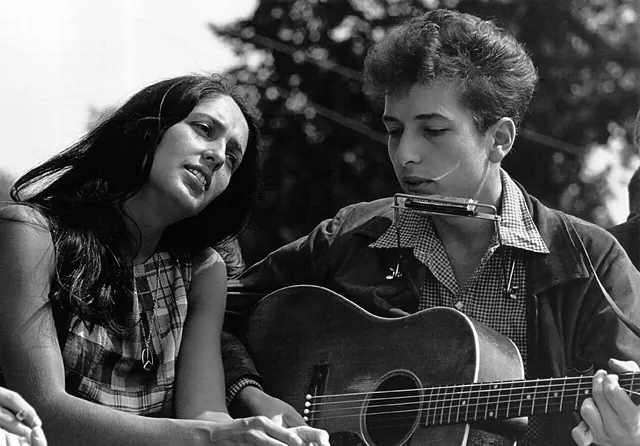
Joan Baez's duets with Dylan are part of that history. The announcement describes their performances across the tour alongside a band that included Scarlet Rivera, Rob Stoner and T Bone Burnett. The collection returns attention to Dylan as a collaborator and stage performer, complementing the attention to his writing generated by the papal visit. The recording project was announced before the audience. Its release schedule therefore should not be read as an outcome of the meeting.
The dates put several different parts of Dylan's public career in view at once. The Vatican audience concerns an encounter on November 4. The next listed show concerns a performance in Rome on November 5. The archive release concerns recordings made half a century earlier and a publication date of November 6. Keeping those events distinct makes it possible to follow the news without treating the older music as a new recording session or the audience as a promotional agreement.
What comes next publicly is the advertised concert and release schedule. Any account of the private conversation will depend on what the participants choose to disclose. The record already explains why the encounter drew attention beyond the visit itself. Leo had used Dylan's writing in an argument about peace, John Paul II had responded to his musical imagery in Bologna, and Dylan continues to present both performances and books to audiences. Wednesday added a private meeting and two gifts to that documented history.
View sources
Source publication or schedule date: November 4, 2026 audience; July 2026 preface; November 6 release schedule
- Associated Press — November 4 audience and exchange of gifts
- Reuters — November 4 audience and Spadaro’s role
- Simon & Schuster — Chronicles: Volume One
- Swedish Academy / Nobel Prize — October 13, 2016 announcement
- Vatican News — Leo’s preface on disarmament, published July 21, 2026
- Holy See — John Paul II’s September 27, 1997 Bologna address
- Bob Dylan — official tour calendar, checked November 5
- Bob Dylan / Columbia / Legacy — November 6 archive release announcement
Prepared with AI assistance. Source-based reporting checked on November 5, 2026. This article does not update automatically. Read our editorial standards.