The official order answers the biggest questions
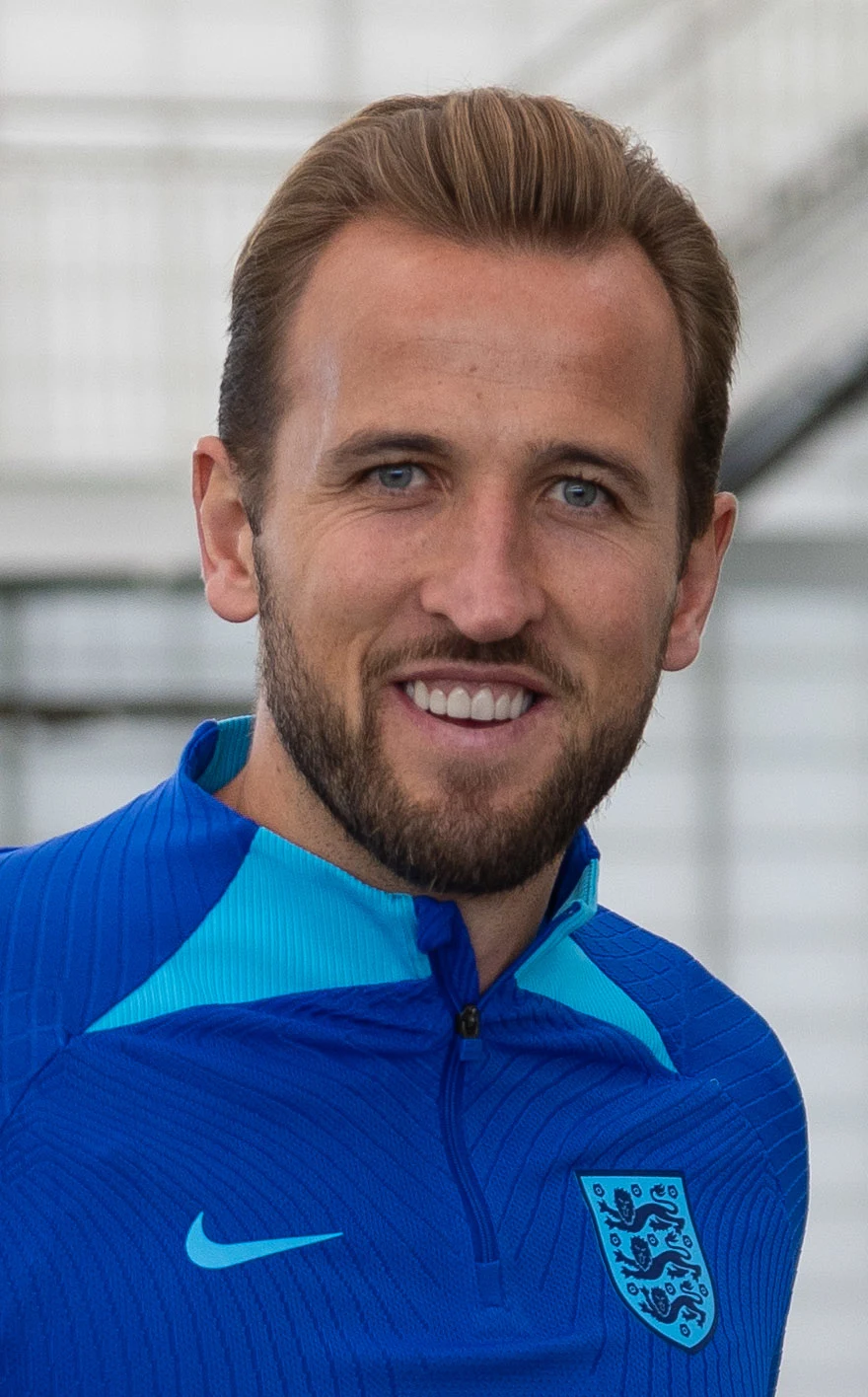
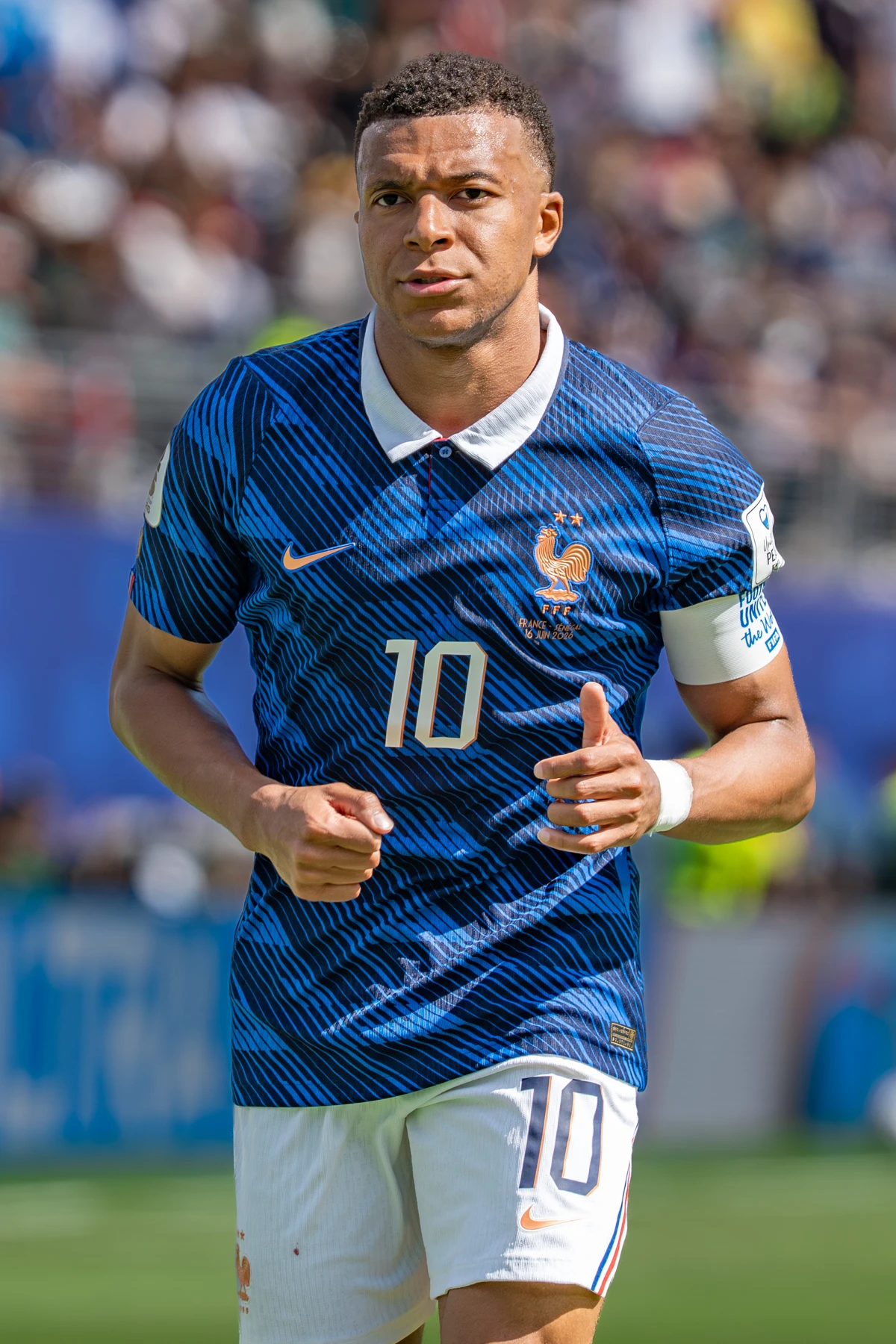
Kylian Mbappé finished second, Lamine Yamal third and Lionel Messi fifth in the 2026 men’s Ballon d’Or. Harry Kane won and Rodri was fourth, according to the organizer’s final ranking.
Khvicha Kvaratskhelia finished sixth, Ousmane Dembélé seventh, Erling Haaland eighth, Michael Olise ninth and Fabián Ruiz tenth. These are final results rather than pre-ceremony forecasts or fan-voting positions.
The remainder of the published order is Jude Bellingham, Pau Cubarsí, Achraf Hakimi, Vitinha, Declan Rice, Ferran Torres, Vinícius Jr., Marc Cucurella, João Neves, Willian Pacho, Gabriel, Lautaro Martínez, Nuno Mendes, Luis Díaz, Marquinhos, Dayot Upamecano, Bruno Fernandes and Julián Quiñones. Sadio Mané and William Saliba share the final listed position, 29th. The official list therefore contains 30 players without assigning an individual 30th-place label.
A tied position is worth preserving exactly as published. Replacing the second 29 with 30 may make a list appear tidier, but it changes the organizer’s result. Equally, the order alone does not reveal how many points separate adjacent players. A one-place gap can correspond to a very close vote or a substantial distance in points. Those possibilities cannot be distinguished simply by looking at the final positions.
VIRVIB analysis: the field also resists a familiar shorthand in which an individual award becomes a contest between only two or three attacking stars. The shortlist includes defenders, central midfielders and players whose work is not chiefly measured by finishing. A top-ten headline is useful for orientation, but the full ranking shows the range of roles that the jury considered. The correct reading is not that everyone below the podium had an unsuccessful season. They were selected for an international shortlist and then placed within it under a particular voting system. The outcome is an award ranking, not a universal score for every aspect of their football.
Mbappé and Messi occupy different places in the award’s history
Mbappé’s second place comes as a Real Madrid and France forward. The organizer’s profile records his earlier club honors with Monaco and Paris Saint-Germain, along with Real Madrid’s 2024 UEFA Super Cup and Intercontinental Cup. It also lists his 2018 Kopa Trophy and shared 2024 Gerd Müller Trophy. His presence near the top of the main award is therefore part of an established record of individual recognition, not the arrival of a previously unknown contender.
Those earlier awards must nevertheless be kept distinct from the 2026 Ballon d’Or. Recognition as a young player or as a prolific scorer is not itself a main-award victory. The 2026 final ranking leaves Mbappé as runner-up. A headline declaring that he won on the basis of an older trophy, a prediction or an incomplete ceremony report would describe a different event from the one the organizer has now recorded.
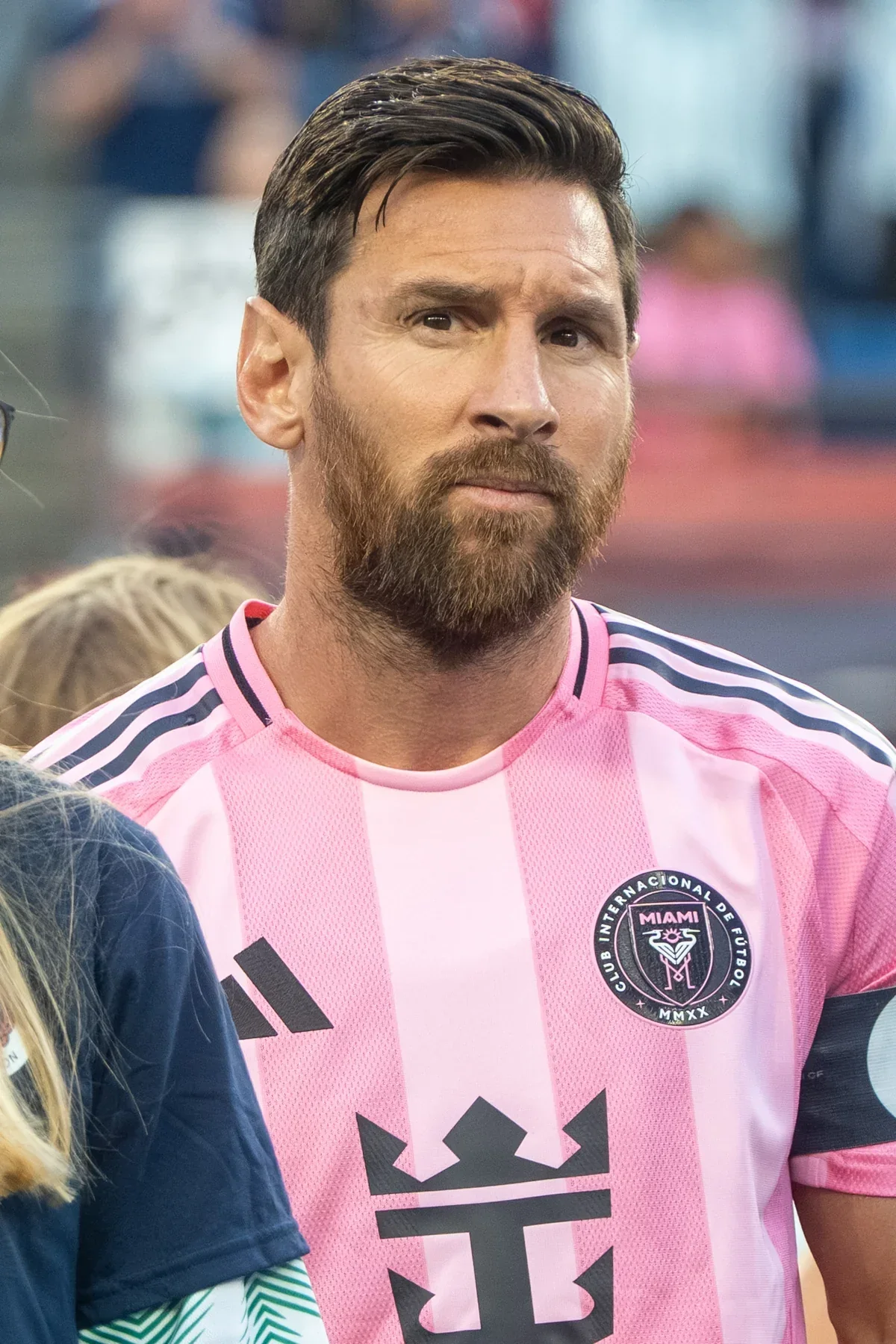
Messi’s fifth place brings another kind of perspective. The official profile identifies him with Inter Miami and Argentina and lists his eight Ballon d’Or victories in 2009, 2010, 2011, 2012, 2015, 2019, 2021 and 2023. It also records four Champions League titles and ten league championships with Barcelona, two league titles with Paris Saint-Germain, and Argentina’s 2022 World Cup title. That history explains his prominence without converting the present award into a referendum on his entire career.
For an American audience, Messi’s club affiliation makes his continued appearance near the top particularly relevant. The ranking includes an Inter Miami player among football’s leading names. It does not follow that the vote measures Major League Soccer as a whole, nor that one player’s position establishes a league-to-league ranking. Individual awards and assessments of competition strength require different evidence.
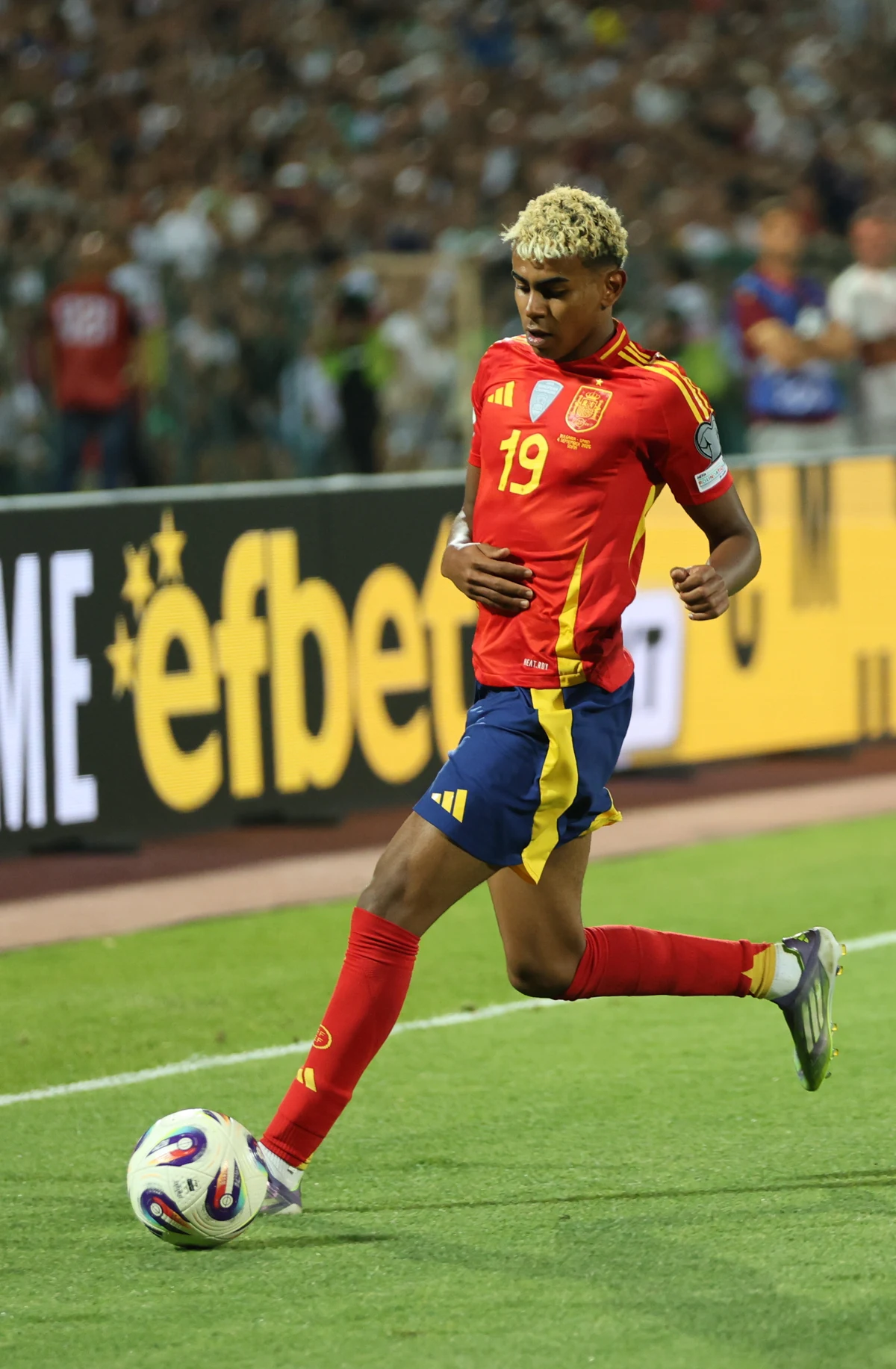
Yamal’s third place presents a contrasting age profile. The organizer lists his birth date as July 13, 2007, making him 19 at the ceremony. He won the young-talent category while also finishing on the main podium. Those results show the same player being evaluated within two different fields. They do not mean the young-player trophy is a preliminary round whose winner automatically advances to the main award.
VIRVIB analysis: the appeal of this top five is the coexistence of career stages. Messi’s record, Mbappé’s established status and Yamal’s youth attract different expectations. The final positions should be read as a verdict on an assessed season rather than a prediction of who will have the greater career. Longevity, peak performance and future potential are worthwhile topics, but they cannot be collapsed into a single ordinal list without losing their meaning.
Sources: Ballon d’Or — Kylian Mbappé player profile ↗ · Ballon d’Or — Lionel Messi player profile ↗ · Ballon d’Or — Lamine Yamal player profile ↗
Why places, points and public opinion are not interchangeable
The main men’s Ballon d’Or is decided by specialist journalists representing the top 100 countries in the relevant FIFA ranking. Each juror selects ten players from the 30 nominees. The ordered selections receive 15, 12, 10, 8, 7, 5, 4, 3, 2 and 1 point. The overall total determines the winner, with first-place votes and then lower ranked choices used to separate ties.
That design means broad support can matter alongside first-choice support. In an illustrative example, three second-place selections would contribute 36 points, while two first-place selections would contribute 30. This is arithmetic explaining the published scoring system, not a reconstruction of any actual ballot. A player can collect substantial points from being rated highly across many jurors, even when social-media attention concentrates on the most enthusiastic endorsements of someone else.
France Football editor Vincent Garcia described Kane’s advantage over Mbappé as very small in comments reported by Die Welt after the ceremony. He said it was smaller than the 41-point gap in the 2024 race and that exact totals would be released later in the week. This article does not turn that description into an invented 2026 margin. The positions are available now; the precise arithmetic should be taken from the detailed release when it is published.
VIRVIB analysis: this is also why claims about a player being robbed need more than a screenshot of one favorite statistic. A disagreement about the result may be a disagreement over criteria, competition context or the weight assigned to team achievements. It is not automatically evidence of an irregularity. A useful critique identifies the assessment it would make differently and explains why, rather than implying misconduct from an unexpected outcome.
The same care applies to claims about a bloc of voters. Without actual ballots, nationality or club affiliation should not be used to invent coordinated voting. Once detailed voting records are released, a reader can compare them with the published scoring method and examine how the total arose. Until then, the official ranking establishes the order but does not disclose every juror’s reasoning. Kane is the winner, Mbappé the runner-up, Yamal completes the podium and Messi is fifth. The debate can continue with those facts fixed.
Sources: Ballon d’Or — jury and points system ↗ · Die Welt — France Football editor on the close vote ↗
Prepared with AI assistance. Source-based reporting checked on 2026-10-27. This article does not update automatically. Read our editorial standards.