USC turns its early opportunities into a lasting lead
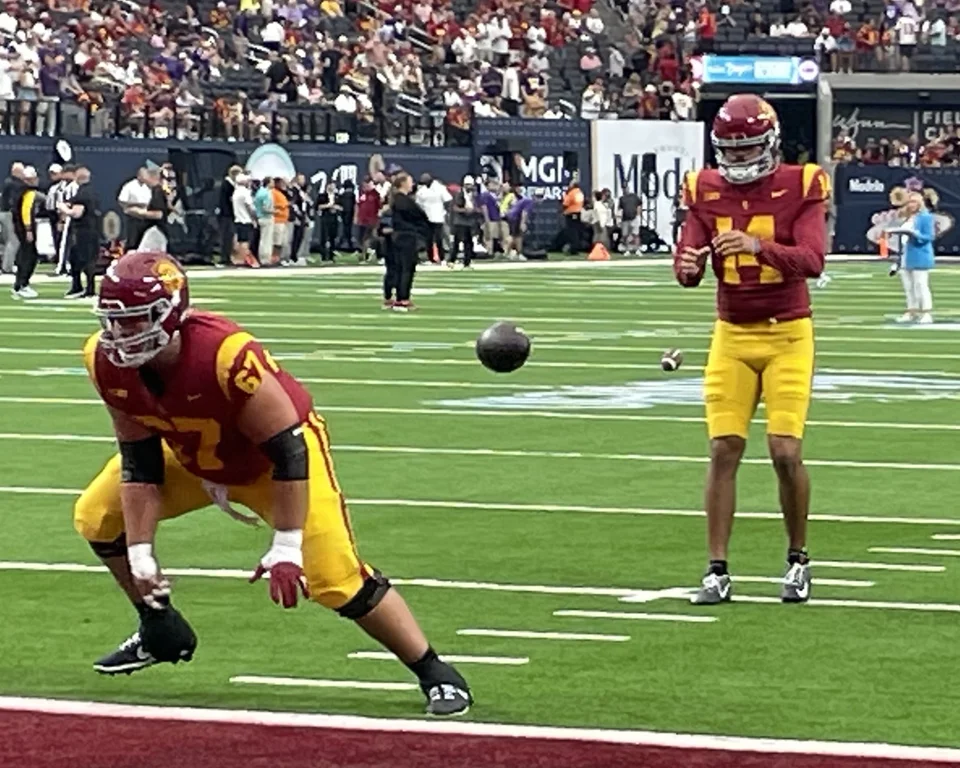
USC beat No. 2 Ohio State 30–18 at the Los Angeles Memorial Coliseum on October 31, 2026, delivering a setback to the Buckeyes just before the first College Football Playoff rankings. Jayden Maiava threw for 222 yards and a touchdown, while the Trojans kept Ohio State out of the end zone until the final three minutes. The result moved USC to 7–2 overall and 4–2 in the Big Ten. Ohio State fell to 6–2 and 4–1 in conference play.
The official game records from both universities agree on the final score. The Associated Press’s dedicated game report also records a 30–18 USC victory. That matters because an AP roundup reviewed during verification carried a conflicting score. This account follows the detailed game report and the matching university records, rather than reproducing the inconsistent roundup figure. The final result is distinct from the implications that voters or the playoff committee may later draw from it.
The scoring began almost immediately. Trent Mosley caught a 69-yard touchdown pass from Maiava, giving USC a seven-point lead with 14:21 still remaining in the first quarter. The scoring summary lists a two-play, 75-yard possession lasting only thirty-nine seconds. That opening supplied both an early advantage and a clear contrast with the longer possessions Ohio State would need to generate its own points.
Waymond Jordan added a nine-yard touchdown run later in the opening quarter. By halftime, USC led 20–9. The Trojans had converted their first-half scoring chances into two touchdowns and two field goals; the Buckeyes had three field goals. Those different returns on possessions explain the eleven-point gap more directly than a general claim that one offense controlled every phase of the half.
The advantage grew to 27–9 when King Miller scored from one yard out in the third quarter. Ohio State then scored nine fourth-quarter points, but USC added a late field goal to restore a twelve-point final margin. Looking at the game quarter by quarter also shows that this was not a late reversal: the Trojans led after each period and never needed to erase a second-half deficit.
VIRVIB analysis: USC’s early touchdowns changed the requirements for an Ohio State comeback. Moving the ball and making field goals could keep the Buckeyes involved, but those possessions did not erase a lead built with touchdowns. The decisive distinction was the value of scoring opportunities, not merely the amount of time each team spent with the ball.
Sources: USC — official final box score and scoring sequence ↗ · Ohio State — official game center and team statistics ↗ · Associated Press — detailed game report confirming USC’s 30–18 victory ↗
Why Ohio State’s yardage advantage did not become a win
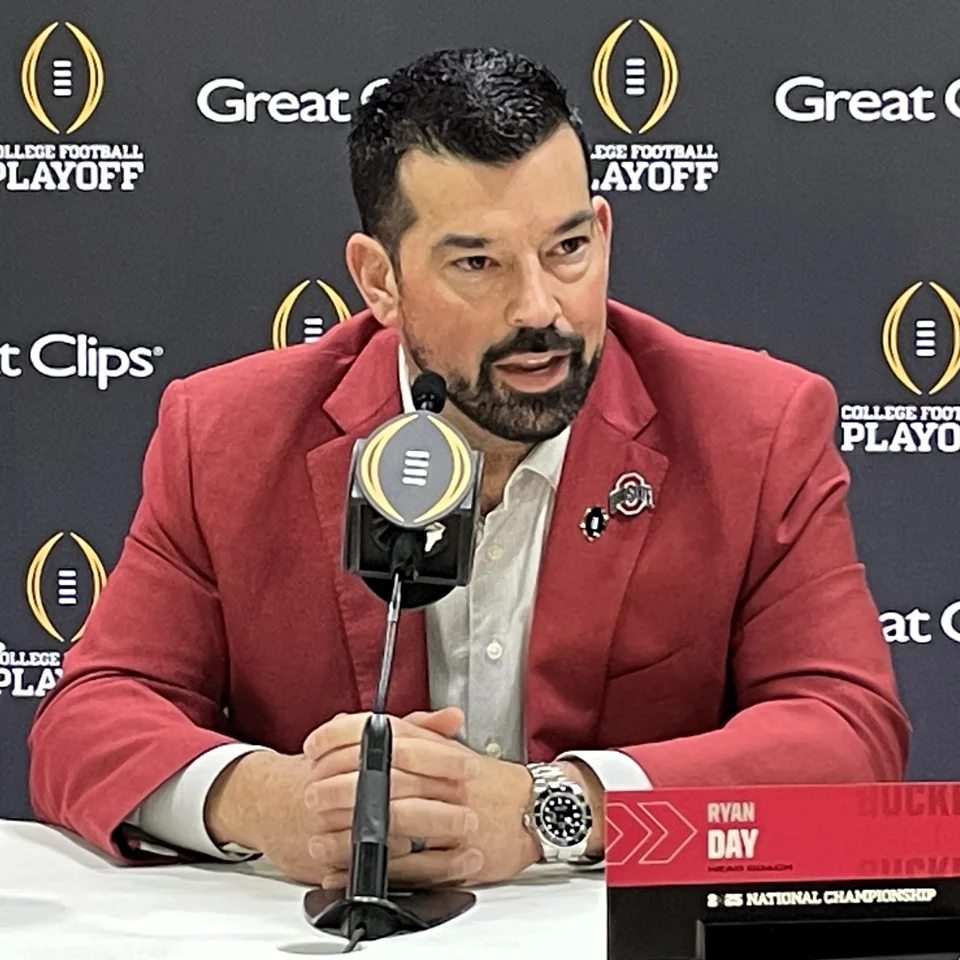
Ohio State finished with 464 yards to USC’s 338 and held possession for 39 minutes, 28 seconds. The Trojans had the ball for 20:32. The Buckeyes also led in first downs, 25–15, and ran 81 plays compared with USC’s 50. These figures describe substantial offensive activity. They do not change the result, and they do not mean that the team with fewer yards somehow failed to deserve its points.
The contrast is especially sharp in the running game. Ohio State gained 204 rushing yards, while USC gained 116. Bo Jackson led the Buckeyes with 121 yards; Miller led the Trojans with 78. USC nevertheless obtained rushing touchdowns from both Miller and Jordan. The totals and the scoring record answer different questions: one measures accumulated movement, while the other identifies the plays that reached the end zone.
Ohio State’s starting-quarterback situation was part of the preparation for the game. USC’s October 27 preview identified Julian Sayin’s throwing-arm injury from the Indiana game and described freshman Luke Fahey as the expected replacement. AP’s final report confirmed Fahey made his first career start. He passed for 260 yards, but the offense’s first touchdown did not arrive until Jeremiah Smith’s one-yard reception with 2:12 left in the fourth quarter.
Connor Hawkins supplied Ohio State’s other scoring with four field goals. His first three kept the halftime deficit to eleven points; his fourth made it 27–12 early in the final period. When Smith finally reached the end zone, the Buckeyes were still behind. USC subsequently answered with Caden Chittenden’s 32-yard field goal with 1:46 remaining, leaving too little time for Ohio State to turn its late touchdown into a completed recovery.
The Buckeyes also committed eleven penalties for 71 yards, compared with USC’s six for 42. Penalty totals alone cannot assign responsibility for every stalled possession. They do, however, belong alongside the offensive totals when assessing why a team can gain more ground without producing more points. A long drive interrupted by a setback is different from a short possession that produces a touchdown.
VIRVIB analysis: the loss should not be reduced to Fahey’s passing total or Sayin’s absence. The scoring sequence, rushing production, penalties and touchdown shortage describe a broader team outcome. Ohio State generated enough movement to create opportunities. USC’s defense and scoring efficiency made the final outcome depend on what happened at the end of those opportunities.
Sources: USC — official final box score and scoring sequence ↗ · Ohio State — official game center and team statistics ↗ · Associated Press — detailed game report confirming USC’s 30–18 victory ↗ · USC — October 27 preview, records and injury background ↗
What the result means before the November 3 playoff rankings
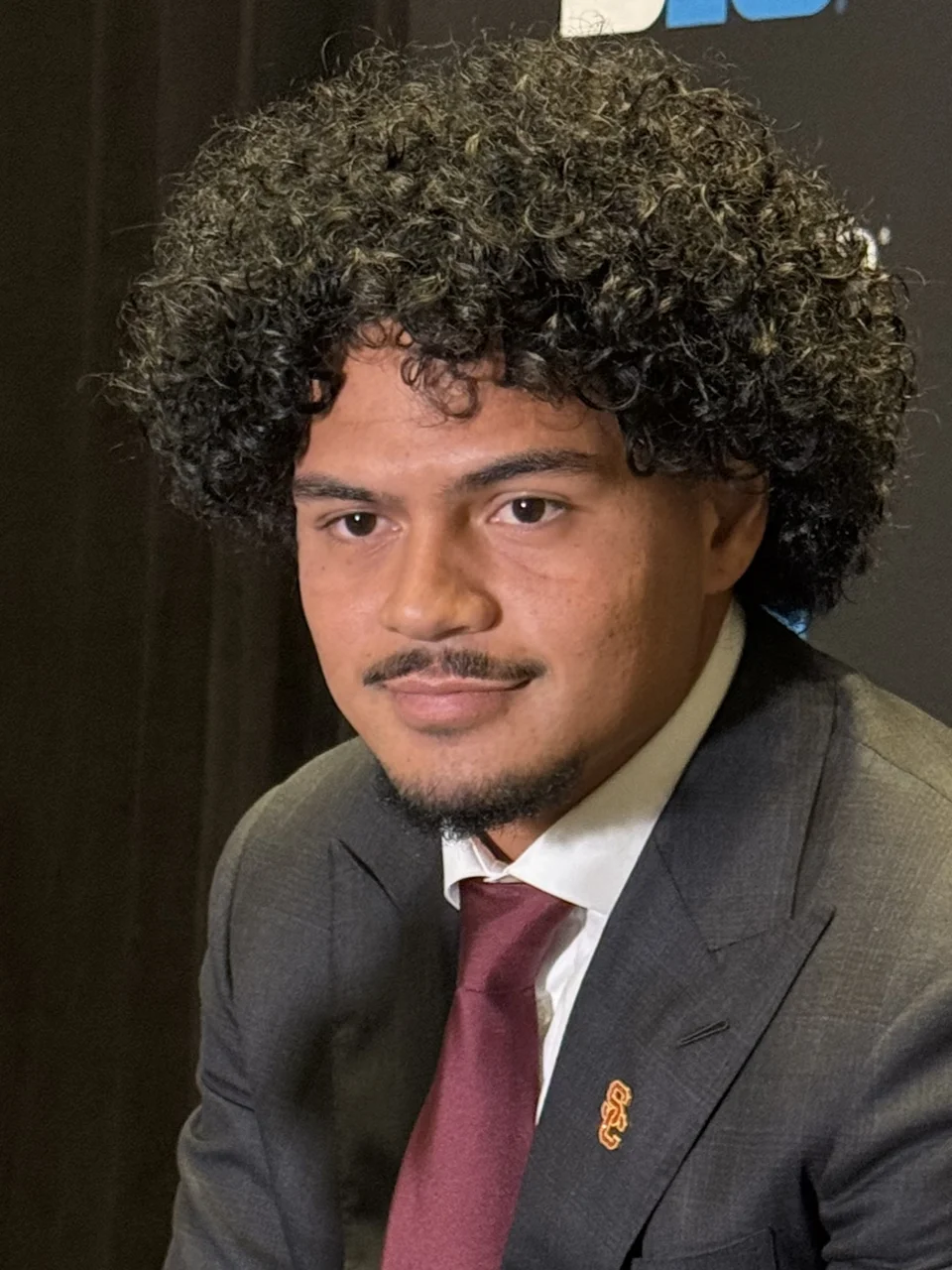
The setting before kickoff helps explain the scale of the upset. USC’s official preview listed Ohio State at 6–1 and unbeaten in Big Ten play, following five consecutive wins after a 24–23 loss at Texas. That run included a 19–15 victory at Indiana on October 17. The Buckeyes arrived with a strong record and a high ranking; the defeat in Los Angeles gave them a second loss and their first conference loss.
The same preview placed Ohio State’s defensive allowance at 13.4 points per game entering the matchup. USC scored thirty. This comparison supplies useful context without claiming that a season average predicts what must happen in a particular game. An average combines different opponents and circumstances. Saturday’s result is one concrete performance within that larger record, and it will now be part of the evidence used to assess both teams.
The College Football Playoff selection committee has scheduled its first 2026 rankings for November 3. Its August announcement identifies a twelve-team playoff and a final selection date of December 6. The No. 2 attached to Ohio State in this game’s reporting is therefore not a newly issued CFP position. No official opening committee ranking had yet been announced when this article was checked on November 1.
A major win can improve a team’s case, while a second defeat can make another team’s route more difficult. Neither statement establishes a guaranteed berth or automatic elimination. The committee will evaluate a broader season, and additional games remain. Calling USC a confirmed playoff participant, or declaring Ohio State formally out, would go beyond the records and announcements reviewed for this report.
Ohio State’s official schedule lists Oregon at home on November 7, followed by Northwestern on November 14, Nebraska away on November 21 and Michigan at home on November 28. USC’s game report lists a bye before a trip to Indiana on November 14. Those schedules present the next opportunities to change each team’s record; they do not establish how either side will perform or where the committee will rank them.
The immediate conclusion is narrower and clear. USC turned an early lead into a 30–18 victory, despite Ohio State’s advantages in yardage, first downs and possession. The next meaningful checkpoints are the first CFP rankings and the teams’ subsequent games. Those developments will show how much lasting weight this Halloween result carries beyond the final score already established at the Coliseum.
Sources: USC — October 27 preview, records and injury background ↗ · College Football Playoff — 2026 selection and rankings announcement ↗ · Ohio State — current 2026 schedule and results ↗ · USC — game report and next scheduled game ↗
Why this story is in the editionThe Ohio State–USC query appeared on Google Trends’ U.S. Trending Now page when reviewed November 1, 2026. This is a discovery signal, not a claim of total audience or a forecast. No search-volume or rank claim is made. The 508-article archive was reviewed before creating this new story.
Prepared with AI assistance. Source-based reporting checked on 2026-11-01. This article does not update automatically. Read our editorial standards.