A record-based index, not a blacklist
The accompanying index identifies ten people whose roles can be connected to sources in this edition. Its labels describe the cited record, not a verdict on the person’s life. Entries are dated so a historical event is not mistaken for a complete current legal-status search.
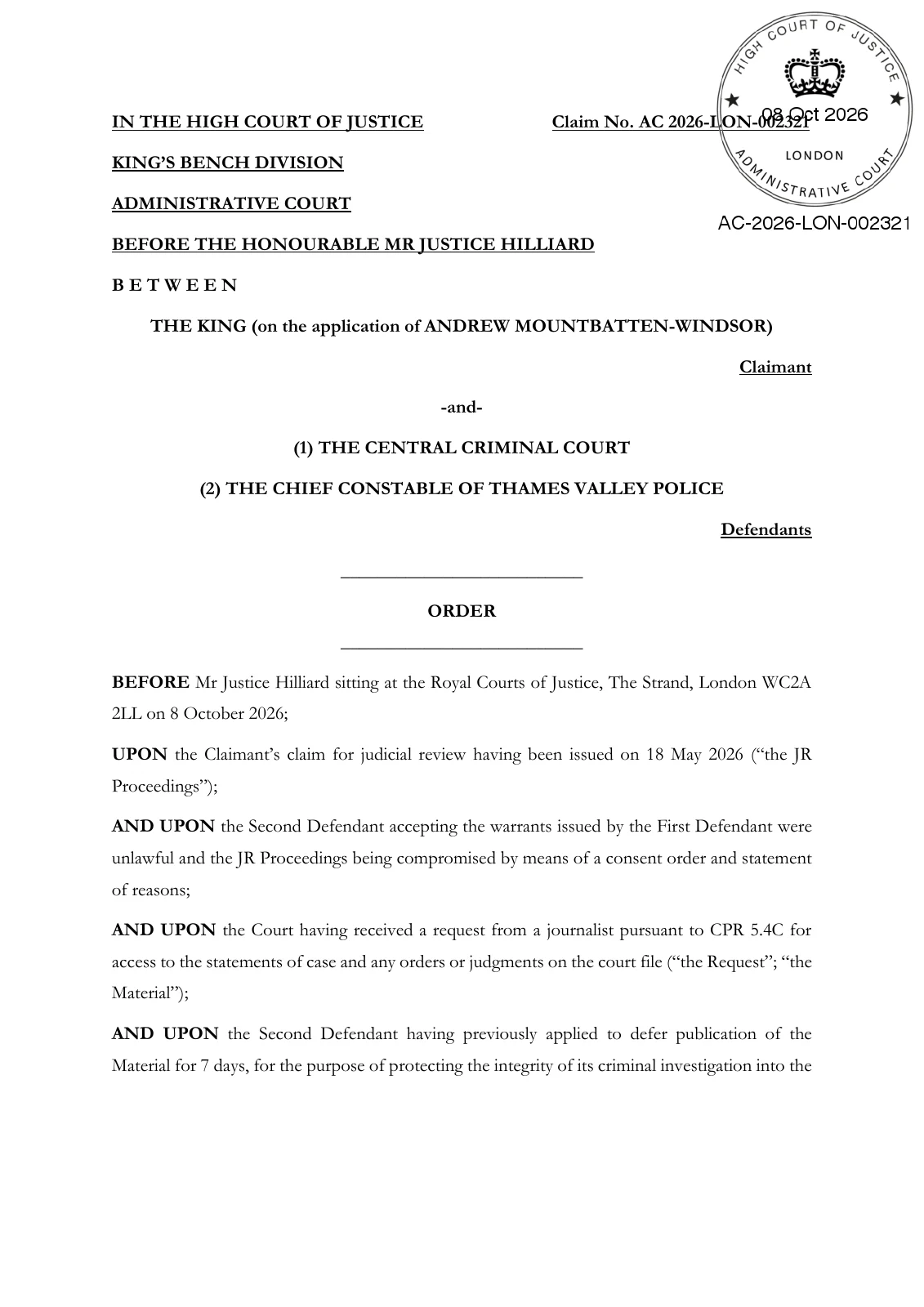
Epstein’s state plea and Maxwell’s jury verdict belong in the convictions track. The October 2026 New Mexico filing puts Indyke and Kahn in a civil-defendant track. The court record about Andrew concerns a distinct investigation and a challenge to search warrants. These are not equivalent legal positions.[S02][S05][S13][S18]
Testimony is a category of its own
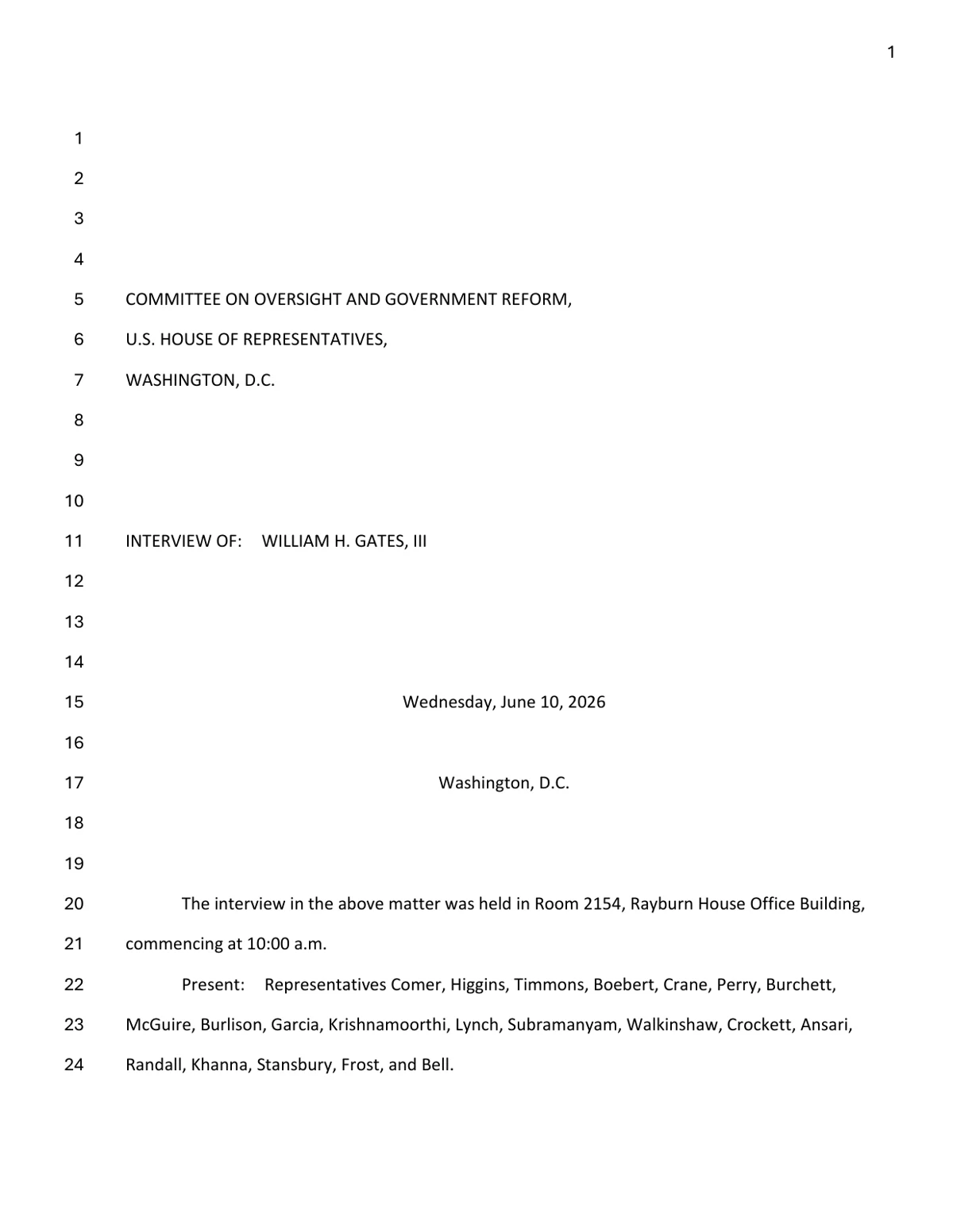
The House Oversight Committee published an interview transcript for Bill Gates and released videos of Bill and Hillary Clinton’s depositions. Those records establish that questioning occurred. They do not, merely by existing, establish criminal responsibility.[S19][S20]
Questions, answers and exhibits should remain distinguishable. A committee member can state an allegation while asking a question. Publishing that statement without the answer can misrepresent both the witness’s account and the status of the allegation.
A named public figure is not automatically an accused person
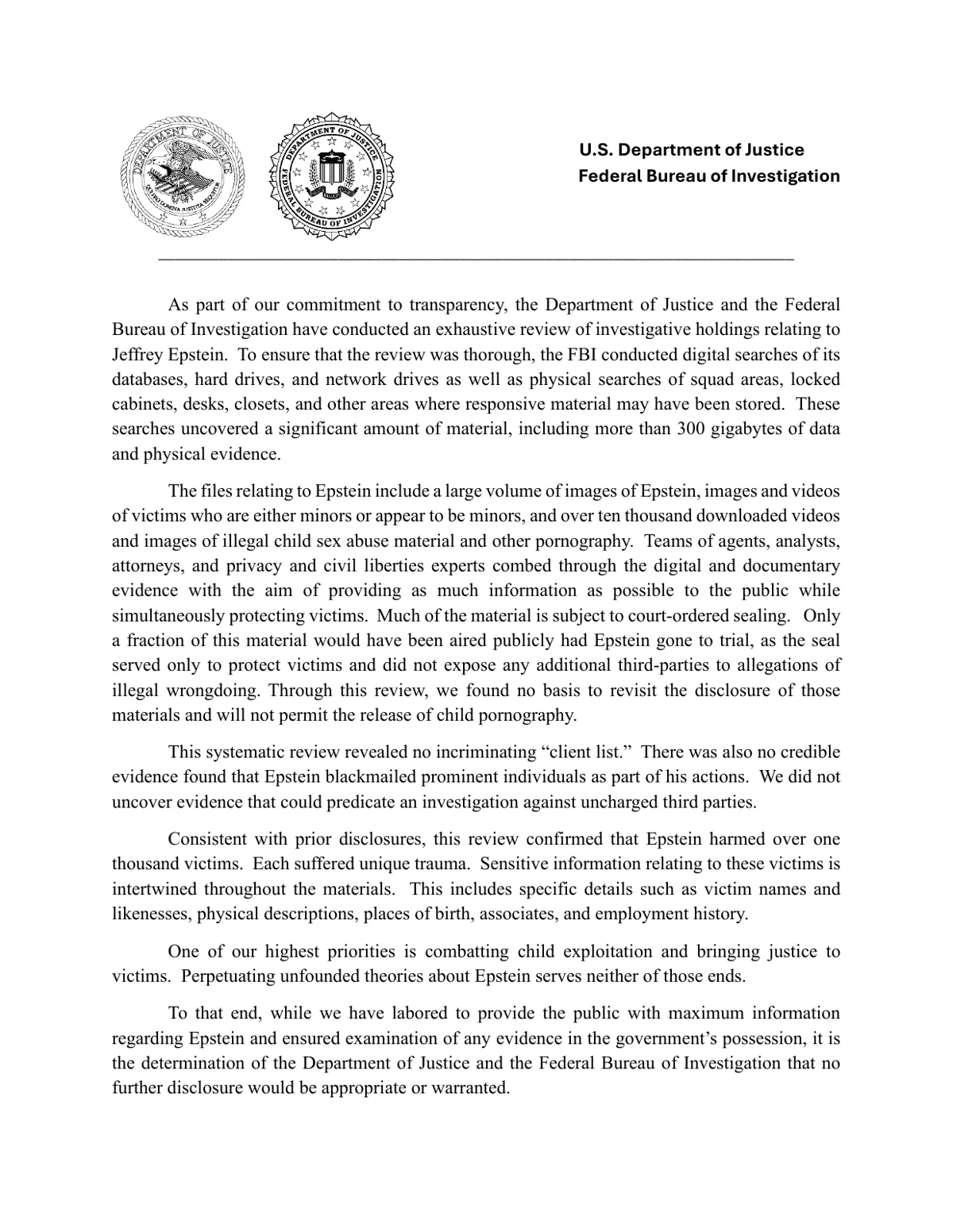
Donald Trump appears in the DOJ’s January 2026 disclosure statement, which disputes certain allegations submitted to investigators. This dossier attributes that position to the DOJ and does not reproduce those unverified allegations as facts. The release itself is not a court verdict about every conceivable claim.[S10]
The introductory chapter covers Wexner’s account alongside the business-relationship entry in the people index.
Why the index is selective
A useful entry needs a source, a date, the person’s capacity and a clear statement of what the record does and does not establish. Adding names simply because they attract attention would weaken that standard.
New entries should be added only after the underlying document and a relevant response have been checked. Where a person faces an allegation, the response belongs near it rather than at the bottom of an unrelated page.
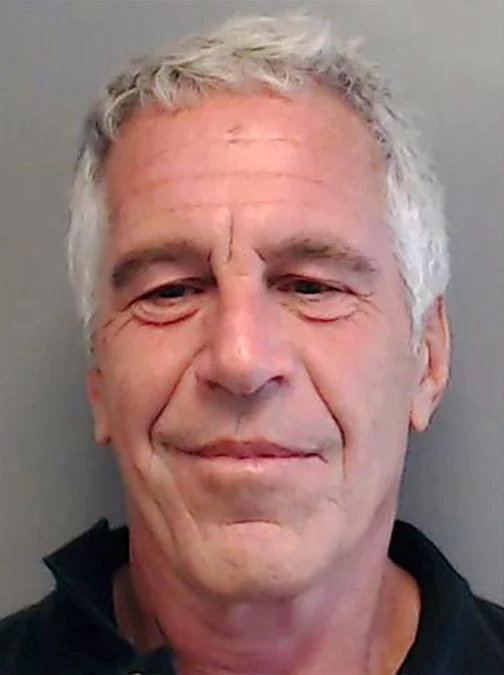
This structure also prevents a common visual error: displaying a gallery of public figures beneath a headline about offenders. Our archival photographs appear in the individual Epstein and Maxwell chapters, not as evidence that unrelated people are guilty by association.