What the agencies said
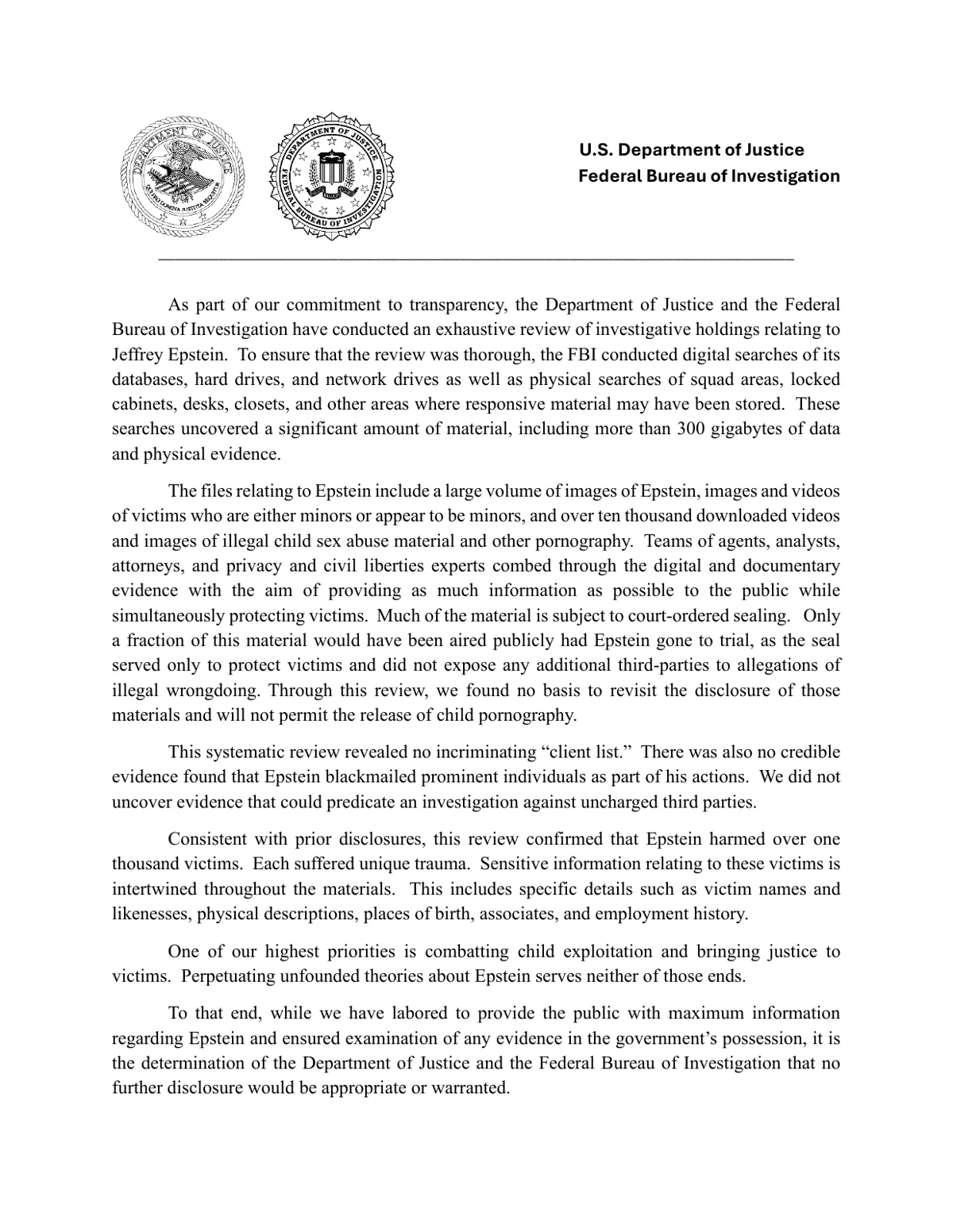
In a July 2025 memorandum, the DOJ and FBI said their review had found no incriminating client list and no credible evidence that Epstein blackmailed prominent individuals. Those are the agencies’ stated conclusions from that review. They are not a claim by this publication to have independently examined every underlying item.[S08]
The dated wording matters. It cannot be used to erase later proceedings, and it should not be silently replaced with a stronger statement that no question about any third party could ever remain.
Different records answer different questions
For editorial purposes, treat a flight log as a record to authenticate about a journey, a contact book as a record of listed contact information, and a photograph as a record of what was captured in a particular image. None, standing alone, explains every participant’s knowledge, intent or conduct.
Before publishing a name, check the original entry rather than a cropped screenshot. Ask whether the person is clearly identified, whether the entry is contemporaneous, whether it describes a completed event or a plan, and whether another source independently supports the inference being made.
Public release does not authenticate every allegation
The DOJ’s January 2026 announcement cautioned that public submissions could include fabricated material. Publication does not, by itself, establish the truth of every statement inside a file.[S10]
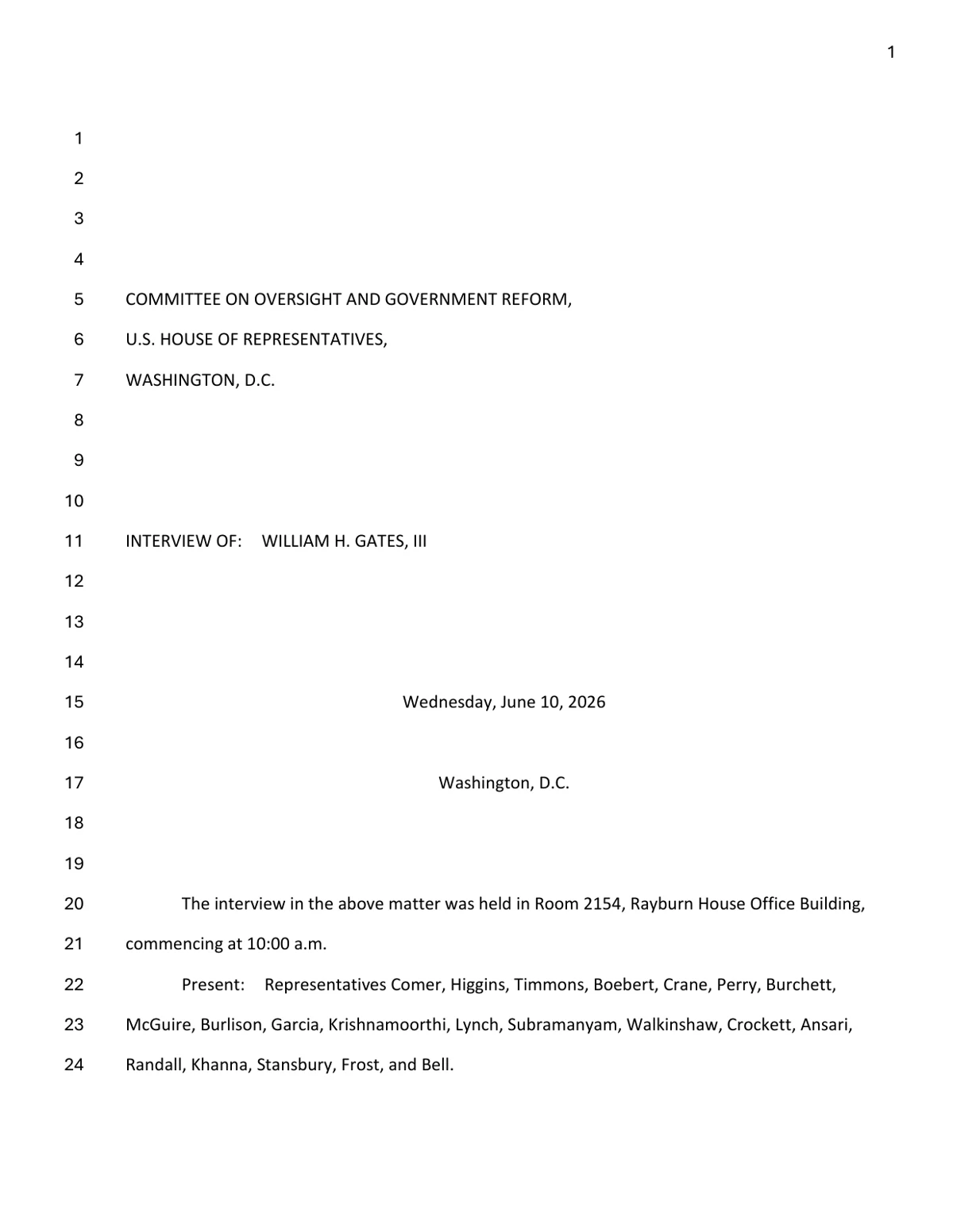
This is particularly important for a question recorded during an interview. The fact that an investigator asked about a claim does not establish the claim. An answer denying it should not disappear when the question is reproduced.
How this dossier handles names
The people index records the role supported by the cited source. It does not use a single “client” or “suspect” label for everyone. A convicted defendant, a civil defendant, a witness and a person mentioned by someone else belong in different categories.
We do not publish an exhaustive extracted list of private contacts, victim identities, telephone numbers or addresses. The objective is to explain responsibility supported by evidence, not to encourage harassment or invite readers to fill gaps with speculation.
For any new claim, preserve the document identifier and enough surrounding context to make the claim checkable. If the original cannot be located, the claim does not become stronger through repetition.