The historical civil settlement
In February 2022, Andrew and Virginia Giuffre reached a settlement of her U.S. civil sexual-assault case. Andrew had denied the allegations. The settlement included no admission of guilt, and its amount was not disclosed. It was not a criminal verdict.[S21]
This short account preserves both the allegation and the denial without reproducing graphic details or treating an undisclosed payment as proof of a specific act.
What the October 2026 record concerns
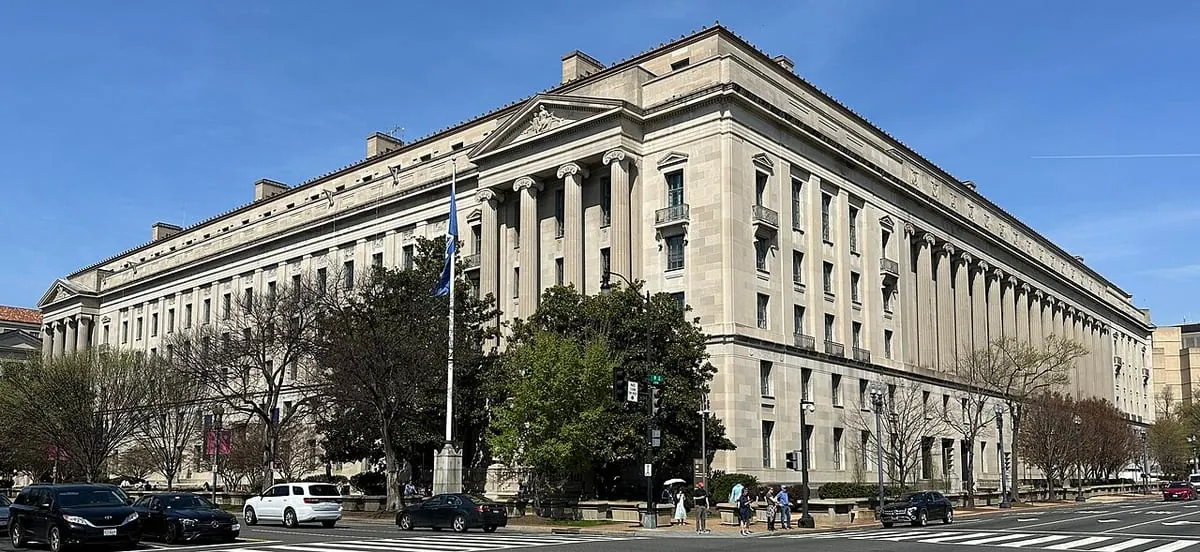
The English High Court’s October 8, 2026 order and reasons concern search warrants in an investigation into alleged misconduct in public office. The warrants were issued in February and executed at Wood Farm and Royal Lodge. The police accepted that the warrants had been obtained under an inappropriate legal route for the material sought.[S18]
The document is about the lawfulness of obtaining and retaining evidence. It is not a decision on the truth of Giuffre’s historical allegations.
What the court did—and did not—decide

The reasons explain that the warrants, searches and seizure were unlawful. They also expressly state that quashing the warrants does not end the investigation or make the whole investigation unlawful. A separate application concerning retention of material remained for determination in the account given by the court.[S18]
Calling that ruling either a conviction or a complete exoneration would replace the actual decision with a different one. The person index therefore describes an investigation and a warrant challenge, not a criminal verdict.
How to keep later coverage accurate
Every update should identify the proceeding, the court, the issue and the date. A ruling on access to evidence cannot be assumed to settle liability in another country, another case or another set of allegations.
For this chapter, the primary reference is claim AC-2026-LON-002321, especially reasons paragraphs 1–6. The article reports what that October 8 record establishes. It does not assert the outcome of any later application that has not been checked.
The public-interest question is not whether a legal development sounds favorable or unfavorable to a public figure. It is what legal question was actually answered. Maintaining that distinction protects the accuracy of the account and keeps different allegations from being merged into one misleading narrative.