A question is not a revelation
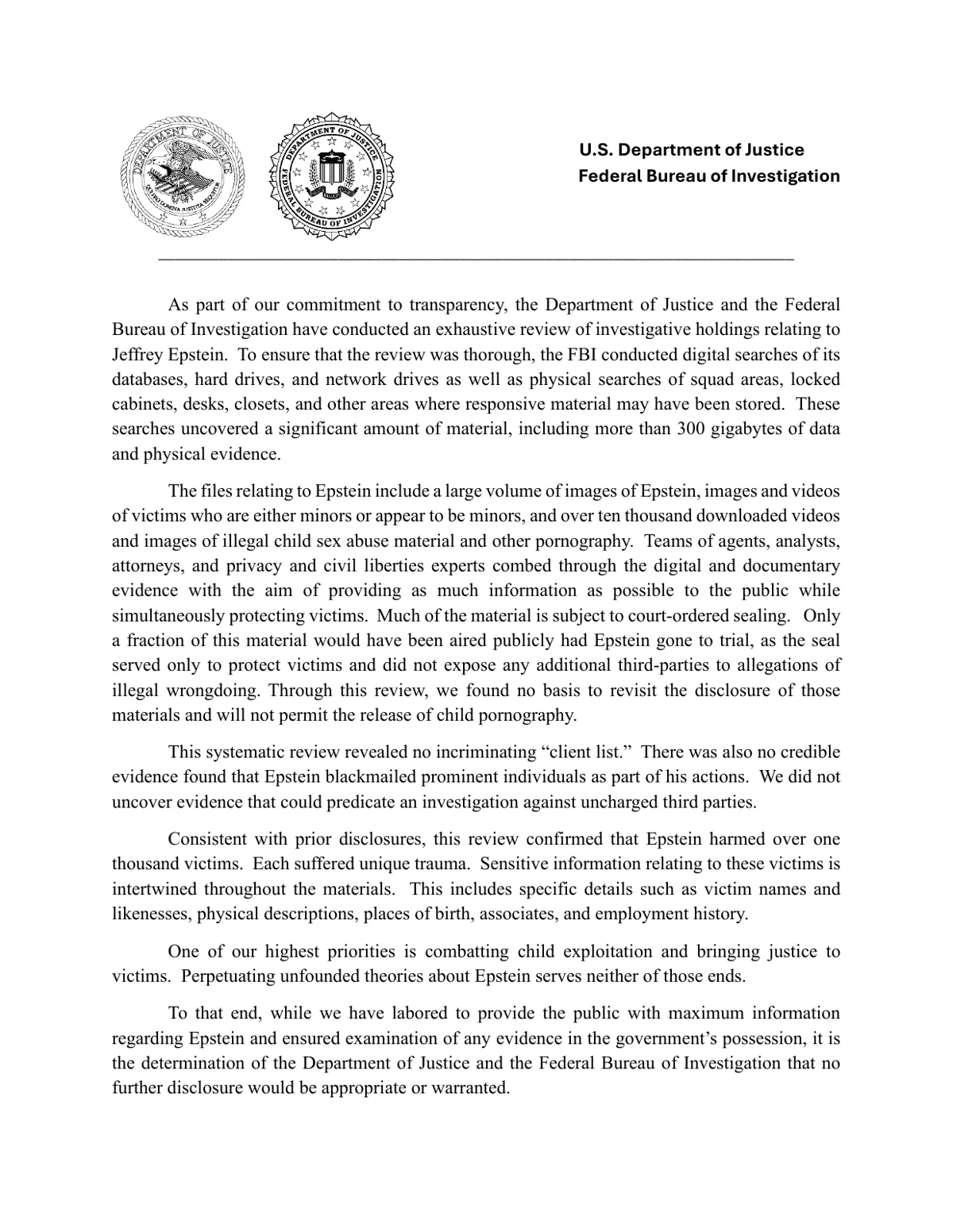
The central editorial test is simple: can the claim be connected to an identifiable document and a defensible reading of it? A gap in a record, a famous name or an unusual photograph is not enough to establish a hidden crime. This edition leaves unsupported claims out rather than upgrading them into “secrets.”
Claims about covert intelligence control, systematic blackmail, hidden facilities or a concealed list of offenders require evidence specific to each claim. No such proposition is presented here as a finding of this dossier.
What the next court records could resolve
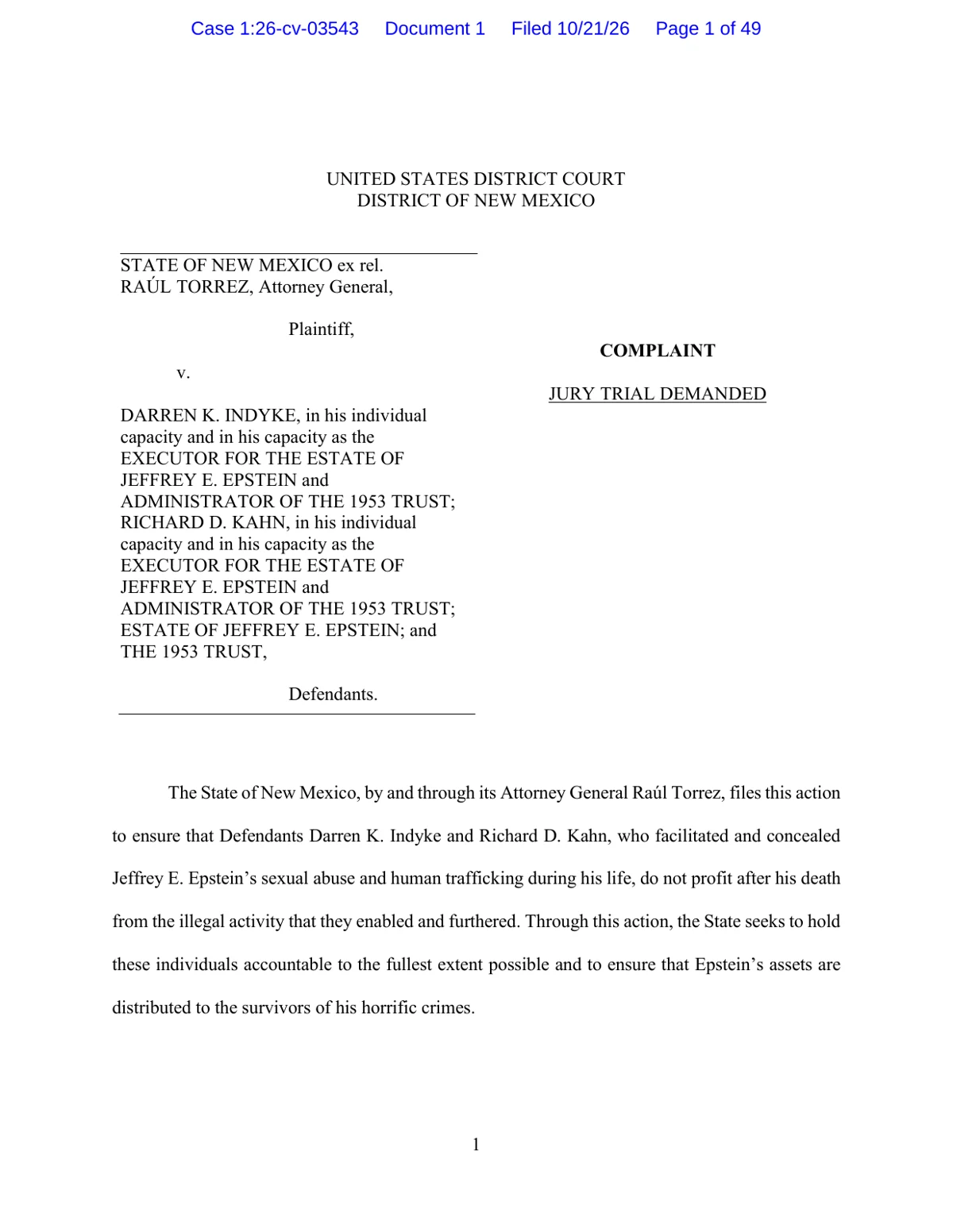
The New Mexico case creates a document-based route for testing allegations about financial facilitation. A later judgment, authenticated exhibit or sworn account could add information. The filing itself does not settle the dispute.[S13]
A useful follow-up should state precisely what changed. Did a court make a finding, permit a claim to continue or merely set a schedule? Those events should not share the same headline.
What a disclosure audit would need
The enacted transparency law and the DOJ’s publication announcement are different records. The first supplies legal requirements, while the second states the agency’s account of its release. Testing completeness would require an inventory, an explanation of exclusions and a comparison against the governing text.[S09][S10]
This package does not perform that full audit. It offers an annotated route into selected original records, with the limits of the review stated. It does not imply that a million-page collection has been verified simply because links to it are available.
A practical verification sequence
Locate the original. Record its publisher, identifier and date. Read enough context to know whether it is an allegation, testimony, a finding or an administrative statement. Look for the relevant response and subsequent disposition. Then write only what that evidence supports.
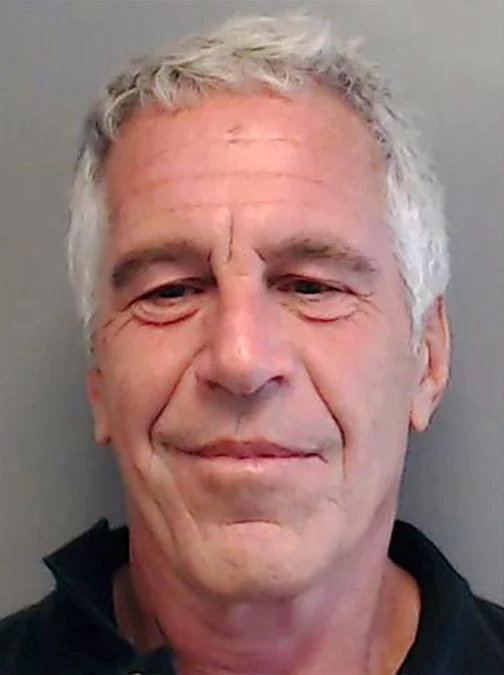
For images, verify the source and caption separately from the surrounding article. Do not use an AI reconstruction as documentary evidence or treat a person’s appearance in a photograph as proof of knowledge or intent.
For a correction, keep the original publication date and explain the substantive change. Replacing a headline without acknowledging that its meaning changed makes the record harder to evaluate.
This is a reporting agenda for further work, not a list of conclusions disguised as questions. A credible dossier should be able to expand when evidence arrives and become narrower when an earlier claim cannot be sustained.