What happened in the Kenneth Card steak complaint
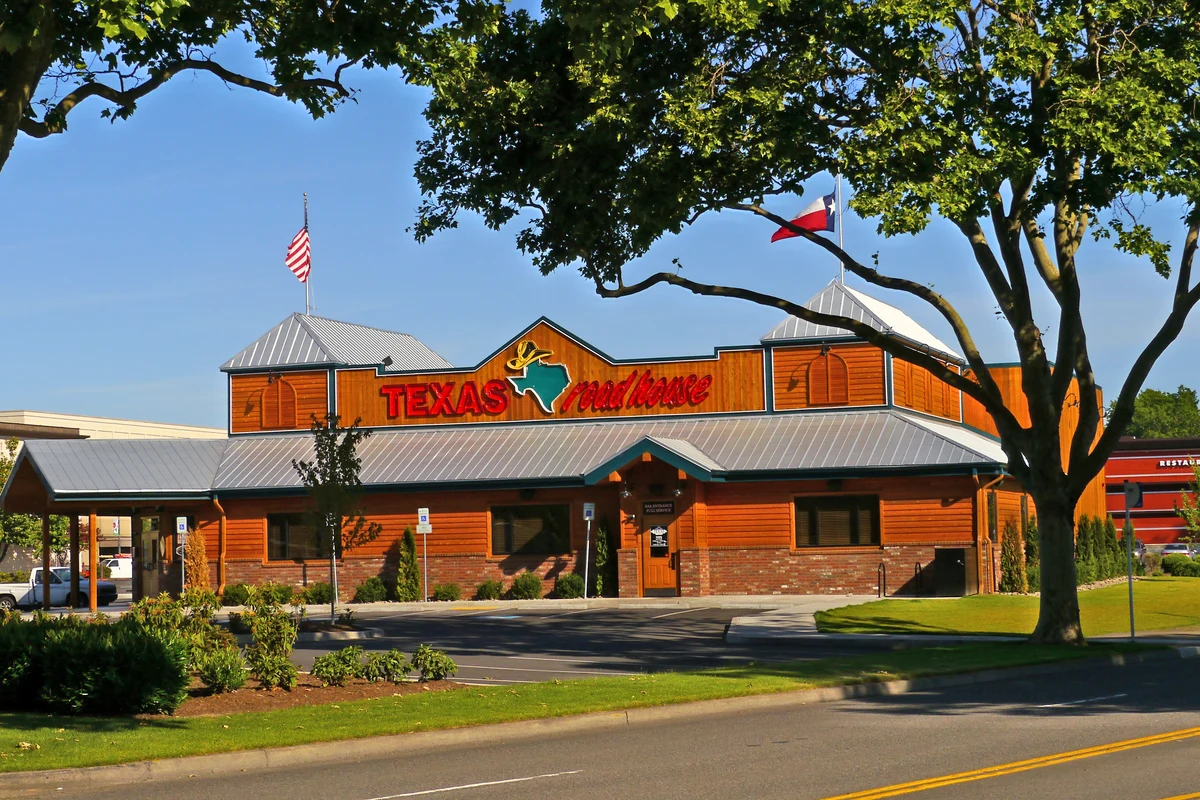
Kenneth Card says a Texas Roadhouse in Forsyth, Illinois, served him sirloin instead of the filet mignon he ordered on three visits. The company says it confirmed one mix-up and corrected it, but could not verify three incidents. That distinction is the central fact behind a complaint now circulating beyond the customer's original social-media post.
Parade reported that Card ordered an eight-ounce Dallas Filet and believed he received an eight-ounce sirloin. Its account says he challenged the first order and received a replacement, did not complain on the second occasion, and asked for a manager on the third. These are Card's descriptions of the visits. They do not establish that employees deliberately substituted meat or that other restaurants followed the same practice.
PEOPLE dated Card's TikTok post to October 5 and reported more than 31,000 views when it covered the story. The publication also obtained the company's response that its team addressed his complaint but could not confirm repeated incidents. A video's view count is a snapshot from that reporting, not a measurement of today's audience or of the number of customers affected.
The restaurant's own location page helps resolve a geographic detail. It labels this branch Decatur but gives its street address as 1155 S. Route 51 in Forsyth, Illinois. Readers encountering both names should therefore not assume that the reports concern two different restaurants. The complaint discussed here concerns this location.
VIRVIB analysis: there are three separate questions to ask about a disputed restaurant order. Was the item served different from the item ordered? Did the restaurant replace it or adjust the charge? And is there evidence that the difference was intentional? An answer to the first question does not automatically answer the other two. Correcting a plate can resolve dinner without resolving a customer's concern about how an error happened.
The same separation applies to repetition. A business's inability to confirm every incident does not prove that a customer invented the additional visits. A customer's recollection does not independently verify them either. Receipts, order tickets and contemporaneous correspondence would help connect each allegation to a particular transaction. This article has not reviewed that material for all three visits. It reports the competing accounts without presenting a wider pattern as an established finding.
Sources: Parade — allegations, order sequence and reported prices ↗ · PEOPLE — video date and company response ↗ · Texas Roadhouse — Decatur/Forsyth location ↗
Filet mignon, sirloin and the reported price difference
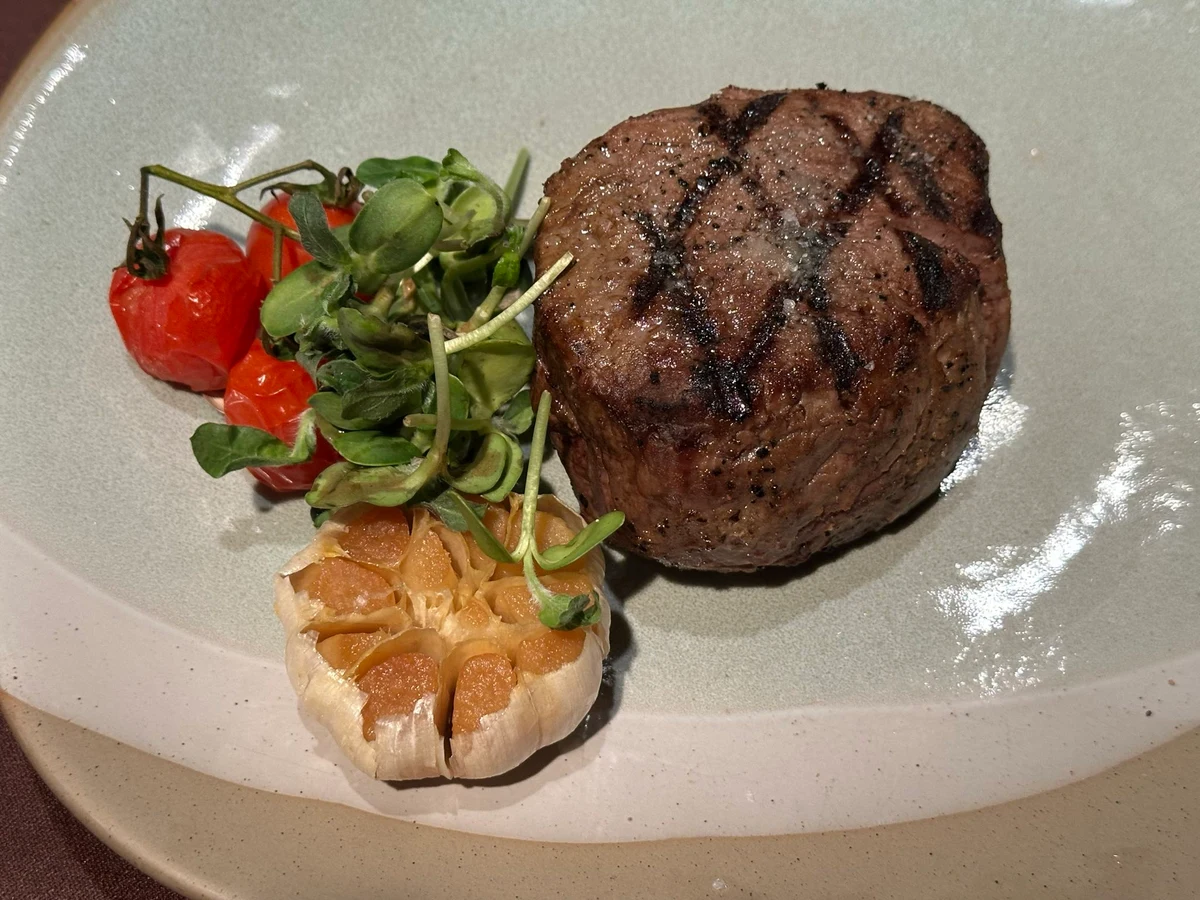
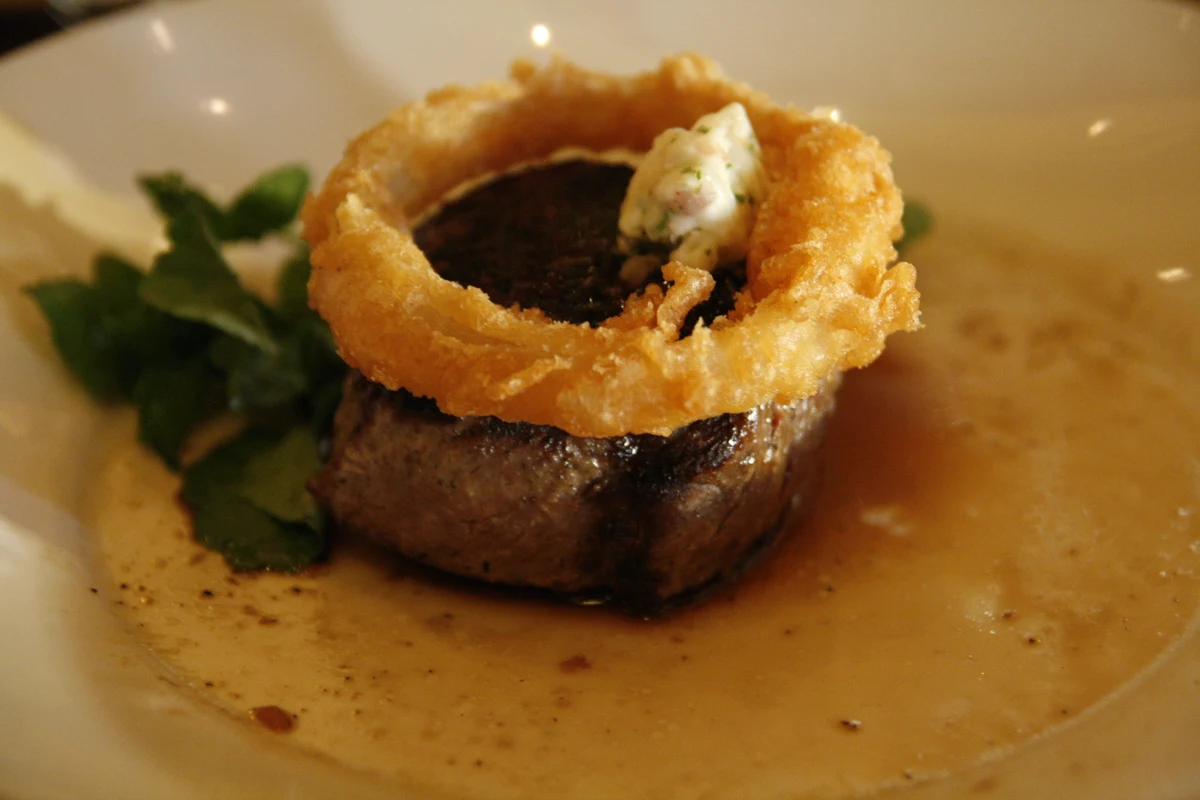
Parade listed the eight-ounce Dallas Filet at $29.99 and the eight-ounce sirloin at $19.49 in its account of the dispute. Subtracting those reported figures gives a $10.50 difference. They are not a promise of the price at every Texas Roadhouse or a calculation of money owed to Card. The reporting does not establish a final bill adjustment for each alleged incident.
Texas Roadhouse's contact-page FAQ says prices vary by location. It directs customers seeking prices to choose their store and begin an online order. That makes the relevant comparison the menu for the particular branch and transaction, rather than a screenshot from another city or a national-looking menu on an unaffiliated website. Taxes, optional additions and the details on a receipt should remain separate from a comparison of listed entrée prices.
The beef industry's Beef. It's What's For Dinner cut guide identifies filet mignon as a steak cut from the tenderloin. It describes that muscle as little exercised and the steak as particularly tender, boneless and fine textured. Its separate guide places top sirloin in the sirloin portion of the animal and lists grilling, skillet cooking and broiling among its uses. These are different cuts, not two names for a single steak.
The guide also explains why suppliers use standardized cut identifiers. Tenderloin steak and top sirloin carry different purchasing specifications. For restaurants, that distinction begins before cooking, in ordering and receiving meat. It is useful background to the customer question, although a general cut guide cannot identify the individual plate in Card's account or reveal what happened in this restaurant's kitchen.
VIRVIB analysis: the consumer issue is order accuracy, not whether sirloin is an acceptable steak. A customer who chooses sirloin may receive exactly what they want. A customer who selects filet has made a different purchase. Comparing the two only by weight overlooks the cut named on the menu. Conversely, calling a meal disappointing is not enough to establish that its cut was wrong. The complaint needs to identify the discrepancy being alleged.
A photograph can preserve what arrived, but it should be treated as part of the record rather than a conclusive inspection. A reader who sees a plated steak online has not checked its packaging, supplier description or kitchen ticket. Asking restaurant staff to inspect a disputed order while the plate is available creates an opportunity to investigate the actual item. That is more informative than treating appearance alone as proof of a company's intent.
Sources: Parade — allegations, order sequence and reported prices ↗ · Texas Roadhouse — customer contact and location-specific pricing ↗ · Beef. It's What's For Dinner — tenderloin steak ↗ · Beef. It's What's For Dinner — top sirloin ↗
How to document a wrong order and assess the next update
Texas Roadhouse provides a customer-contact form on its official website. Customers can use that channel for follow-up rather than assuming a social-media comment will reach the team responsible for a particular restaurant. The company also maintains a separate employee-and-vendor reporting route. Choosing the customer channel keeps an ordinary dining complaint connected to the appropriate process.
VIRVIB practical guidance: start with a specific request at the table. State the menu item and portion you ordered, identify what seems different, and ask a server or manager to check it. A request such as asking the kitchen to confirm the cut gives staff something concrete to investigate. It avoids turning uncertainty about a plate into an accusation about motives before anyone has examined the order.
Keep the receipt and record the location, date, approximate time and item name. If you take a photograph, retain the original rather than adding labels that imply a conclusion the picture cannot establish. Note whether you accepted a replacement, received an adjustment or left with the matter unresolved. Those details help distinguish the original problem from the restaurant's response and make a later follow-up easier to understand.
When describing the experience publicly, separate direct observations from inferences. Saying that you ordered one item, questioned the plate and requested a replacement describes actions. Saying that a business systematically cheats customers alleges something broader and requires evidence beyond a single transaction. The same discipline should apply when a publication writes a headline about someone else's complaint. Attribution should remain visible where the allegation appears.
There is also a difference between attention and corroboration. Several articles can repeat the same customer's account without adding another documented incident. Comments from other diners may offer leads, but each would need its own location, timing and supporting detail before being treated as corroboration of a pattern. A search trend can show interest in a question. It cannot settle the facts behind that question.
For this story, the next useful development would be additional transaction records, a fuller explanation from the restaurant or an update from Card showing how the disputed visits were documented. A larger view count would tell readers about reach. A new record could tell them something about the underlying orders. Until then, the evidence supports reporting a customer's allegation and the company's limited acknowledgment, with the unresolved visits kept separate from the corrected order.
Sources: Texas Roadhouse — customer contact and location-specific pricing ↗
Prepared with AI assistance. Source-based reporting checked on 2026-10-27. This article does not update automatically. Read our editorial standards.