- State
- Colorado
- Office / race
- U.S. Senate
- Party
- Republican
- Reviewed
- October 24, 2026
Career timeline
The Republican challenger

Mark Baisley is on Colorado’s November 2026 ballot for U.S. Senate, challenging Democratic incumbent John Hickenlooper. Boulder County’s official election list also includes four minor-party contenders. Baisley enters the statewide contest from the Colorado Senate, where his work concerns a district with both rural communities and parts of the expanding Front Range, rather than from a previous federal elected position.
An engineering and technology career
Baisley’s campaign describes a career in aerospace engineering involving Martin Marietta, Hughes, Raytheon and NASA’s Jet Propulsion Laboratory. It also says he leads a Colorado software company developing interactive systems-visualization technology. He presents this technical background as preparation for evaluating emerging industries and government systems. These are professional credentials described by his campaign, distinct from his proposals about how federal technology policy should operate.
His present legislative responsibilities
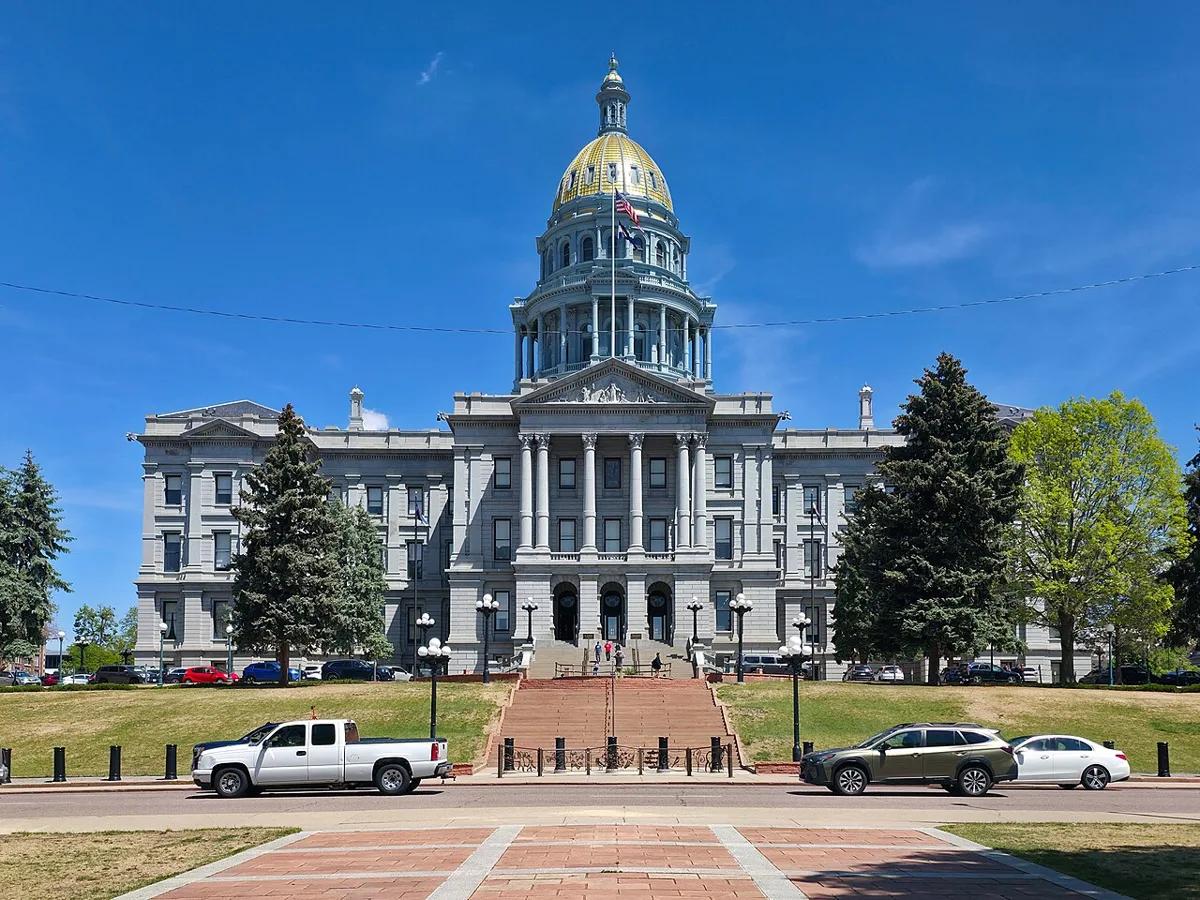
The Colorado General Assembly identifies Baisley as the Republican senator for District 4 and lists his occupation as aerospace engineer. His district includes Chaffee, Custer, Fremont, Lake, Park and Teller counties, plus parts of Douglas and Jefferson counties. His committee assignments cover technology, local government and housing, and transportation and energy, linking his professional background with a broad set of state infrastructure questions.
Technology as a policy specialty
In a Colorado Politics questionnaire, Baisley said he wanted to contribute to Senate discussions about artificial intelligence, semiconductor manufacturing, quantum computing and space exploration. He pointed to his role in the state’s Aerospace and Defense Caucus and described technology development as an area of expertise. That is his account of the contribution he would seek to make, rather than a guarantee of a particular Senate assignment.
The water problem he highlights
Baisley’s questionnaire also emphasized the geography of Colorado’s water supply. He argued that more storage and conveyance infrastructure was needed to move Western Slope water toward the Front Range while supporting farms on the eastern plains. The proposal connects population growth, housing and agriculture. Its costs and feasibility would require separate evaluation; the questionnaire establishes the direction he is advocating in the campaign.
A sharply defined conservative platform
Colorado Newsline reported that Baisley supported a national abortion ban during the October Senate debate and favored a substantially smaller government role in healthcare. He also defended Republican changes to Medicaid. These positions set clear policy differences with Hickenlooper. His campaign therefore combines an engineering-centered professional identity with conservative positions on social policy and the scope of federal programs.
Prepared with AI assistance. Source-based reporting checked on October 24, 2026. This article does not update automatically. Read our editorial standards.