- State
- Maine
- Office / race
- U.S. Senate
- Party
- Republican
- Reviewed
- October 24, 2026
Career timeline
A Maine race with a long history
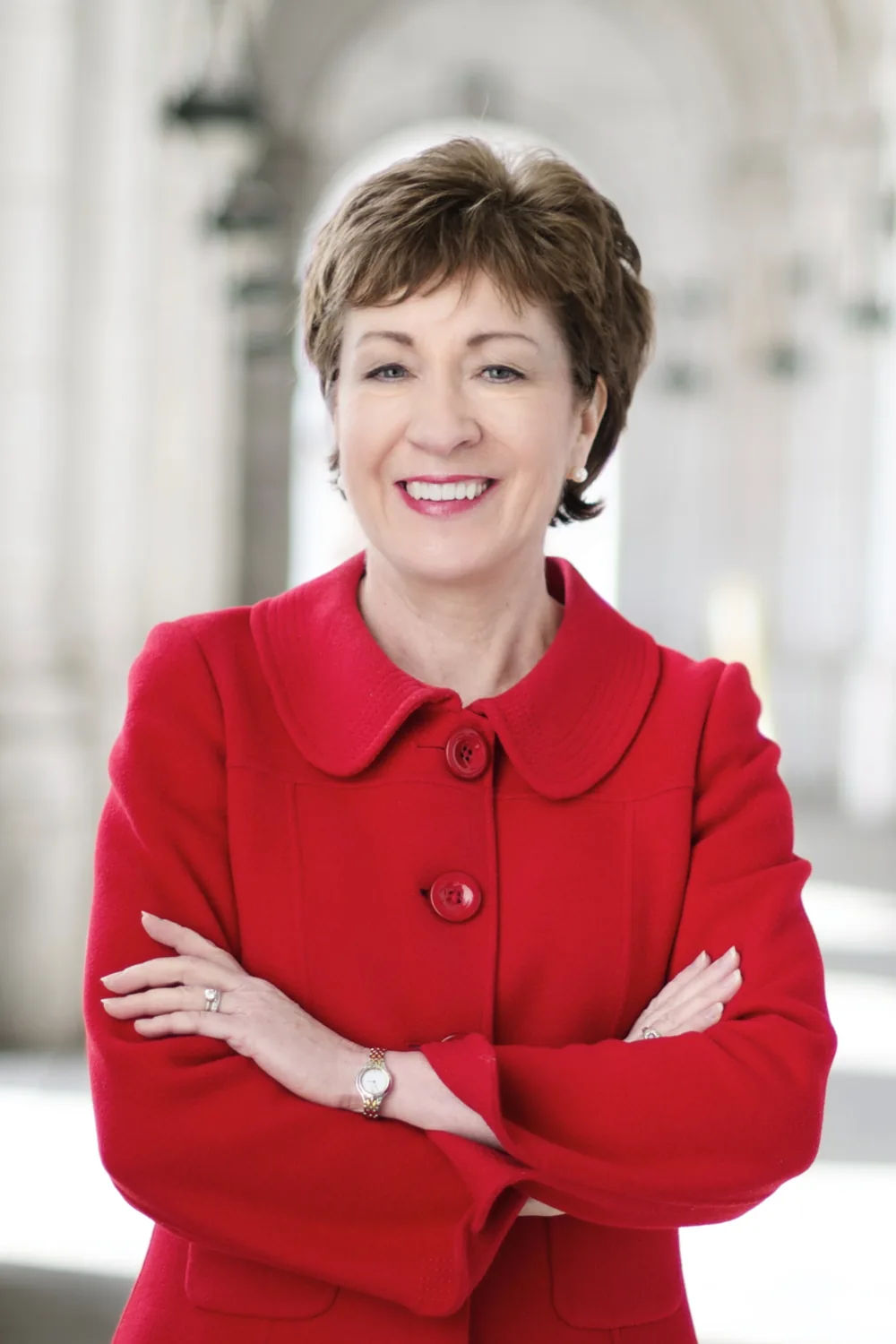
Susan Collins is seeking another U.S. Senate term in Maine against Democrat Troy Jackson. Maine Public covered their final debate in October 2026. Collins approaches the election with a long federal record, while Jackson brings experience in Maine’s legislature. Their contest gives voters a choice between two established public figures with different political backgrounds.
Sources: Maine Public — final Collins–Jackson debate, October 16, 2026 ↗
Growing up in Caribou
Collins was raised in Caribou in Aroostook County. Her official biography describes a family lumber business and parents who both served as the town’s mayor. She graduated from Caribou High School and then St. Lawrence University. Public service was therefore a presence in her early life, but her own career began through staff work rather than immediately seeking elected office.
The years before the Senate

She worked for William Cohen in the House and Senate, then became Maine’s commissioner of professional and financial regulation. Her résumé also includes a regional Small Business Administration post and work at Husson’s family-business center. The congressional historical record notes that she was the Republican nominee for Maine governor in 1994 but lost the general election.
Five election wins before 2026
Collins first won her Senate seat in 1996 and was reelected in 2002, 2008, 2014 and 2020. Those elections built the seniority that now underpins her argument for another term. Her official biography also identifies her husband, Thomas Daffron, and their home in Bangor.
Appropriations and institutional influence

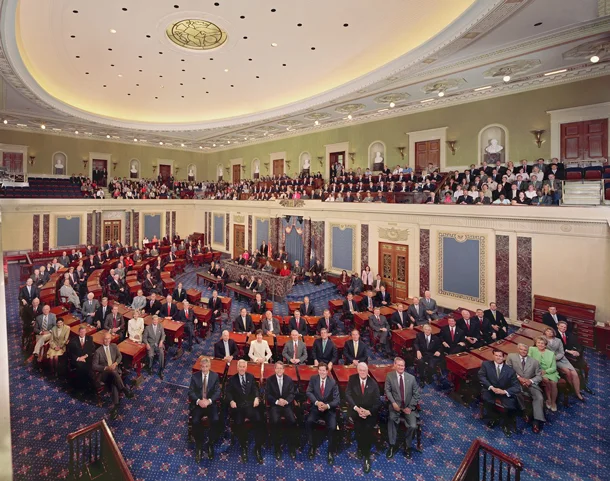
Collins chairs the Senate Appropriations Committee in the 119th Congress. The committee’s biography points to her work in health care, defense and veterans’ affairs. That role concerns the funding of federal government operations, making experience with appropriations a concrete part of her résumé. A chair’s influence still operates through committee votes, negotiations and the broader legislative process.
Sources: U.S. Senate Appropriations Committee — Chair Collins ↗
The argument at the debate
In Maine Public’s account of the October debate, Collins emphasized cooperation across party lines and argued that the Senate needs members willing to work beyond their own party. Jackson challenged her record and offered a different approach. The exchange highlights a question voters can examine through actual decisions: where has compromise produced results, and where has it failed to meet their expectations?
Sources: Maine Public — final Collins–Jackson debate, October 16, 2026 ↗
How to assess the experience
Editorial analysis: seniority gives Collins access to institutional knowledge and negotiating relationships. It also gives voters a large record for which to hold her accountable. Her committee position is a measurable responsibility, not proof that every decision benefits Maine. The useful comparison is between the outcomes she cites, the votes she cast and the priorities voters want addressed next.
Sources: U.S. Senate Appropriations Committee — Chair Collins ↗
Prepared with AI assistance. Source-based reporting checked on October 24, 2026. This article does not update automatically. Read our editorial standards.