- State
- Colorado
- Office / race
- U.S. Senate
- Party
- Democratic
- Reviewed
- October 24, 2026
Career timeline
The incumbent on Colorado’s ballot

John Hickenlooper appears on Colorado’s 2026 general-election ballot for U.S. Senate alongside Republican Mark Baisley and four minor-party candidates. Boulder County’s official election information lists the statewide contest. The race gives voters another opportunity to assess a public career that has moved through municipal government, the governor’s office and the Senate, as well as his present work in Washington.
A geologist becomes a business owner
Hickenlooper began his Colorado career as a geologist. After losing that job during the downturn of the 1980s, he helped open a brewpub in Denver’s Lower Downtown warehouse district. His official biography connects that venture with redevelopment of historic buildings and other small businesses. It was a substantial change of profession, and it became the experience he later emphasized when presenting himself as a practical problem-solver.
Denver and the governor’s office
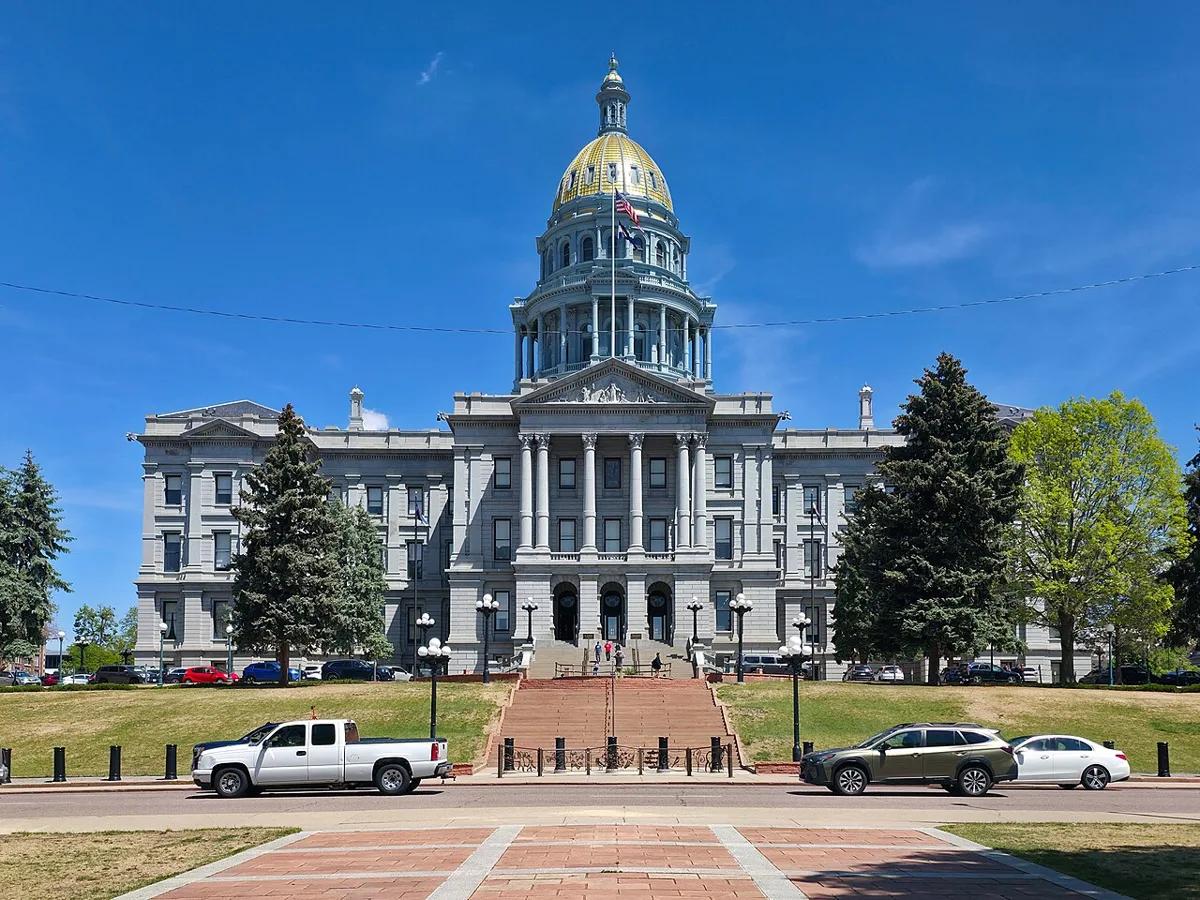
He was elected Denver mayor in 2003 and served as Colorado governor from 2011 to 2019. His official biography emphasizes regional transit, early-childhood education, healthcare expansion and environmental policy. His governorship also coincided with implementation of Colorado’s recreational-marijuana regulatory system. These are separate phases of his record: city management came first, followed by the broader responsibilities of running state government.
A campaign instinct before his first race

Hickenlooper’s campaign biography recalls his involvement in the debate over retaining the Mile High name at Denver’s new football stadium. He presents that effort as an early demonstration that he could organize residents around a shared local concern. The account helps explain his political origin story: a businessman who discovered an appetite for civic campaigning before seeking the mayor’s office.
The path to a second Senate campaign

Colorado Public Radio reports that Hickenlooper won the Senate seat in 2020, defeating Cory Gardner, and overcame state Senator Julie Gonzales in the 2026 Democratic primary. He has described the term he is now seeking as his last. His fall campaign emphasizes checking President Donald Trump’s administration, while Baisley offers voters a conservative state-legislative record and a competing account of Colorado’s economic problems.
Healthcare and executive accountability
At the October 14 debate, Hickenlooper criticized the administration’s tax-and-spending law and argued that tariffs were increasing living costs. Colorado Newsline reported that he supported universal health coverage and highlighted bipartisan price-transparency legislation without directly endorsing a single-payer system. The distinction is significant: his stated goal of broader coverage does not automatically identify one particular financing model as his preferred solution.
Prepared with AI assistance. Source-based reporting checked on October 24, 2026. This article does not update automatically. Read our editorial standards.