Liverpool beat Chelsea on penalties after a 1–1 draw
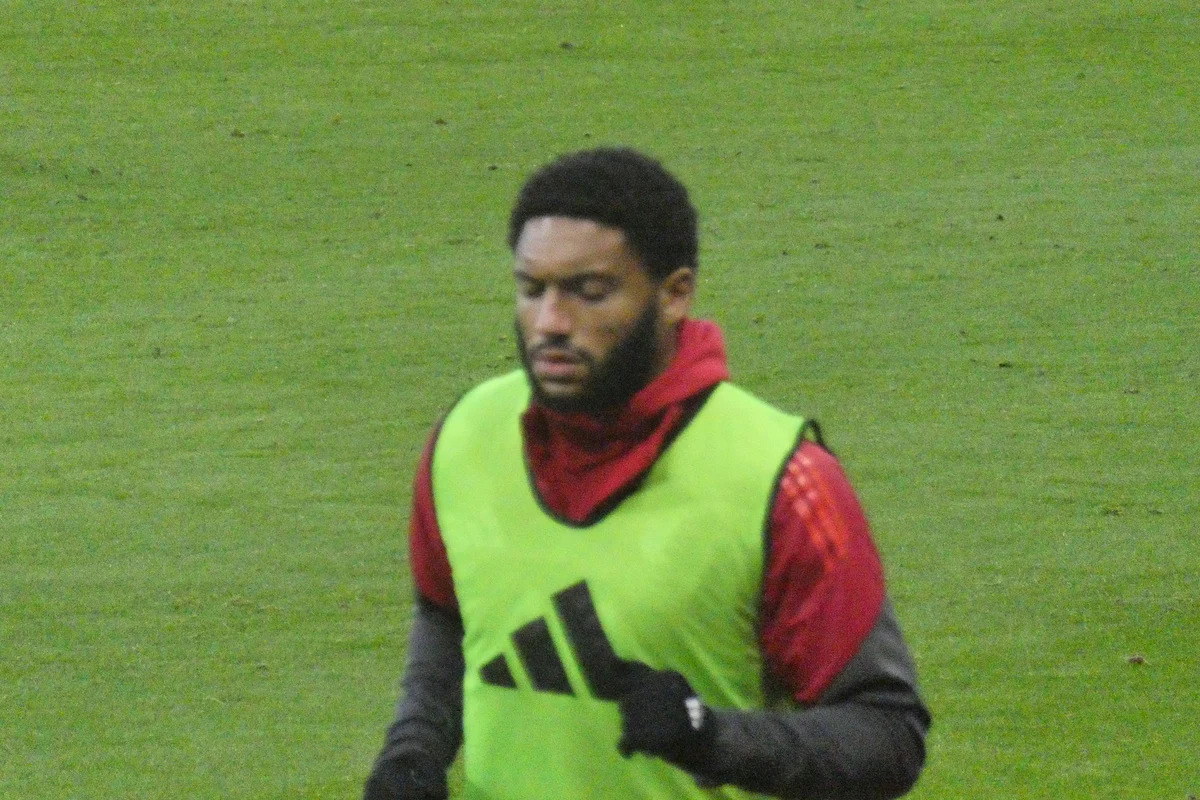
Joe Gomez converted Liverpool’s eighth shootout kick and Wesley Fofana missed Chelsea’s reply as Liverpool advanced to the Carabao Cup quarter-finals at Anfield on October 28, 2026. The shootout finished 6–5 after a 1–1 draw in normal time. Liverpool will host Bournemouth in the next round, creating a meeting between head coach Andoni Iraola and his former club.
The result is confirmed by both clubs’ match reports and independently by Sky Sports. It was a fourth-round knockout tie, so the outcome determined who remained in the competition. Liverpool’s successful finish followed a contest in which neither team managed an open-play goal. Morgan Rogers put Chelsea ahead from the penalty spot in the 40th minute; Cody Gakpo equalized with another penalty in the 43rd.
Liverpool’s official report records seven starting-lineup changes from its previous league game. The retained players were Ronald Araujo, Gakpo, Ryan Gravenberch and Virgil van Dijk. The selection gave the occasion another dimension: progression had to be earned with a rotated side, before substitutes changed the personnel again later in the evening.
Chelsea’s opening goal followed Gravenberch’s challenge on Moises Caicedo. Fofana’s handball then gave Liverpool the opportunity to respond. The interval therefore arrived with the sides level, despite the brief change in momentum produced by Rogers’ conversion. The three-minute gap between the goals is important to the chronology: Chelsea had taken the lead, but had not carried it into the second half.
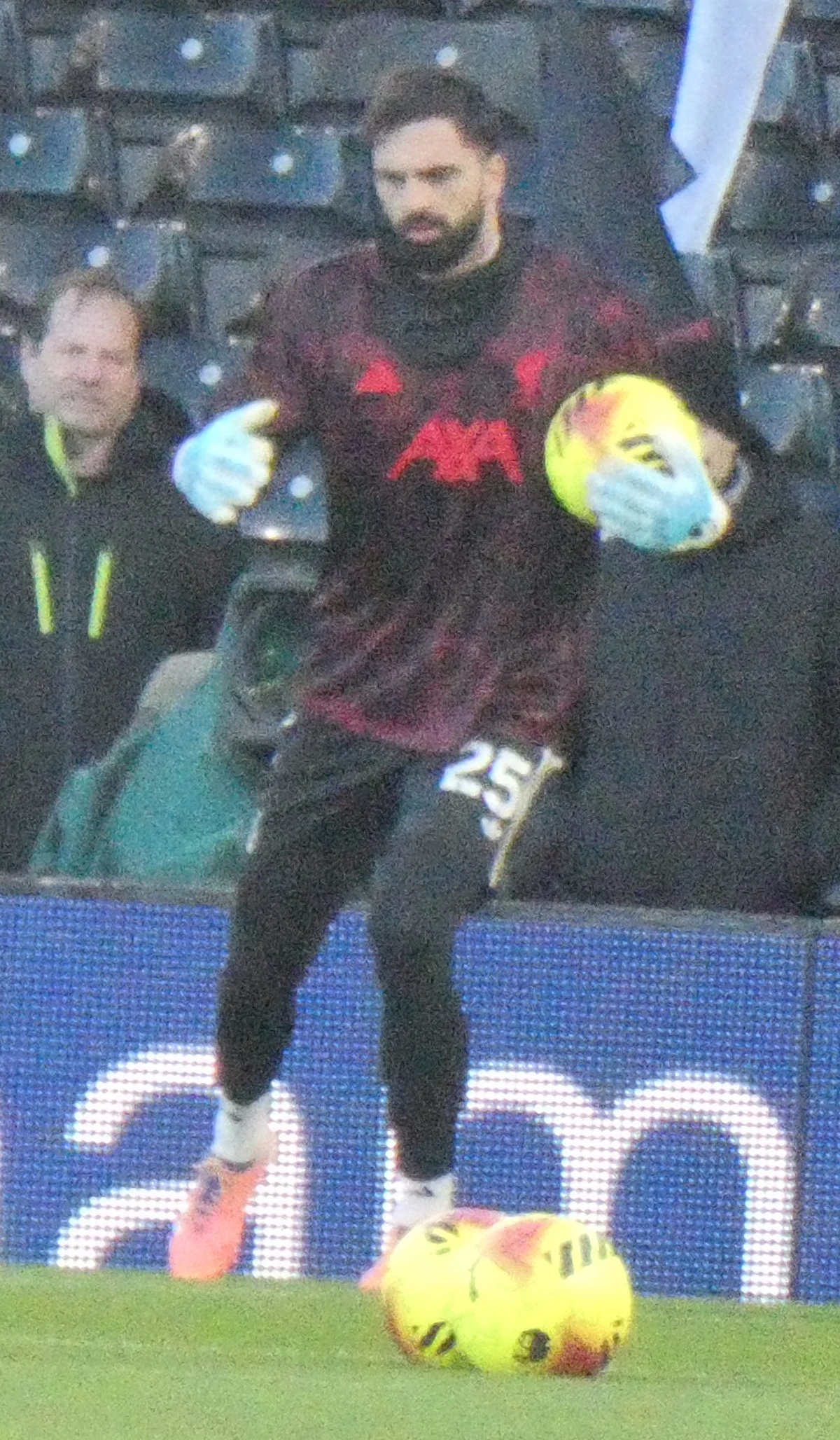
Both goalkeepers had work to do before the shootout. Liverpool’s account describes Mike Penders stopping Araujo’s header and a Bradley Barcola attempt, while Giorgi Mamardashvili denied Marco Palestra late on. These were opportunities to settle the tie during play. Their failure to produce a winner left the two keepers with a different task after the final whistle.
VIRVIB analysis: the 1–1 score and the shootout result answer different questions. The first describes the football played before the tiebreaker; the second identifies the team that progressed. Combining them into a supposed 7–6 match score would obscure how the evening was decided. Liverpool earned another cup fixture through the shootout, while the preceding 90 minutes left the teams inseparable.
Sources: Liverpool FC — official October 28 match report ↗ · Chelsea FC — official match report and complete shootout sequence ↗ · Sky Sports — independent match report ↗
How a 16-kick shootout turned twice before Gomez settled it
Chelsea’s official kick-by-kick record shows Liverpool going first. Alexis Mac Allister, Alexander Isak, Gakpo and Florian Wirtz converted the home team’s opening four attempts. Pedro Neto, Rogers and Romeo Lavia answered Chelsea’s first three. When Valentin Barco hit the post with Chelsea’s fourth, Liverpool had an immediate opportunity to finish the contest.
Kostas Tsimikas could not take that opportunity, sending Liverpool’s fifth attempt over. Jordan Henderson then converted Chelsea’s fifth to make the shootout 4–4. Both sides had completed their initial five kicks, and the tie moved into sudden death. Liverpool had been one successful kick from progressing; instead, the teams were level again.
Barcola and Levi Colwill scored in the sixth round. In the seventh, Penders saved Gravenberch’s attempt, giving Chelsea its own chance to win. Mamardashvili then stopped Emmanuel Emegha. Gomez converted in round eight before Fofana sent the final attempt over, ending the sequence at six successful Liverpool kicks and five for Chelsea.
That sequence is corroborated by Sky Sports and AS USA’s event log. It makes Mamardashvili’s save particularly consequential: Liverpool would have been eliminated if Emegha had converted. Gomez’s next kick restored pressure on Chelsea, but the outcome still depended on Fofana’s reply. The account requires all three events, rather than crediting a single action with a result that was not yet complete.
The IFAB’s Law 10 explains the structure. Teams alternate kicks, normally taking five each unless the contest has already been settled. If they remain level after five, the process continues until one team leads after both have taken the same number. That is why Gomez scoring alone did not end the eighth round: Chelsea still had its corresponding attempt.
Law 10 also places the shootout after the match has ended. For readers seeing Gomez’s conversion described as a goal, that distinction matters. It was a successful shootout penalty, separate from the 1–1 match score. Gakpo and Rogers each scored during normal time and again in the shootout; those were different phases with different purposes.
VIRVIB analysis: both teams had a chance to end the shootout before the final pair of kicks. Liverpool’s missed fifth and Chelsea’s saved seventh explain its changing direction without requiring speculation about a player’s confidence or private thoughts. What can be established is the order of the opportunities, who converted them and which goalkeeper intervention kept Liverpool alive.
Sources: Chelsea FC — official match report and complete shootout sequence ↗ · Sky Sports — independent match report ↗ · AS USA — independent match event log ↗ · IFAB — Law 10, penalties and match outcome ↗
Bournemouth next: rotation, reunion and the December fixture window
The next opponent was confirmed after Liverpool survived Chelsea. The club’s draw announcement says Bournemouth will visit Anfield, with quarter-final ties scheduled for the week beginning December 14. Liverpool said a confirmed fixture date and ticket details would follow. The window should therefore be distinguished from a settled kickoff: the announcement establishes the week, not an exact match time.
The EFL’s published draw information also identifies that December week as the quarter-final window. For supporters planning around the tie, the useful immediate facts are the opponent, venue and scheduling window. A final date, broadcast arrangement or ticket-sale claim should come from a subsequent official notice rather than being inferred from when a previous round took place.
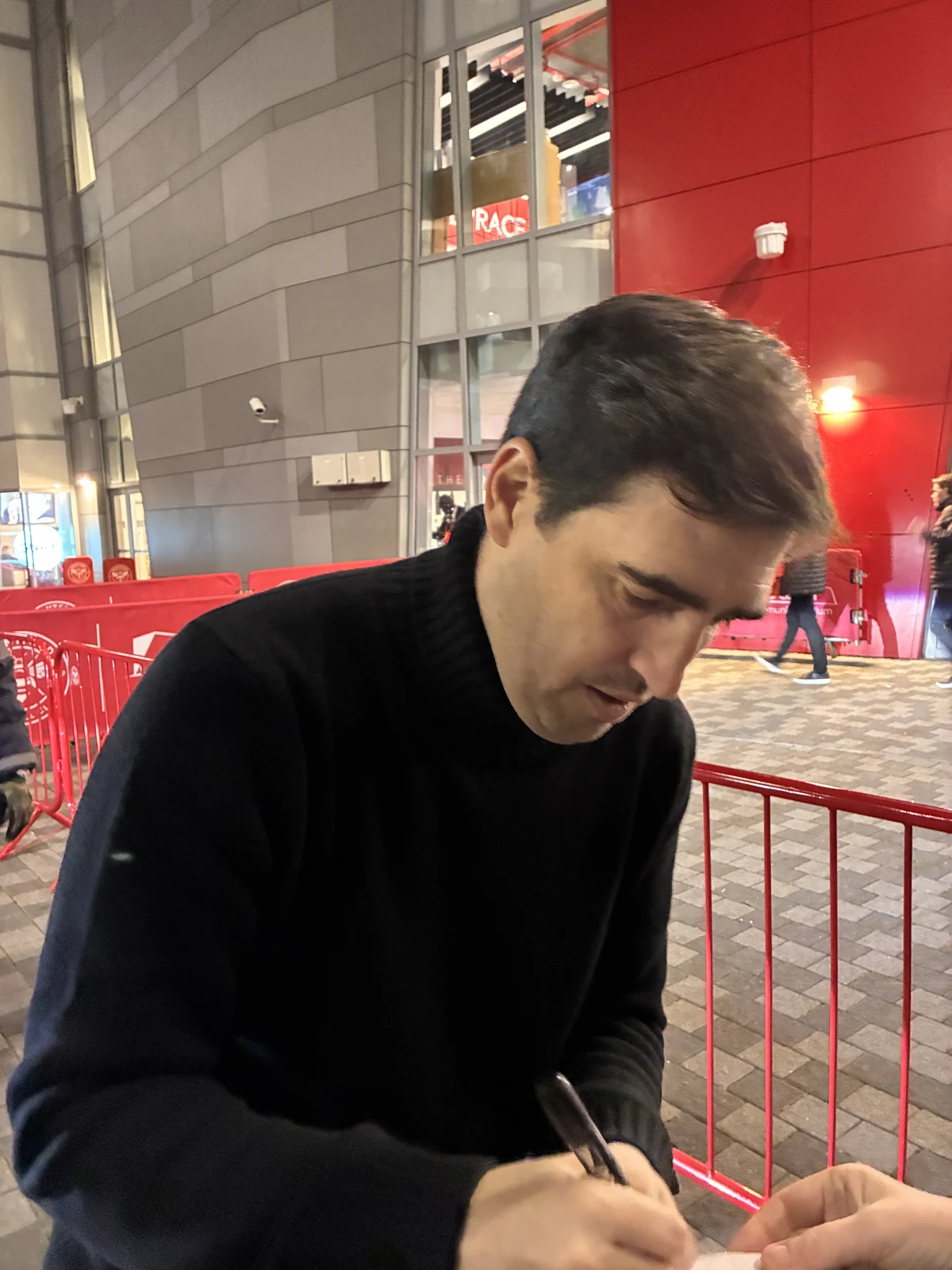
Iraola addressed the Bournemouth pairing in Liverpool’s post-match press conference. He called the reunion special, noted that his former side knows him well and said Liverpool would still have to earn a semi-final place. The emotional connection is documented in his own remarks; it is not evidence that either team has a tactical advantage before the fixture has been played.
His explanation of the Chelsea selection was more practical. Iraola said changes were needed to balance the team and that he had not built the starting lineup solely around a possible shootout. He acknowledged that potential penalty-taking became a consideration with the late introductions of Mac Allister and Isak. Both subsequently converted, but their successful kicks do not turn every earlier substitution into a predetermined penalty plan.
The coach also praised Trey Nyoni’s performance and the experience young players gained from a knockout match. His comments emphasized playing under pressure against strong opposition and living through the possibility of elimination. That is a narrower, better-supported conclusion than treating one cup night as proof of a completed development process.
VIRVIB analysis: Liverpool leaves this round with two connected achievements: survival in a close tie and another opportunity to rotate, compete and develop within the competition. The Bournemouth draw gives that opportunity a personal storyline for Iraola, but it also resets the sporting question. Chelsea’s elimination is final; Liverpool’s prospects in December remain open.
For now, the evidence establishes a 1–1 draw, a 6–5 shootout victory and a home quarter-final against Bournemouth. The next concrete update to watch is the official fixture confirmation. Until then, the December 14 week is the reliable planning reference, and Gomez’s conversion belongs to the shootout that made that next round possible.
Sources: Liverpool FC — Bournemouth quarter-final announcement ↗ · EFL — official quarter-final draw details and scheduling window ↗ · Liverpool FC — Iraola’s post-match press conference transcript ↗
Why this story is in the editionLiverpool vs Chelsea appeared in Google Trends Trending Now for the United States, past 24 hours, checked October 29, 2026. Editorial selection, not a claim of national rank or exact search volume.
Prepared with AI assistance. Source-based reporting checked on 2026-10-29. This article does not update automatically. Read our editorial standards.