June Jones dies at 73, leaving Hawaii a different program
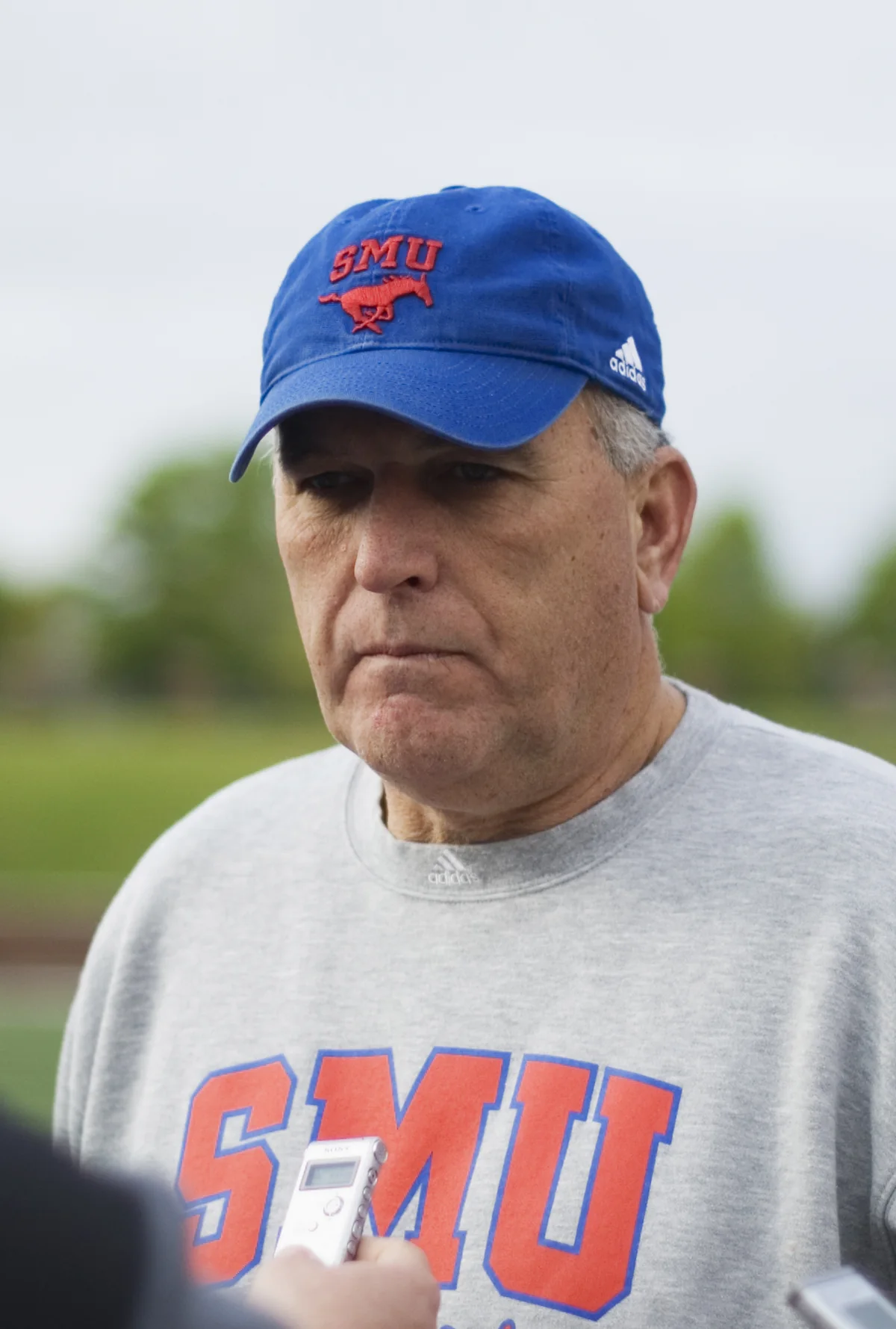
June Jones, the former Hawaii, SMU and Atlanta Falcons coach whose passing offenses helped reshape the programs he led, died on October 29, 2026, in Oregon. He was 73. The University of Hawaii confirmed his death in its official remembrance, and the Associated Press reported it independently. Hawaii’s statement did not give a cause of death. The announcement closes a career whose best-known achievement was making a previously winless college team believe it could compete on a much larger stage.
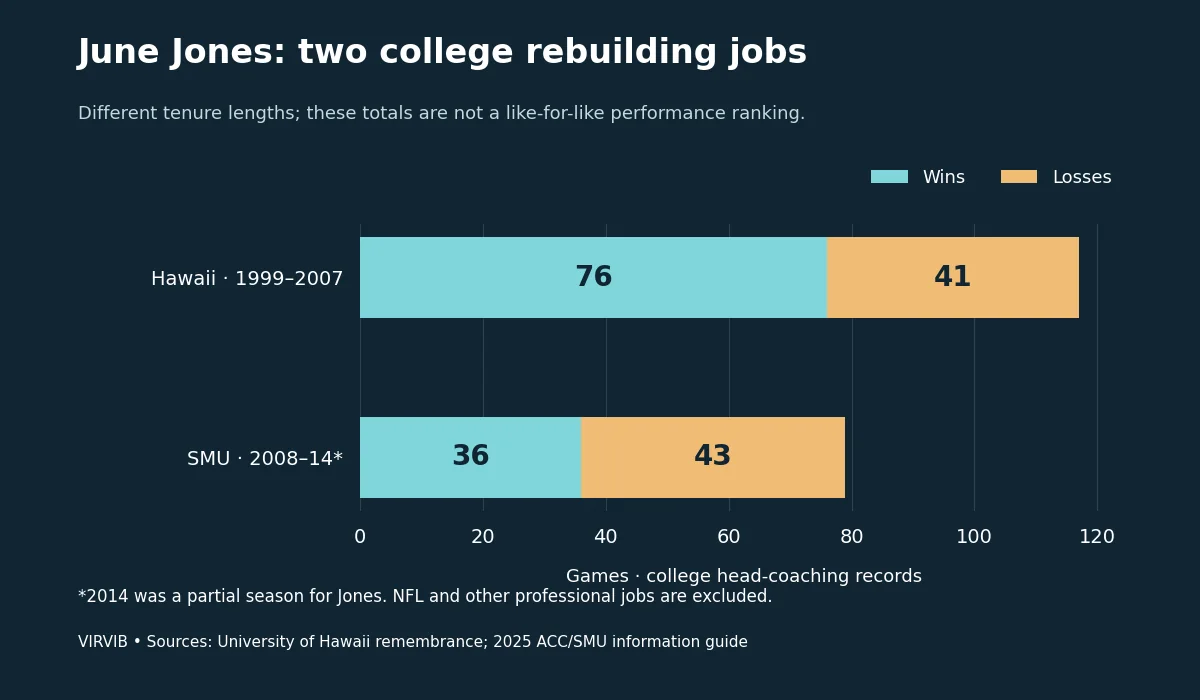
Jones took over Hawaii in 1999 after the program had finished the previous season 0-12. His first team went 9-4 and won the Oahu Bowl. Over nine seasons, he compiled a 76-41 record, earning recognition as the school’s winningest coach in the modern era. Those numbers describe a sustained change rather than one isolated good autumn: the program reached six bowls under him and won four of them.
The most visible breakthrough came in 2007. Hawaii finished its regular season 12-0, won the Western Athletic Conference outright and earned a Sugar Bowl berth. That was an undefeated regular season, not an undefeated final season. AP’s account records the subsequent 41-10 loss to Georgia. Keeping both parts of that history matters. Reaching that game changed the program’s national standing, while the result showed the difficulty of the opposition it had reached.
The response to Jones’ death extended beyond football administrators. In an October 29 statement, Hawaii Governor Josh Green emphasized the advice and support Jones offered to players, businesses and people working in other fields. Green’s tribute presents a public figure whose relationships outlasted his time directing the team. It is an attributed remembrance from someone who knew him, rather than a claim that every member of the community experienced his career in the same way.
VIRVIB analysis: the 1999 turnaround and the 2007 breakthrough explain why Jones remained so closely identified with Hawaii after coaching elsewhere. One rescued a team from an immediately disastrous starting point; the other expanded what the program could plausibly aspire to achieve. The lasting significance lies in that progression, alongside the players and coaches who carried his ideas into later careers. The university said memorial information would be announced in the coming days; its reviewed notice did not publish a service date.
Sources: University of Hawaii — October 29 death confirmation and tributes ↗ · Associated Press via NFL — independent obituary, October 29 ↗ · Hawaii Governor — October 29 remembrance ↗ · Hawaii — Jones’ 2024 Circle of Honor career record ↗
The quarterback behind the run-and-shoot
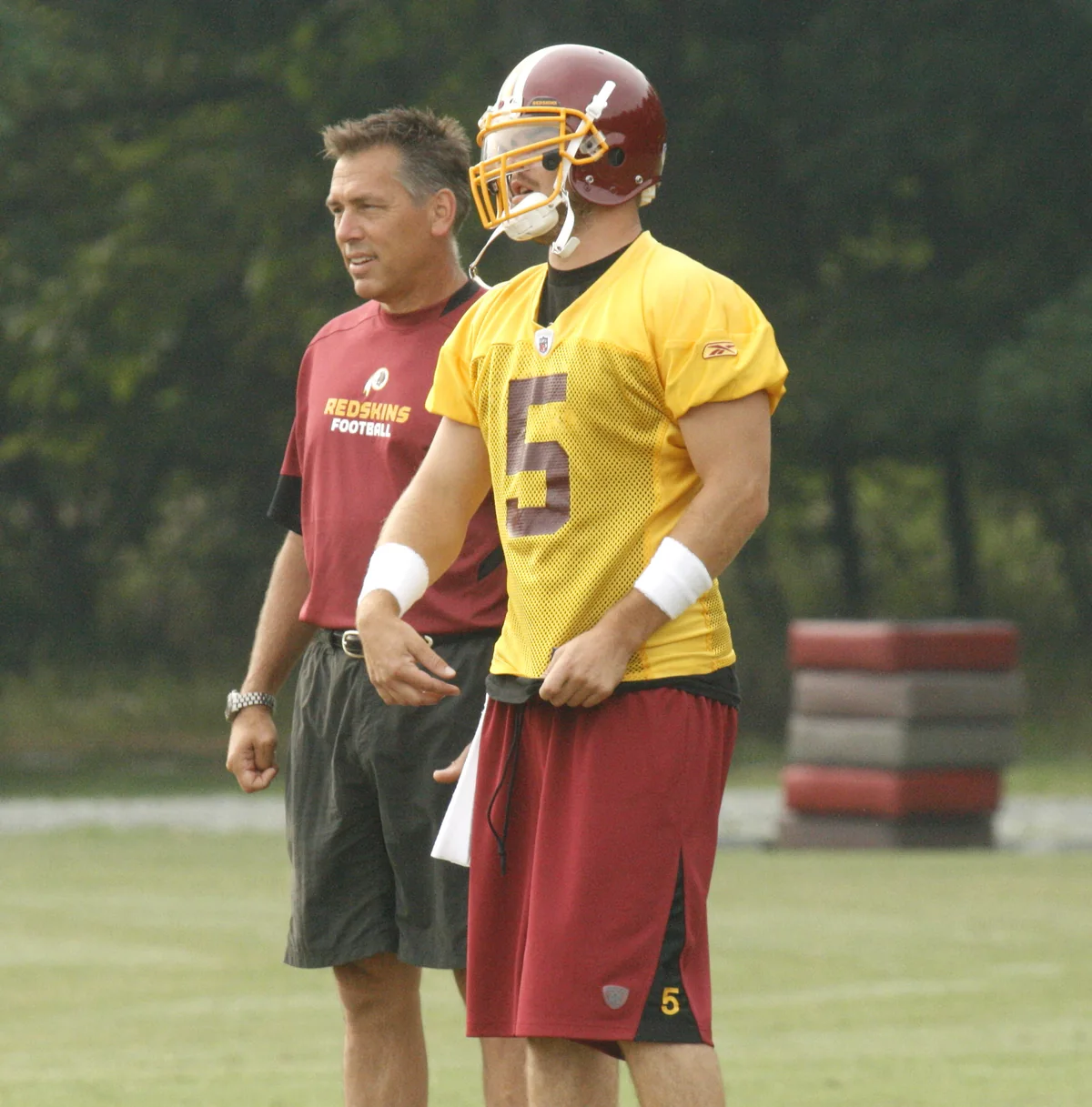
Jones’ football education began before he became a head coach, and it crossed more than one campus. Hawaii’s remembrance dates his arrival in Manoa as a transfer quarterback from Oregon to 1973. At Portland State, he later played for Mouse Davis, the coach central to the run-and-shoot system that would become associated with Jones. The relationship was more direct than a coach borrowing a fashionable scheme: Jones had been the quarterback asked to make it work.
Portland State’s own obituary identifies him as a record-breaking passer on teams that finished 8-3 in both 1975 and 1976, the program’s first eight-win seasons. He threw for 5,798 yards and 41 touchdowns over his two years there. In 1976, he became a first-team American Football Coaches Association All-American. The school inducted him into its Hall of Fame in 1998. Those are historical achievements from his playing career, distinct from the wins he later accumulated as a coach.
The system required decisions as well as throws. AP describes an offense using four receivers who could adjust their routes while a play developed. That made the quarterback’s reading of the defense and the receivers’ responses part of the same problem. It helps explain why Jones’ legacy is so often discussed through the quarterbacks who played for him, rather than through a formation diagram alone. A passing concept is only useful when the players share the interpretation that allows it to function.
At Hawaii, Timmy Chang and Colt Brennan became the clearest examples of that relationship between scheme and player. Chang set the NCAA career passing-yardage record at the time, a record later broken. Brennan became a Heisman Trophy finalist in 2007. Hawaii identifies both as central figures in the era Jones helped create. Their achievements belong to the players as well as the coach; describing Jones’ influence should not reduce them to interchangeable products of an offense.
The continuity remained visible after Jones left the sideline. Chang became Hawaii’s head coach in 2022. In the university’s remembrance, he described Jones as a mentor who continued supporting him as he moved into coaching. That testimony provides a more specific account of influence than a general assertion that a famous coach inspired everyone. It connects a former player’s opportunity to a later responsibility for the same program, with the relationship continuing across that transition.
Sources: University of Hawaii — October 29 death confirmation and tributes ↗ · Associated Press via NFL — independent obituary, October 29 ↗ · Portland State — playing career and Hall of Fame record ↗ · Hawaii — Jones’ 2024 Circle of Honor career record ↗ · Hawaii — January 22, 2022 Timmy Chang appointment ↗
Atlanta, SMU and a legacy larger than one winning season
Jones’ NFL head-coaching record supplies a different part of the story. Atlanta’s official coaching-history table lists his Falcons tenure as 1994 through 1996, with a 19-29 regular-season record and a 0-1 playoff record. The playoff appearance belongs to that tenure, but it should not be added to the regular-season record without changing the definition of the total. The figures also keep an obituary from turning a complicated professional career into an uninterrupted sequence of successes.
AP’s account traces his progression through assistant-coaching work and his connection with Jerry Glanville before he became Atlanta’s head coach. It also records a later interim head-coaching spell with the San Diego Chargers. These were different assignments from his long college tenures. They placed the same offensive philosophy in organizations with different personnel, competitive conditions and expectations, rather than establishing that a single system could deliver the same outcome everywhere.
At SMU, the enduring milestone was a return to postseason football. The school’s October 29 tribute credits Jones with taking the Mustangs to their first bowl appearance in 25 years and to four consecutive bowls. Its historical bowl table records a 45-10 win over Nevada on December 24, 2009, after no bowl appearance since the 1984 season. For a program measuring progress against a long absence, reaching and winning that game had a meaning different from adding one more trophy to an established contender’s collection.
SMU’s historical coaching record in the ACC information guide lists Jones at 36-43 from 2008 through 2014. Combined with his Hawaii record, that produces 112 college head-coaching victories across those two jobs. The accompanying chart keeps the schools separate and includes losses, with their different tenure lengths identified. It does not combine professional and college results or present the longer Hawaii stay as a like-for-like test of coaching quality against the shorter SMU assignment.
VIRVIB analysis: Jones’ record is strongest when its different chapters remain visible. There was a successful college quarterback learning a demanding passing game, an NFL coach whose results included substantial difficulty, and a college coach who restored postseason possibilities at two schools. The tributes now arriving explain the relationships behind that record. The documented seasons explain why the relationships became consequential. Remembering both gives a fuller account of his contribution than either a list of wins or an unqualified label of offensive genius.
Sources: Associated Press via NFL — independent obituary, October 29 ↗ · SMU — official October 29 remembrance ↗ · Atlanta Falcons — official historical coaching record ↗ · SMU — official bowl-history table ↗ · ACC — 2025 information guide, SMU historical coaching record ↗
Why this story is in the editionGoogle Trends U.S. Trending view checked October 30 included “june jones” and related Hawaii coaching queries. This is a verified obituary and career account, not a claim about a national search rank, exact search volume or death occurring today.
Prepared with AI assistance. Source-based reporting checked on 2026-10-30. This article does not update automatically. Read our editorial standards.