What the $8 billion figure actually measures
U.S. financial institutions reported more than $8 billion in suspicious foreign-agent-directed payments between 2021 and 2025, according to an alert issued by the Financial Crimes Enforcement Network on October 30, 2026. The payments involved U.S.-based money services businesses and cross-border arrangements. The figure describes activity identified through financial reporting; it is not an announcement that officials seized $8 billion or proved that every reported payment was criminal.
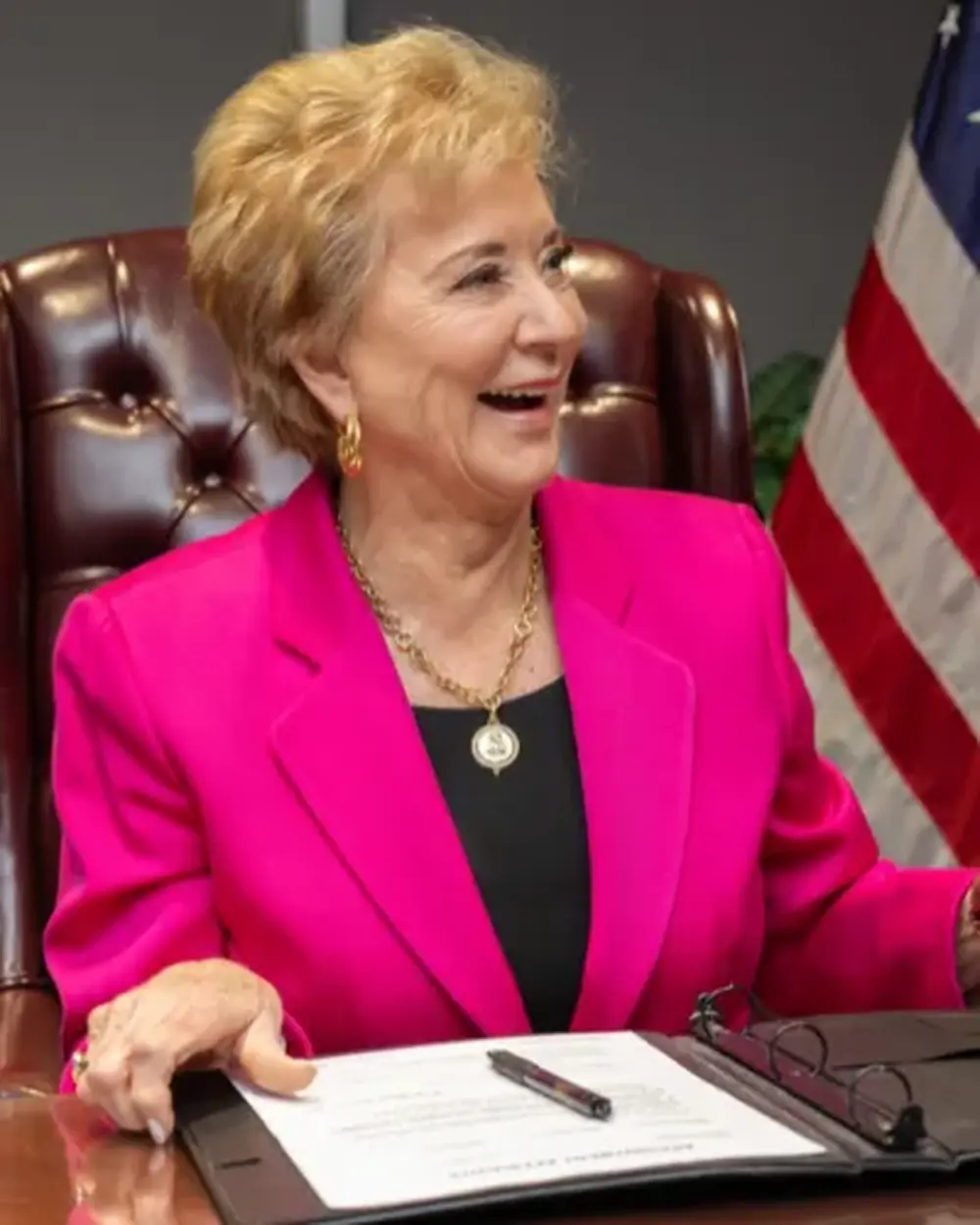
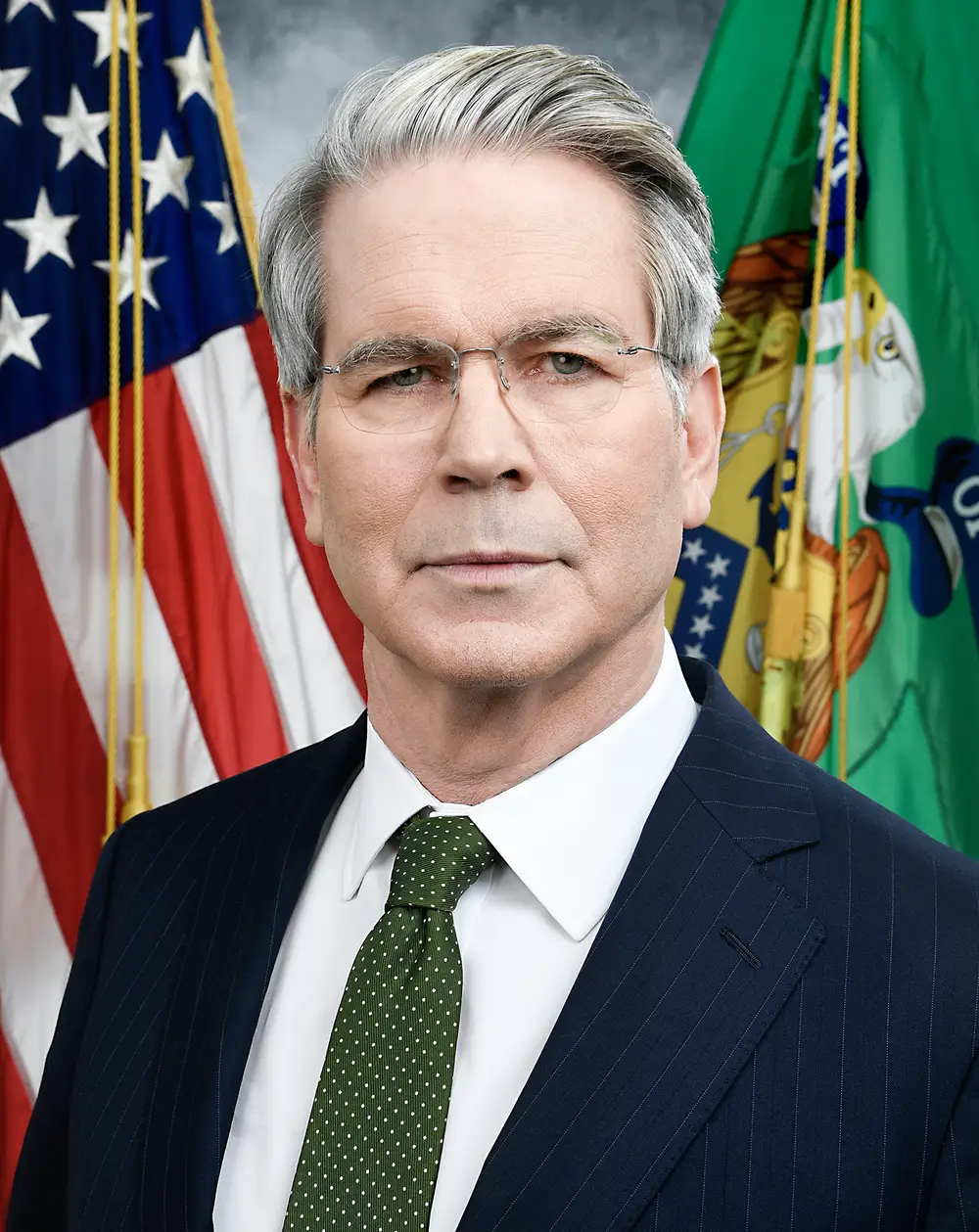
The alert was released alongside a separate notice about the exploitation of charities and nonprofit organizations. Treasury Secretary Scott Bessent announced the measures during a visit to St. Cloud, Minnesota, with other senior U.S. officials. Treasury placed them within its wider fraud-prevention effort. But the location of that announcement does not turn the alert’s broader payments total into a finding that Minnesota alone lost that amount.
Fox News independently reported the new alert and obtained a statement from Bessent about the administration’s fraud work. The original FinCEN document supplies the essential qualification for reading the headline number: Bank Secrecy Act reporting provides leads, and suspicious-activity reporting is not itself proof of illegal conduct. That distinction remains necessary even when the reported value is very large.
The document explains several limitations. Reports can include attempted transactions as well as completed ones, transfers moving in both directions, movements between accounts, and legitimate activity associated with a subject of concern. Reporting can also describe continuing activity or amend earlier information. Consequently, the amounts in a report may cover more than the particular transaction that prompted suspicion. The public total should not be treated as a court-certified calculation of stolen money or the definitive size of a criminal network.
The five-year period matters too. These are payments reported for 2021 through 2025, not transactions that all occurred on the announcement date. FinCEN’s release does not provide an annual breakdown allowing readers to calculate a reliable year-by-year trend from the headline alone. It also does not identify every participant or publish transaction-level evidence that would allow an outside reader to determine which individual payments were unlawful.
Money services businesses, often shortened to MSBs, play a legitimate role in international transfers. FinCEN’s alert specifically recognizes their importance to underserved customers and says institutions should assess customers individually. It does not classify every MSB as uniformly high risk. A warning about weaknesses that criminals might exploit is different from an allegation against an entire line of business or against people sending lawful remittances.
VIRVIB analysis: the useful new information is both the reported scale and the mechanism FinCEN wants institutions to examine. Calling the entire sum proven fraud would erase the agency’s own methodological warning. Dismissing the alert because the transactions have not all been adjudicated would overlook its purpose as financial intelligence. The document asks institutions to improve detection and reporting so that suspicious patterns can be investigated.
Sources: FinCEN — original October 30 foreign-agent-directed transactions alert ↗ · Treasury — October 30 announcement in St. Cloud ↗ · FinCEN — announcement linking both original documents ↗ · Fox News — independent October 30 report and Bessent statement ↗
How foreign-agent-directed payments work
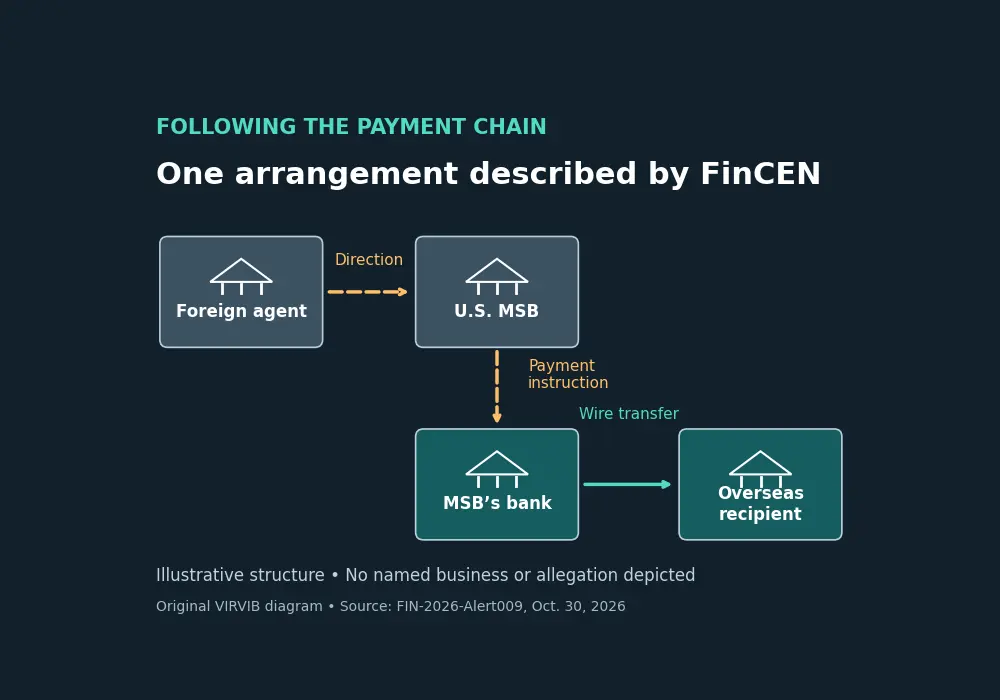
In this alert, a foreign agent is a separate business authorized by a principal money services business to offer transfer services. The term describes a commercial relationship; it is not, by itself, a finding that the entity is an intelligence operative or working for a foreign government. That definition helps prevent an otherwise technical description from becoming an unsupported accusation.
FinCEN focuses on arrangements in which a foreign agent instructs a U.S. principal MSB to pay a third party abroad. The U.S. business may use its bank account to carry out the transfer. That structure creates several points at which information can become incomplete: the MSB, its bank and the overseas parties may not have the same understanding of the recipient, the underlying obligation or the purpose of the payment.
The alert describes reported patterns that warrant closer review. These include beneficiaries without an apparent commercial relationship to the principal MSB, transaction volumes or timing inconsistent with the stated business, limited supporting documents and funds moving abroad shortly after arriving. Such observations are indicators for examination, not a universal formula proving that a transfer is illegal. The surrounding business explanation and available records remain relevant.
The practical concern is visibility. A bank seeing a wire from its MSB customer may know little about the overseas entity whose instructions ultimately caused that wire. FinCEN describes situations in which foreign agents appeared to use the principal’s accounts as though they were their own. Its alert reiterates existing anti-money-laundering responsibilities and asks institutions to use the reference term FIN2026FOREIGNAGENT when reporting relevant suspicious activity. It is an alert to financial institutions, not a public announcement that all cross-border transfers are prohibited.
Sources: FinCEN — original October 30 foreign-agent-directed transactions alert ↗
What the separate nonprofit notice adds
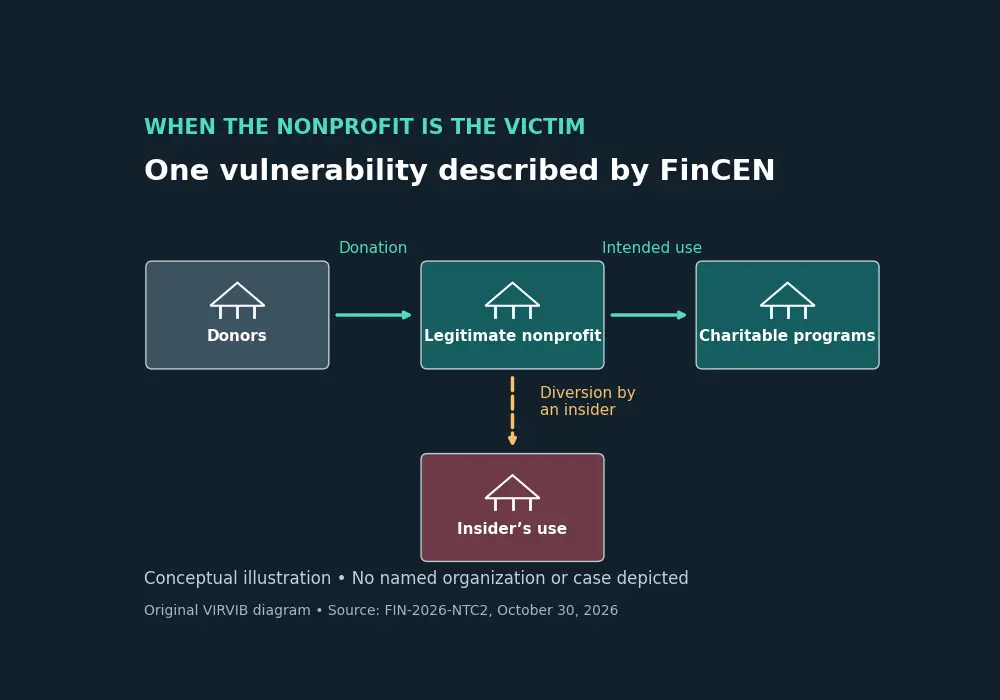
The separate nonprofit notice addresses a different set of vulnerabilities. It distinguishes sham charities serving an illicit purpose, fraudulent organizations or schemes used to enrich their operators, and embezzlement from otherwise legitimate nonprofits. In the third category, the nonprofit itself can be a victim, with most employees and donors unaware of the insider’s theft. Those differences matter when describing who is alleged to have done something wrong.
FinCEN also says the vast majority of U.S.-based nonprofits present low risk of terrorist financing and other illicit activity. Its notice does not characterize the whole sector as unacceptably risky. Institutions are asked to consider the full circumstances rather than rely on a single warning sign. The notice requests the reference term FIN2026NPO in relevant suspicious-activity reports, allowing information about potential nonprofit abuse to be identified within the reporting system.
VIRVIB analysis: issuing the two documents together links two areas of financial oversight, but it does not establish that every charity-related case involved the payment mechanism in the MSB alert. Nor does it establish that every suspicious foreign-agent-directed transfer involved a charity. Keeping the categories separate makes the reporting more informative and avoids assigning the same headline amount to unrelated investigations.
The next consequential developments would be separately documented enforcement actions, findings about particular institutions, or further data clarifying the reported activity. Those would need to be evaluated on their own evidence and legal status. The October 30 documents establish a warning, a set of reported patterns and requests for better reporting. They provide neither a verdict against every participant in the payments total nor a reason to equate ordinary charitable work and remittances with criminal conduct.
Sources: FinCEN — original October 30 foreign-agent-directed transactions alert ↗ · FinCEN — original October 30 charities and nonprofits notice ↗
Why this story is in the editionFresh Google Trends U.S. RSS reviewed October 30 included “fincen minnesota suspicious wire payments,” linked to the independent report. No search rank or search-volume claim is made.
Prepared with AI assistance. Source-based reporting checked on 2026-10-30. This article does not update automatically. Read our editorial standards.