- State
- Alaska
- Office / race
- Governor
- Party
- Republican
- Reviewed
- October 24, 2026
Career timeline
A Republican finalist with a legal background
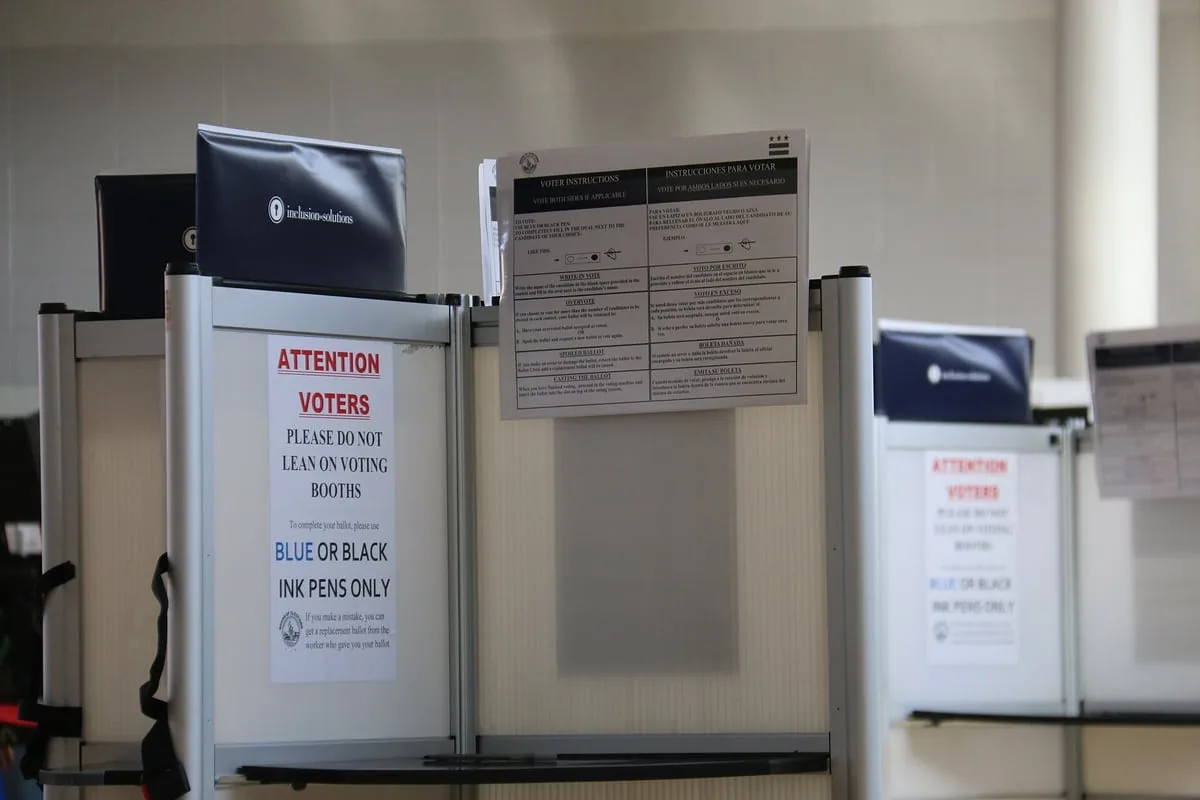
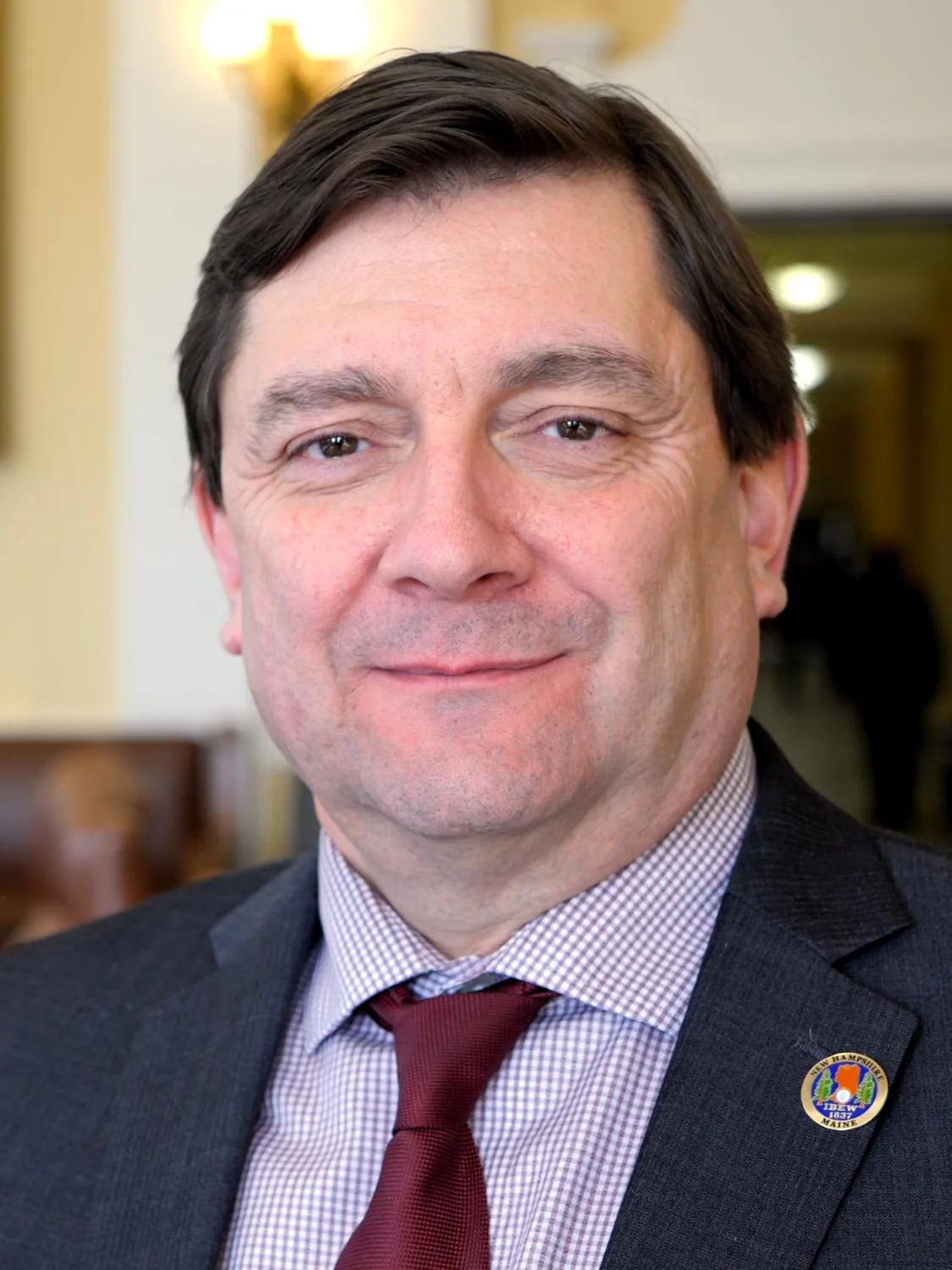
Treg Taylor is a Republican candidate in Alaska’s November 3, 2026 general election for governor. He is one of three Republicans in the four-person field, alongside Dave Bronson and Bernadette Wilson; Democrat Jonathan Kreiss-Tomkins is also running. His candidacy centers on experience inside state government, particularly the legal responsibilities of the executive branch and its relationship with federal authorities.
Sources: MultiState: Alaska general-election candidates, October 19 update ↗
Education and private-sector practice
Taylor’s campaign biography says he attended the U.S. Air Force Academy before completing political-science and law degrees at Brigham Young University. His subsequent work included commercial litigation and legal roles with McKinley Capital Management and ASRC Energy Services. That sequence places business law and corporate counsel work before the senior public appointments through which many Alaskans came to know him.
Sources: Campaign biography ↗
The Department of Law chapter
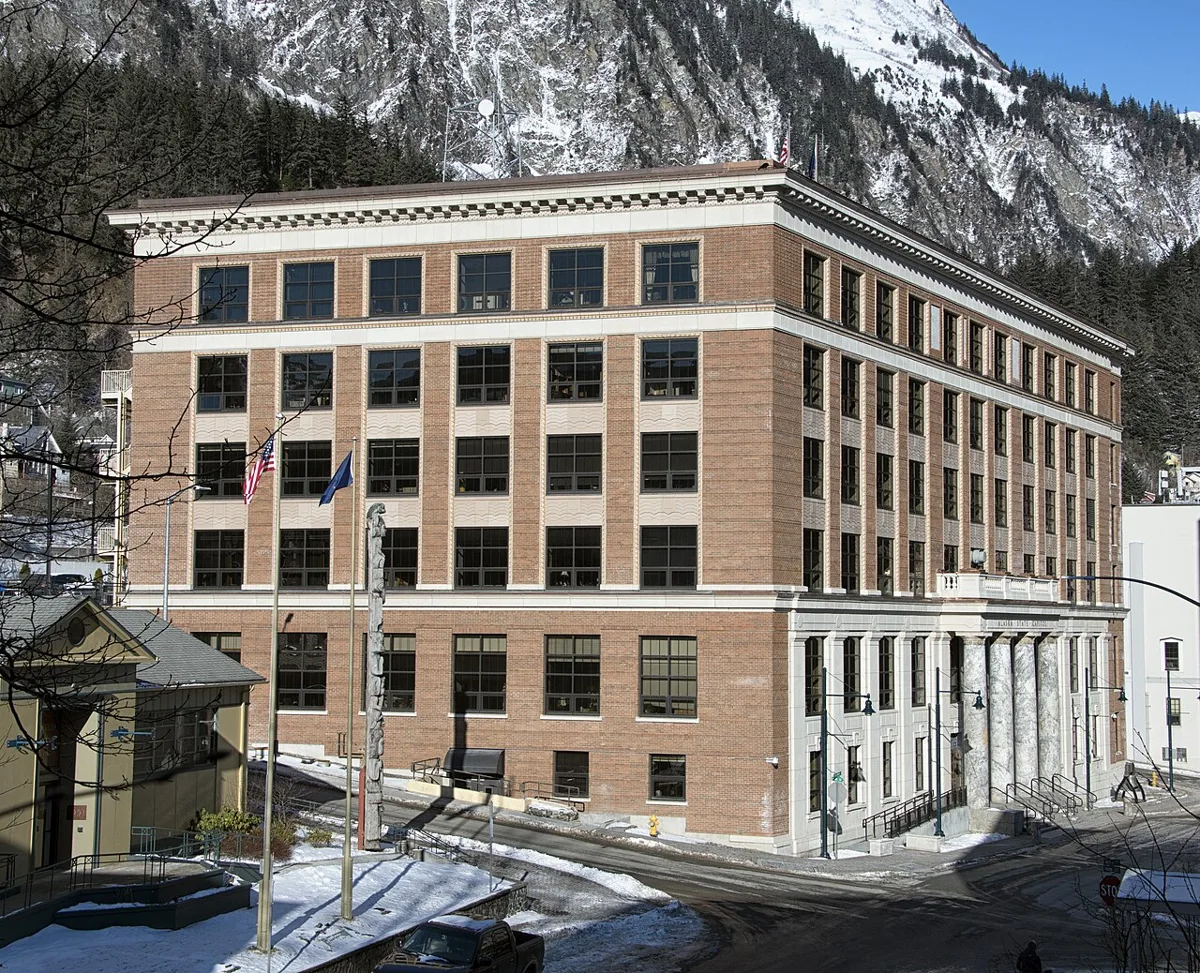
Taylor joined the Alaska Department of Law as deputy attorney general overseeing the civil division in 2018. He became attorney general in 2021. The department’s August 2025 announcement said he would leave on August 29 after more than four years leading the office. Its account stressed responsibilities extending from criminal prosecutions to legal advice for the governor and executive agencies.
Sources: Campaign biography ↗ · Alaska Department of Law resignation announcement ↗
How he describes a different administration
In a September interview with Alaska Public Media, Taylor stressed communication with legislators and the public and said he would work across party lines. He did not directly attack his former boss, Governor Mike Dunleavy, but presented himself as bringing a different style and new energy. That makes administrative relationships, alongside legal experience, a central element of his pitch to voters.
Sources: Alaska Public Media: September 15 interview and ballot dispute ↗
The disclosure dispute and ballot status
The same report explained that Lieutenant Governor Nancy Dahlstrom initially moved to disqualify Taylor over financial-disclosure deficiencies before reversing course. Taylor attributed the missed filing information to technical problems and campaign demands and defended limiting tenant identification on privacy grounds. The controversy is part of his public record; the current general-election listing, rather than the earlier disqualification announcement alone, establishes his present candidacy.
Sources: Alaska Public Media: September 15 interview and ballot dispute ↗ · MultiState: Alaska general-election candidates, October 19 update ↗
A fisheries policy to examine
In responses published by Tlingit and Haida, Taylor supported stronger monitoring of salmon bycatch, reporting in real time and limits linked to stock abundance. He also emphasized habitat protection and subsistence. Those answers provide a specific policy record to compare with his broader leadership message, particularly for communities whose food security and livelihoods depend on healthy runs and meaningful participation in resource decisions.
Prepared with AI assistance. Source-based reporting checked on October 24, 2026. This article does not update automatically. Read our editorial standards.