- State
- Connecticut
- Office / race
- Governor
- Party
- Republican
- Reviewed
- October 24, 2026
Career timeline
The challenger to Lamont

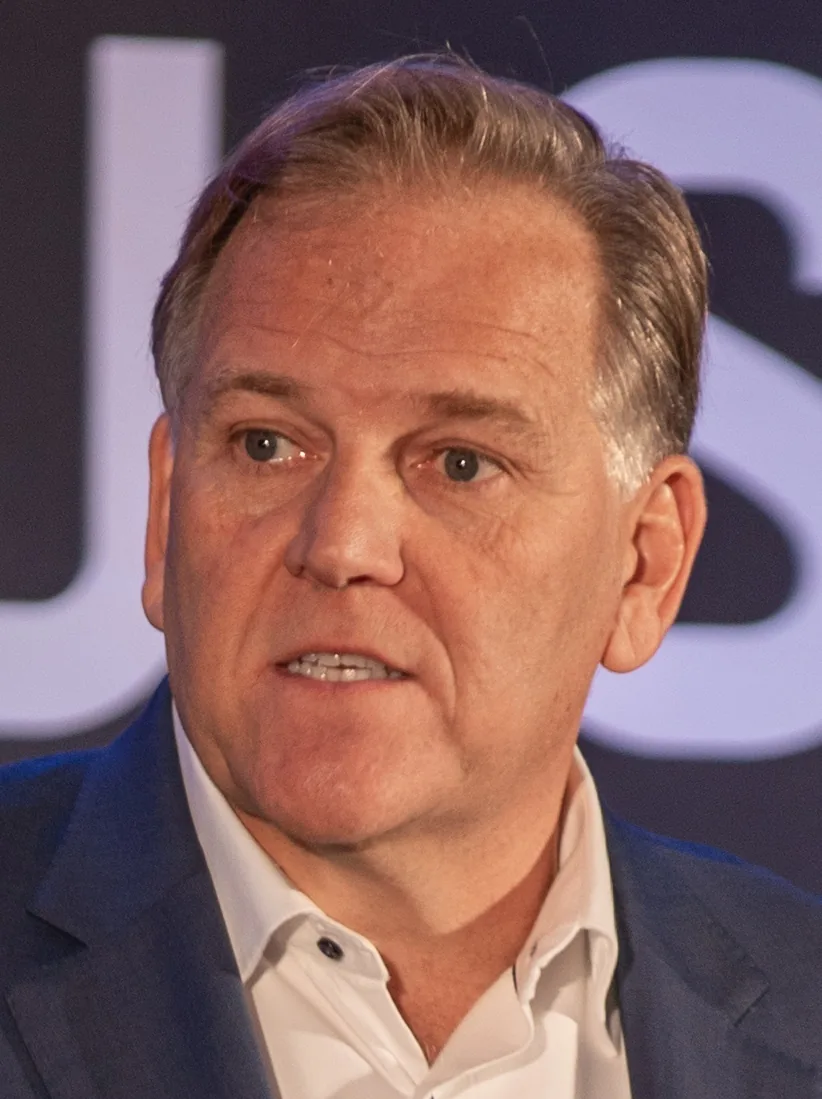
Ryan Fazio is the Republican candidate for Connecticut governor in the November 3, 2026 election, running with Matthew Corey. He is also cross-endorsed by the Independent Party of Connecticut. That label refers to a party line, not to running without a party. Democratic incumbent Ned Lamont is seeking a third term, giving Fazio a clearly defined incumbent record to challenge.
A Connecticut upbringing and economics training
Fazio’s campaign biography says he was born in Norwalk, raised in Greenwich and educated in the town’s public schools. After earning an economics degree from Northwestern University, he returned to Connecticut and worked in energy, agriculture and shipping. Those sectors help explain the economic vocabulary of his campaign, which repeatedly connects regulation, supply and household costs.
Sources: Campaign biography ↗
Community work before the statewide race
His biography describes tutoring charter-school students, volunteering with Meals on Wheels and serving on Greenwich’s Representative Town Meeting and Energy Efficiency Committee. These roles preceded his bid for the state’s highest office. The account is useful for understanding the local-service background he presents to voters, without treating campaign descriptions of leadership or effectiveness as independent evaluations of his performance.
Sources: Campaign biography ↗
A record of competitive legislative races
CT Mirror reports that Fazio won a 2021 special election in the 36th Senate District and was reelected in 2022 and 2024. It identifies him as a senior Republican voice on finance and energy committees. His legislative experience supplies the public record behind his emphasis on taxes and utility bills and gives voters measures and negotiations to examine alongside campaign promises.
Sources: CT Mirror 2026 voter guide ↗
The tax and housing proposals
His campaign proposes lower income-tax rates, caps on property-tax growth and a housing approach that preserves local control while expanding supply. It also seeks to end certain data-center tax breaks. These proposals connect his criticism of Hartford to specific household expenses, but the amounts households might save depend on legislation, municipal responses and the budget choices used to finance the reductions.
Sources: Campaign policy proposals ↗
Electricity is a defining issue
Fazio promises to reduce power bills by changing charges and expanding reliable supply. Connecticut Public explains that the public-benefits component he targets funds programs including low-income assistance and energy efficiency. That context matters: removing a charge does not remove the underlying policy choices. Voters can ask which programs would continue, which funding source would replace the charge and how projected savings were calculated.
Sources: Connecticut Public on the energy-policy contest ↗ · Campaign policy proposals ↗
Prepared with AI assistance. Source-based reporting checked on October 24, 2026. This article does not update automatically. Read our editorial standards.