- State
- California
- Office / race
- U.S. House
- Party
- Democratic
- Reviewed
- October 24, 2026
- District
- 17
Career timeline
The district and the contest
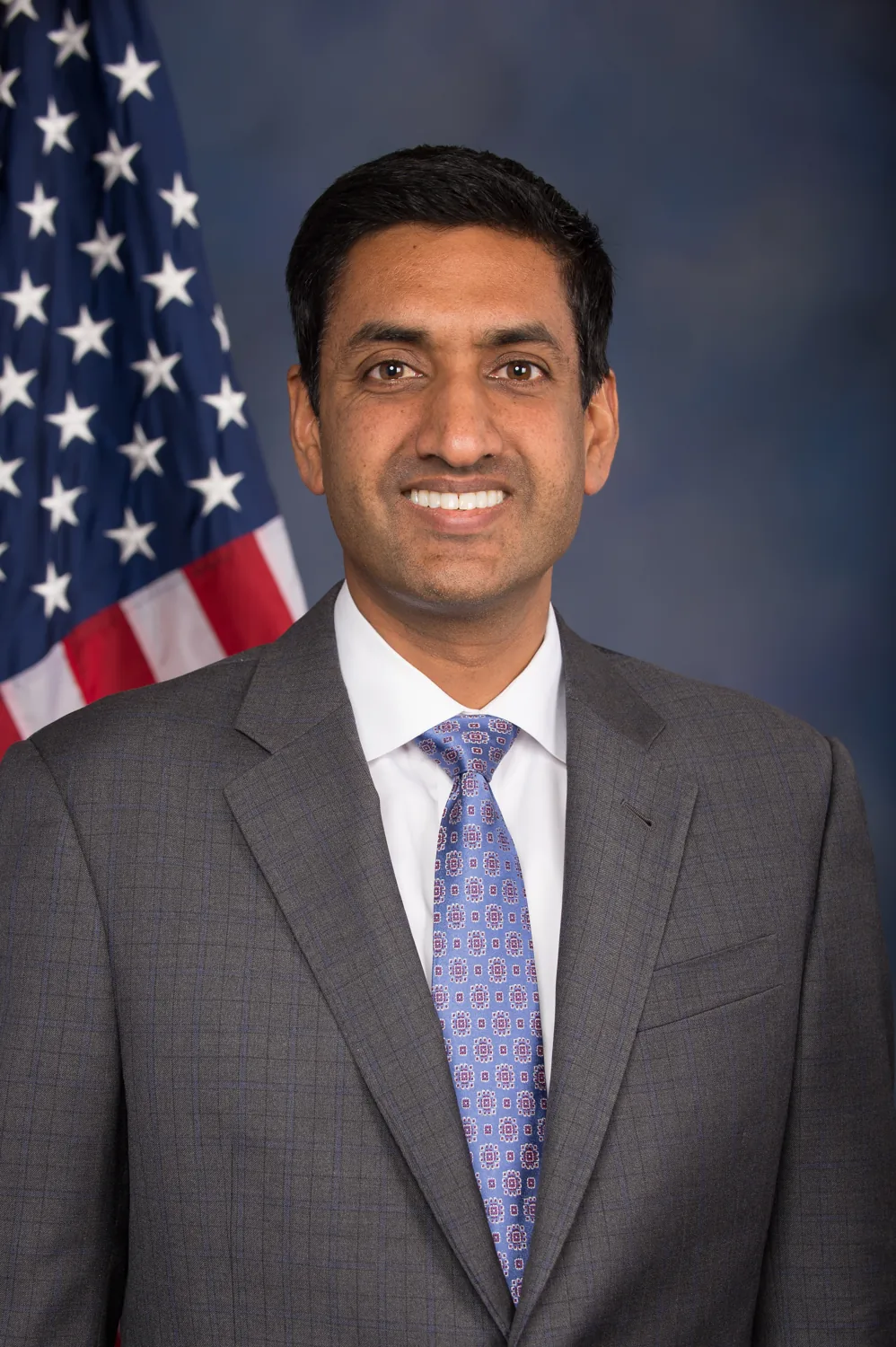
Ro Khanna is seeking reelection in California’s 17th Congressional District in 2026. Ballotpedia lists the Democratic incumbent against Republican Ritesh Tandon in the general election. His constituency is in Silicon Valley, but his political argument extends beyond the technology sector to manufacturing, wages and the distribution of economic opportunity.
Sources: Ballotpedia — Ro Khanna, 2026 election ↗ · Khanna campaign — Meet Ro ↗
An immigrant-family background
Khanna was born in Philadelphia in 1976 to parents who had immigrated from India. His official House biography describes his father’s work as a chemical engineer and his mother’s work as a substitute teacher. The family background is part of his public biography, rather than a basis for assuming his views on any particular policy.
Sources: U.S. Representative Ro Khanna — official biography ↗
Education and the earlier career
The House select committee’s biography records an economics degree from the University of Chicago and a law degree from Yale. Before Congress, he taught economics at Stanford and served as a deputy assistant secretary of commerce in the Obama administration. That combination places industrial policy and economic questions well before his present congressional campaign.
Work inside the House
The House Clerk’s current roster lists his service on Armed Services, Oversight and the select committee examining strategic competition with China. These assignments place him in debates about defense, government accountability and economic security. Committee membership identifies where a lawmaker works; it does not mean that every proposal associated with those subjects has become law.
Sources: House Clerk — Ro Khanna ↗
The economic agenda
His campaign pairs support for American manufacturing and innovation with Medicare for All, a higher minimum wage, affordable child care and tuition-free public college and trade school. Those commitments show how he combines industrial investment with expanded social programs. The relevant questions include financing, implementation and the congressional support needed to turn each proposal into policy.
Sources: Khanna campaign — Meet Ro ↗
The public family record
The select committee’s biography identifies his wife, Ritu, and their two children, and places the family in Fremont. It also records his authorship of Entrepreneurial Nation and Dignity in a Digital Age. Those books offer another route into his public economic arguments, alongside his speeches and legislation.
What his record invites voters to examine
Editorial analysis: Khanna can draw on several terms of legislative work and a constituency closely tied to technology. His broader case depends on showing how innovation and manufacturing policies would benefit communities beyond that constituency. The test is whether his economic proposals connect identifiable public investment and enforceable policy changes to the outcomes he promises.
Sources: Khanna campaign — Meet Ro ↗ · House Clerk — Ro Khanna ↗
Prepared with AI assistance. Source-based reporting checked on October 24, 2026. This article does not update automatically. Read our editorial standards.