- State
- Minnesota
- Office / race
- U.S. Senate
- Party
- Democratic-Farmer-Labor
- Reviewed
- October 24, 2026
Career timeline
The Democratic nominee
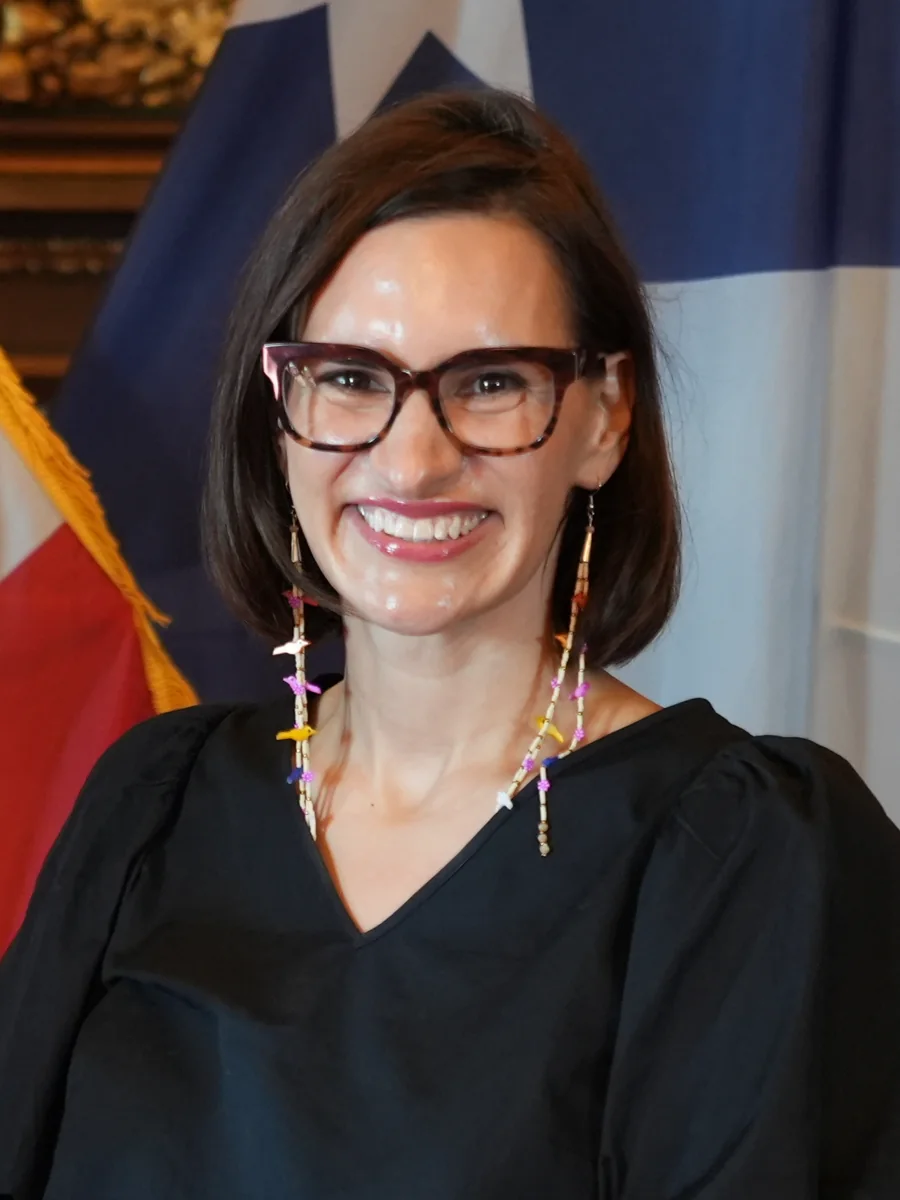
Peggy Flanagan is Minnesota’s Democratic-Farmer-Labor Senate nominee for 2026, facing Republican Michele Tafoya. The secretary of state’s August 11 primary results confirm that both won their party contests. Flanagan defeated Representative Angie Craig in the Democratic primary, securing the nomination before the campaign moved into its statewide general-election phase.
Sources: Minnesota secretary of state: 2026 primary results ↗
St. Louis Park and university study
Flanagan grew up in St. Louis Park and attended its public schools. Her official biography identifies her as a member of the White Earth Band of Ojibwe. She graduated from the University of Minnesota in 2002 with a bachelor’s degree in child psychology and a minor in American Indian studies, subjects closely connected to her subsequent advocacy.
Working through schools and organizing
Her public career included the Minneapolis school board and work at Wellstone Action, an organization built around political training. The St. Louis Park Historical Society’s account also describes her leadership at Children’s Defense Fund–Minnesota and involvement in the effort to raise the state minimum wage. Those roles preceded her move into the legislature and made organizing a substantial part of her professional experience.
Sources: St. Louis Park Historical Society: Peggy Flanagan ↗
A seat in the Minnesota House
The state’s legislative reference library records Flanagan’s service in House District 46A from 2015 through 2018. She then became lieutenant governor in January 2019. That sequence matters when reading her résumé: she has experience both as a legislator participating in votes and as a statewide executive working alongside the governor, rather than a single uninterrupted role.
Sources: Minnesota Legislative Reference Library: Peggy Flanagan ↗
Housing, childcare and Indigenous communities
As lieutenant governor, Flanagan chairs Minnesota’s interagency homelessness council and its Capitol-area planning board, according to her official biography. The office credits her with helping establish the Missing and Murdered Indigenous Relatives Office and advancing childcare and housing investments. Those are the administration’s descriptions of collective achievements, alongside her specific institutional responsibilities.
The argument in the general election
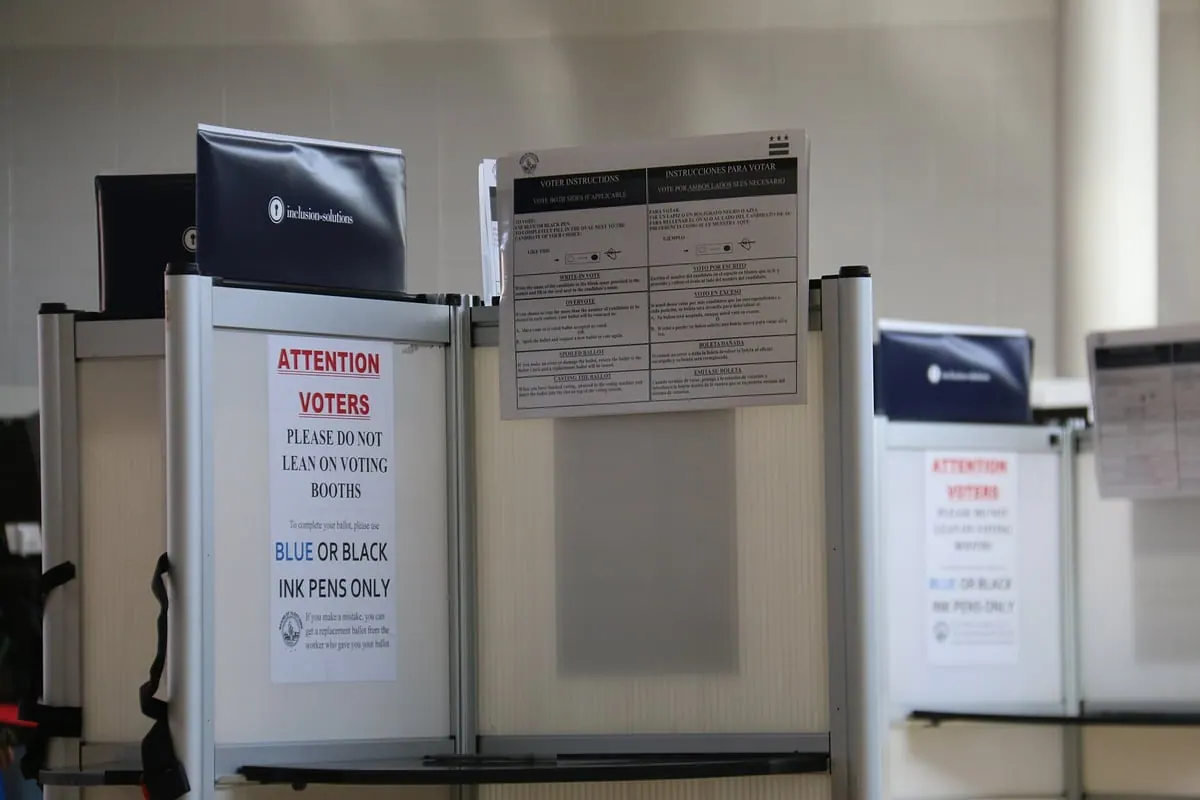
MPR’s October discussion described Flanagan’s primary appeal to progressives and her campaign’s emphasis on opposition to President Donald Trump. Political scientist Larry Jacobs contrasted that approach with Tafoya’s effort to attract independent and suburban voters. It is an analysis of the candidates’ strategies, not a prediction of the election result or evidence that every voter fits a partisan category.
Sources: MPR News: Flanagan and Tafoya Senate debate preview ↗
Prepared with AI assistance. Source-based reporting checked on October 24, 2026. This article does not update automatically. Read our editorial standards.